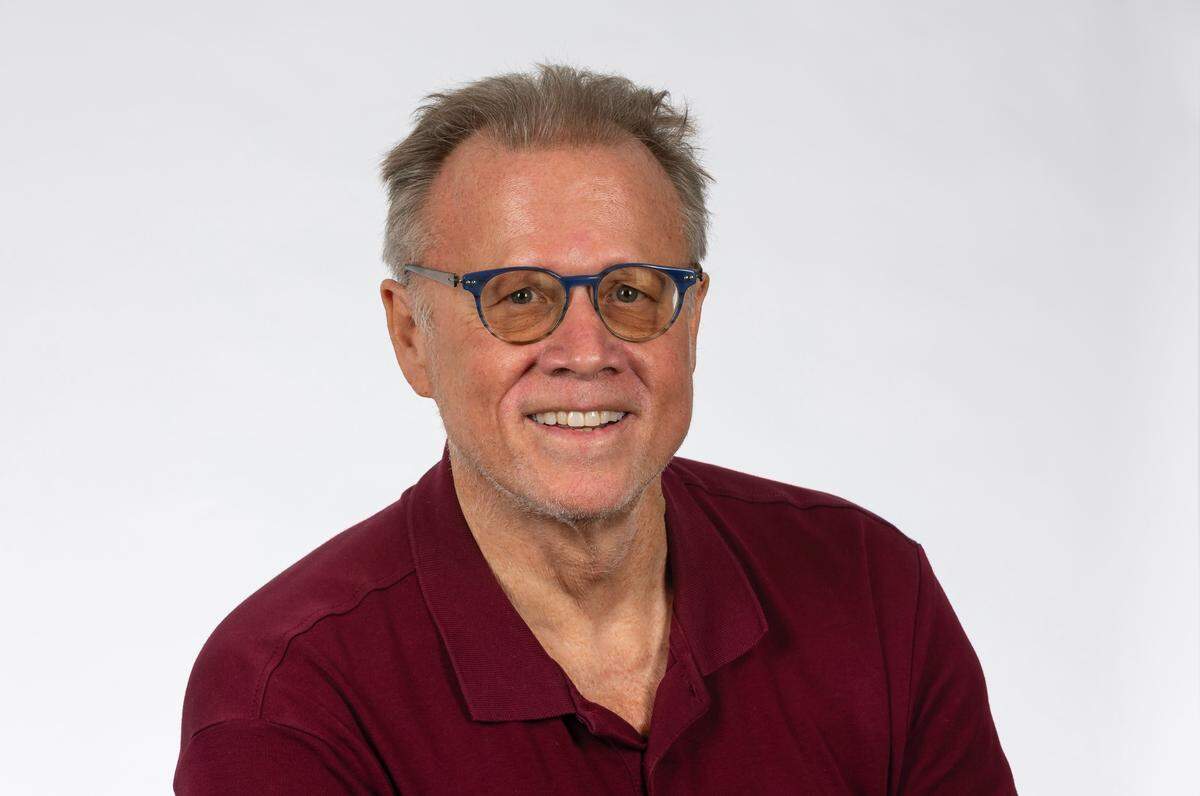
Tom Austin’s ‘strange wanderings’ chronicled South Beach. He has died — his work lives on
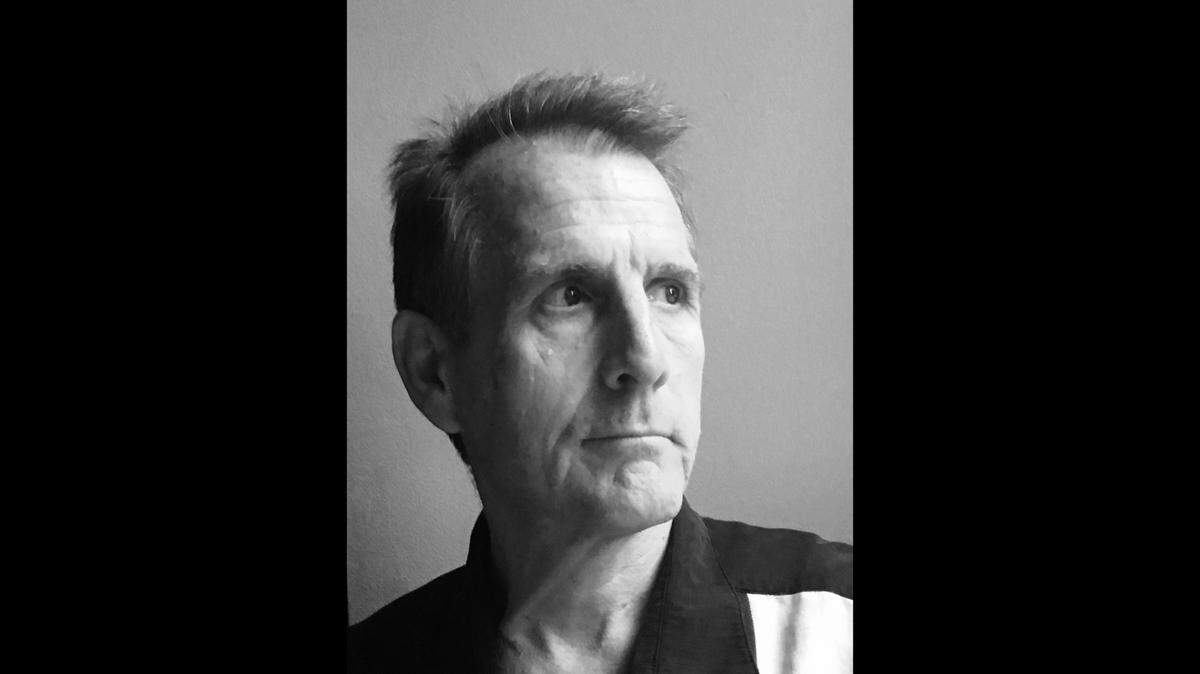
Tom Austin, the Miami Beach writer whose “lifetime of quixotic crusades and strange wanderings” chronicled South Beach and South Florida like few before, or since, has died.
Austin, who sought treatment for metastatic prostate cancer in Houston, was 66 when he died on Oct. 25, his family said.
But the “strange wanderings” his ex-wife Lisa Austin described of his columns and writings in the Miami Herald, Miami New Times, Ocean Drive magazine and other publications from the 1980s onward, left a legacy in a community that is still striving to understand its curious self.
“If a historian in the future wants to understand the rise of Miami as an arts and culture city, you got to read Tom Austin,” said William Booth, the London bureau chief for the Washington Post who met Austin when Booth was Miami’s bureau chief.
“In the early years, the foundational years, when South Beach became South Beach, for good and ill, in those early years when it was more artistic, more fun, when you could rent an apartment, literally, on Ocean Drive, when it was less international real estate, less spring break, back then Tom Austin’s columns were the read of the week. The hungover publicists, club promoters, artists, developers, hacks, waiters, fashion slaves would sit in the cafes of Lincoln Road, back when there were real cafes there, and drink their Cuban coffees and read Tom — and just laugh,” Booth said.
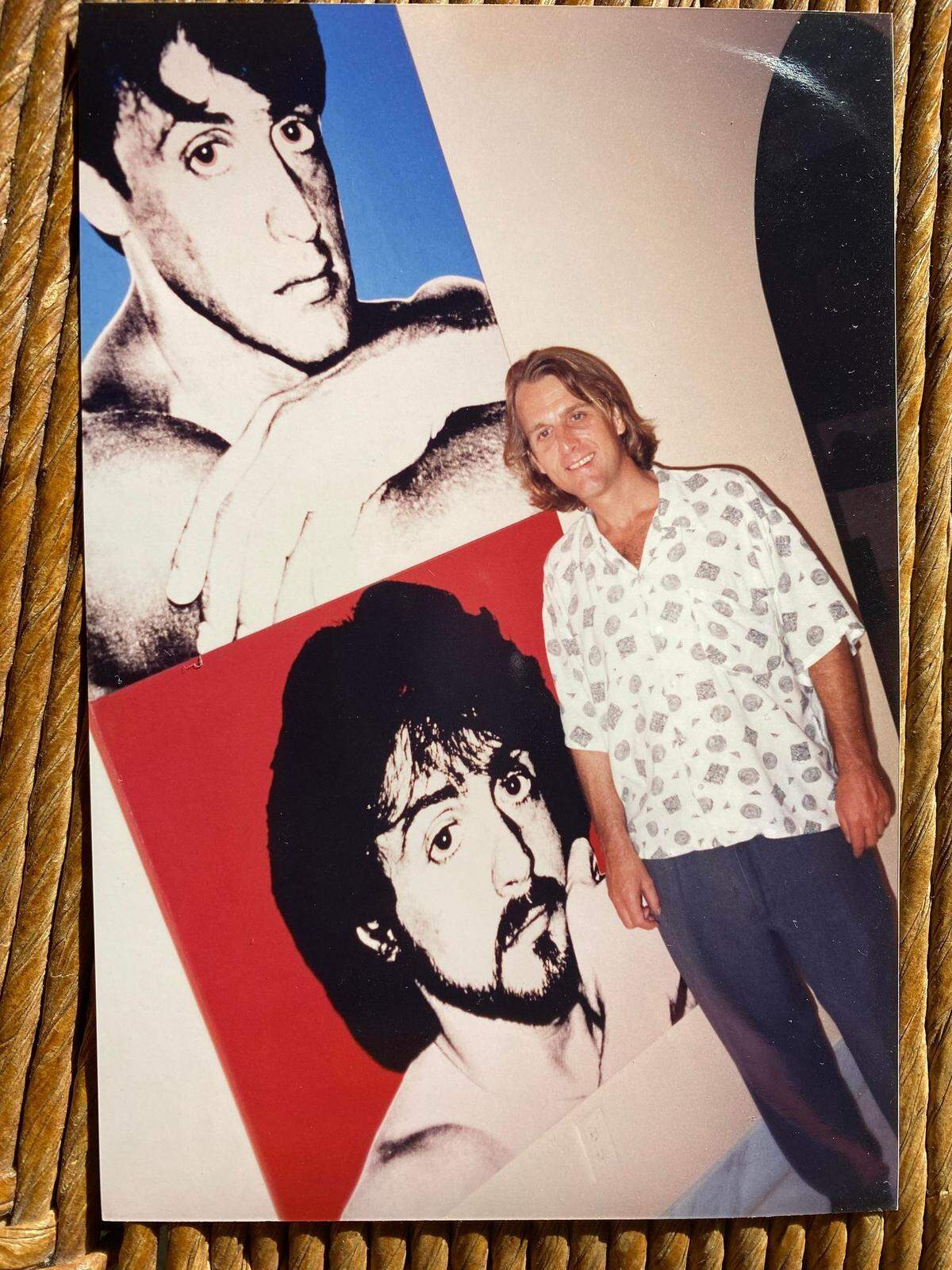
“He was the Boswell of South Beach. He was wicked and he was funny, as barbed as a fish hook, but he never punched down. He took on Donald Trump, Sylvester Stallone and Madonna. He had all the dish. But it wasn’t the gossip that elevated him. In truth, he wasn’t much of Page Six type columnist — but it was his wry observation of the scene, our South Floridan version of the Vanity Fair. Little known, he worked like a devil at his column. He went out all the time. He saw everything and met everybody,” Booth said.
Swelter
Editor Jim Mullin, who hired Austin in 1991 to write a culture column for Miami New Times they’d dub “Swelter,” cited the opening paragraph from Austin’s column on Jan. 5, 1994, as an example of Austin’s quirky “present progressive” writing style:
A new year, the dread urgency of the fin-de-siecle, civilization crumbling, and Miami, as ever, going for the baroque. Madonna adding muscle and visual punch to her New Year’s Eve frolic, regulars like Bruce Weber and Nan Bush cavorting with John Salley of the Miami Heat and male models as bartenders. Gianni Versace debuting a new fashion outpost in the neo-Riviera, opening his heart, mind, and wallet for a beloved fashion muse, label-driven guests shoplifting in homage to Gianni. Decadence everywhere, a bountiful array of dissipation: crack pipes in tony VIP rooms and one-nighters with bestiality videos; a public New Year’s restaurant party ... a flamboyant middle-age woman announcing that she’d dropped acid — with her son — for the big night out, table conversation revolving around her teenage masturbation scenarios. The BBC calling frantically, trying to locate Mandy Rice-Davies of the Profumo scandal, now married to a local waste disposal executive. In the end, everyone eventually winding up in Miami, demanding their fair share of twisted pleasures.
“Tom captured a unique moment in Miami history. He did it artfully, with insight, humor and compassion. He, too, was one of a kind,” Mullin told the Miami Herald.
Swelter was born on Aug. 21, 1991. Austin’s pay for that first column: $200. From that debut column: We have wandered, it seems, into a time and space where the parameters of fun in the Nineties — bargain-basement sensation as soulless, senseless, and dumbed-down as a television sitcom — have already been exhausted.
In that column, Austin’s “strange wanderings” took him from postmodern Coconut Grove — he described that part of Miami he had loved in his teens in the words of an old Root Boy Slim number, “So Young, So Hip, So Lame” — back to the Beach where, in an earlier feature, “The Last Dance” that ran on July 17, 1991, he wrote the obituary for Club Nu.
For that story, Austin had to parse through a breathless press release that upchucked a laundry list of people that had performed at the mega disco on 22nd Street: Rod Stewart, Escape Club, Concrete Blonde, Indigo Girls, David Bowie, George Michael, Thomas Dolby, Psychedelic Furs. “With Nu’s typical who-gives-a-s--- candor, the release also recited a wide array of low points: dancing bears, dancing dogs, Tiny Tim, Zippy the Chimp,” Austin wrote.
Prodigious memory
How do you keep track and make sense of all of that? Somehow, Austin, with photographer Steven Hlavac, managed.
![Writer Tom Austin (l) and photographer Steven Hlavac (r), in costumes on Halloween out working for Austin’s social column “Swelter” for newspaper Miami New Times, Miami Beach, Florida, in 1992. “The idea for the costumes - two vintage intrepid newspaper reporters: a writer and a photographer - was [Hlavac’s] and everyone we ran into that night loved the outfits. As you can imagine we made a good team,” Hlavac said of this image. Hlavac was the photographer for Austin’s Swelter column from roughly 1990 to 1995.](https://www.miamiherald.com/public/latest-news/8bumv6/picture267954842/alternates/FREE_1200/t_austin-s_hlavac-miami-halloween1992.jpg "t_austin-s_hlavac-miami-halloween1992.jpg")
Austin’s partner of 11 years, Cristina Favretto, University of Miami libraries’ head of special collections, said Austin had a prodigious memory for facts and numbers.
“Sometimes he appeared to be only half-listening to his interlocutor, while in reality filing away the most minute details of that person’s outward appearance as well as everything the person said, simultaneously discerning the half-truths, dissimulations, and outright lies the famous and wannabe famous often present to the world. His capacity to annoy his subject into finally blurting out an unguarded truth gave his articles a piquancy often lacking in the usual flattering, feel-good celebrity interviews,” Favretto said.
Said former Miami Herald reporter John Lantigua: “His Swelter column for the New Times on Miami nightlife was brilliant. I remember being blown away by it when I first moved to Miami in ‘92 — this weekly stream of consciousness report on all the excess to be found in the club scene and among the glitterati was brilliantly reported and written. I think the fact that he worked in that world with all its temptations and stayed cogent enough to write well about it was a trick in itself.”
Taking on Trump
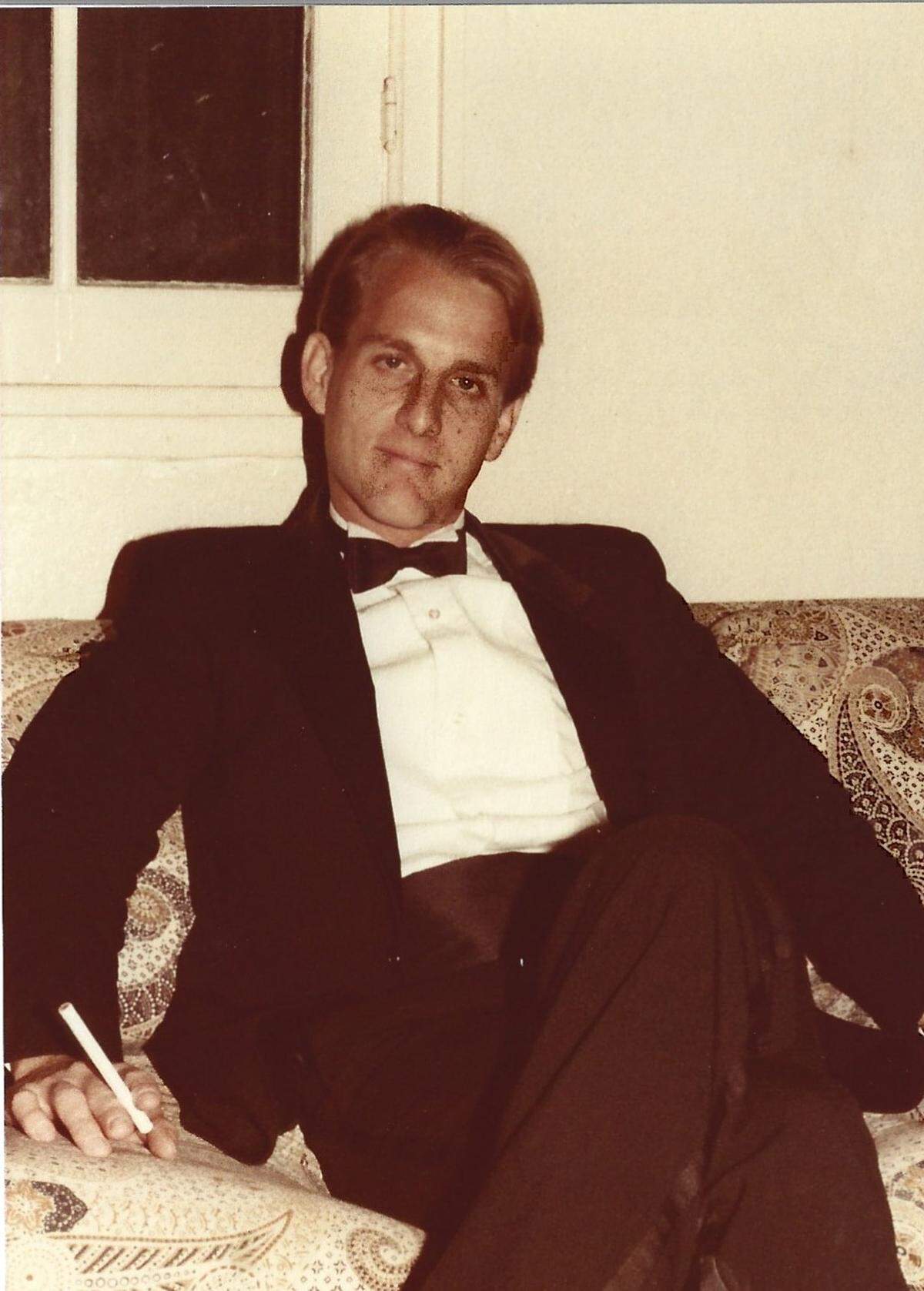
Austin’s friend, author Anne-Marie O’Connor, then a Miami-based correspondent covering Latin America and the Caribbean, recalls a Feb. 19, 1993, Swelter column, in which Austin “shredded a bizarre party” hosted by Donald Trump at Mar-a-Lago in Palm Beach with Ocean Drive co-founder Jason Binn.
Austin’s prose: Thank God we all live in a country where a barbarian can own an exquisite landmark of the American nobility and entertain in truly democratic fashion, hosting a beyond eclectic assortment of people, many of whom wouldn’t pass muster at our own somewhat less commodious house.
“It was typical of the way he often bit the hand that fed him in the tradition of Michael Musto, Tom Wolfe and Dave Barry. You need that in South Beach, to deflate the self-serving hype of the publicists, celebrities, developers and wealth. I’m not sure anyone has replaced him on that front,” O’Connor said.
Unorthodox career path
“He was someone who couldn’t get out of his own way a lot in his professional life and in his personal life, too, but he would drop anything for me,” said his daughter Claire Austin.
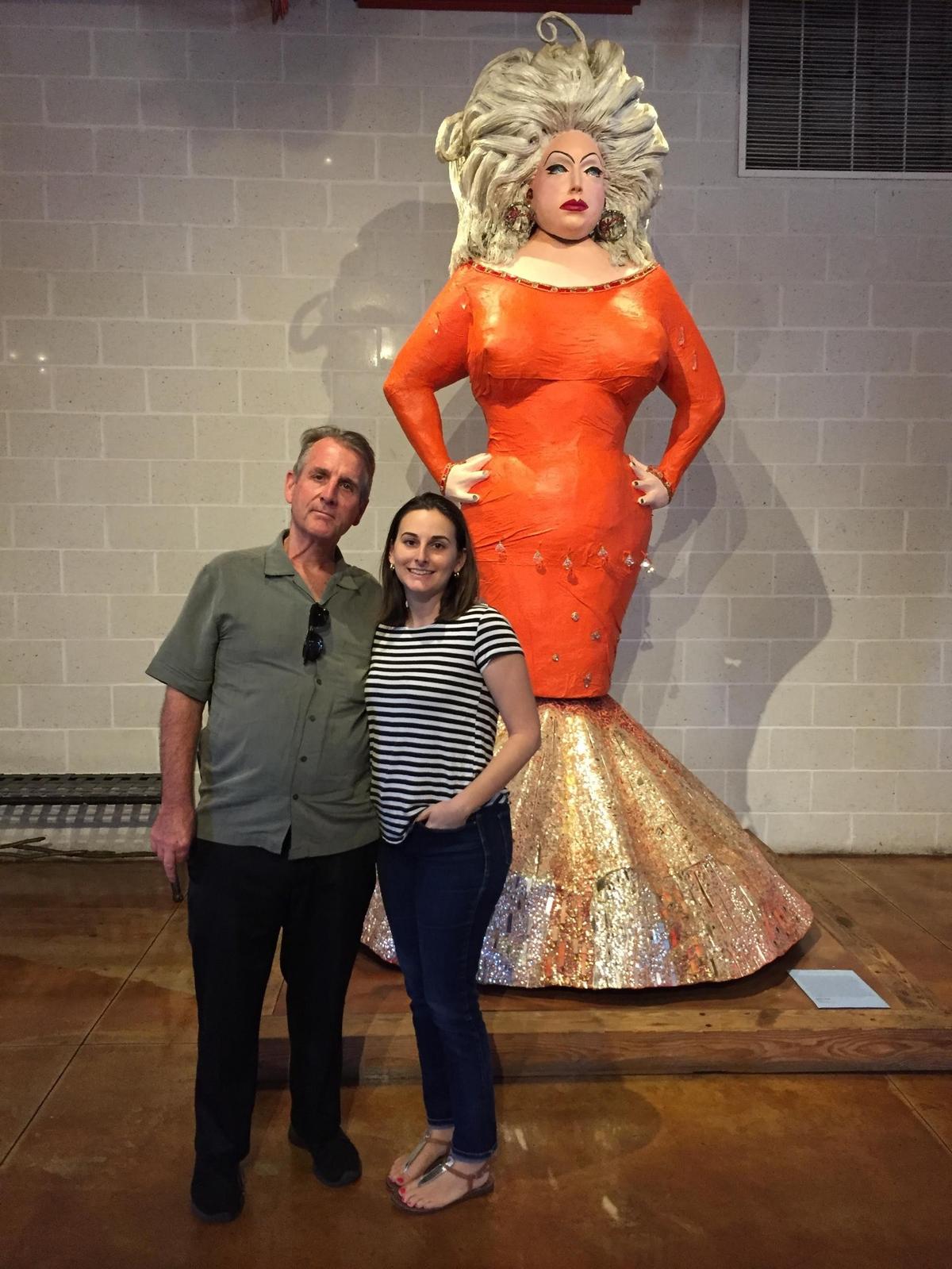
Her mother, Austin’s ex-wife, Lisa Austin, laughs when she hears their daughter’s description. “I remember helping him type his columns in the morning and every morning I would say, ‘Well, today’s the day you’re gonna be fired for this column.’”
That last day came. At Miami New Times, anyway. Austin had resigned to accept a position with Ocean Drive magazine. By that point, Austin’s Swelter column was paying him $550 plus $85 per week. His final New Times column was published on March 7, 1996. For that one, Austin turned the spotlight on another unusual South Beach regular. Himself:
In the beginning, South Beach dissipation was a new and fresh experience, but then, your stamina is better at 35 than 40. Now I trudge down Washington Avenue like the Road Warrior after a particularly brutal skirmish.
Thankfully, for his new bosses as well as readers, Austin wasn’t really done detailing SoBe world.
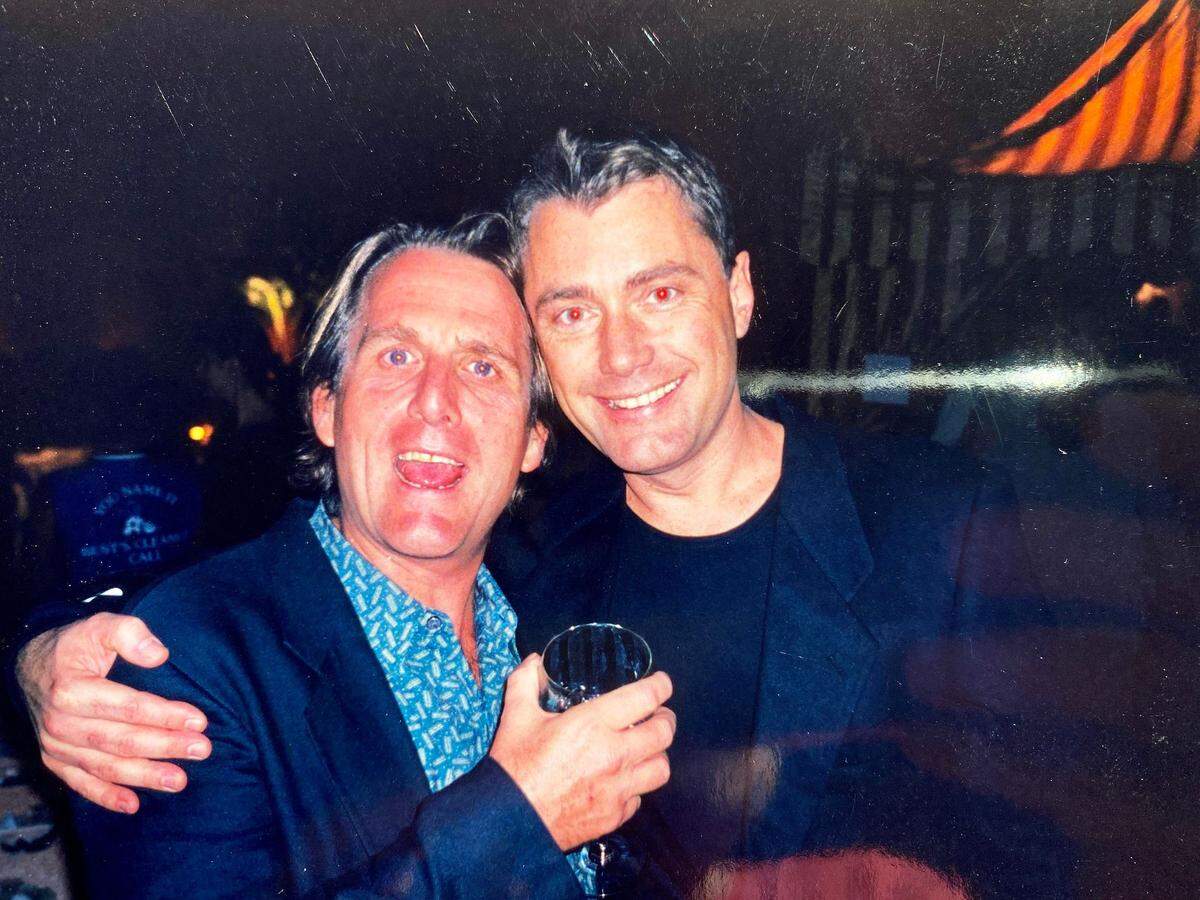
“He was so steadfast and couldn’t be corrupted,” Glenn Albin, Ocean Drive’s former editor-in-chief, said. “His eye was his own and he managed to express it in poetic language that lifted South Beach to a place above the hype and crowd. His was an above the clouds, after the dust settles point of view. And, of course, being a writer who identified with his Irish ancestry, his meandering references came out as literary and elegiac.”
Future collection
All of Austin’s work and hand-written notes will eventually form a special collection at the University of Miami library, his partner Cristina Favretto, UM’s head of special collections, said. The Austin collection may still be a couple of years away from opening to the public. Once accessible, Favretto feels Austin’s papers will provide significant understanding into the rise of South Beach in that era.
“It’s pivotal, because so often there’s a certain snobbishness in the retelling of history so that you get the high points, you get the famous people. Tom looked in all the little alleyways and not just the boulevards. He looked at the grit behind the shininess,” Favretto said of Austin’s writing. “Now that we’re more and more aware of the fact that there’s so much left out of history, there’s so many people whose stories were not told, the history of everyday life was neglected for a very long time. He documented that. All those little store openings. The restaurants that come and go. The real story of a location and a story that most people can relate to.”
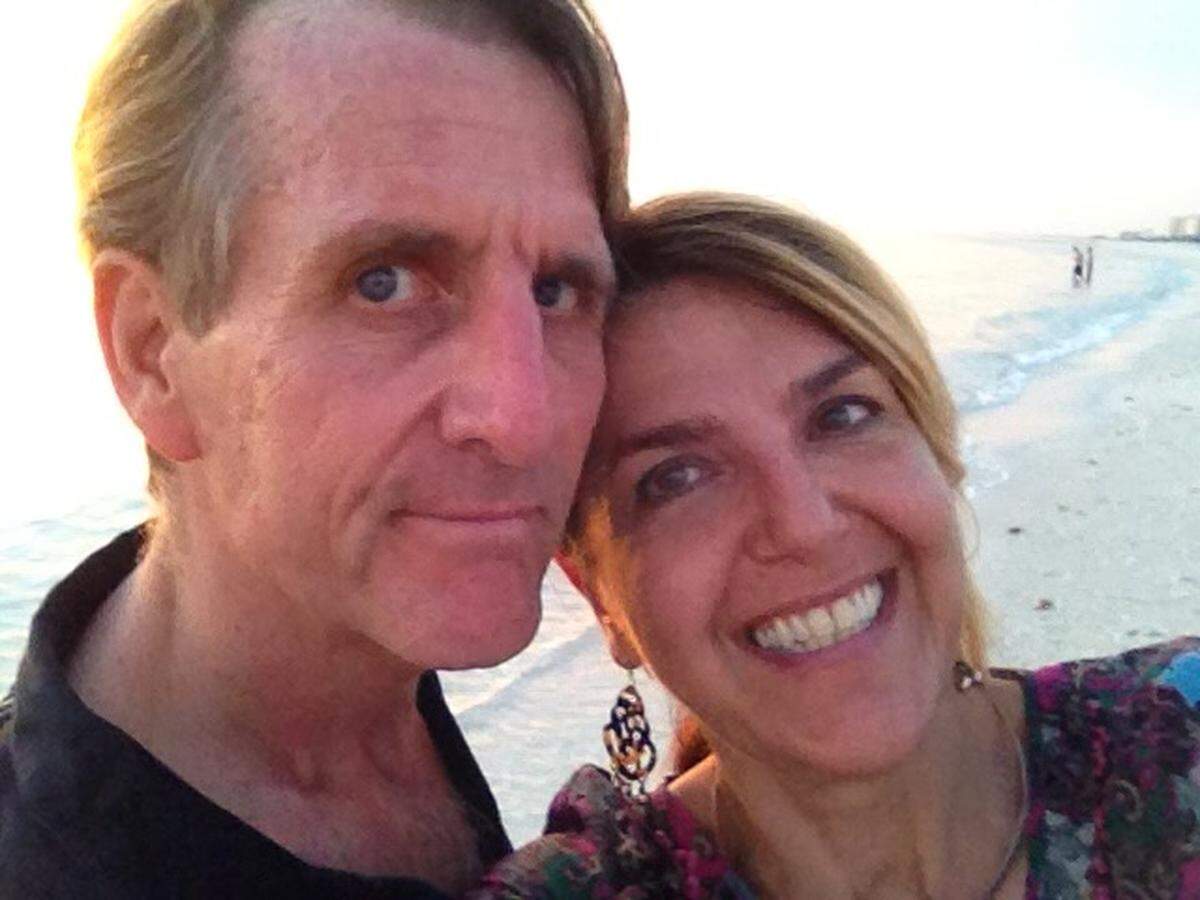
Upbringing
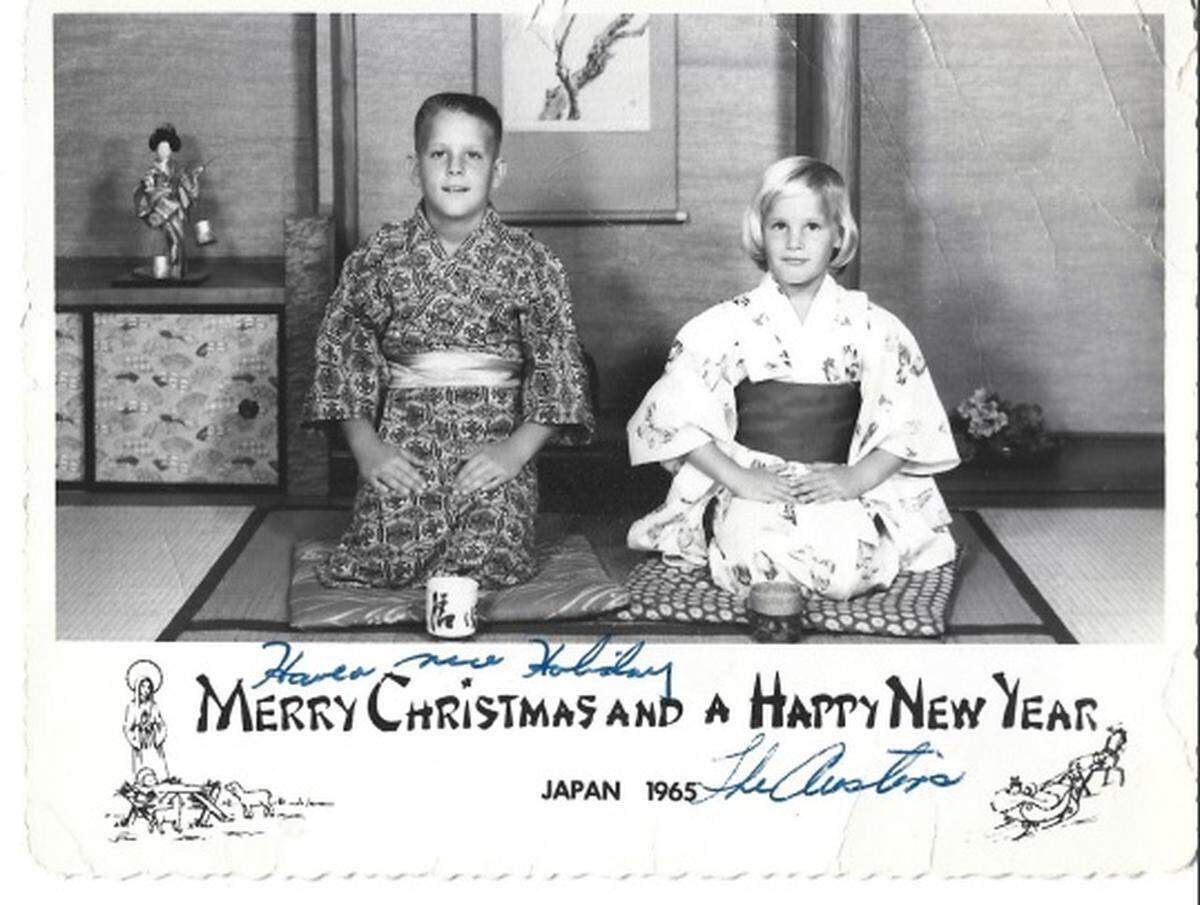
Austin was born in Bethesda, Maryland, on Dec. 7, 1955, to parents who were living at Patuxent Naval Air station. He also lived in Virginia Beach and, for more than three years, in Yokosuka, Japan, on the site of a large naval shipyard, his family said.
Austin moved to Coral Gables in January 1970, graduated from Coral Gables High School, and then the University of Miami with a degree in communications. He also attended the University of Florida. He worked on several yachts during his late teens into his early 20s, sailing in the Lesser Antilles — particularly the Grenadines where Bequia was the island that most captured his imagination, according to Austin’s sister Laura. He initially joined the Miami Herald as a society reporter and columnist in 1984.
A lingering childhood sense of wonder and curiosity and a spirit of adventure factored in the oft-unconventional way he helped raise his daughter, Claire, now 32.
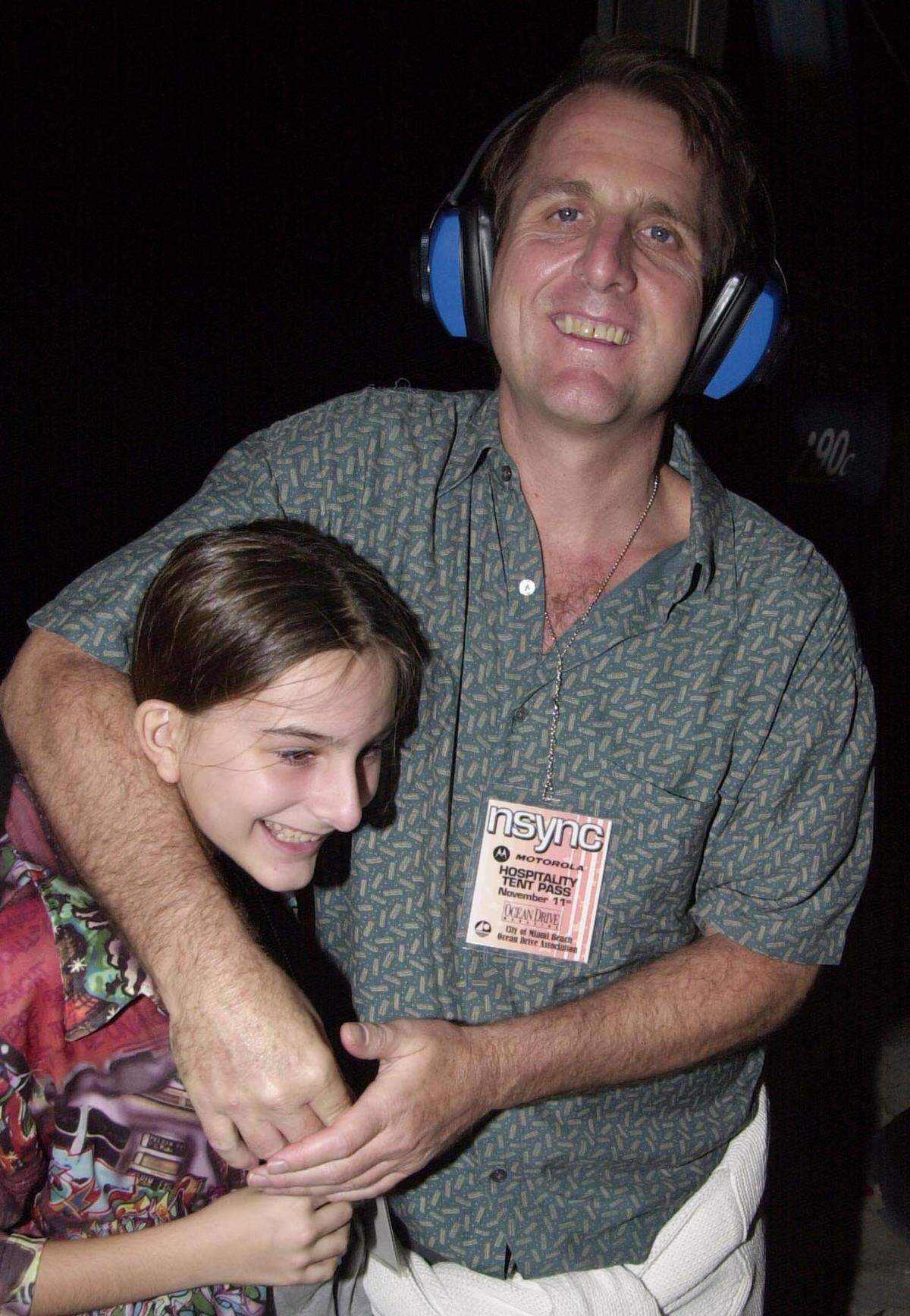
Father and daughter
Dad always made sure to take Claire to events he knew she’d love or learn from: an N’Sync concert on South Beach in 2001. Introducing her to Broadway actress Bernadette Peters of “Annie Get Your Gun,” a particular delight for the young girl. Going with her to the Daili Lama’s visit to Miami a decade ago. Art Basel.
And, as he battled cancer and for their last Father’s Day together, father and daughter co-reported on an art car parade in April, and visited museums, restaurants and tea shops in Houston.
“He would always find those little moments and just say, this is going to be a worthwhile experience,” Claire Austin said. “He would go to any length for a moment of transcendence, beauty and uniqueness. So even if that meant going way out of your way on a road trip or just staying up way past my bedtime just to have that one moment of something that you would never see again.”
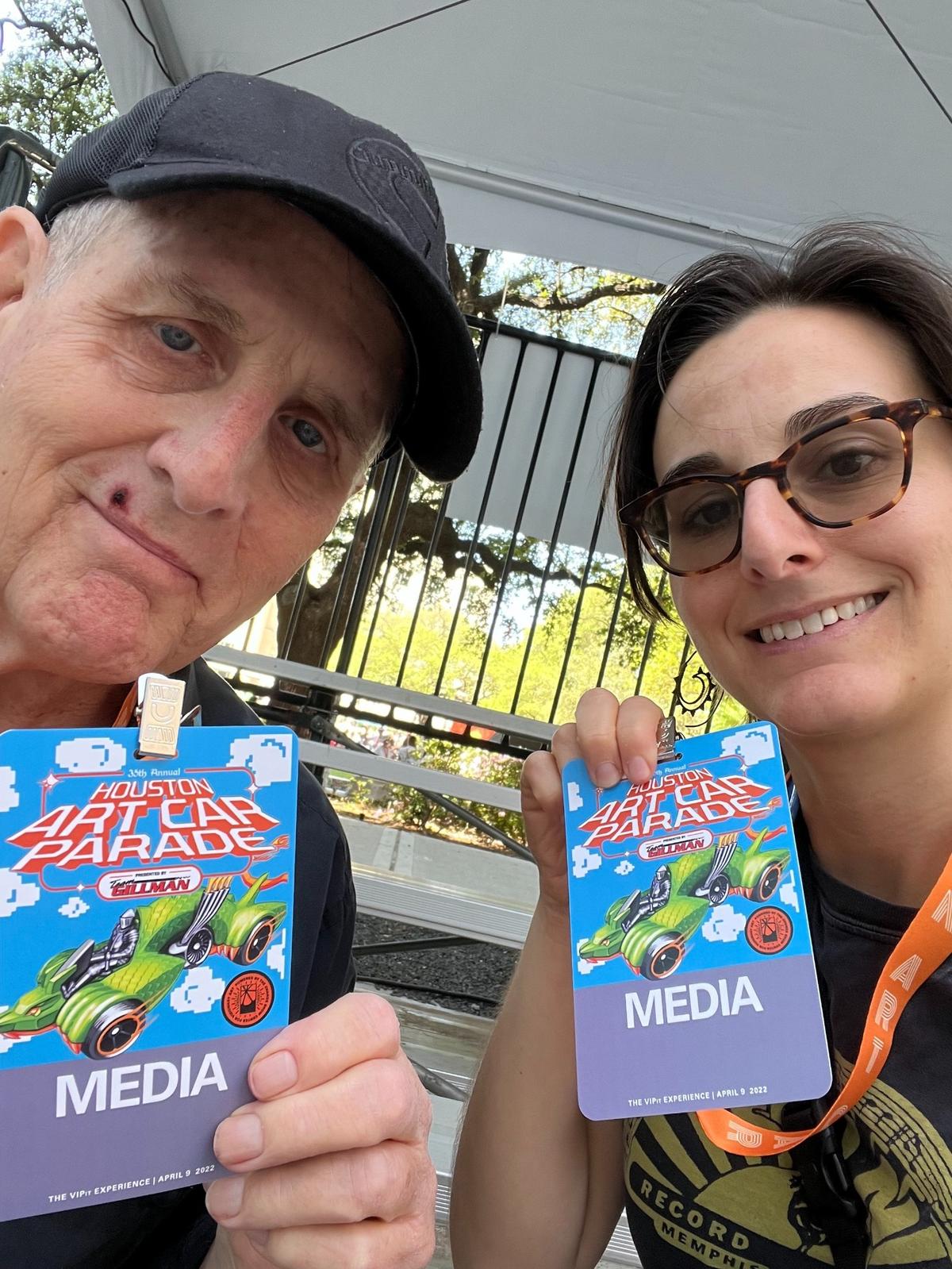
Sometimes a life lesson would fold into their outings from their home on South Beach, Claire said.
“I was painfully shy as a kid. I remember being in the aisles of Epicure and, of course, he’s snacking on bagel chips as he walks through the aisles of the Epicure and he would sometimes grab my chin and say, ‘Look people in the eye when you talk to them.’”
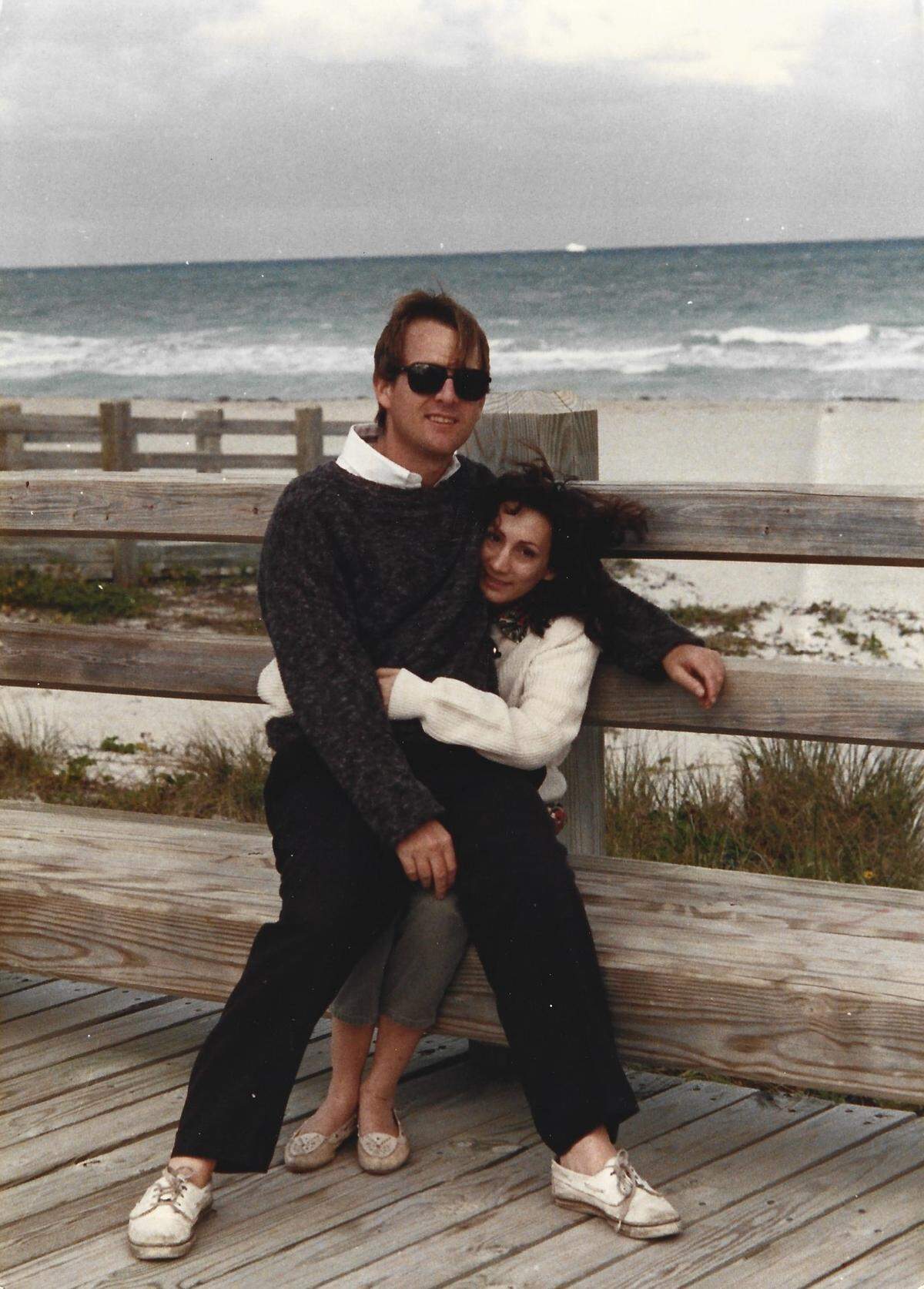
A final letter
On Oct. 16, 2022, about a week before Austin died, his former wife Lisa sent him a letter. She agreed to share a copy of its text with the Miami Herald for his obituary. She addressed the letter, “Dear Tee,” and said their “crowning glory” in life together was their daughter, Claire. “If I was the conservative rock, you were the free spirit and rule breaker. I think it took both of us to mold her into the extraordinary person she is today.” In part, the letter also reads:
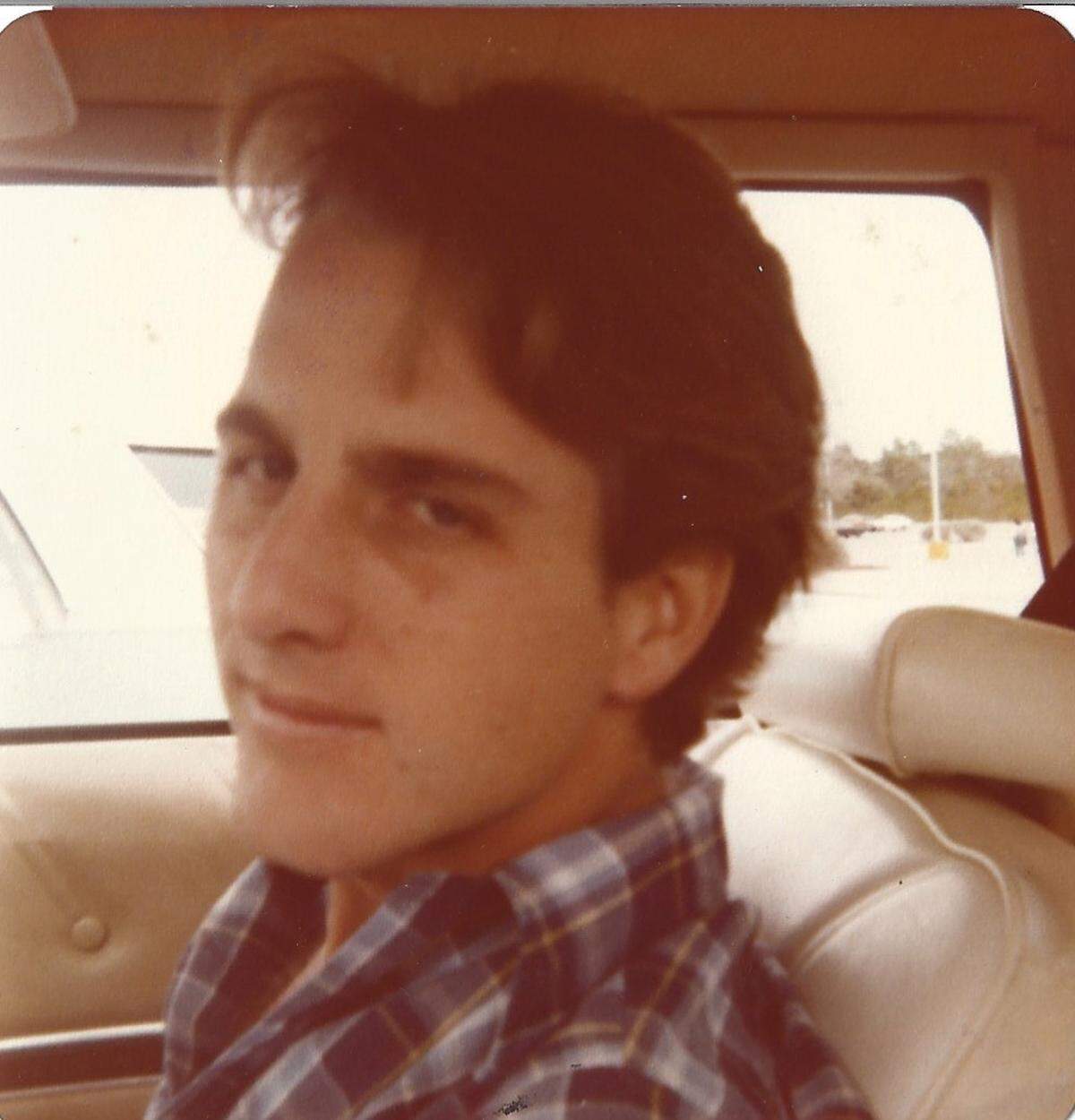
“I know this is a difficult moment for you. It is frightening to face the unknown. Now is a good time to remember that you have always been someone unafraid to take the unexpected left turns in life, always looking for something more interesting, more spectacular, more surprising than what was in front of you,” Lisa Austin wrote. “Your columns were a bomb thrown into the existing hierarchies and you delighted in their shock and everyone else’s glee. Not a bad premise, really, for a life’s work. You were never boring. Not to mention everything you wrote was pretty damn funny.”
Survivors
Austin’s survivors also include his sister Laura Sonnenmark. A memorial reading event will be held 1 p.m.-3 p.m. Sunday, Dec. 4, at Books & Books, 265 Aragon Ave, Coral Gables.
READ MORE: Tom Austin looks back at Christo’s Surrounded Islands
This story was originally published October 29, 2022 at 7:22 AM.