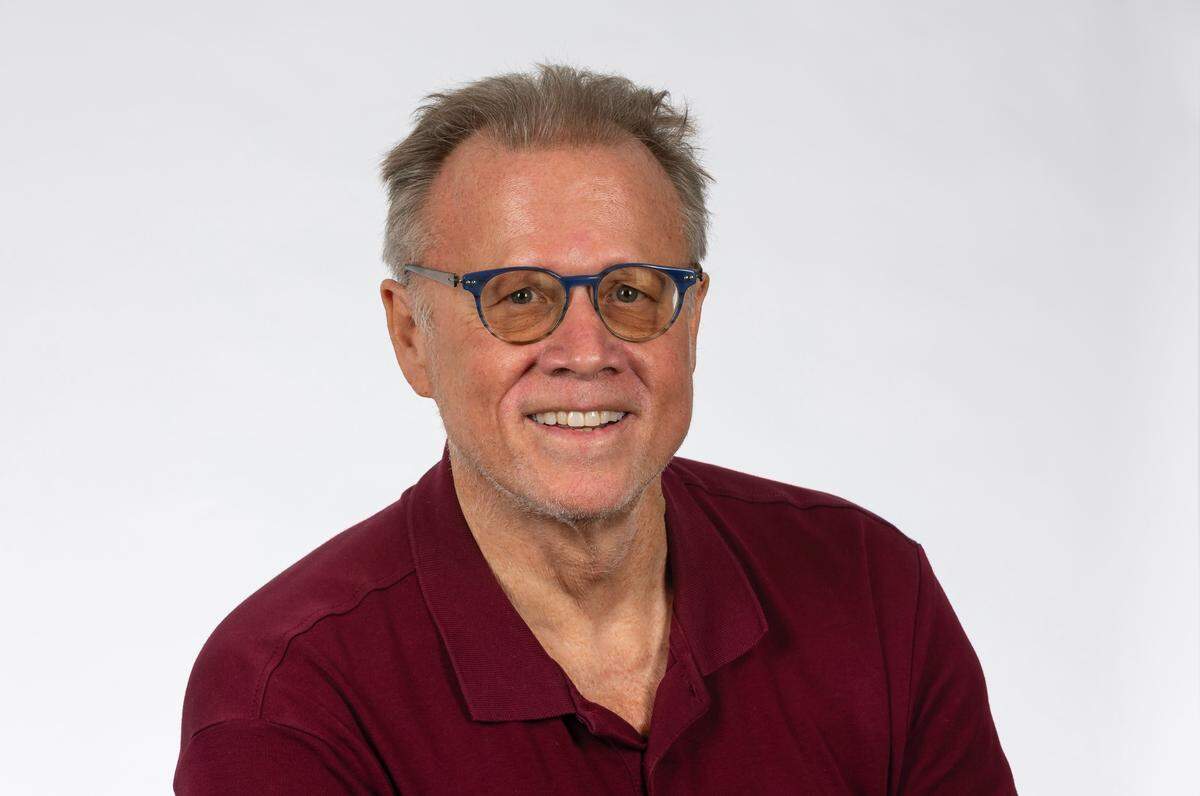
Murry Sill, who captured defining images of Miami, dies in a biking accident at 68
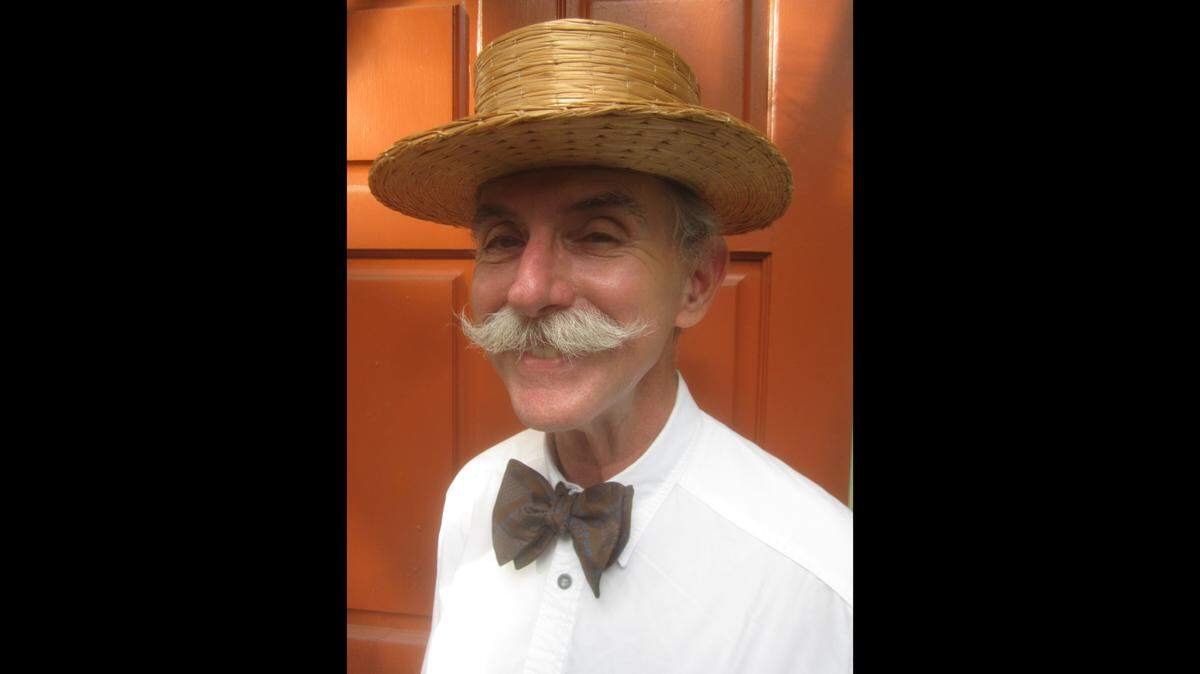
Colorful in his personal life, Murry Sill’s professional life as a news photographer was often revealed to the world in startling black and white.
Sill, 68, who died April 13 in Aventura from injuries in a biking accident, was a photographer for the Miami Herald and the defunct Miami News who captured some of the city’s most defining images.
Born in Camden, South Carolina, and educated at the University of South Carolina, Sill worked a short stint at the Aiken Standard before relocating to Miami for a job with the Miami Herald in 1978. He transferred to the competing Miami News in 1986 until that paper folded in December 1988.
“Murry was a very good documentary-style photojournalist who covered some of the major events in the history of Miami, and that included Nicaragua’s civil war,” said his colleague at the time, retired Herald photographer Tim Chapman.
So striking were some of Sill’s news images in that heated period in the Magic City they “put Miami on the Paradise Lost map,” Chapman said, referencing the infamous Nov. 23, 1981 Time magazine cover story that detailed some of South Florida’s problems in the early 1980s.
Among them: the McDuffie riots, as they came to be known.
Documenting McDuffie and Mariel
On May 17, 1980, a Tampa jury had acquitted four white Miami-Dade police officers in the December 1979 beating death of Black insurance agent Arthur McDuffie. The decision sparked three days of rage and heartbreak in Liberty City and nearby neighborhoods. When the violence ended, 18 people were dead, 400 were injured and property damage totaled $100 million.
Sill was there with his camera.
READ MORE: The day Miami was rocked by riot after cops cleared in McDuffie beating
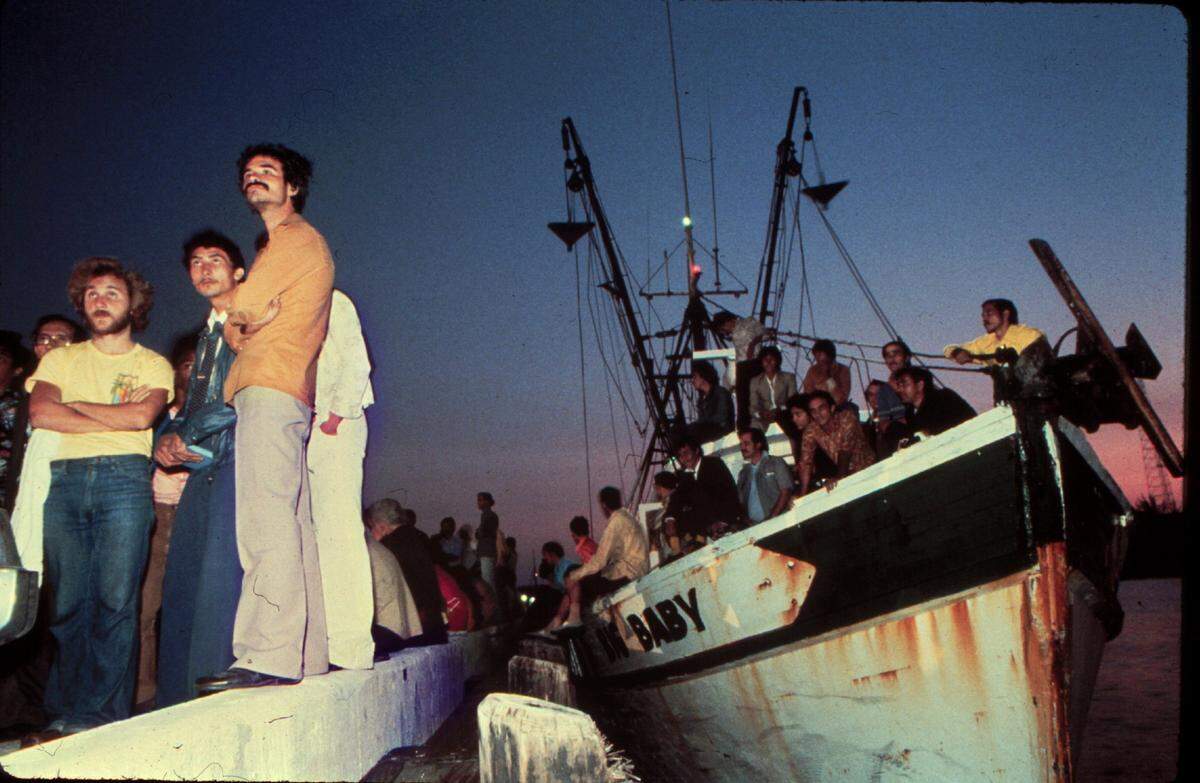
At the same time in that blistering 1980 Miami spring and summer, Sill was there to document the Mariel boatlift with his Leica lens. He sat on a boat in the Mariel harbor for a couple weeks to observe and shoot, Chapman recalled. Then he returned to Miami and Key West to document the local landings that would forever alter Miami’s makeup.
The massive exodus from the Cuban harbor packed 125,000 people aboard fishing boats, yachts, shrimpers and tugboats over a five month period that began in April 1980. Most of the exiles arrived in Miami, initially resettled in makeshift tent cities under grimy expressways ringing Miami’s skyline.
Legend has it in 1979 Sill became so entrenched covering the Sandinistas in Central America and the movement to oust the Somoza dictatorship in Nicaragua he disappeared for three weeks before emerging with his photos.
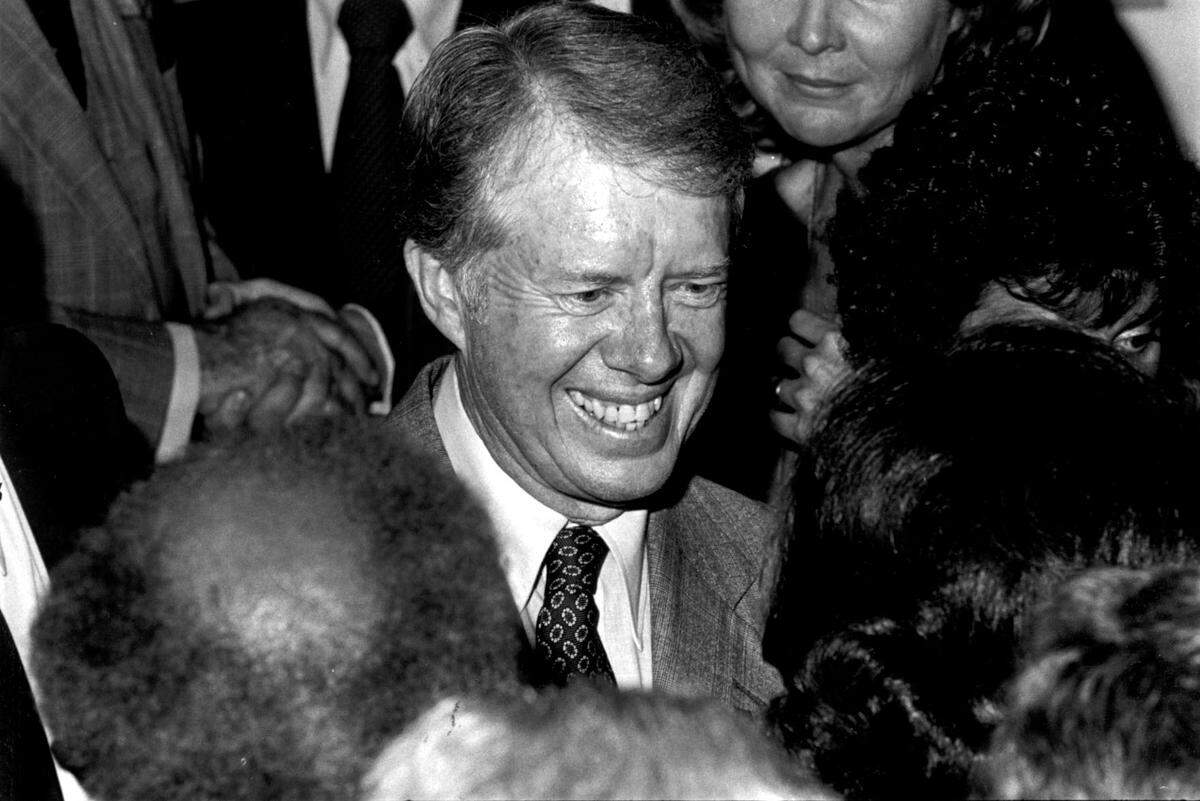
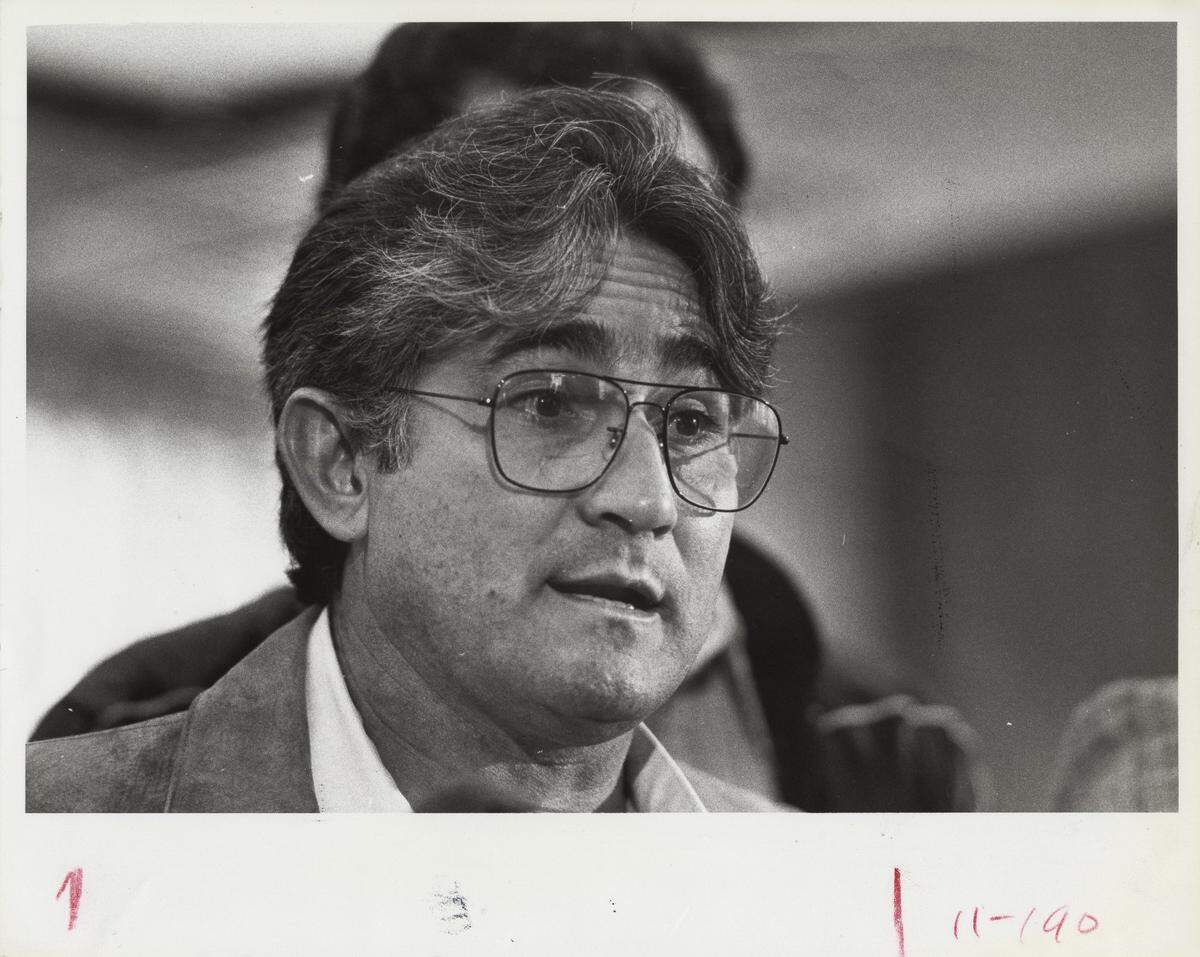
He’d capture world figures in Miami like then-president Jimmy Carter at the Fontainebleau Hotel in October 1978 and Edén Pastora, considered a hero of the 1979 Sandinista revolution who was known as “Commander Zero,” at Sweetwater City Hall in December 1985.
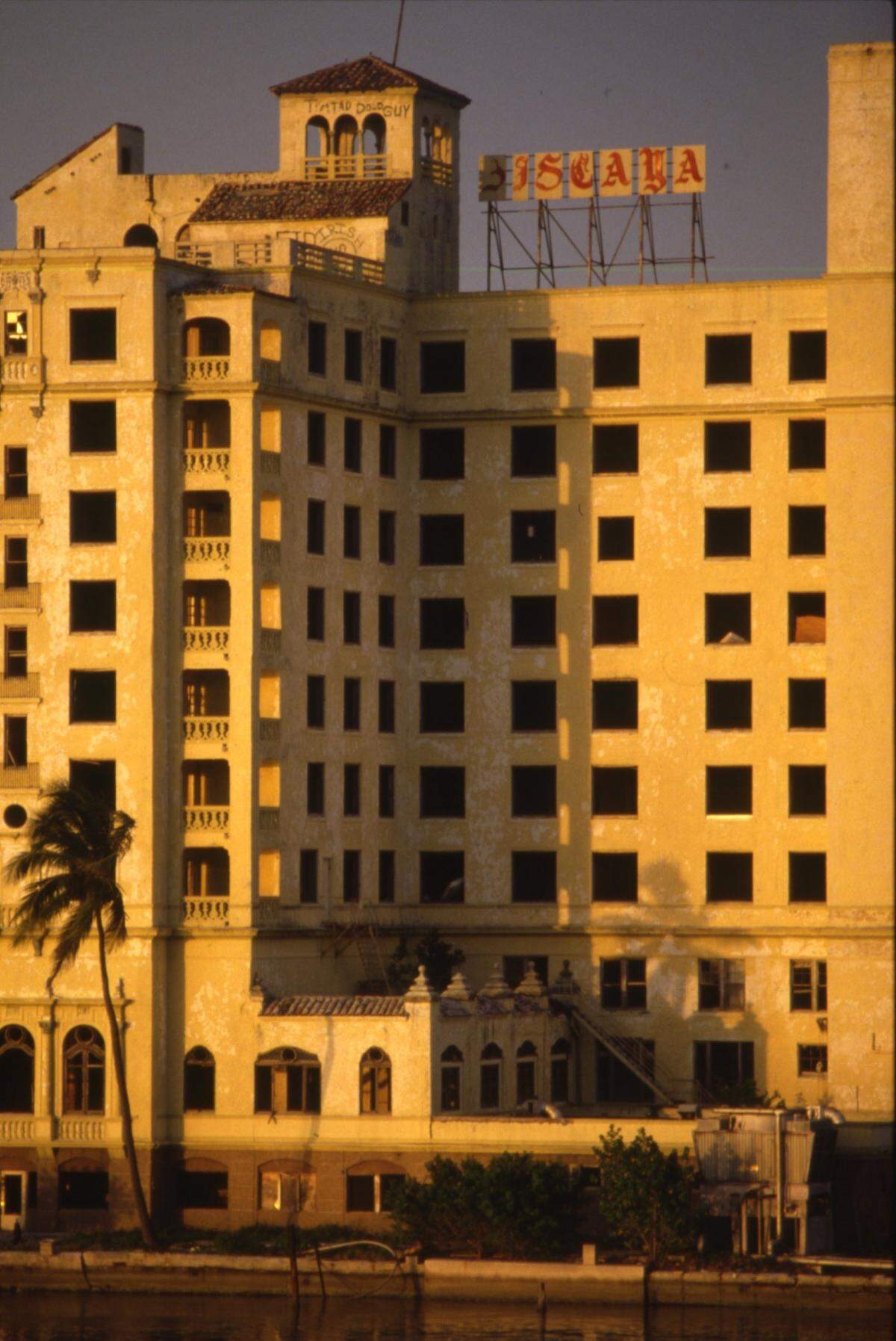
And he immortalized long gone South Florida landmarks like the Biscaya Hotel on Miami Beach’s West Avenue before its demolition in 1987.
Prince and Buffett
Yet at the same time Sill could also capture Miami’s lighter side — the side that liked to party and to attend pop concerts.
“In his journalism career he covered Central and South American Civil War correspondence, the Liberty City riots and Mariel boat lift; as well as fashion and society shoots, which he particularly enjoyed for the dress, drinks and food, all with his Leica tucked under his arms in his tuxedo jacket,” son Marlin Sill said in a email to the Herald.
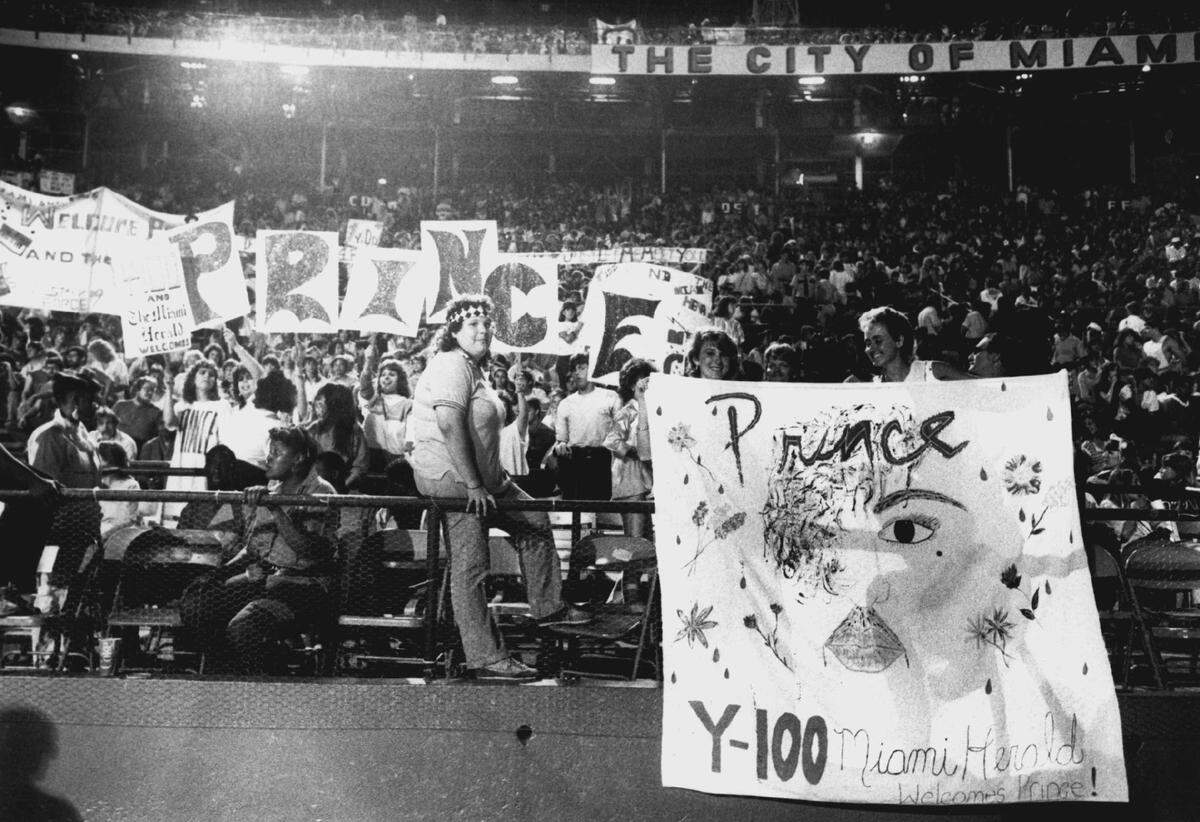
Sure enough, Sill and Chapman were assigned to cover Prince’s Purple Rain Tour concert at the long-gone Orange Bowl on an Easter Sunday in 1985. Given shooting restrictions, the two split their duties. Chapman shot the musician on stage. Sill trained his lens on the fans.
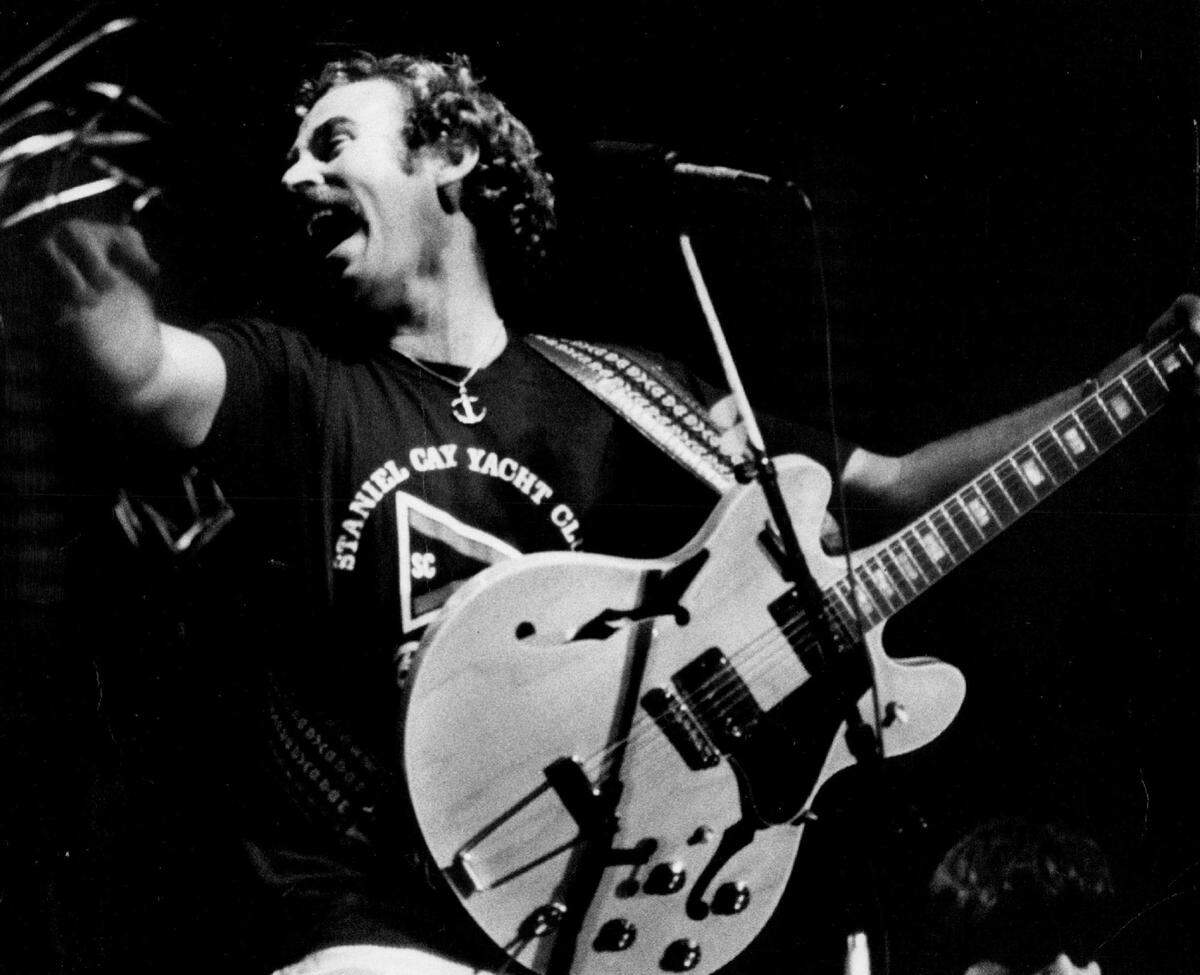
Sill also captured Jimmy Buffett on the Gusman theater stage in August 1978 at a concert that would be recorded for a landmark live album released that Christmas season titled, “You Had to Be There.”
South Miami science teacher
Sill, who lived and raised his family in his beloved Coconut Grove with his wife Ricky, was always “there.” Until he wasn’t.
After the Miami News ceased publication, Sill freelanced but eventually had enough of news photography. He turned his talents to academia.
Sill taught science at South Miami Middle School for 14 years, from 2004 to 2018.
“Murry was a great guy and possibly the best middle school science teacher in Miami-Dade County,” said former South Miami Mayor Philip Stoddard. “For six years I taught a week-long National Science Foundation-funded workshop to teach middle school science teachers how to make science more engaging for middle schoolers. Murry took the workshop but he was already there, the only participant who could have run the workshops in my place. He was a great craftsman to boot and a lovely guy.”
Said his Grove buddy Glenn Terry from his new home in Gainesville: “He took me on a tour of his part of the school once. He enthusiastically — he seemed to be enthusiastic about everything he did — told me how proud he was of his tricked out classroom, of his students’ progress and their many accomplishments.”
That mustache!
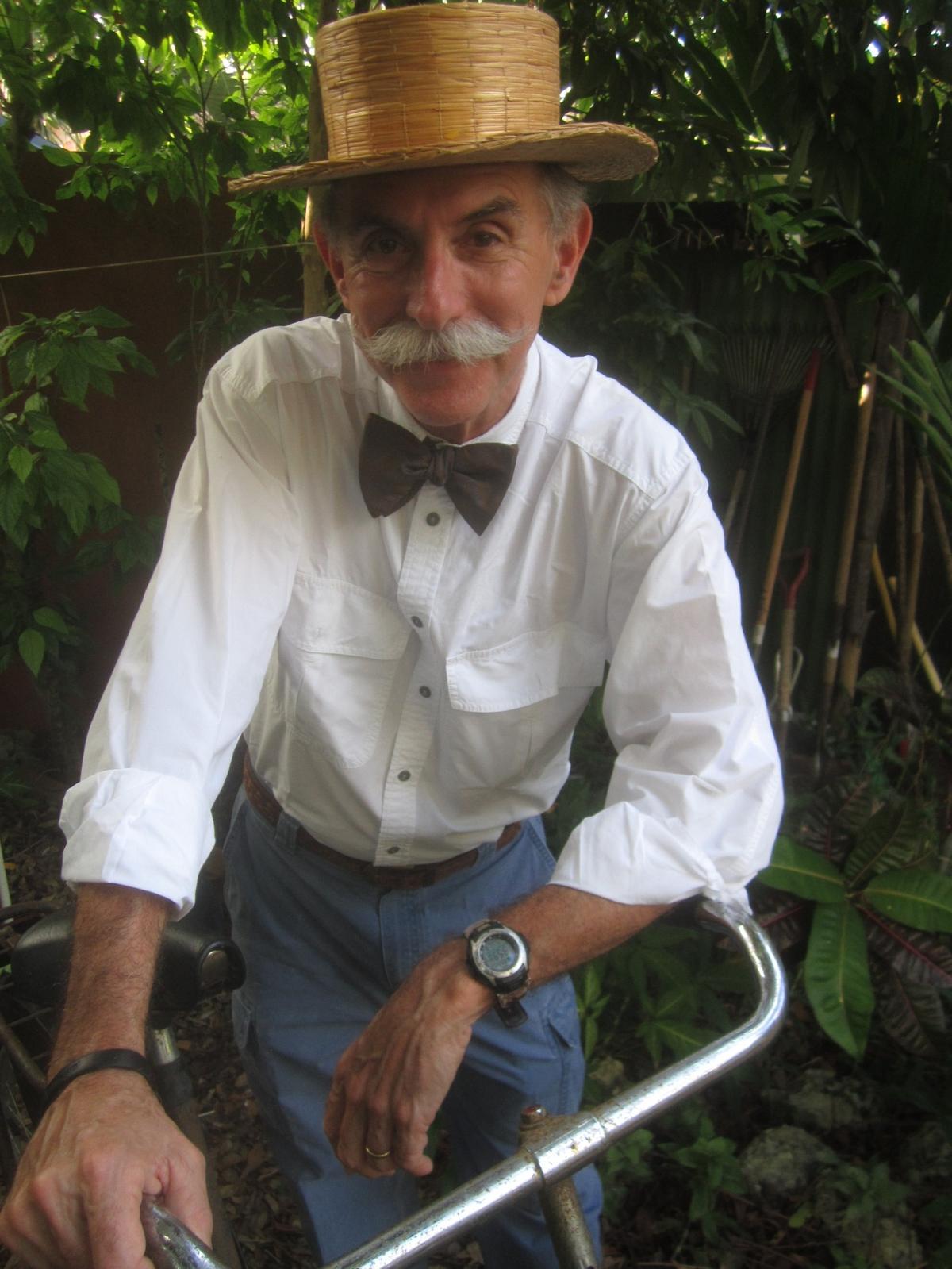
Friends and family recall that Sill enjoyed an active social life both pre- and post-children.
Sill met his wife Ricky while sailing in the Abacos. He loved sailboat racing and windsurfing and camping trips by canoe through Florida’s waterways.
“He was madly in love with his wife and kids and could not brag enough about the three of them,” Terry said. “He’s the only guy who sported a handlebar mustache his whole adult life. He was proud of that, too.”
That distinctive look came in handy at one of the famed King Mango Struts Terry had organized.
“Murry helped me with one of my many weird projects — King Mango’s Magical Mystery History Tour of Coconut Grove in 2015. With that ‘stache o’ his, I figured he could go back 110 years with ease. So, I had him riding my antique bike and complaining about the horseless carriages that were ruining the Grove,” Terry said in an email to the Herald.
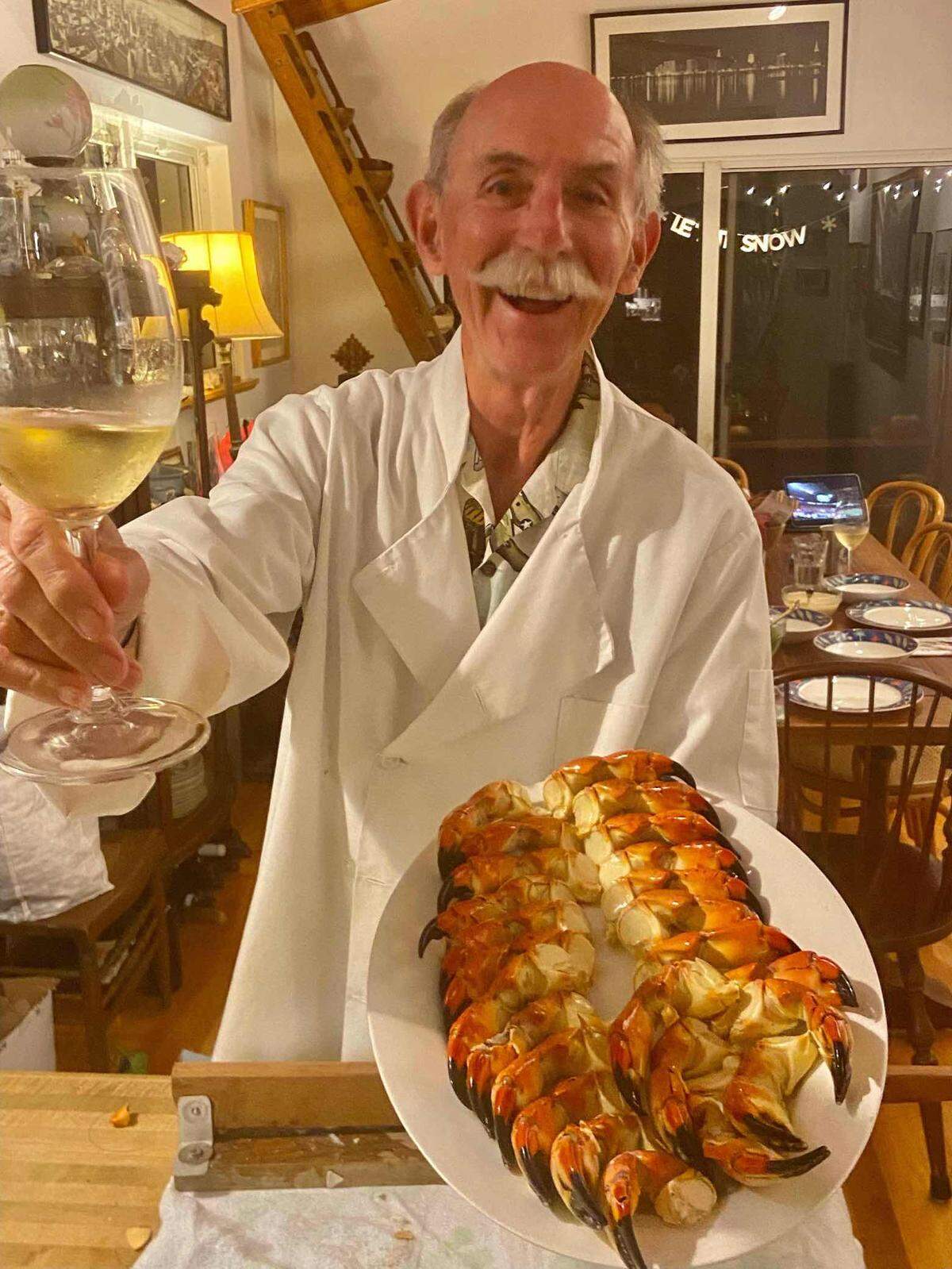
His family notes Sill was an Eagle Scout, an active wood turner and “considered the human equivalent of a Swiss Army knife. Had Murry been born first, we’d be calling it a Murry, not a MacGyver.” Loved good food, bourbon and dancing. And, oh, yes, the family notes, he was “famous for lighting his son’s pineapple upside-down cake on fire with 151-proof rum.”
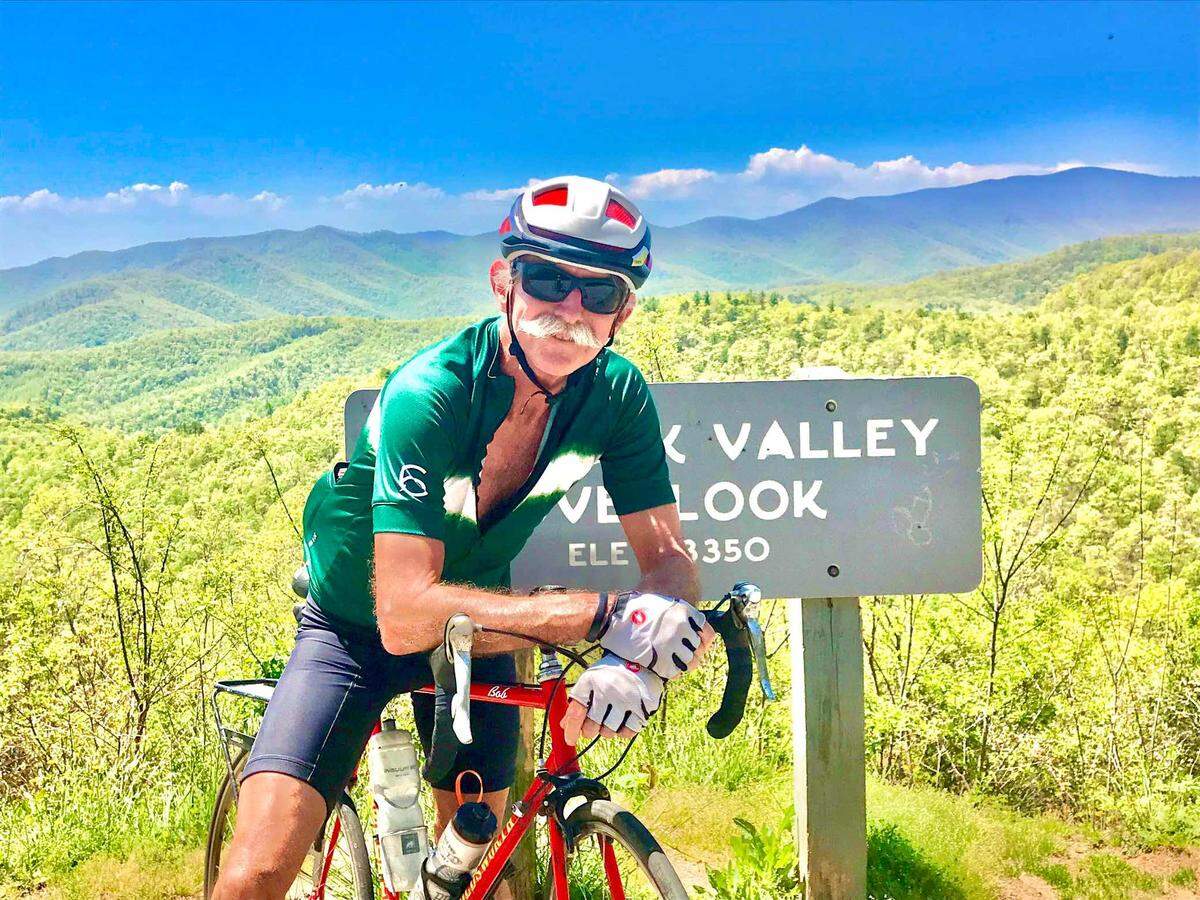
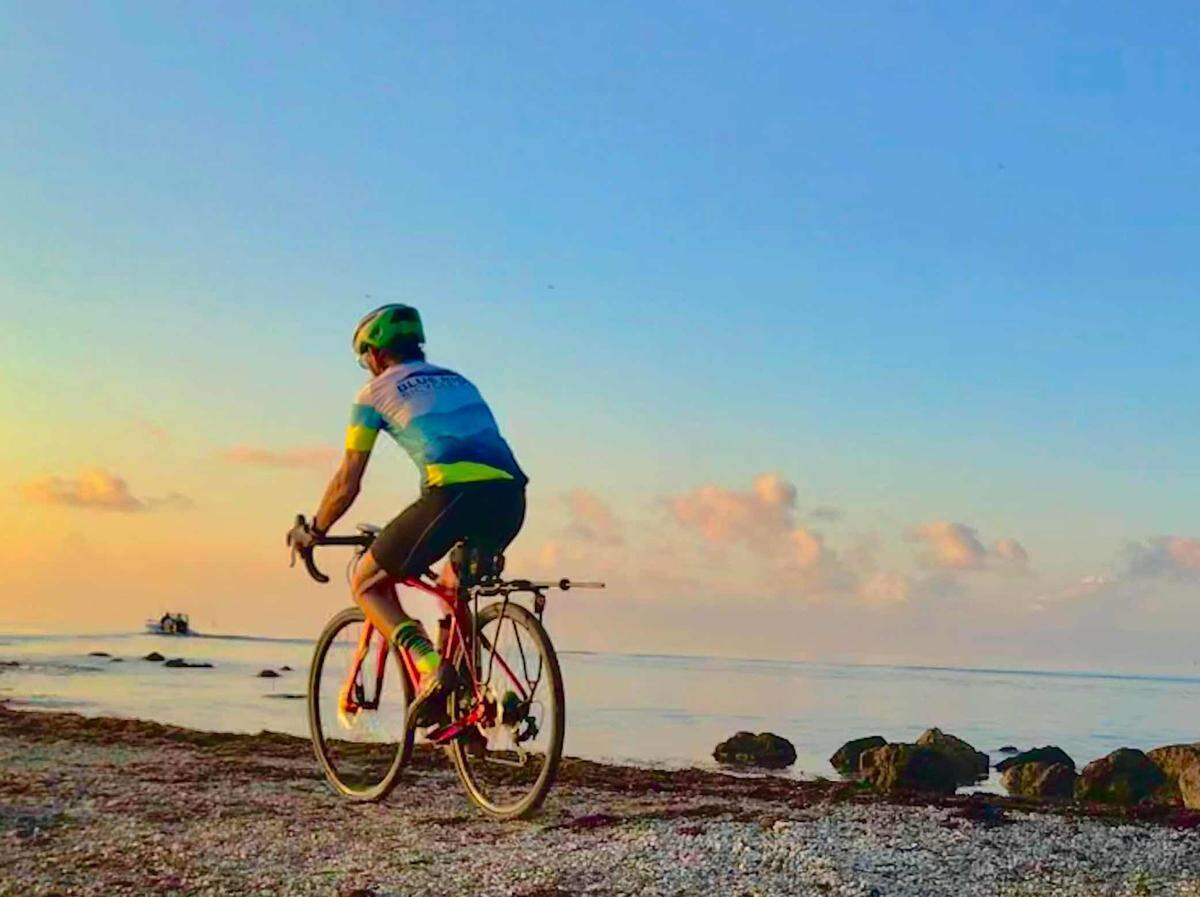
“When he wanted to strike out alone he’d roll over land on one of his five bikes.” He and daughter Savannah shared a love for biking which had taken them across the country and they had plans of conquering Europe by bike, the family said.
The bike accident
Tragically, biking is how Sills lost his life. He died in hospice care on April 13, three weeks after he left his Coconut Grove home around 6 a.m. on March 20, for his normal bike ride north towards Sunny Isles Beach, his family said on his Caring Bridge memorial page.
According to his family, some time that Sunday March morning, Sill fell from his bike around 170th and Collins Avenue. The how and the why remains a mystery. The family learned through other cyclists and a pedestrian who saw the fall that a car was not involved.
Sill was admitted to Aventura Hospital with three fractured ribs, a fractured collarbone, cervical and skull fractures. An emergency craniotomy was performed to remove skull fragments that had pierced into his brain tissue and to stop brain bleeding and to relieve intracranial pressure.
“He was a sweet, nice guy who got struck down doing something about which he was so passionate,” said his Coconut Grove neighbor and retired Herald books editor Margaria Fichtner.
Survivors, services
Sill’s survivors include his wife, Ricky Sill; children Marlin and Savannah Sill and sister Anne Demby. A memorial will be planned for some time in the fall. The family requests that any donations in Sill’s memory go to any of the following organizations: WNCW, The Underline, Blue Ridge Bicycle Club, The Friends of Commodore Trail, Green Mobility, Miami Learning Experience School or WDNA.
“Murry was the quintessential Southern gentleman/Coconut Grove character,” his family said.
This story was originally published April 16, 2022 at 1:10 PM.