
‘A legal giant.’ Mario Goderich, pioneering Cuban-American judge in Miami, dies at age 89
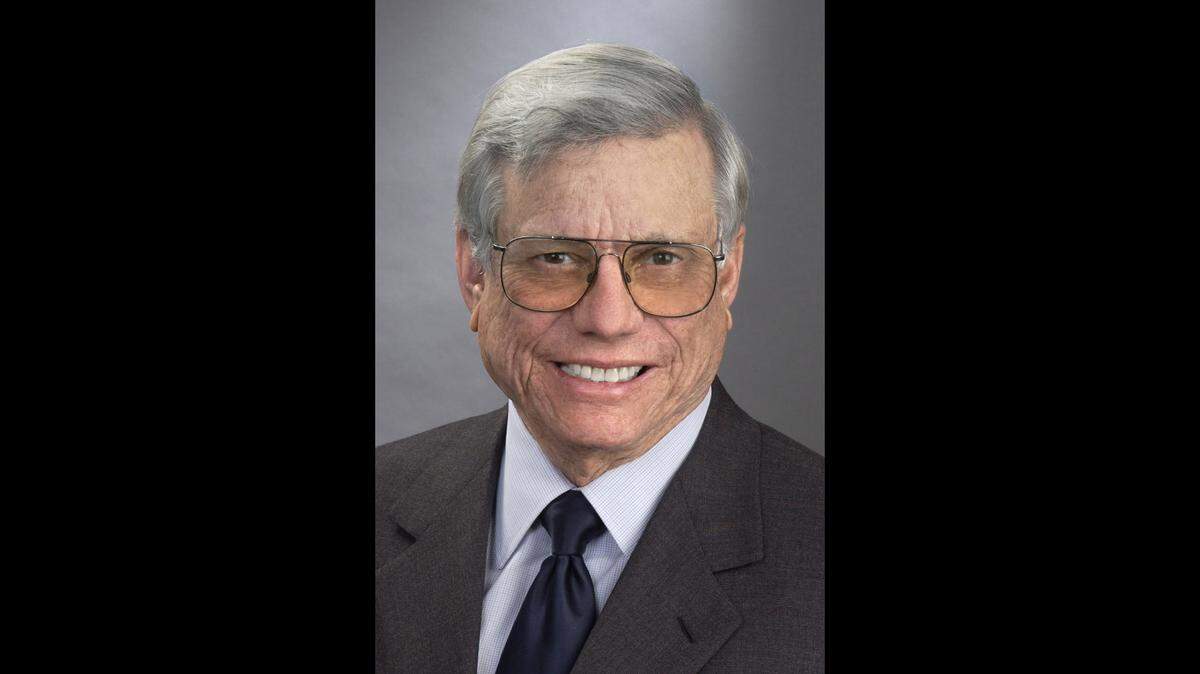
Mario P. Goderich, a pioneering Cuban-American legal legend known for his calming presence on the bench, has died at age 89.
Goderich was the first Cuban American to serve as a workers’ compensation judge, a circuit judge and an appellate judge in Miami. He was also one of the founders — and served as the first president — of the Cuban American Bar Association (CABA) in the mid-1970s.
A viewing will be held for Goderich on Tuesday, 6 p.m. to 9 p.m. at Stanfill Funeral Home, 10545 South Dixie Hwy., in Miami.
“Mario will be remembered as the trailblazer he was, and his memory will continue to pave the way for others,” his family wrote in his obit.
“Judge Goderich was a legal giant, a kind soul, an incredibly accomplished lawyer and jurist, achieving many firsts as a Cuban American,” said Coral Gables City Attorney Miriam Soler Ramos, CABA’s current president. “I know I speak for all of CABA’s leadership, past and present, when I say that I am eternally grateful to him and CABA’s founders for establishing this groundbreaking and important organization.”
Born in Santiago de Cuba in 1932, Goderich attended Massanutten Military Academy in Virginia before returning to the island to enroll in the University of Havana’s law school. He earned his law degree in 1957, and practiced under the firm of Castellanos & Goderich.
After dictator Fidel Castro took control of the island, Goderich immigrated to South Florida, where he had no choice but to work various low-level jobs, including manning the front desk at a Miami Beach hotel, IBM clerk and even part-time school bus driver.
Goderich eventually graduated from the University of Miami’s law school in 1968. One year later, after becoming an American citizen, he was admitted to the Florida Bar and became the director of UM’s law library.
“Life was so established in Cuba that I don’t know if I would have grown in character and in strength if I had not had to struggle the way I did in this country,” Goderich later told the Herald. “It was a learning experience, a growing experience.”
In 1975, Gov. Reubin Askew appointed Goderich, then 42, to the Court of Industrial Claims, better known as workers’ compensation court — the first Cuban American to hold a position there. His first court reporter was Neyosa Sosa.
“I was a real novice, just two weeks out of court reporting school. He was incredibly kind and patient with me, and helped me see areas where I needed to improve,” Sosa said.
Goderich, who also served then as a member of Dade County’s Community Relations Board, was an advocate for minority representation. At a community forum with top officials from President Jimmy Carter’s administration in September 1978, he complained about the lack of Black and Hispanic judges.
“The administration of justice is entirely alienated from the psychology of minorities,” Goderich told the forum.
In 1978, Askew appointed Goderich to the circuit bench, again the first Cuban-born lawyer to hold that title. “I can’t believe it. I have wanted it for so long,” he told the Herald.
In circuit court, he worked in various divisions, including juvenile and felonies. Throughout the 1980s, he presided over countless major felony cases, helping mold young attorneys who today are among the most seasoned at the Richard E. Gerstein Justice Building.
“Back then, so many judges challenged young lawyers and gave them a hard time and made their courtrooms feel like closed cliques,” said defense lawyer Philip Reizenstein, who then was a prosecutor. “Judge Goderich was opposite. Maybe because he had the immigrant experience and knew what it felt like to be on the outside.”
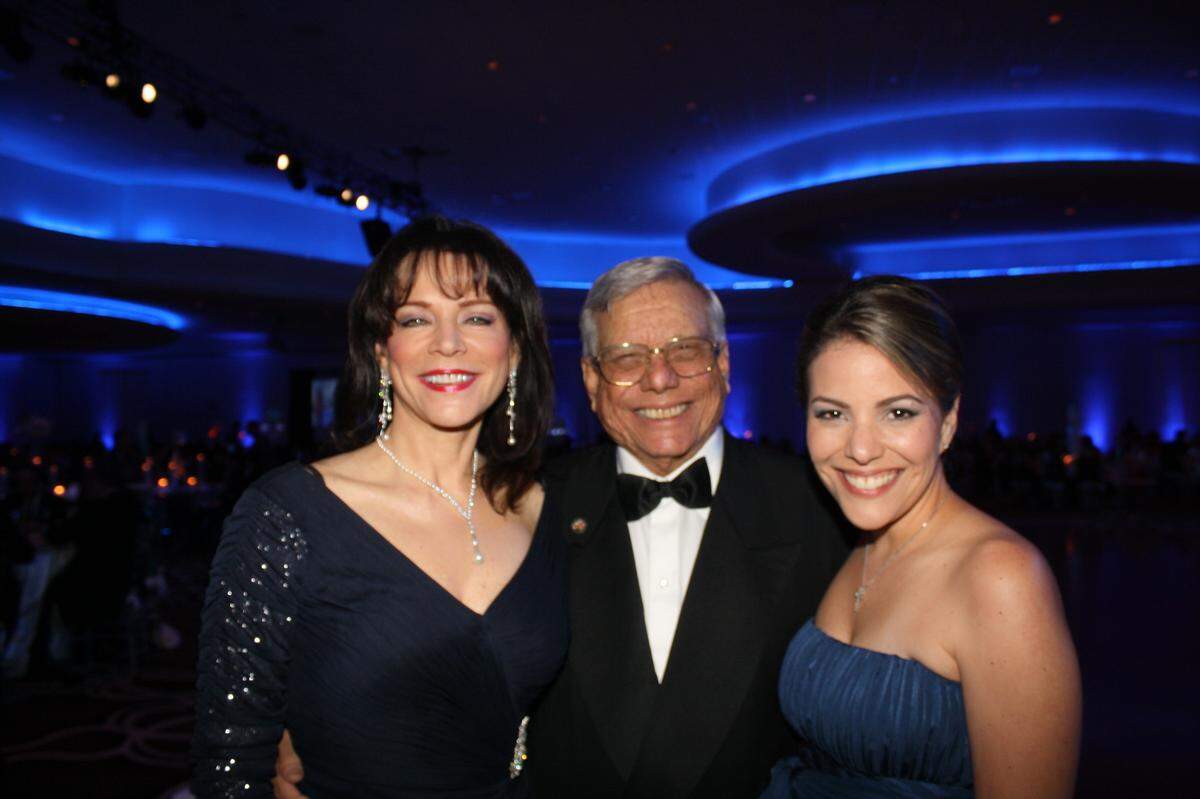
That calming demeanor continued when Goderich, in 1990, became the first Cuban American to sit on the Third District Court of Appeal.
Christine Zahralban practiced in front of him for years, first as an intern, then as an attorney, for the Florida Attorney General’s Office, which handles appeals.
“He was one of the most polite and intelligent appellate judges. If I was nervous or my case was particularly complex, I focused on Judge Goderich because his kindness helped me to tune out the background noise, find my confidence and hit my stride in making my best appellate arguments, even when he disagreed,” said Zahralban, who today is the head of the Miami-Dade State Attorney’s Office legal bureau.
He retired from the Third DCA in 2005, joining the law firm Gunster & Yoakley and becoming a mediator. He was also an avid tennis player and traveler.
“The last time I saw him was about 5 or 6 years ago at Versailles restaurant,” said Sosa, his former court reporter. “Ever the gentleman, he paid for my lunch, and said goodbye with a big smile.”
This story was originally published February 14, 2022 at 1:12 PM.