Art Metrano, star of ‘Police Academy’ movies and dozens of TV shows, dies at 84 in Aventura
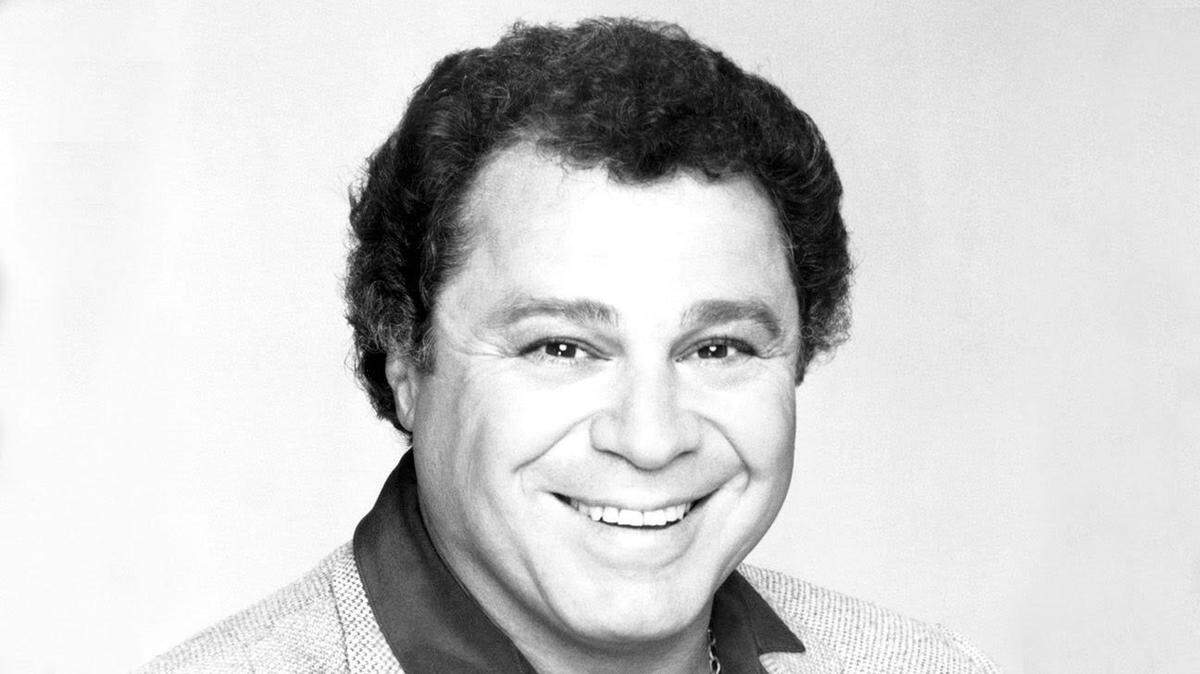
Actor and comedian Arthur “Art” Metrano relied on his body and millions laughed when he had his national breakthrough in 1970 on “The Tonight Show Starring Johnny Carson.”
In his “The Amazing Metrano” segment, he made his fingers jump from hand to hand while humming a 1930s show tune. The routine led Carson to fall out of his seat in laughter and earned Metrano a coveted invitation to take a couch seat next to the host.
But Metrano’s most famous use of his body might have been when his Lt. Mauser character mistakenly used epoxy as shampoo in a scene from “Police Academy 2: Their First Assignment.”
And when that body betrayed him after a nearly deadly fall from a roof that broke six vertebrae in his neck, Metrano turned that experience into a one-man show that made South Florida audiences laugh — and cry — and feel inspired.
“That is the focal talking point, his resilience,” his son Harry Metrano said about his dad on the eve of his funeral. “He had been through so much beside just breaking his neck. He overcame adversity. As he got older he had multiple surgeries on his back and his neck and every single time he would bounce back almost like he was indestructible. But we’re not all indestructible and his spirit will live on.”
Art Metrano died at his Aventura home on Wednesday, Sept. 8, of natural causes, his son said. He was 84. It had been a tough year. Previous injuries and age finally caught up with him.
But Metrano went out as he lived. Tough and inspiring.
“He never let anything hold him back. He even went out on his own terms,” his son said. “In his final days he knew his time had come and he didn’t want to be in the hospital. He told his wife he wanted to be home.”
Metrano’s many film, TV roles
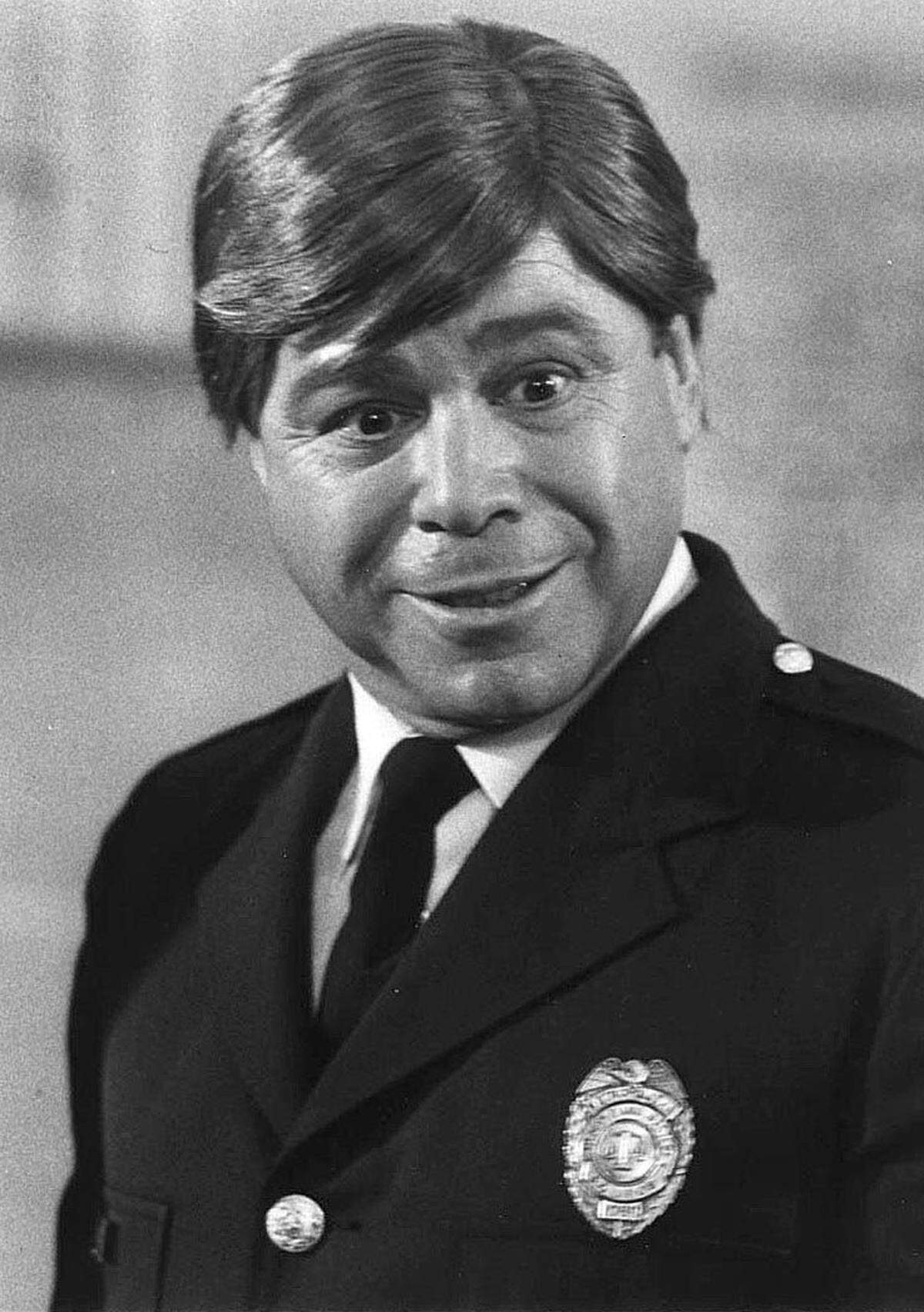
You probably know Metrano best for his part as the hapless Lt. Ernie Mauser in “Police Academy 2” in 1985 and “Police Academy 3: Back in Training” in 1986.
Or as Jack, one of two robbers who hold up Archie Bunker’s bar on Super Bowl Sunday on an eighth-season episode of “All in the Family” in 1978.
Or as Max in director Sydney Pollack’s 1969 film drama, “They Shoot Horses, Don’t They?” with Jane Fonda.
Or his numerous roles from 1960 to 2001 in movies and TV shows including “How Stella Got Her Groove Back,” “The Heartbreak Kid,” “Bewitched,” “The Golden Girls,” “The District,” “Party of Five,” “Hill Street Blues,” “Barney Miller,” “WKRP in Cincinnati,” “Kolchak: The Night Stalker” and Mel Brooks’ “History of the World: Part 1.”
South Florida business owner
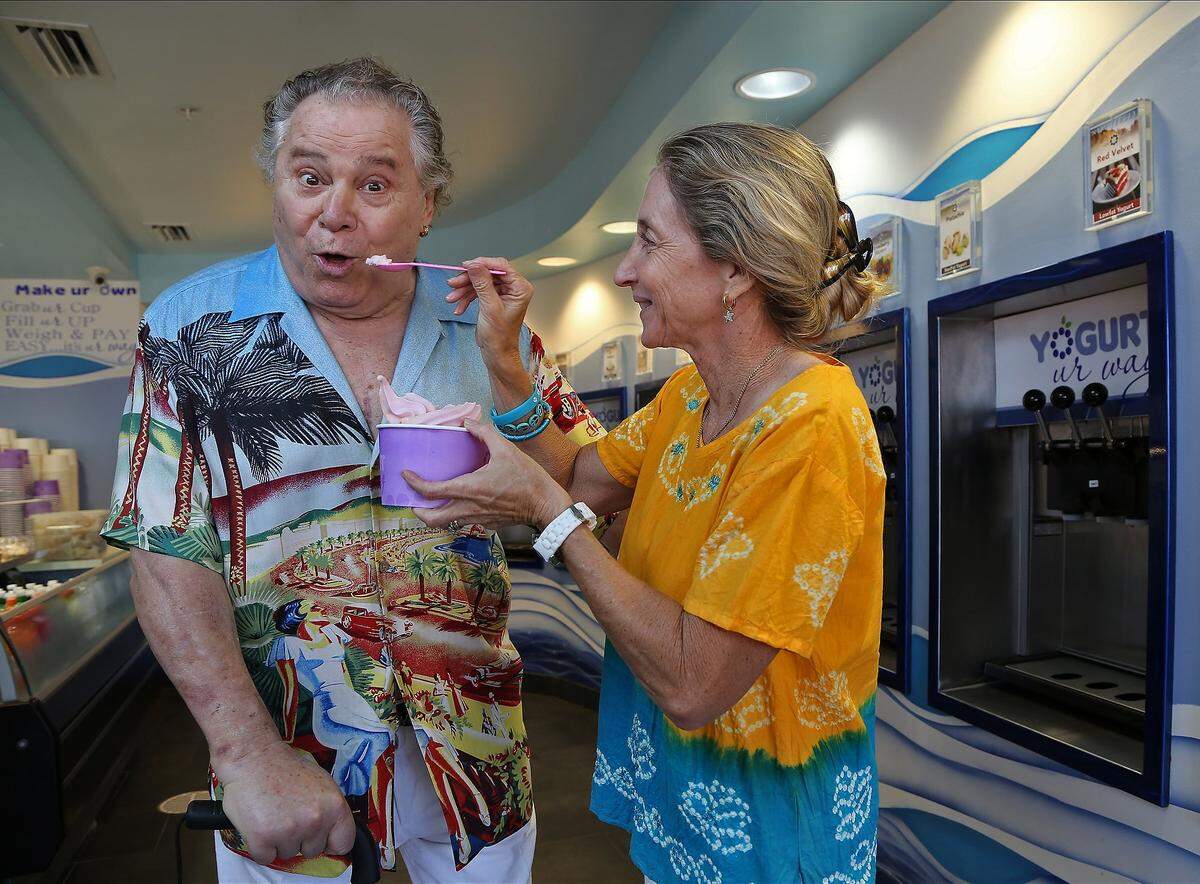
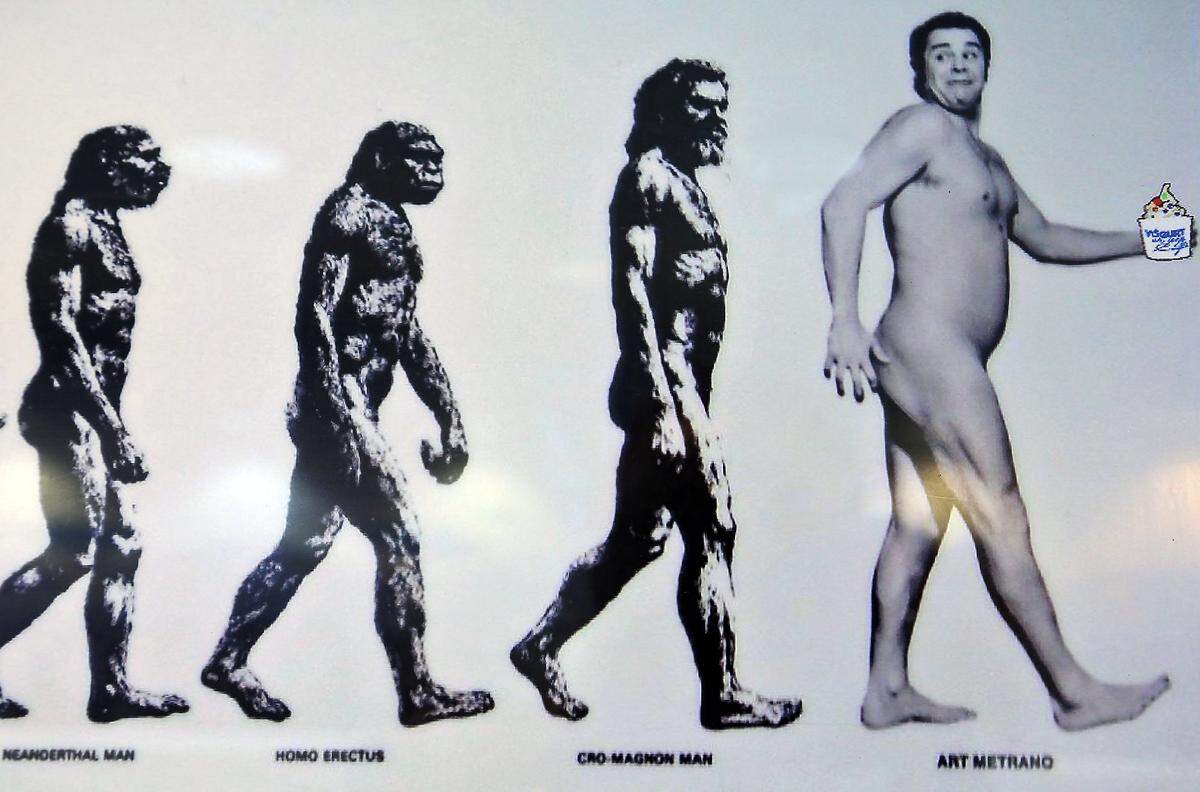
Metrano was also a business owner. After moving to South Florida from California in 2002, he opened Yogurt Ur Way on Las Olas Boulevard in Fort Lauderdale in 2011. In 2012, Metrano expanded to a second shop on Hollywood Beach’s broadwalk that his wife, Jamie, will now run, his son said. There, he tapped into his comedic gifts by posing as an image from the evolution of man but superimposing a yogurt in his hand.
In the 1970s, while juggling acting roles he also had opened a “New York hot dog store” in Beverly Hills and, with late actor Burt Reynolds, a West Hollywood deli, The Hollywood Reporter reported.
‘Toughest, funniest’ guy in the room
Those are some of the many reasons others may remember Art Metrano and his son will name two favorite performances, in particular, that many will recall.
But first, he wants you to know about Metrano as a man: The loving husband, father, and grandfather roles he mastered as deftly as stepping into the goofy Lt. Mauser character or a rock band manager in the short-lived “Happy Days” ‘80s spinoff, “Joannie Loves Chachi.”
Metrano was born the youngest of six kids in a Sephardic Jewish family in the Bensonhurst section of Brooklyn, on Sept. 22, 1936. Dad was a garment manufacturer — who would prove merciless in his disciplinary approach to a rambunctious son. Mom was a nurturing housewife, from whom he acquired his sweeter side, Metrano’s son said.
Metrano learned young to be scrappy. He played football for the College of the Pacific in Stockton, California, before working as a stand-up comic in the Catskills and pursuing his acting career in Los Angeles in the 1960s.
“The main thing is I always saw my dad as the toughest guy in the room and always the funniest guy in the room,” Harry Metrano said. “He could be scary to push you to be your best but he could also make you laugh in the toughest of times. Ultimately, my father was such a strong individual. I mourned a couple days in the morning and then I thought, ‘Would my dad want me to be this way or would he want me to get up and do something to honor his life?’ Because I know that is what he would do. He would be sad and share that emotion but I know he would get up off his ass and honor someone close to him.”
Breaking his neck
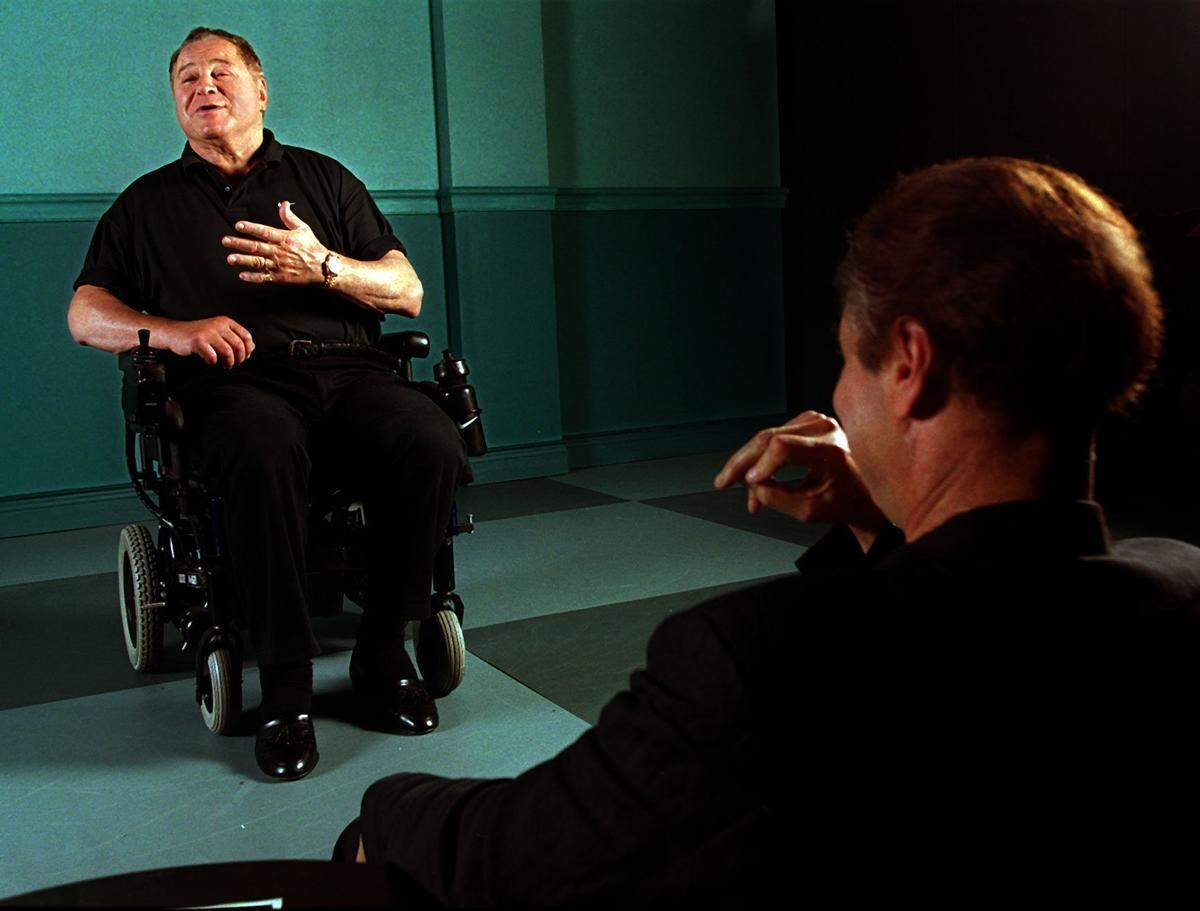
That resilience would come to its biggest test on Sept. 17, 1989.
Sure, he’d been shot in the leg and stabbed and nearly killed by a parking lot attendant who wanted $4 more than he’d been paid in New York in the 1970s. That was rough.
To pay for acting classes, Metrano worked as a hairdresser in New York’s then sketchy Times Square. Some of Metrano’s clients were prostitutes, he told the Miami Herald in 2001, sharing that when the hookers couldn’t pay for his services in the traditional sense, they’d compensate him in their traditional way. That was maybe not quite so rough.
But then came that September Sunday morning, a vivid day “that will stay with me until the day I die,” Metrano told the Herald. That was rough.
Metrano said he was using the money he’d made flipping houses “instead of hanging out like a lot of actors do waiting for their agent to call” and washing off the balcony on one of them. The extension ladder gave way and Metrano fell backwards and hit the unforgiving ground.
“I broke my neck in six places. Including the notorious ‘hangman’s break.’ And I was totally paralyzed from the neck down. And it was just a whole set of circumstances, it was awful, and it changed my life,” he told the Herald in 2001.
After 21 operations, and times during a tortuous recovery when he contemplated suicide, Metrano wrote and later performed “Jews Don’t Belong on Ladders — An Accidental Comedy,” a poignant one-man show gleaned from his journals. He wanted to help others cope with spinal cord injuries. The harrowing and hilarious show played an extended run in Los Angeles in 2000 and raised more than $175,000 for Project Support for Spinal Cord Injury.
Renamed “Metrano’s Accidental Comedy,” his performance then ran at the Coconut Grove Playhouse in 2001 and many times since, including at the Colony Theater in Miami Beach in 2009. Metrano turned the play into a book in 2004.
“The reward comes with the people who surround me after the show, who tell me about the adversity in their lives and how I have given them hope,” Metrano told the Herald.
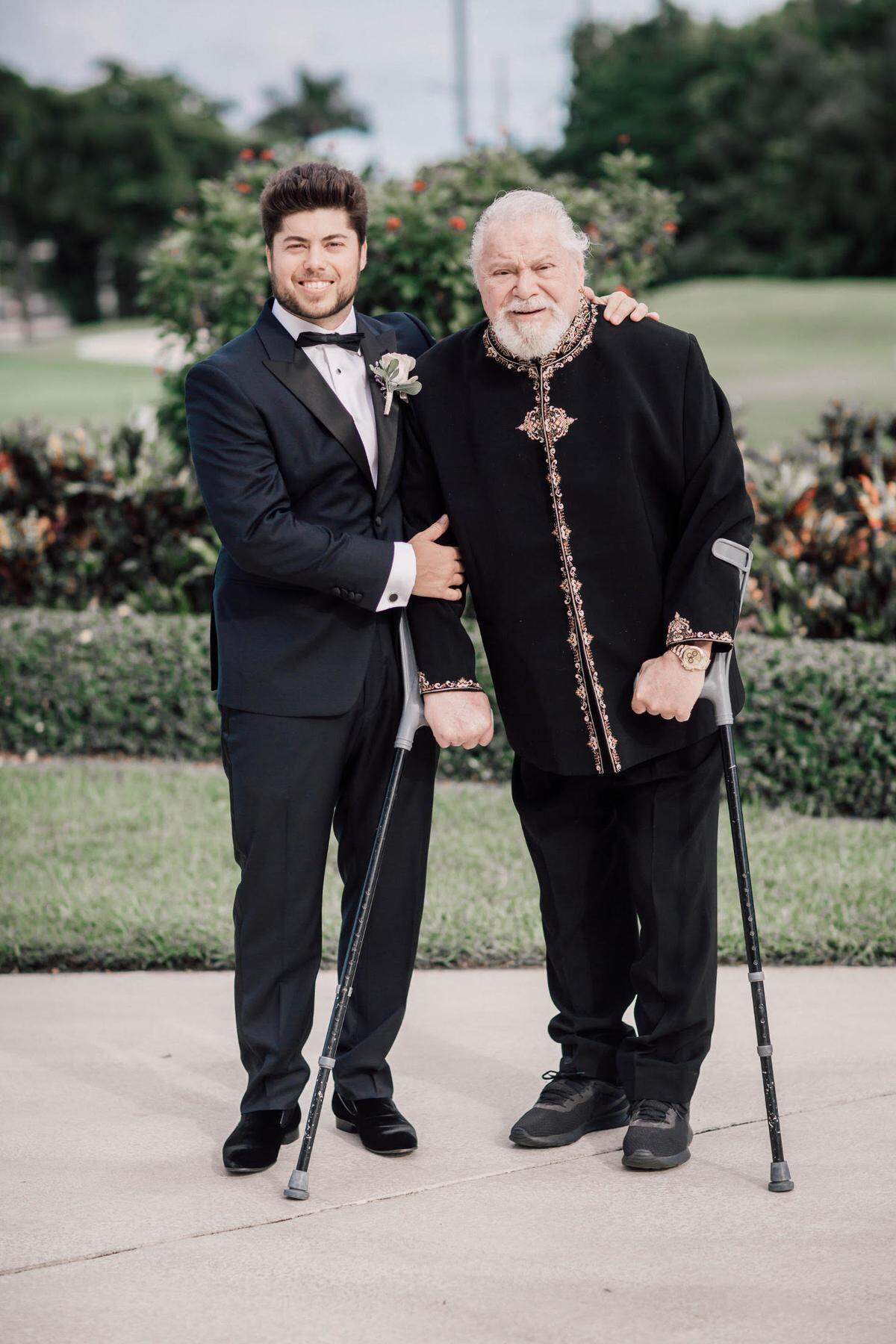
His son Harry, who moved to South Florida in 2018 when he married his wife Melissa, was about 5 when his dad had the accident in California.
“Just growing up with him I couldn’t play sports with him or certain things, but he was always there. He was always at my football games. He never made any excuses even when he was in pain. He always showed up and never let anything get in his way — even something as scary as breaking your neck,” he said.
“I find myself correcting my posture. My dad had told me not to look weak, always look like the most aggressive man in the room. Whenever I find myself slouching I think to stick my chest out and roll my shoulders back and not look weak,” Harry said.
“Sometimes he was a tough guy and then his sweetest moments were with people who suffered,” Metrano’s son said. “He always had words of encouragement. He could charm anybody and in your darkest days you could talk to him and he would uplift you and make you see the light. In these days of cell phones and people who hide behind screens, he never hid behind anything.”
And always, that sense of humor. When he lay on the ground for nearly an hour waiting for paramedics, one asked him, “Are you allergic to anything?” Metrano responded, “Yeah. Rap music.” The quip made its way into “Metrano’s Accidental Comedy.”
Son names Metrano’s best scenes
And the laughter brings his son back to his personal favorite performances out of all of his father’s dozens of roles.
“The emotional swing of ‘Police Academy’ where they put the epoxy glue in his shampoo was by far the greatest scene of his career in my opinion,” Harry Metrano said.
The segment goes on for at least three R-rated minutes with the fearless Metrano butt naked, his hands stuck to his hair, and his fellow police academy colleagues reacting in mock horror to his plight as he gets locked outside the precinct’s locker room.
“My friends and I also joke about that scene in “Breathless” with Richard Gere where he had a small role as a Mafia type. He had the line, “the moolah in the coolah.” So my friends and I always say that,” his son said. “Recently, in a fantasy football game, I said I’ll collect the money. They said, ‘Make sure you put the moolah in the coolah!”
Survivors, services
Metrano’s survivors include his wife Jamie; his children Harry, Zoe, Roxanne and Howard; grandchildren and great grandchildren; first wife Rebecca; “and his cats whom he loved so much,” his family said.
A funeral and celebration of life will be at 11:45 a.m. Sunday, Sept. 12, at Star of David Memorial Gardens Cemetery and Funeral Chapel, 7701 Bailey Rd., North Lauderdale.
This story was originally published September 11, 2021 at 4:50 PM.