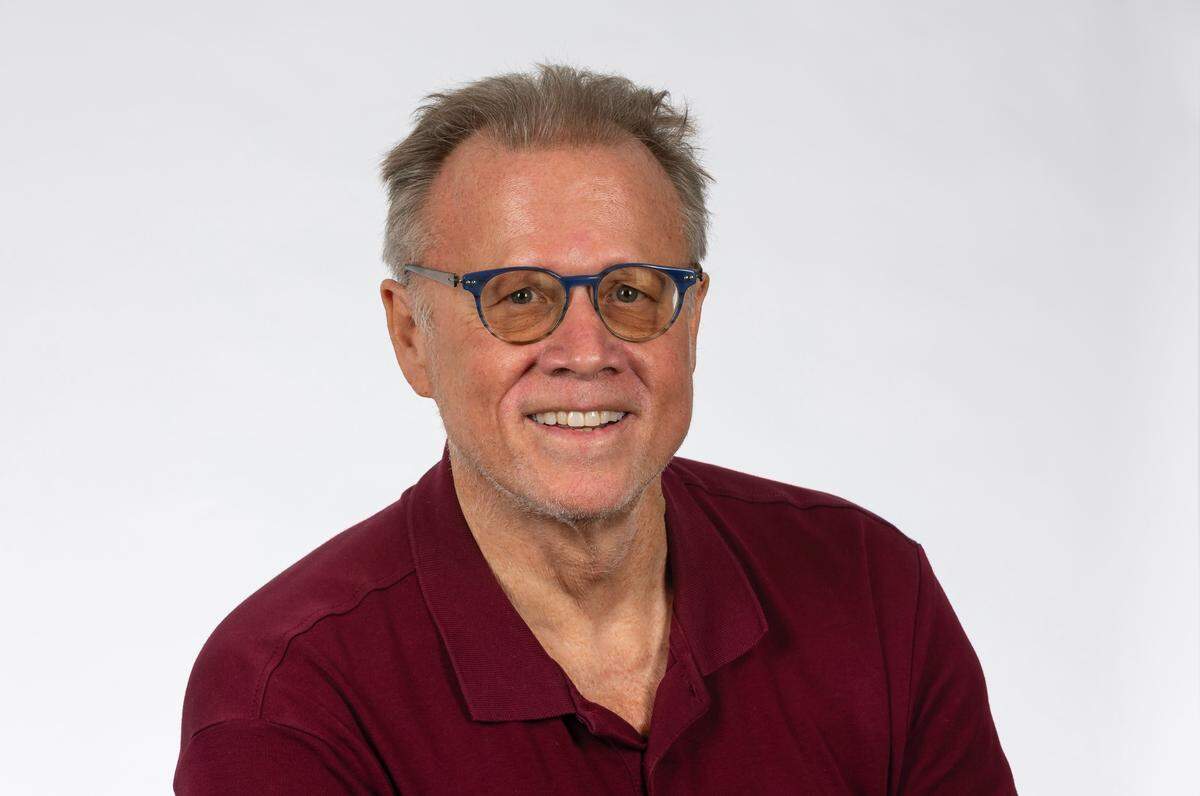
Architect Terence Riley, who helped put Miami ‘on the worldwide cultural map,’ dies at 66
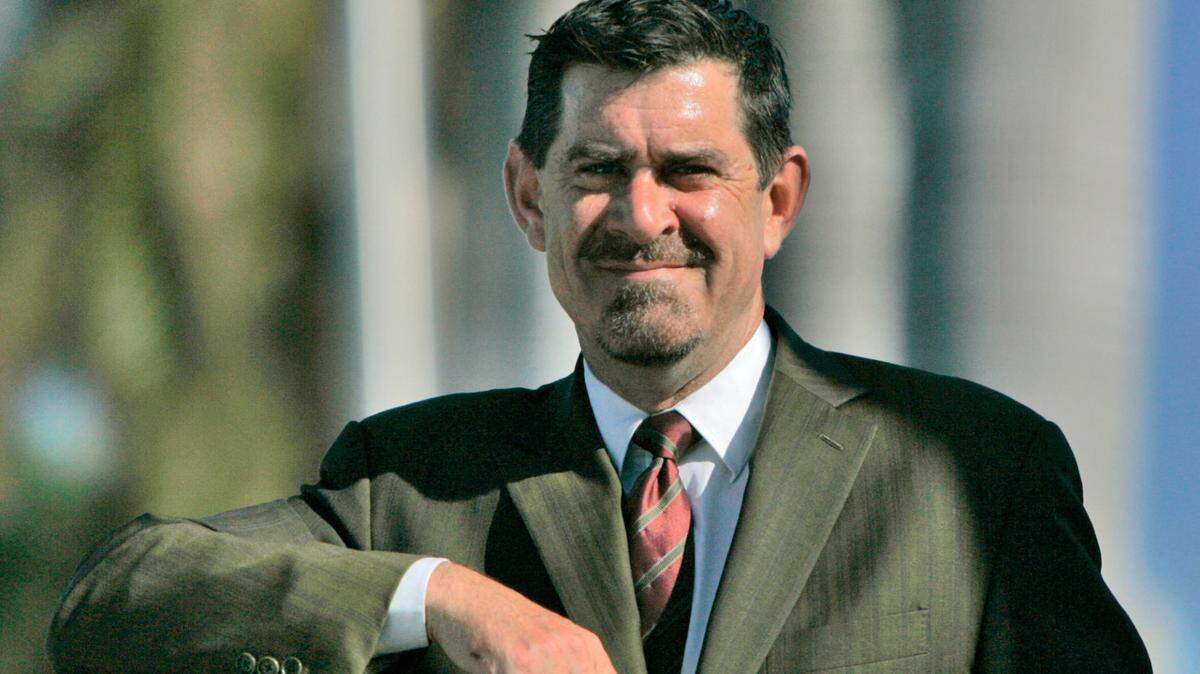
Terence Riley, who “created a new paradigm for today’s museum” in two cities — Miami and New York — has died, friends and associates said.
The renowned architect, museum director and curator, professor, critic and author died Tuesday morning in Miami. Riley was 66. A cause of death was not given.
His visual imprint on South Florida will endure for generations, experts say.
“In his too-short life, Terry Riley changed the world in many ways. His intellectual scope was astounding and curiosity infinite,” said writer Beth Dunlop, a former architectural critic for the Miami Herald.
“As a curator at the Museum of Modern Art in New York, he brought wide attention to lesser-known architects from around the world and focused on ideas that affect how and where we live. As a consulting architect to the Miami Design District, he adeptly led the way to turning art into architecture and architecture into art,” Dunlop said.
Building PAMM
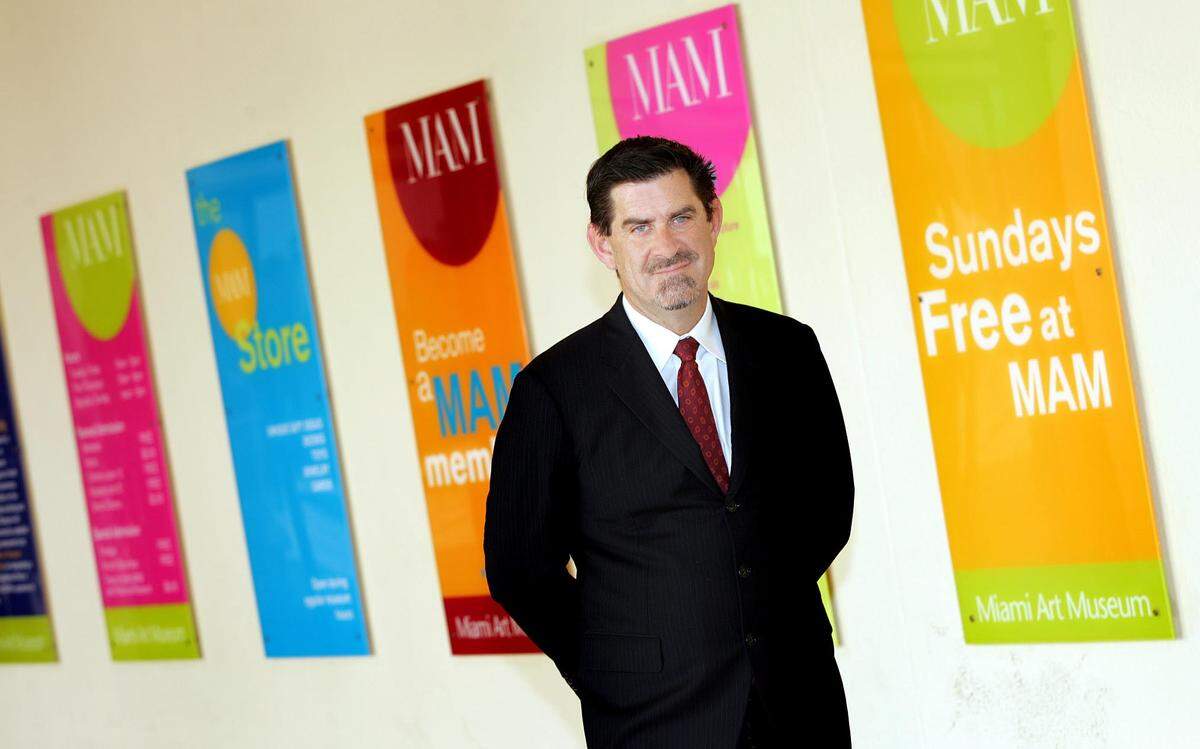
But his work on downtown Miami’s art museum might have been his biggest achievement.
“His most significant achievement was the selection of Herzog & de Meuron as the architects of the Pérez Art Museum Miami, which in my mind is Miami’s finest contemporary building, along with Frank Gehry’s New World Center. The concept for and design of PAMM created a new paradigm for today’s museum, one that puts art as the focal point of a civic gathering place with architecture that, though entirely of its time, evokes past and present, with a strong sense of both place and purpose,” Dunlop said.
Added René Morales, director of PAMM’s Curatorial Affairs and current chief curator: “Terry Riley’s contribution to Miami’s cultural development has been profound. He took the helm of our institution, known then as the Miami Art Museum, at a critical juncture, just as our dreams of creating a new facility first began taking shape.”
Riley tapped his deep knowledge of modern and contemporary architecture to select the Swiss-based Herzog & de Meuron as the project’s architects. “A fateful decision,” Morales said.
“The project called for a forward-thinking design that would draw from and respond to — rather than impose upon — the unique context that this museum was created to serve. His imprint can be seen all over the PAMM building — in its down-to-earth form and materials, its dynamic use of space, and its concern for ecological sustainability. We would not be the same institution had it not been for him,” Morales said.
“It’s an original Miami building,” Riley told the Miami Herald in 2007 when the PAMM building had yet to break ground. The museum moved to downtown’s Bicentennial Park, now called Museum Park, in 2013. “It’s not New York; it’s not London. Right away, it has an iconic quality. But what I’m really excited about is that it appears it’s going to be a fantastic museum.”
Design District’s Museum Garage
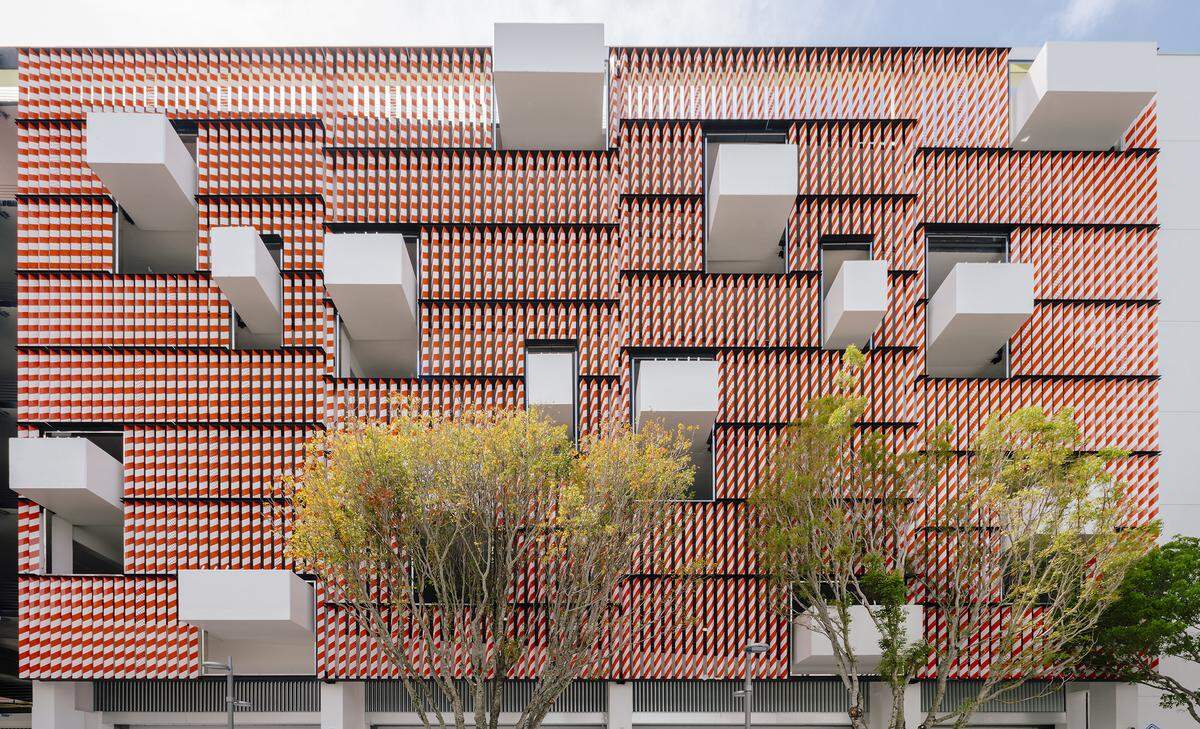
Riley also helped design a parking garage which, anywhere else, might lead to a collective yawn.
But not in Miami’s ultra chic Design District.
In 2018, when it opened, the Herald called the block-long Museum Garage on Northeast 41st Street “nothing less than a hallucinatory visual carnival — five wildly disparate facades yoked together in a surreal architectural collage.”
Riley’s “yoke” as one of the five artisans and architects who designed the funky garage?
“I describe it as a bucket of cold water,” Riley told the Herald about his splashy portion of the garage. The whole thing came together from a brainstorm between Riley and DACRA’s Craig Robins, who is credited with leading the Design District’s transformation into an ultra-luxe urban shopping district.
Riley’s facade, dubbed “Barricades,” is a screen of orange- and white-striped metal traffic barricades punctuated by protruding concrete planters.
Robins said he first met Riley when the architect was “the legendary” chief curator of Architecture and Design at MoMA in Manhattan, a position he held from 1992 to 2006. Riley came to Miami professionally to lead the Miami Art Museum’s transformation to PAMM.
Robins and Riley bonded in business and as friends. Their first collaboration was in designing each of their private homes in Miami’s Design District. Riley designed Robins’ New York apartment and his Design District offices.
“Both are amazing spaces,” Robins said. “Then he announced he was leaving MoMA to move into the Design District house. This was an unexpected surprise. We were blessed to have him as the director of PAMM and get the new Herzog & de Meuron building built.”
Robins served on the museum’s board and on its selection committee alongside Riley.
Riley and his business partner John Keenan founded their Miami architecture firm Keenan-Riley, aka K/R, in 1984. After working for the museums, Riley resumed his role with K/R as an architect.
Architect is the role he thought of himself as, “first and foremost,” Dunlop said.
In 2019, Riley designed the renovation of a high school building in Sarasota into a museum for the Ringling College of Art & Design, Architectural Record reported.
K/R designed two buildings for Robins in the Design District and, of course, his part of the Museum Garage.
“He was always a great friend and I am literally surrounded by his influence every day,” Robins said.
Riley’s background
Born the second of six brothers in Woodstock, Illinois, in November 1954, Riley’s future may have been set in stone in a fifth-grade art class at St. Thomas Aquinas School in Crystal Lake, Illinois, the Herald wrote in a 2006 profile.
This classroom is where Sister Mary Matilde flashed on a screen the New York Museum of Modern Art’s Van Gogh treasure, “The Starry Night,” and then one of Cézanne’s paintings of Mont Sainte-Victoire.
“And it kind of hit me like a thunderbolt, that a painting was not like taking a photograph. It’s not meant to look the way things are. It’s how the artist sees them. It was an amazing revelation that this was the liberty and the license the artist had,” Riley told the Herald in 2006.
As a teen, he’d wander around nearby Chicago taking in all the great modern architecture he could spot. Combined with his love of museums, he was inspired.
“Saul Bellow said something like, ‘Cities are where young people go and decide they want to grow up to be something.’ And I think one of the critical components of a city that does this is a museum. It’s not necessarily that you go there and dream you want to be an artist, but you become used to the idea of the generation of ideas. That’s what art is,” Riley told the Herald.
Riley studied architecture at the University of Notre Dame and earned his master’s at Columbia University.
Academia remained a significant part of Riley’s life later in South Florida, where he taught at the University of Miami and was a visiting architecture critic.
Elizabeth Plater-Zyberk was dean of the School of Architecture from 1995 to 2013. She said of her colleague, Riley: “He was an excellent and beloved teacher” and “a positive and elevating presence.”
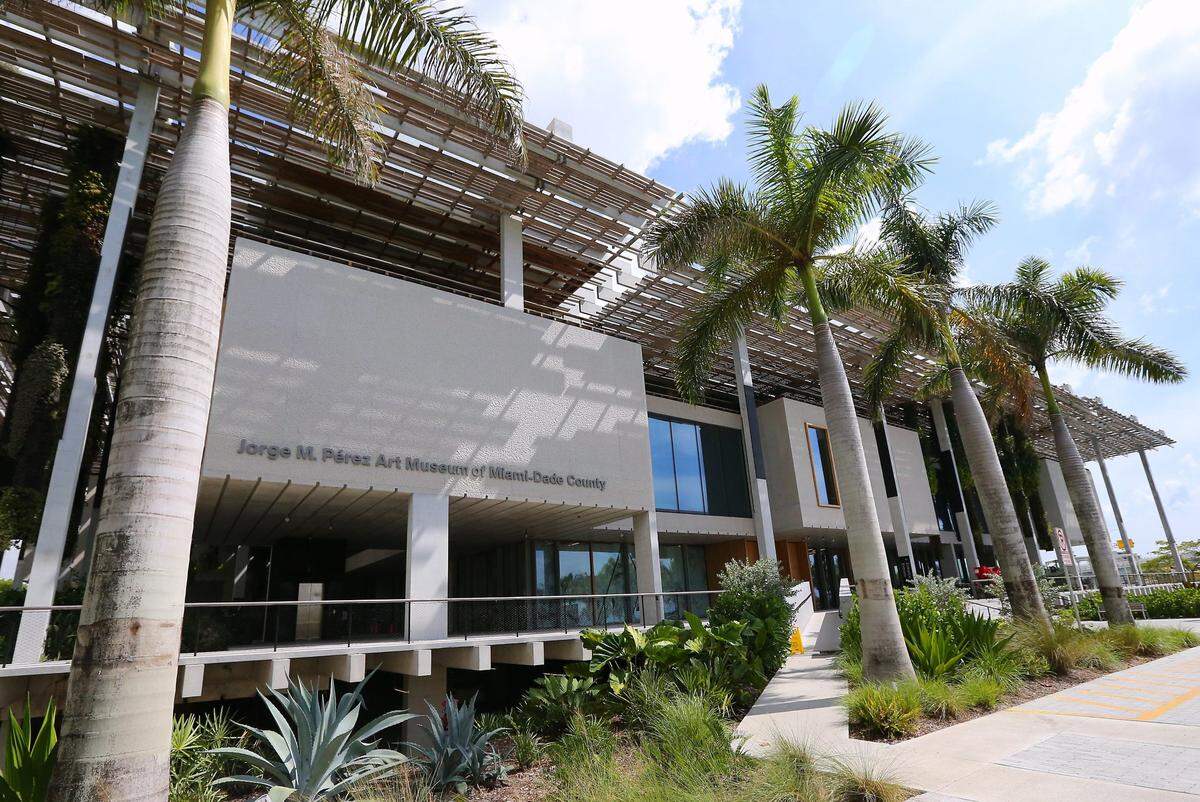
The PAMM building — with its open-air, canopy-like structure, wraparound patio, flora and Biscayne Bay views — Plater-Zyberk says, is “the most important recent building in Miami — environmentally prescient and aesthetically pleasing even to non-architects.”
Riley joined MoMA in 1992. In his 14-year tenure there, he helped the Manhattan institution through Yoshio Taniguchi’s $850 million renovation before leading the $131 million construction of PAMM in downtown Miami.
‘Quintessential Miami’
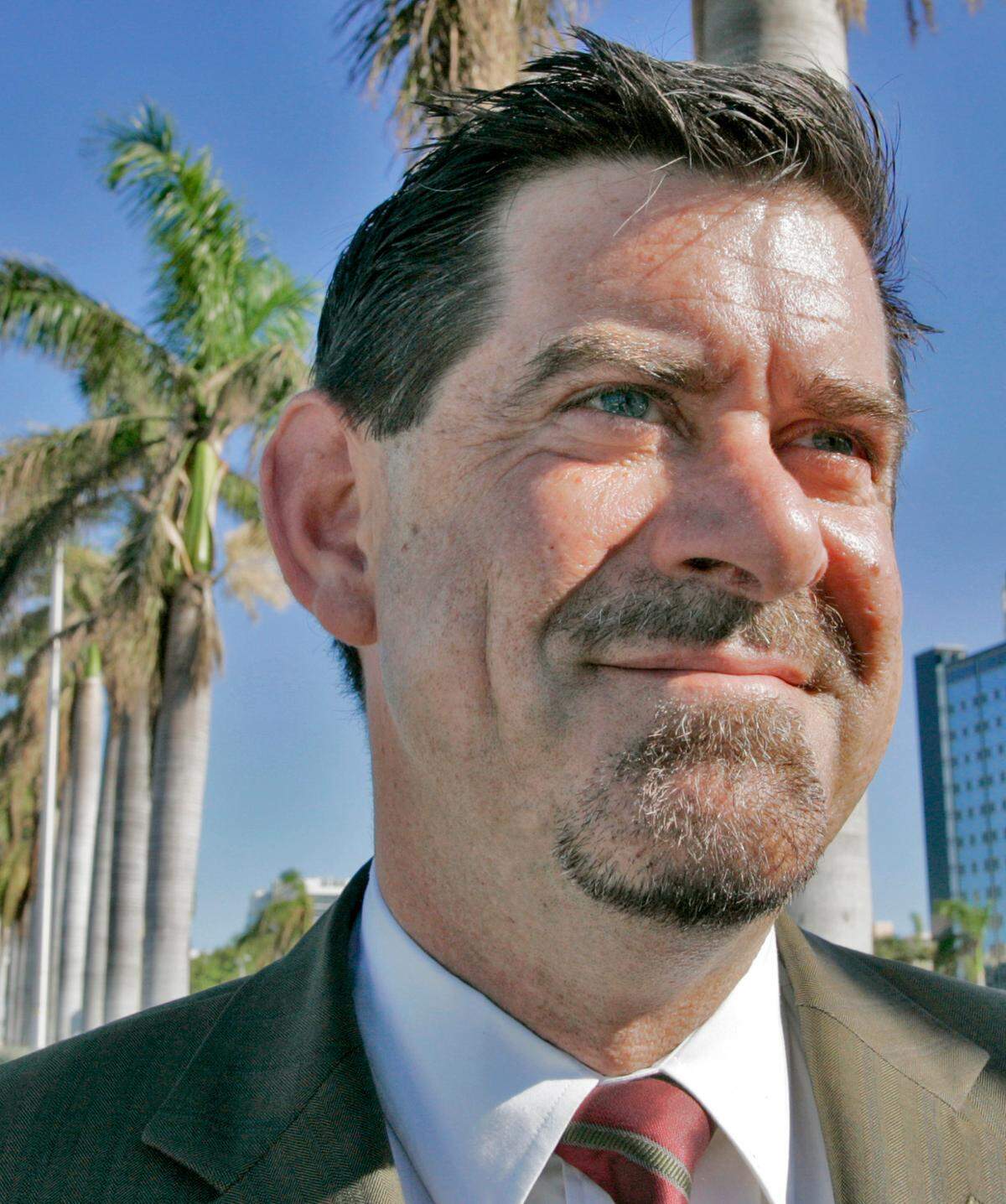
But for all of those professional skills, there was his humanity, too, friends and colleagues said.
Said Cathy Leff, former director of The Wolfsonian at Florida International University and currently a senior fellow at FIU: “He was an intellect, scholar, builder and connector. He was a great cook and entertainer. And, for all of the visibility his projects generated, he was a humble, kind man. His legacy in deeds and in concrete, among which are the number of exhibitions and publications he organized, instigated and inspired, will forever influence the field of architecture and our thinking about cities.”
“Terry was one of the great transition figures of the Miami Art Museum as we moved toward building a collection and a building. His architecture skills and vision were central to the future of what has become the special place that is PAMM. He loved art and Miami and people,” said David Lawrence Jr., retired Miami Herald publisher, chair of The Children’s Movement of Florida and former chair of the Miami Art Museum, predecessor of PAMM.
“It’s difficult to think about Terry without imagining his incredible energy and his engaging charisma,” said Michael Spring, director of Miami-Dade County Department of Cultural Affairs. “Terry was a valued colleague and at the Pérez Art Museum Miami, he made essential contributions to our cultural life that helped establish the standards of architecture and programming that put us on the worldwide cultural map.”
Spring added, “PAMM is quintessential Miami and works superbly for art and artists. Most importantly, the building and the institution immediately became a place where people of all backgrounds and means feel welcomed. This is that intangible quality of architecture — the DNA that Terry made sure was built into the design. He died much too young. His talent and his personality will be missed here as a fellow Miamian and in the communities across the globe that had the fortune to experience his work.”
Survivors, services
Information on survivors and services is not yet available.
This story was originally published May 19, 2021 at 6:03 PM.