The YWCA’s Community Justice Challenge is a vital initiative for all of us in South Florida
It might sound like a cliche, but that’s because it’s so true for so many of us: I love Miami and the opportunity it has offered me and my family and hundreds of thousands of others who come here for a better life, or who grew up here in neighborhoods like Allapattah, Hialeah, Homestead, North Miami and Overtown.
I believe in the power of our community.
And that is why I want to showcase a vital initiative that the Miami Herald and el Nuevo Herald support. And that is the YWCA of South Florida’s Community Justice Challenge, which runs through May 15.
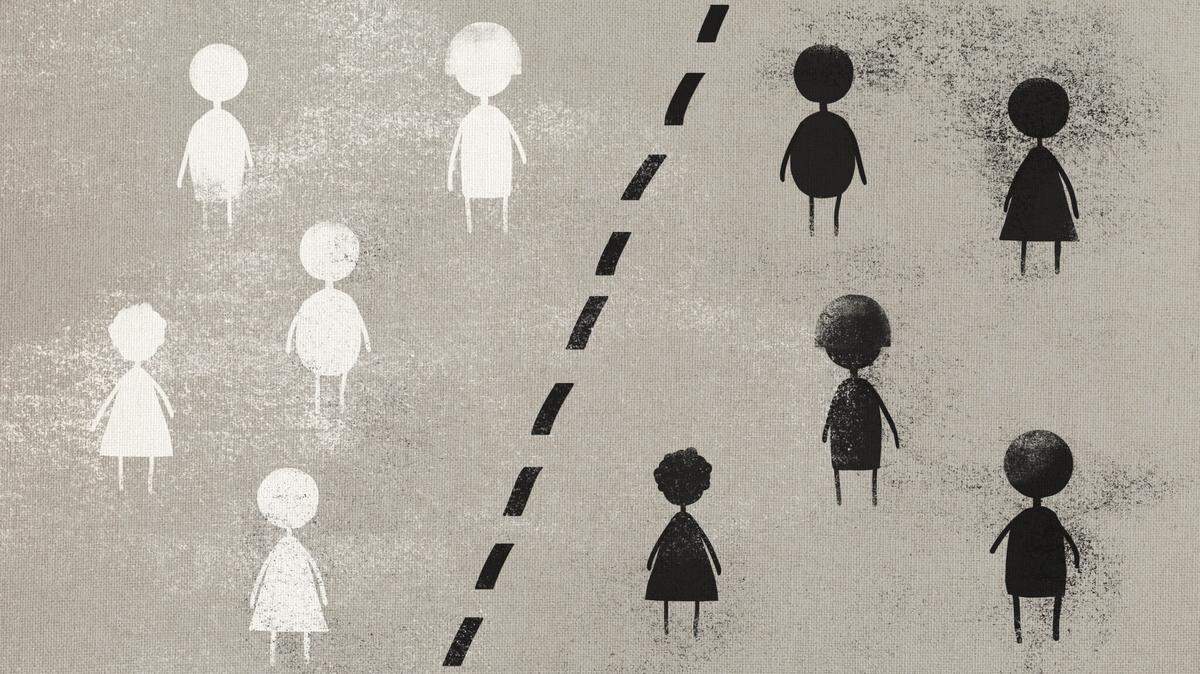
This community event is part of a national movement meant to help us all understand how the issues of race, power, access and leadership show up in our daily lives.
As the YWCA says, “This Challenge is a daily journey of small but meaningful actions. … Each powerful step gets us closer to building a united South Florida where everyone thrives.”
I couldn’t have said it better.
The Challenge works to foster personal reflection, encourage social responsibility and motivate participants to learn together, find and act on ways to address these issues. The Challenge is free, and participants will get daily virtual learning experiences, such as reading relevant articles or listening to podcasts, for example.
We all know that Miami is a melting pot of different people trying to get by. It’s better if we do it together — that’s the focus of this innovative YWCA project.
We all have a story of how we got here and what Miami means to us. Some of us are refugees from places like Cuba, Haiti and Venezuela, or Nicaragua, like me.
Let me tell you my story of what Miami, as a community, means to me.
In the late 1970s, the Sandinistas took control of Nicaragua. And a few years later, my parents decided we needed to escape to Miami. We were leaving everything we knew and loved behind, but we were going to a place where my parents said we could be free. We didn’t know the dangers that awaited us as we headed to Mexico, the only place we could fly to that bordered the United States.
There was no sightseeing after we landed in Mexico City. We were there on the mission of our lives, and we needed to make our way to the border city of Matamoros, where we were to meet up with the men who would help us get to our final destination.
We stayed in a hotel room for a couple of days. Late one afternoon, a group of men mysteriously picked us up and took us on a truck to a crossing spot on the U.S.-Mexico border, where we joined a small group of immigrants like us. As the hours passed, the group grew bigger and bigger.
Suddenly, a group of men who looked like police surprised all of us and began to beat up our coyote as we watched in horror. Imagine, the man that was going to guide us to a new life was thrown into the back of a flatbed truck and driven away. I often wonder, even today, what became of him.
Left on our own, the adults in our group had to decide our next move fast. “We need to cross into the United States before they come back!” Those words I remember vividly hearing. Everyone agreed. We had already come this far.
The Rio Grande waters were high and dangerous. At least it looked that way through my 11-year-old eyes. I could not swim, and neither could my 60-year-old father. But he put me on his back, and we all went down into the river, inching closer and closer to the land of freedom.
Years later, I remember my father telling the story of how the water got to his chin, but he kept pushing on. We crossed the river and reached the United States. But now what? We all began walking across open fields to heaven knows where. All we saw were train tracks and what looked like a big forest.
Thankfully, some Spanish-speaking U.S. Immigration officers found us. Because I was a kid and we had relatives in Miami, they let us go. And we settled in Hialeah where we began the process of applying for asylum, residency and finally our citizenship.
For me, Miami as a community was a godsend — and it still is. My family was able to find decent work, pay taxes and make a living. Our neighbors always lent a hand when we needed it. If it wasn’t for Miami Dade College Professor David Merves, who believed in me and gave my name to the sports editor as a possible clerk, I would probably not be where I am today.
I knew my parents felt it was important for them to get me here. My father passed away in 2015, but he got to see me become an editor here. My mother just passed away March 31, and she got to see me become the interim executive editor for the Miami Herald and el Nuevo Herald. Not bad for a kid who started his career at the Herald answering phones at 19 years old.
I find myself feeling lucky and thankful for the way this community helped me and the many sacrifices my parents made to get me to where I am today. And in a position where I can, in a small way, give back to our community.
And making sure that is the case for others like me is why I too am getting involved with the challenge. I feel this effort by the YWCA can be a game changer for all of us.
This year’s Challenge has focused on disability, housing, music and, starting Monday, on mental health. The program provides a virtual learning tool that helps individuals or groups build effective social justice habits.
There is still time to participate and learn more about the Challenge. Learn more on their Spanish site or English site.
Your opinion matters to all of us at the Herald. We are here for our community. E-mail me at amena@miamiherald.com or call me at 305-376-3493.
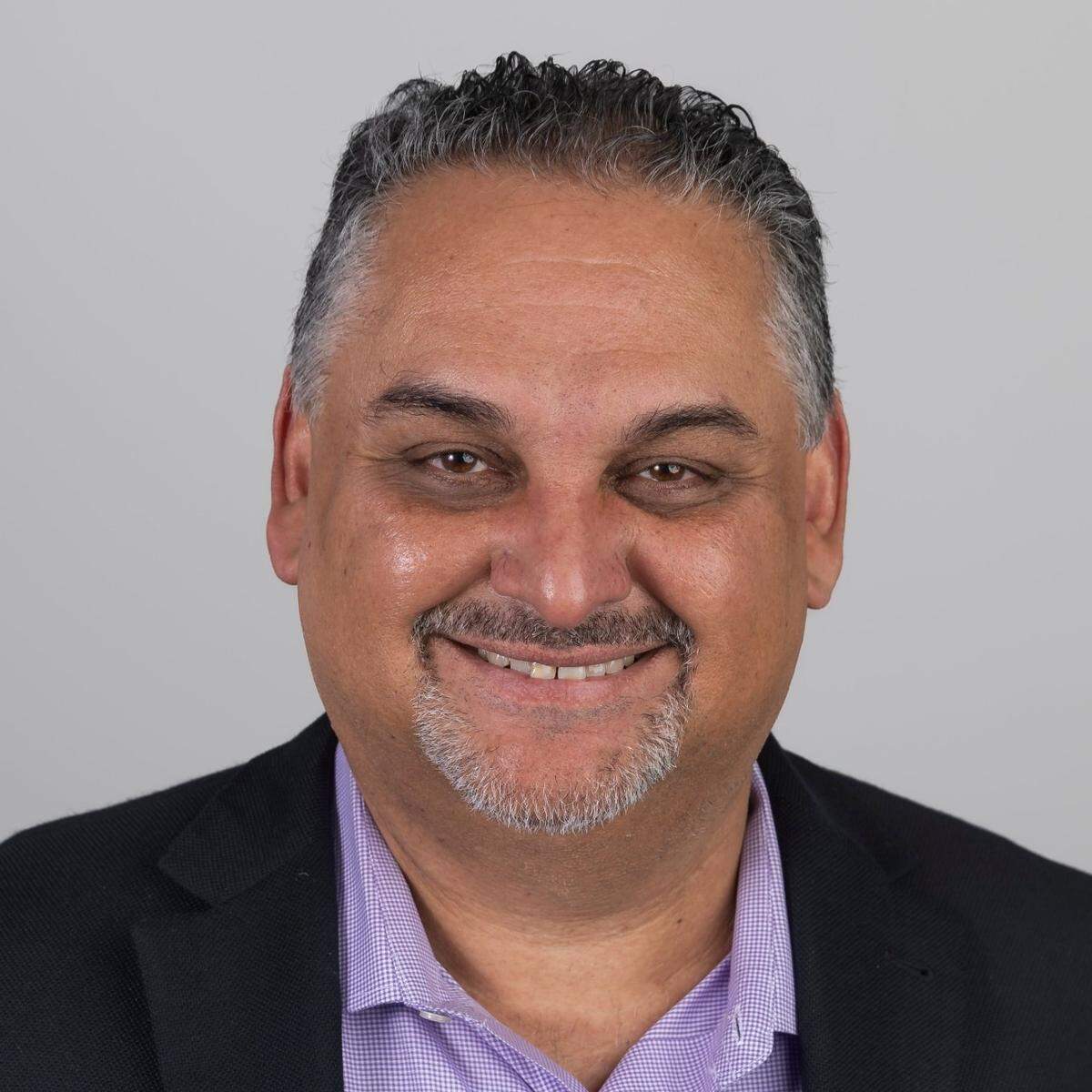
Alex Mena is the interim executive editor of the Miami Herald and el Nuevo Herald.