Local journalism is expensive. Philanthropic gifts like this help us bring truth to light
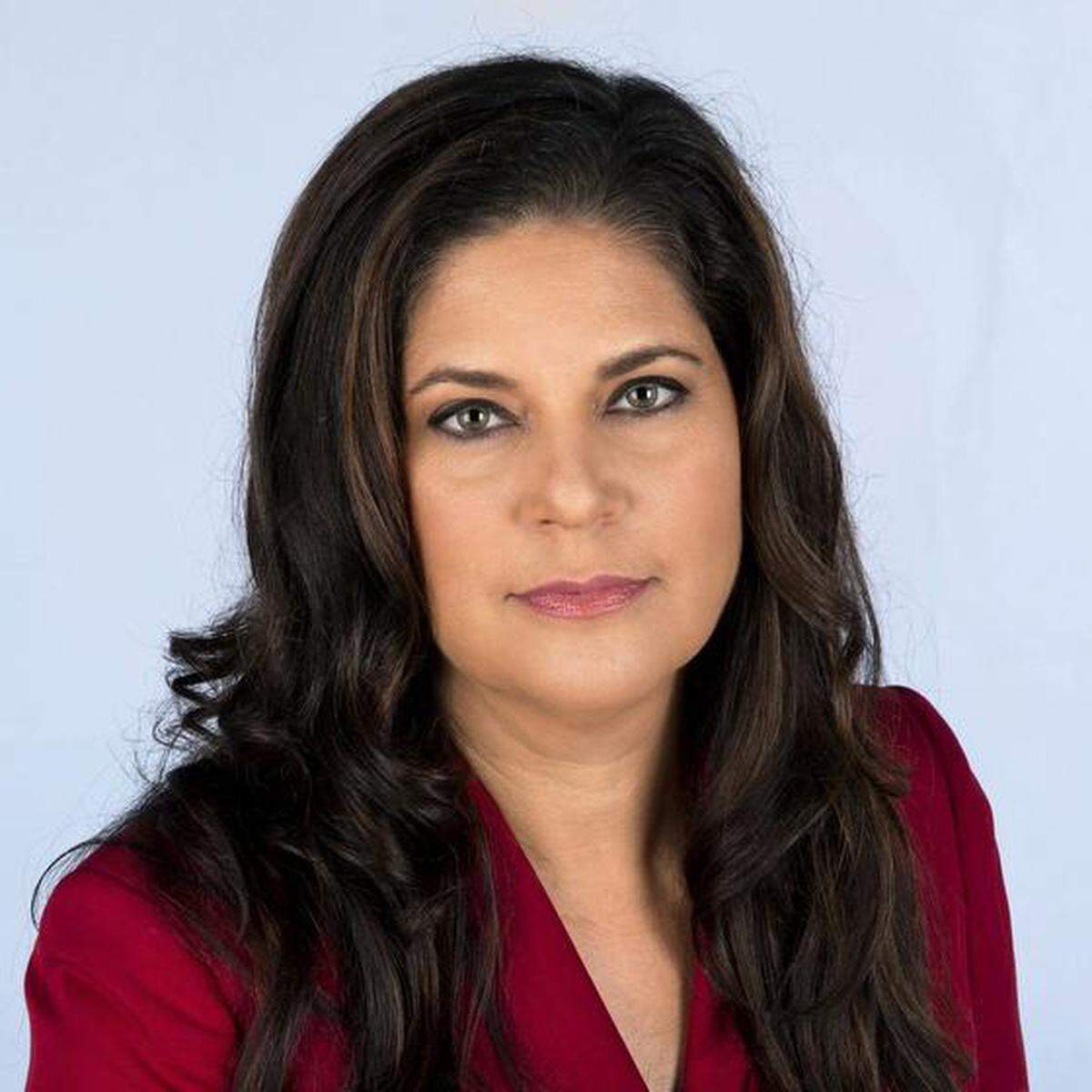
Over the decades, Charlene and Ron Esserman have championed many causes in South Florida — the Miami City Ballet, the Florida Grand Opera and the Adrienne Arsht Center for the Performing Arts in downtown Miami, just to name a few.
Now, they have turned their philanthropic effort to a new cause: journalism.
Why donate to journalism?
“Journalism today is under attack,” Charlene Esserman said. “It’s underfunded. There’s all this fake news and half lies and demagoguery. We need an informed electorate and local news is probably the most important part.”
The couple, along with their children Laura, Lisa, Susan and James Esserman, last week announced a $2.5 million endowment to strengthen accountability journalism in South Florida. The fund, in partnership with the John S. and James L. Knight Foundation, establishes an annual $10,000 prize for South Florida’s best accountability reporting.
The gift also creates the Esserman Investigative Journalism Fellowship, an annual $50,000 fellowship for an early-career reporter at the Miami Herald. Additional fellowships will eventually be offered to other news organizations in South Florida. Already, we are accepting applications.
The position will be the first for the Miami Herald Investigative Journalism Lab, a philanthropic effort we launched in October to expand the kind of accountability reporting that has been our hallmark for 117 years — exposing corruption, holding the powerful to account and standing in for our community’s most vulnerable citizens.
Our initial goal is to raise $2 million over three years to help train the next generation of diverse, investigative reporters and focus on undercovered local issues and communities.
Facebook and Google now control 60% of digital ad revenues, and the digital transformation has impacted journalism as it has other businesses. But it’s been especially rough on local news — in the last 15 years, more than 1,800 news organizations have disappeared. Earlier this month McClatchy, which owns the Miami Herald and el Nuevo Herald, entered Chapter 11 bankruptcy proceedings.
Original, local journalism is expensive — particularly investigative journalism, often complex stories that require months of reporting as well as the costs of public records and lawyers. Even before technology’s disruption, this type of reporting was never directly supported by advertising revenue.
However, philanthropic contributions for journalism have increased four-fold since 2009.
That new philanthropic model is engaging the community it serves to support the critical work of local news organizations.
Since we launched the Miami Herald Investigative Journalism Fund, we have received contributions from nearly 100 donors who have given anywhere from $25 to $2,500. Those gifts, like the Esserman family endowment, allow us to expand our reporting ranks at a time when our traditional financial model is in flux. The funds are held by The Miami Foundation, which manages the tax deductible contributions of donors and provides oversight of the distribution of funds.
And we’ll do this reporting as we always have, with tenets of transparency, accountability and editorial independence.
“One of the reasons that we founded this program was we hoped that it would inspire others to follow suit,” Charlene Esserman said. “We have to invest in the difficult work that people do to bring the truth to light.”