
A month after massive historic protests in Cuba, what’s next? Other ways to rebel | Opinion
Repressed, mostly disconnected — but not silenced — Cubans on the island are finding ways to make their voices heard.
If only the outside world would listen, act widely to support them, thus sheltering them from further abuse.
Hundreds of Cuban protesters, including prominent dissidents and people captured in some of the most iconic photographs and videos of the protests, remain jailed and face long prison terms.
But others have been released to house arrest — and they’re telling their stories as openly and bravely as they protested. No holds barred.
Carted off to jail naked
The day after massive historic protests erupted in Cuba from one end of the island to the other, police knocked on Abel González Lescay’s door at 6 a.m. The young poet and musician, who lives in the small town of Bejucal south of Havana, had participated in the July 11 protests.
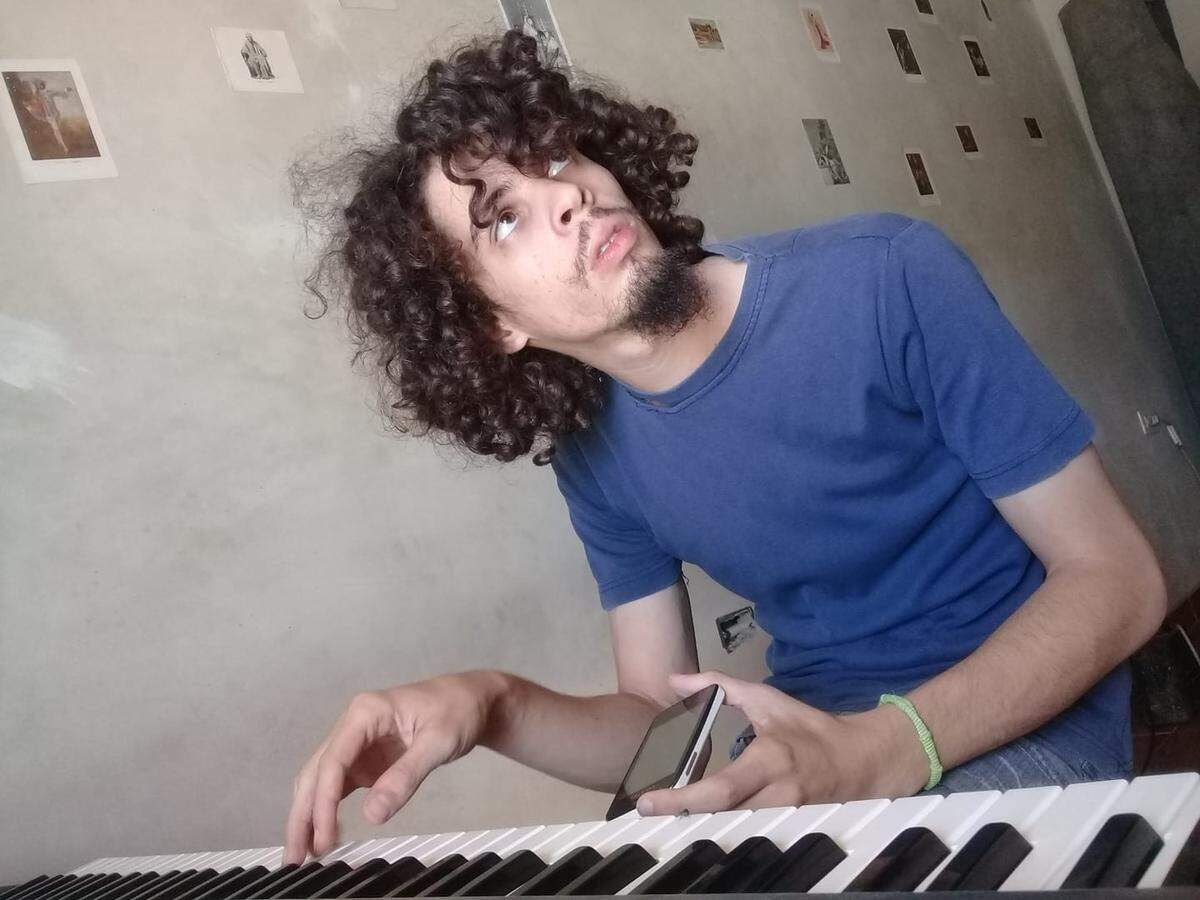
He came out of his house when he heard a commotion, found some 400 people gathered nearby, and he joined them chanting “a bundle of slogans,” he told Mexico-based Rialta magazine in a lengthy interview posted to his Facebook page.
Lescay, born in 1998, says he was in awe and teary-eyed at “the beautiful people there, it was very exciting.” He brought his Arabic darbuka and played. A video of that day in Bejucal confirms the large crowd, the fervor of people clamoring “¡Libertad!” in front of a statue of Our Lady of Charity, Cuba’s patron saint.
The crowd doubled, peacefully marching to the office of the National Revolutionary Police, where they sang the National Anthem. No police interrupted protesters “until Cuban leader Miguel Díaz-Canel gave the combat order,” Lescay says.
He admits he and his friends yelled an obscenity to police, but when state workers were sent to counter the protesters and staged a conga to deflect from the dissent, Lescay says he joined them and told their musicians they didn’t play well.
Provocateur perhaps, but not a criminal by far, unless mockery is a crime. Yet the next morning, police burst into his house.
His nervous father answered the door and went to get him, but police burst into Lescay’s bedroom before he could get dressed. He began to challenge their legal right to be there.
“Until you show me the arrest warrant, I’m not going anywhere,” he told them.
The police answer: Cart him off to jail naked in a police car with another detainee.
They would keep him naked through the 12-mile ride to a State Security detention center in another town and for hours after. Police agents laughed at him. One beat his bare butt with a club, and only after he wouldn’t stop yelling at them, did someone throw him “a dirty table cloth.”
It took a nurse to give him a prison uniform after he felt sick, developed a fever and tested positive for COVID-19. And he was denied a sheet to cover himself as he lay sick until a doctor finally came days later.
Lescay remained behind bars for seven days in a jail with other protesters who also had tested positive for the coronavirus before he was sent home, where he’s now under house arrest. He suffered other abuses and psychological tactics. I’m barely skimming the surface of his lengthy statement in Spanish, illustrative of the price young people paid, and are still paying, for their valor.
And all of it, in the middle of a pandemic ravaging Cuba as we speak.
What now for Cuba?
His account is a study on what happened that day — and, in a way, answers the question on everyone’s mind a month later: What’s next for Cuba? What happens now?
We listen and get to know the people who put their lives on the line. They represent Cuba and it’s their voice that matters.
Detailed testimonials like Lescay’s are filled with nuances about a generation inside Cuba that neither the Cuban-American right in Miami nor the Cuban regime understand well.
U.S. policymakers need to pay attention.
One thought being echoed is that they’re not trying to replace a left-wing regime with a right-wing government. Despite the rhetoric in Miami by politicians hoping to cash in on the Cuban vote by egging on military intervention, Lescay and so many others I’ve heard don’t want that anymore than American soldiers want to fight a war in Cuba.
We’d do well to keep our efforts where they count, in telling Cubans’ stories and circulating them around the world.
When I asked Lescay via text messaging how he sees the future, this is what he wrote me: “Future?? No no no. That does not exist, less in Cuba.”
All he can do, he said, is “continue living in this terror where there are no longer any curtains. And, above all, appease the insecurity of what’s going to happen in the trial. Especially, until the day of judgment, there is no thinkable future.”
Documenting the brutal repression and its aftermath — and following the course of cases — are crucial. Human-rights organizations are trying to do so and, despite the internet blackout, Cubans on the island are helping in the endeavor.
Many are managing to post on Twitter, Instagram and Facebook the arrests, the missing, and the returns home to guards stationed at their doors. They’re not staying silent, even if the streets aren’t erupting in new protests (that we know of). And that’s not a disappointment given that COVID is killing Cubans, too.
Raw truth vs. propaganda
Testimonials like Lescay’s, told in raw, believable language, shatter the narratives being pushed by the Cuban government.
In the words of Foreign Minister Bruno Rodríguez, for example, there was “no social upheaval.” Laughable.
In the words of regime spokesman Carlos Fernández de Cossío to U.S. television, the arrested are undergoing a “natural” judicial process. Hogwash.
There’s no underestimating the breadth of what happened on July 11, not when even in the southern secluded Isle of Pines protests broke out, too. Imagine the consequences for people so far from the Havana limelight.
The testimonials of victims expose the tactics of a regime that acts more like a criminal cartel than a government and has little respect for the most basic rights of a human being.
The testimonials leave the Cuban officials defending police brutality as naked as Lescay was in that patrol car.
This story was originally published August 13, 2021 at 6:00 AM.
