
Amid calls for a free Cuba, hypocritical mayor practices Cuba-style censorship in Coral Gables | Opinion
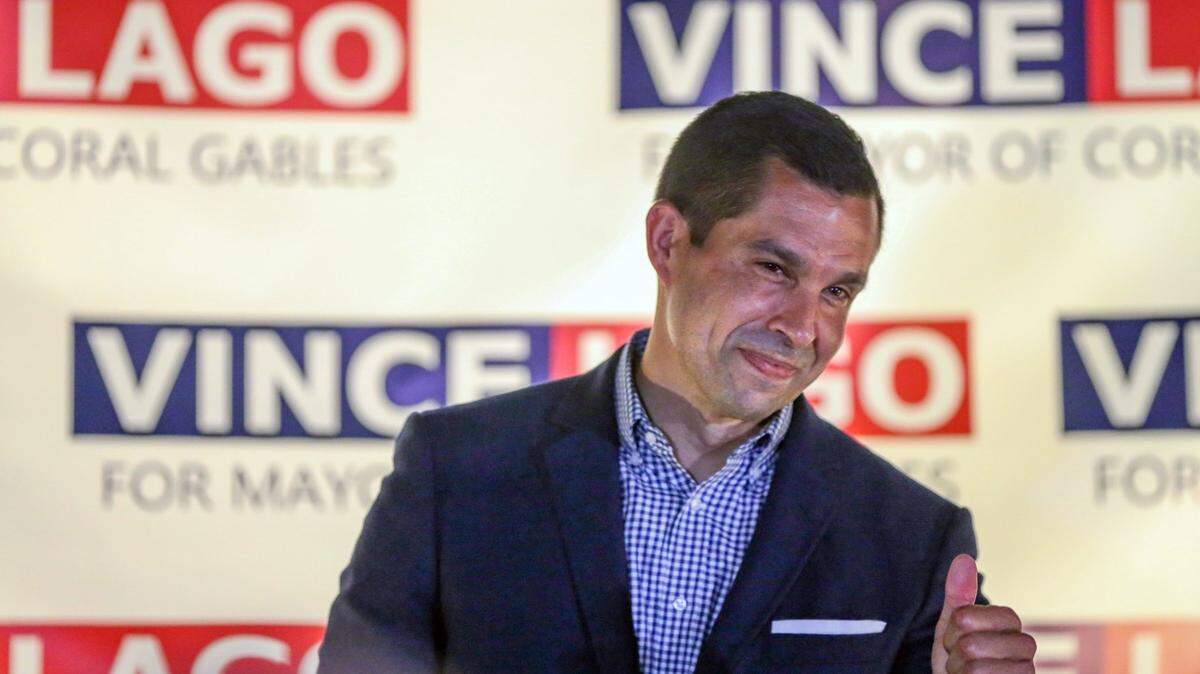
With leaders like Coral Gables Mayor Vince Lago, who needs enemies?
At a moment in which Miami is playing a crucial supporting role to advance the cause of freedom in Cuba, here comes a local politician with his own subterranean agenda that will do great harm to the cause — and the credibility of the Cuban exile.
While Cubans on the island are rounded up, beaten, jailed and killed for their beliefs, Lago goes Commie-hunting, questions the politics of artists involved in a city project and, in the process, delivers a great injustice.
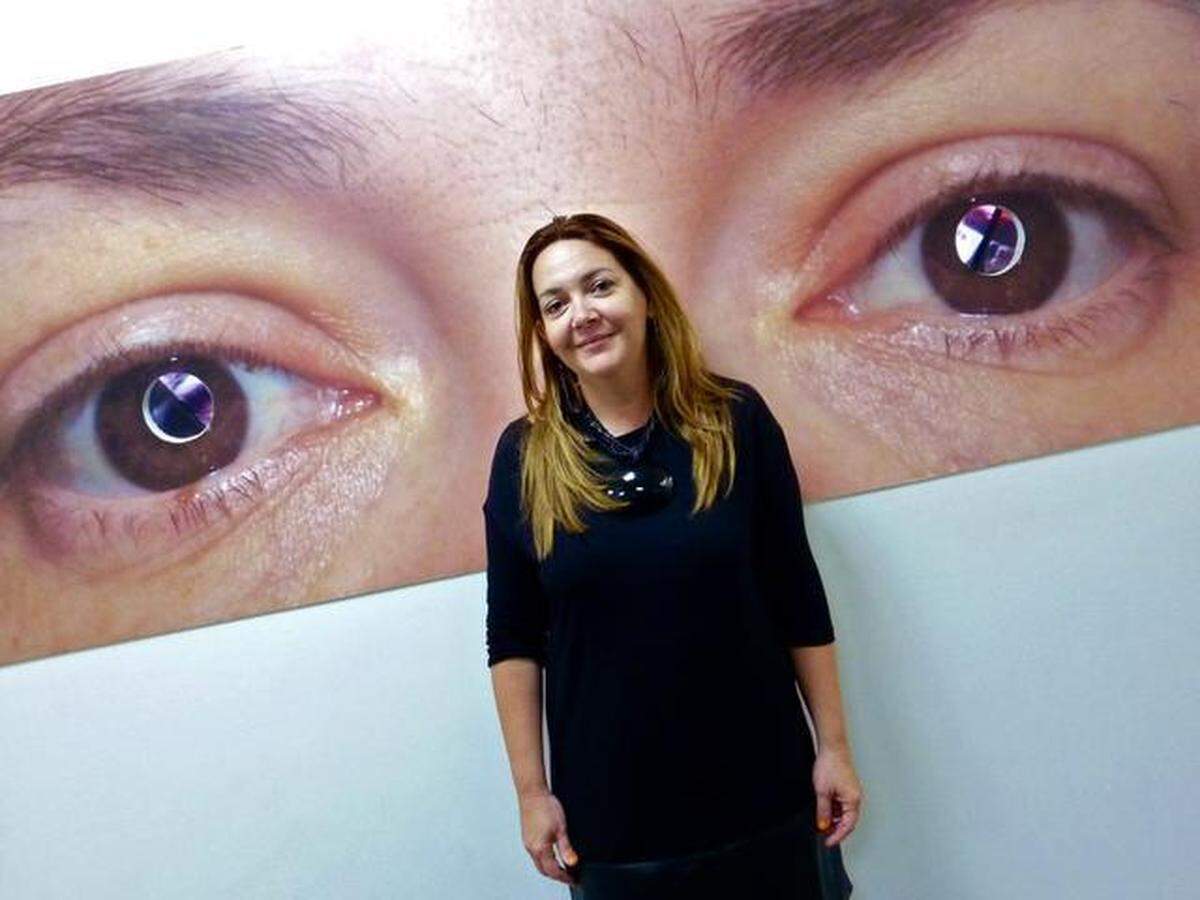
Last week, amid worldwide calls for freedom in Cuba, Lago called Miami-based Cuban artist Sandra Ramos “a Communist sympathizer” and ended her participation in the public art project “Illuminate Coral Gables.”
He also banned from a list of 20 participants New York-based, world-renowned Chinese artist Cai Guo-Qiang for something he said in 1995 about communism in China.
Cuba-style censorship
“The most hallucinatory part is that this is the same thing the Communist Party secretariat in Cuba does,” Ramos tells me from her home in Miami Beach, her voice cracking with rightful indignation. “It’s heartbreaking, if this is like this in Miami, what does the future hold?”
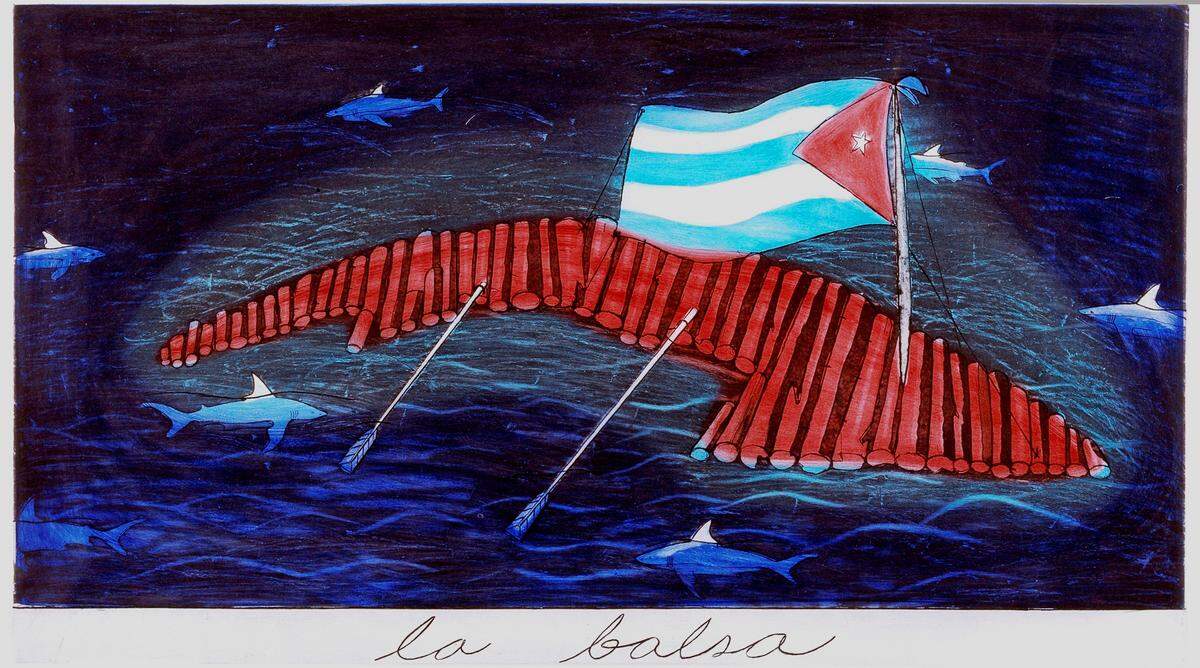
The celebrated artist, known for poignant installations that capture the essence of being Cuban and the pathos of Cuban immigration, fled the island’s stifling censorship, as artists often do. Little by little, they carve themselves a space in this country and internationally.
And, here she is — decades after her first Miami exhibition in 2003, where people cried before an installation that seemed to collect a nation’s tears and bring them to these shores — her loyalties questioned and her character defamed by the mayor of a major city in Miami-Dade County.
“For Cuban Artist, Her Nation Drowns in Rain, the Ocean and Tears,” was the headline on the Herald story I wrote on her exhibition at the time.
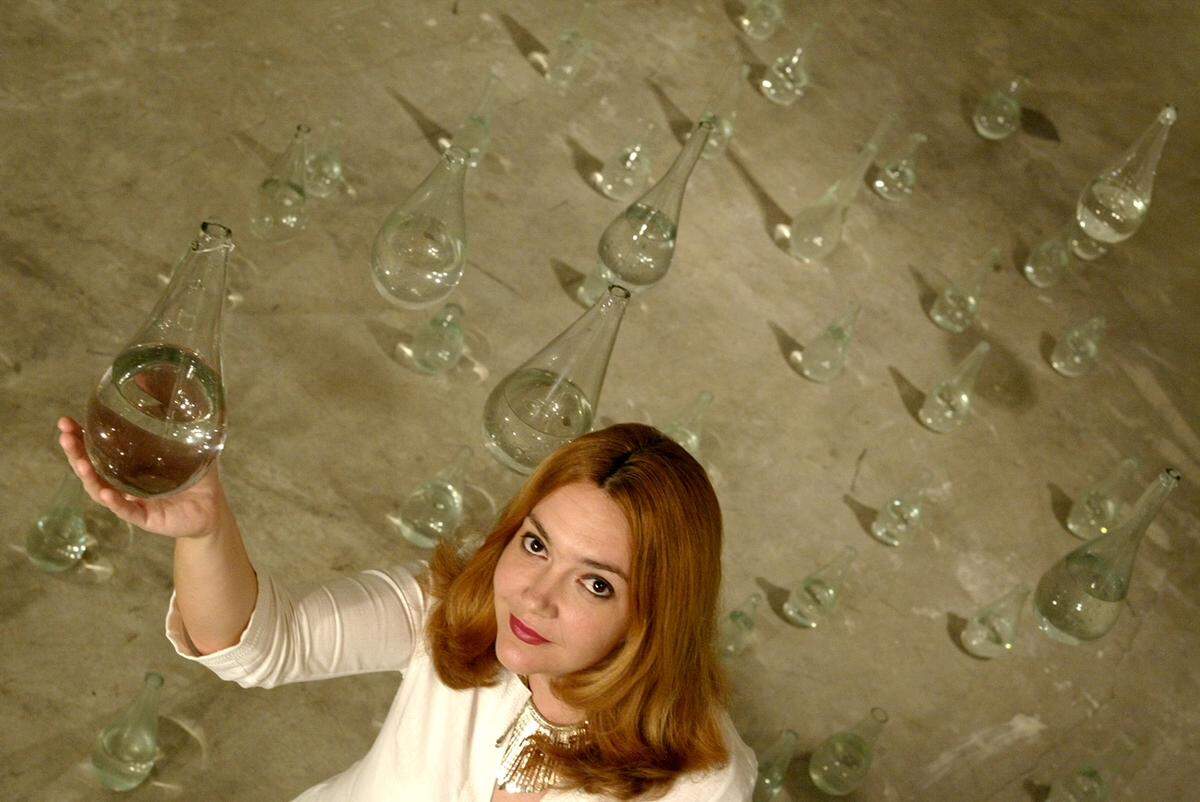
Her art, I said then, is not only remarkable on its artistic merit, but also “because she’s a vanguard artist inside Cuba, part of a generation that in the past decade broke through some of the constraints of censorship and made art, music, movies and authored works reflective of the starkness of Cuban reality.”
Her art, exhibited from Mexico to Tokyo and included in major museum collections, has only become more powerful and sophisticated, and while Lago disparages her, she’s busy supporting Cubans on the island, including those being censored and abused.
Communist label doesn’t fit
The woman Lago has slandered comes from a family of scientists ostracized and sidelined in Cuba for refusing membership in the Communist Party. His calumny endangers her family by calling attention to them.
But this mayor thinks he knows better. All, allegedly, because Ramos, like many Cuban artists, lists on her résumé a studio in Havana, which often is simply a room in a relative’s house.
They do so to maintain their authenticity and ties to the island as Cuban artists, to force an independent space where censorship rules. In other words, to fight the good fight of creating freedom in Cuba.
And they do so to satisfy the fickle American and international art markets that punish exiles by questioning the strength of Cuban-identity art like Ramos’. These artists are squeezed between two forces: censorship and the risk of banishment in Cuba vs. prejudice against their status as exiles in the United States and elsewhere.
Lago places Miami, once more, in the category of intolerant retrogrades who don’t value free speech and use red-baiting to spin disinformation for political gain.
“The timing could not be worse,” said Coral Gables resident and longtime civic activist Rafael Peñalver. “Again, we are diverting attention from the situation in Cuba.”
Said in an email philanthropist and art collector Jorge M. Pérez, namesake of Miami’s PAMM museum, born in Argentina of Cuban parents who fled the Communist regime: “She is a great artist who fled the island and is in our collection. When I buy art or read a book I don’t check the author’s political leanings. I am totally against the censorship of ideas and the repression of our basic freedoms. THAT IS WHY WE LEFT CUBA!”
Lago owes Ramos a public apology, and he should restore her participation in Illuminate Coral Gables.
She’s not a Communist.
His fraudulent charge is typical behavior of the sickening politics of spewing baseless accusations to win elections. Cuban Americans who behave like him — a right-wing mirror image of the Cuban regime — keep others from winning the moral war against the dictatorship.
The Commie-hunting brigade in Miami strikes again — and this time, the damage runs deeper and stretches farther than mere exile politics. The very freedom of Cuba is at stake, not to mention the mental health of Miami.
Stop it, just stop it.
In Coral Gables or Havana, art is free — or it is not.
This story was originally published July 21, 2021 at 6:00 AM.
