
Those Ganesha shorts are as offensive to Hindus as Che Guevara T-shirts are to Cubans | Opinion
It’s a topic that comes up often in multicultural South Florida.
Do you have the right to sell — and wear in public — clothing with images that are offensive to a group of people?
The easy answer: Yes, you do. Although places like schools can set a dress code, self-expression through clothing is a First Amendment right. But, if we want to get along as a community, the issue is worth examination.
The latest controversy involves shorts that crassly display around the crotch the image of the Hindu deity Ganesha.
Lord Ganesha, with his elephant head and human body, isn’t a cartoon or an object of play.
He is the Hindu god of beginnings and wisdom, “the Lord of the people,” the patron of enterprise, and of what might seem to the Western world opposites, bankers and intellectuals alike. He is said to have the power to remove obstacles.
“Lord Ganesha was highly revered in Hinduism and was meant to be worshiped in temples or home shrines and not to adorn one’s thighs, hips, groin, buttocks, genitals and pelvis,” the prominent Hindu cleric and interfaith leader, Rajan Zed, said in an email.
He wants the Doral-based clothing company, On Cue Apparel, to remove from its line shorts designed with multiple images of Ganesh. But the $34.99 shorts are marked as a “hot” item at the store, which specializes in wildly colored “rave” clothing.
“Inappropriate usage of Hindu deities or concepts or symbols for commercial or other agenda was not okay as it hurt the devotees,” said Reno-based Zed, who has served as guest chaplain for the U.S. Senate and some state legislatures.
He not only wants the shorts removed from sale, but is asking the company owner, listed in state of Florida records as Jose A. Renteria, to issue an apology to the Hindu community.
Zed already has convinced another label that sells Ganesha panties and thongs, and is based in New Jersey, Costomon, to remove the merchandise. Canadian athletic brand NoMiNoU also stopped selling Ganesha leggings and capri pants.
But, as of this writing the Miami merchandise was still for sale.
I tried to reach On Cue Apparel and Renteria to discuss the issue, but no one responded. The company also features the same black and white image of Ganesha on hoodies, T-shirts, tapestry, and blankets.
I searched through the Internet for other clothing that may be offensive to other religious groups — and found plenty of shorts with the image of Jesus that may raise eyebrows, albeit not around the crotch area, but on pant legs and on T-shirts.
But perhaps a more relevant comparison in Miami is the iconic image of Argentine guerrilla leader Ernesto Che Guevara some people wear on T-shirts without giving a thought to the murders he committed in Cuba. Guevara put before the firing squad scores of Cubans after the triumph of the Revolution over the Batista regime. Guevara is also infamous for his homophobia. He wouldn’t be thought of as much of a hero if people knew his history.
Che shirts, made by ShirtBANC and Zexpa Apparel, are sold online at Walmart and Amazon, for example.
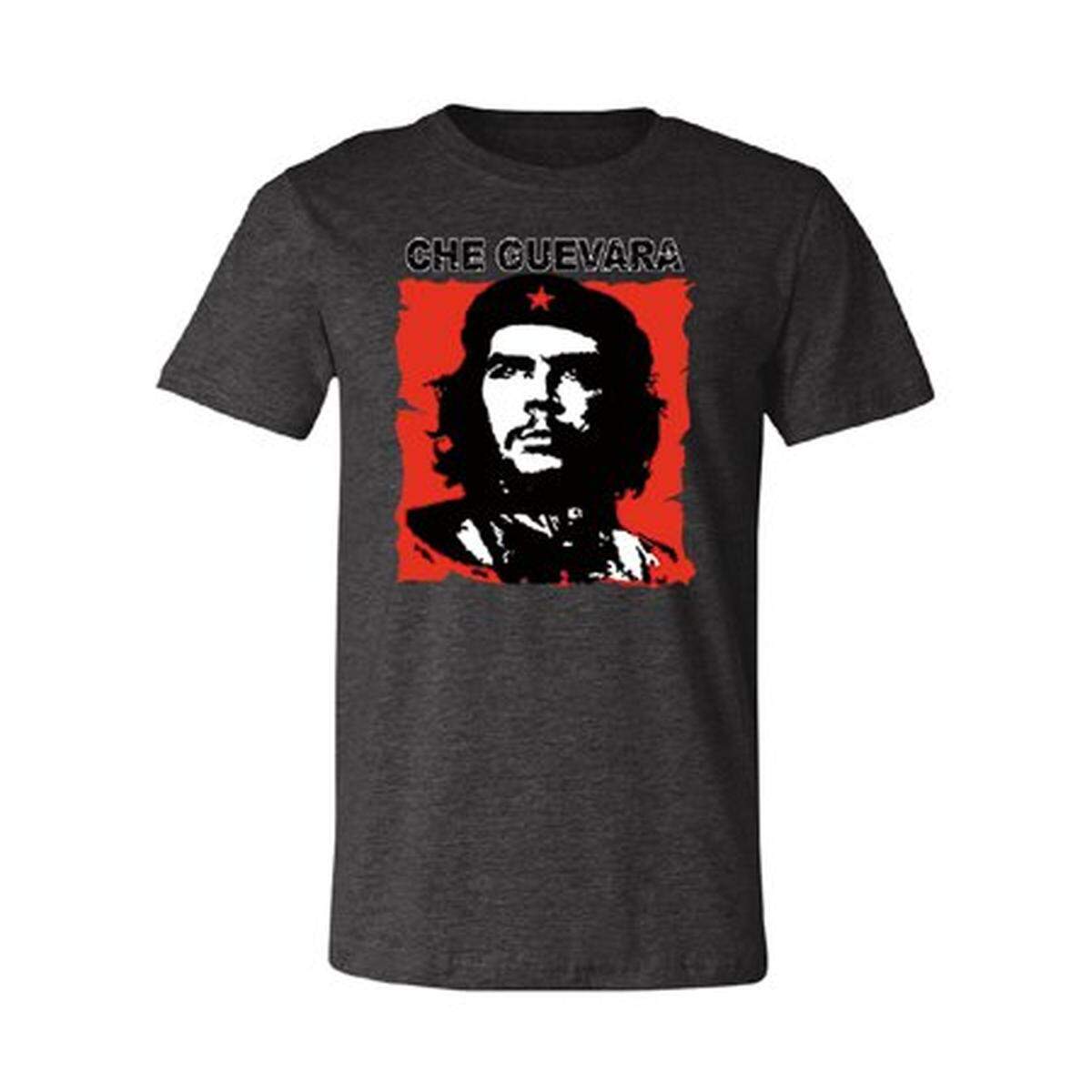
Che’s image on T-shirts is highly offensive to Cubans in the same way the images of Ganesh on shorts are to Hindu worshipers. But neither is illegal.
In this country, messages on clothing are considered free speech.
But why would you want to walk around in clothing that mocks someone’s adored deity or glorifies a war criminal?
If the reason is to exercise your right to freedom of speech, I can think of many healthier — and productive — things you can do.
Voting is number one on my list. But there’s also advocacy and volunteering your time to a cause. Lots of people could use your help righting wrongs.
We live in a multicultural country living through hyper-partisan, divisive times.
Do we really need to add the holiday shopping season to the discord, too?
Ganesha (also known as Ganesa or Ganapati) is one of the most important gods in Hinduism. There are at least four Hindu temples in South Florida and several active organizations.
The Hindu Society of America has a popular, stately temple for prayer and meditation in Palmetto Estates. About 2.4 million Hindus live in the United States, making Hinduism the fourth largest faith in the country.
You have a right to wear those made-in-Miami Ganesha shorts, but you’re being highly offensive to your Hindu neighbors.
This story was originally published December 17, 2019 at 2:31 PM.
