
You’re wrong about the Art Basel banana. In Miami, it belongs to Changó. Ask Willy | Opinion
The moment I saw the banana duct-taped to the wall at Art Basel Miami Beach, I knew the orishas, who have plenty of reasons to be angry these days, were in the house.
The installation by renowned Italian artist Maurizio Cattelan should’ve come with this warning, straight out of the iconic Miami song Willy Chirino belts out, shimmying to the rhythm of the islands:
Mister, don’t touch the banana. Banana belong to Changó.
But Art Basel comes to Miami every year, makes a big momentary splash, and leaves largely untouched by the city, its culture, and its rich cast of denizens.
Only cultural ignorance can account for the nonchalant way that artist David Datuna, who was born in the country of Georgia and lives in New York City, peeled the banana off the Perrotin gallery wall — and ate it.
He called the act not vandalism but a performance, and titled it “Hungry.”
Had he heard of Chirino’s song, he might have given the act a second thought.
Ay, mamá, sacrilegio!
Sacrilegious!
Datuna thinks he “made history,” but what he did was underestimate the weight of geography.
Context, mister, context matters.
Let me explain the back story with a little help from Chirino, the quintessential Cuban exile singer who made the sacred banana famous interpreting the ode to Changó written by singer-composer Marisela Verena, another exile treasure, “Mister Don’t Touch the Banana.”
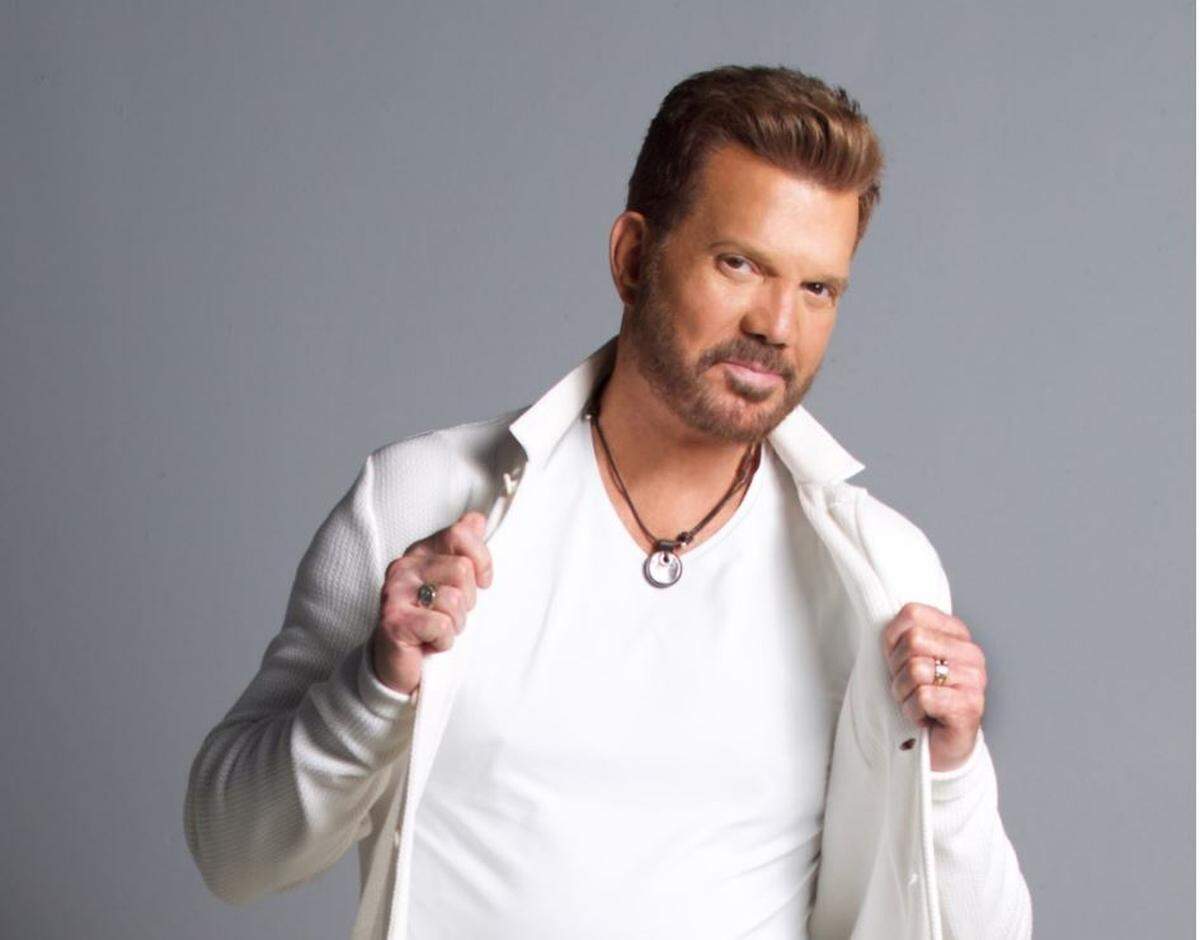
“This city is a salad of cultures ... Everyone in Miami knows you don’t mess with the banana,” Chirino confirms in an interview before dashing off to rehearse for his Saturday concert at the Arsht Center for the Performing Arts.
Or should know.
The practice and clash of cultures over Santería is Miami 101.
Chirino says that the song is based on the true story of an American who attended a Cuban celebration of the feast day of Changó — Dec. 4, the day Art Basel officially began, people! — and came upon the traditional table of offerings to the deity.
He was hungry, just like Datuna, and grabbed a banana and began to eat it.
The crowd pounced on him.
Mister, don’t touch the banana. Banana belong to Changó.
La banana is the favorite fruit of Changó, master of thunder, passion, and the most feared deity in Santería, a fusion between the religion of the Yoruba people of Western Africa, brought to Cuba as slaves, and elements of Roman Catholicism.
If you don’t think Santería is powerful stuff, you should ask the City of Hialeah officials who lost the U.S. Supreme Court case that validated the practice of Santería as a religion in the United States. Or, check in with the politicians in Miami who get a trabajo done to help them win elections. Or, the people who get a cleansing or make offerings to their favorite orishas before their day in court.
Why do you think Miami Commissioner Joe Carrollo keeps getting elected?
We, bonafide Miamians, know that if the Basel banana “offers insight into how we assign worth,” as dealer Emmanuel Perrotin put it, the crowds fascinated by it missed its folkloric and spiritual value in these parts.
But the art world did what the art world does: spin, confer existential meaning, soak up the publicity — and sell!
The found object assemblage was sold to three people with too much money on their hands for $120,000 each. Yes, three editions of the banana installation sold, The Art Newspaper reports. One will be donated to an undisclosed museum.
I’m thinking there’s only one way to set things right and appease Changó, god of virility and drumming.
How about a collaborative work by Miami artists that makes the point clear for the Basel crowd?
In Miami, the banana belongs to Changó.
And, when in doubt, ask Willy Chirino.
This story was originally published December 10, 2019 at 3:15 PM.
