
The death was awful enough. But is there also a government attempt to cover it up?
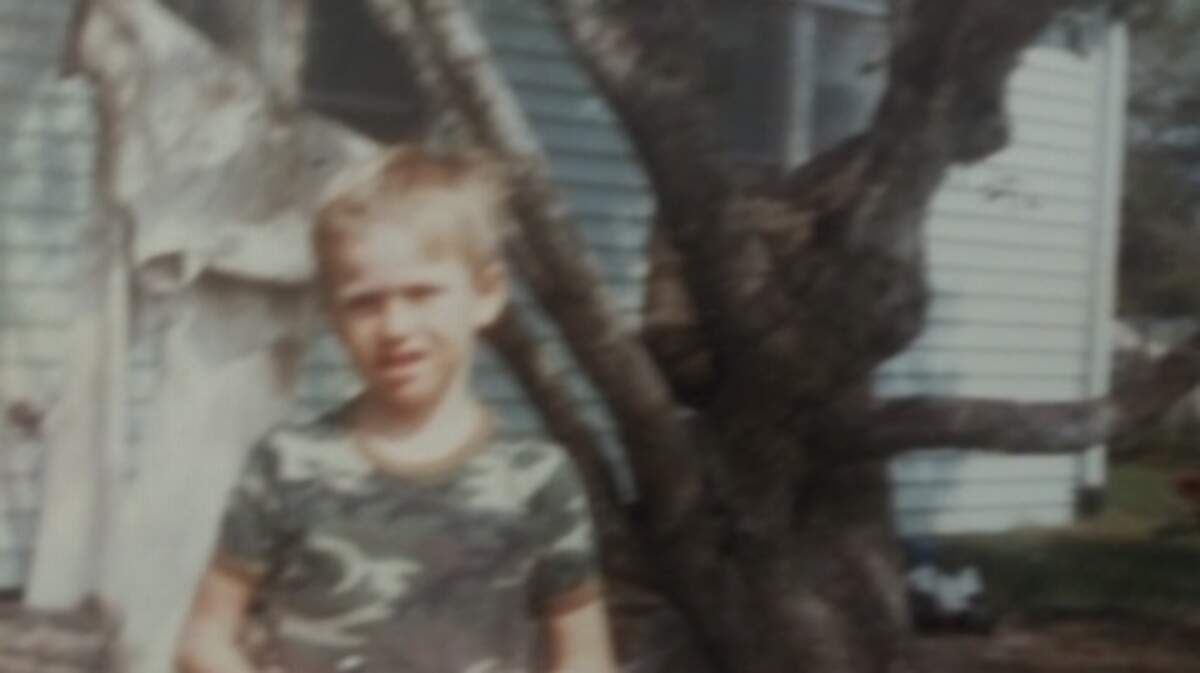
To his family, he was “B.J.” or “Bud,” a six-foot, 40-year-old man his mother describes as having the mind of a 7-year-old. He was a child trapped in the body of a strapping man, sort of like in the popular body-switch movies, but with an intellectual and developmental disability all too real. It came with a temperament and made him hard to handle.
The complexity of who he was only makes the unexplained death of Reginald Schroat — from a broken neck suffered while in state custody at a psychiatric hospital — all the more awful and tragic.
Why should we care deeply about what happened to Schroat on Oct. 12 at Florida State Hospital in Chattahoochee?
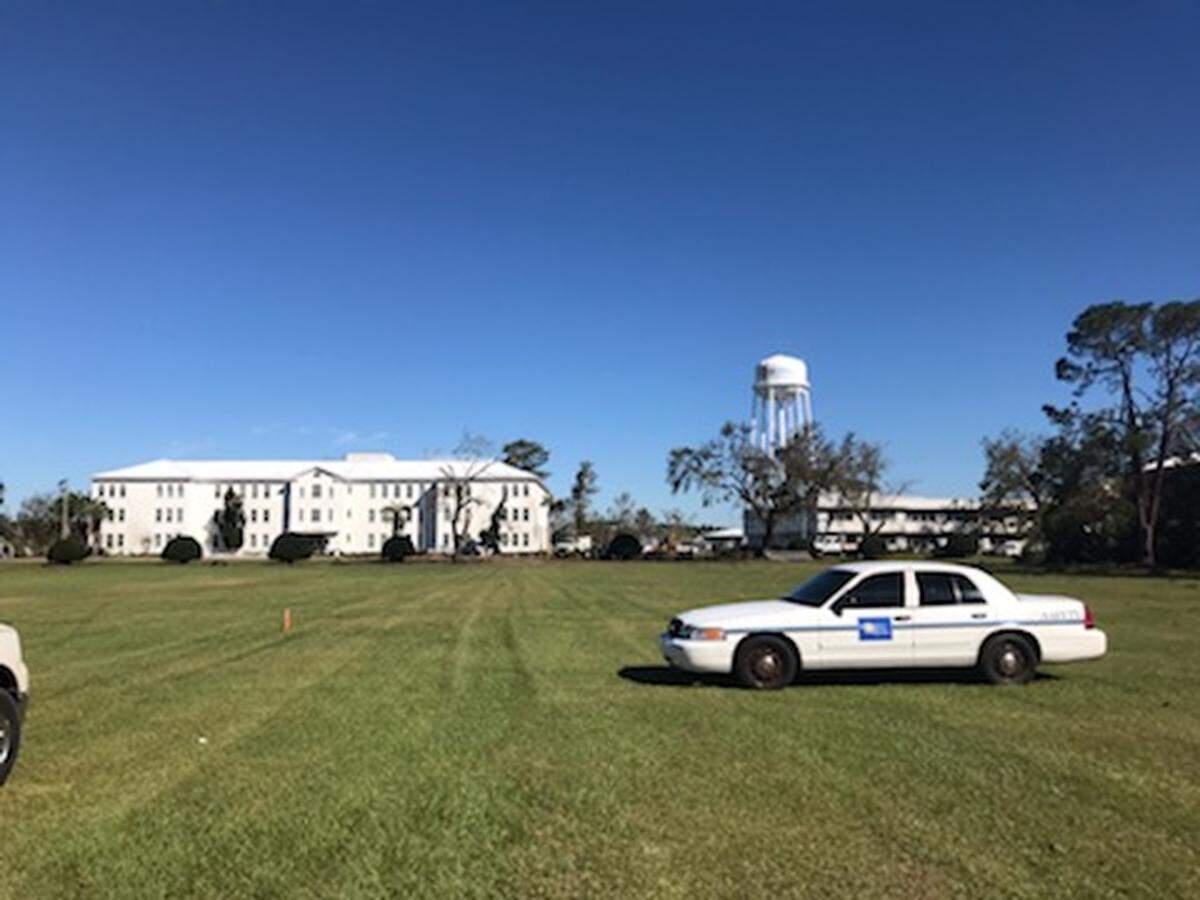
Because the fatal injury happened behind closed doors — and surveillance video shows a staff member shoving him into his room and two others quickly following inside. They remained there several minutes, according to a Miami Herald investigation by reporter Carol Marbin Miller.
By the time Schroat asked for help, he couldn’t feel his legs. After several surgeries, he died on Nov. 3 at Tallahassee Memorial Healthcare.
We should also all care because, if there was nothing to hide about his injury and death, why keep information from his family, advocates for disabled people and journalists?
The state and the Chattahoochee Police Department are withholding dates that would provide a clear timeline, narratives of the incident report, and other critical details from public records.
The Department of Children & Families is investigating Schroat’s death as a possible abuse of a disabled person and “institutional abuse,” but the agency would confirm to Marbin Miller only that it started its probe on Oct. 18. That means the hospital waited almost a week to report Schroat’s injury to DCF.
We should also care because Schroat is the second man to die this year under suspicious circumstances while under the care of Florida’s Agency for Persons with Disabilities.
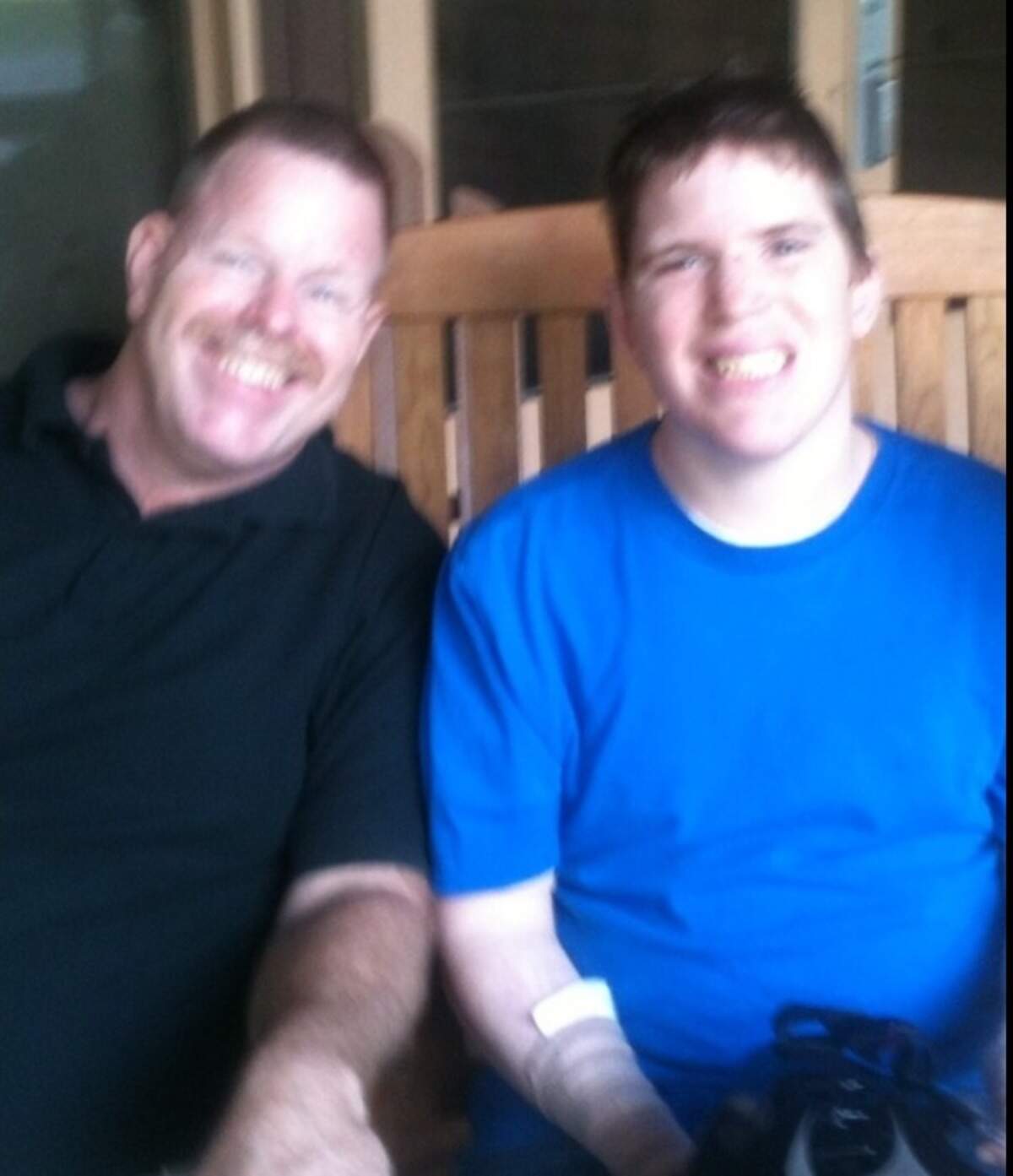
Last March, 26-year-old William “Willy” Lamson, a resident of troubled Carlton Palms Educational Center in Mount Dora, also suffered fatal and unexplained injuries while in a room with staff members. Autopsy results that he died of “traumatic asphyxia” were at odds with explanations given by caregivers that he banged his head against the wall and wasn’t wearing his protective helmet.
His death has gone unpunished. Lake County prosecutors declined to press charges, saying they couldn’t prove culpable negligence beyond a reasonable doubt. But at least the center was shut down.
Schroat, who had been found incompetent to stand trial on a charge of failing to register as a sex offender for a molestation of a teenage relative in Texas, was in the Developmental Disabilities Defendant Program.
If his sex-crime record is the point where I lose your sympathy, let me assure you that it’s irrelevant to the case at hand: a fatal injury and a possible cover up. The rights of people with disabilities, I would argue, should be protected to an even higher standard than those who have the intellectual capacity to understand their circumstances and speak eloquently for themselves.
And, as important as it is obvious, hospital workers aren’t by any means dispensers of any kind of justice.
His family deserves a full accounting of what happened to him — and so does the public.
The worth of government isn’t measured by how many press conferences to tout success its leaders stage, or how many press releases are issued about glowing accomplishments, but by how it operates day to day behind closed doors.
Over and over, whether it’s children in foster care, the elderly in nursing homes and assisted living, or disabled people in psychiatric care, we see too many cases where the state of Florida has failed the most vulnerable among us.
When those doors close behind people too feeble or unable to speak up for themselves, that is when we should be demanding the highest level of accountability.
We need to speak up for the sake of those wronged like Schroat, described by a cousin as “a child in his brain” — and for the rest of us who might one day be in their shoes.
This story was originally published November 14, 2018 at 7:00 AM.