
Soaring oil prices in the Caribbean could boost Venezuela’s influence in the region | Opinion
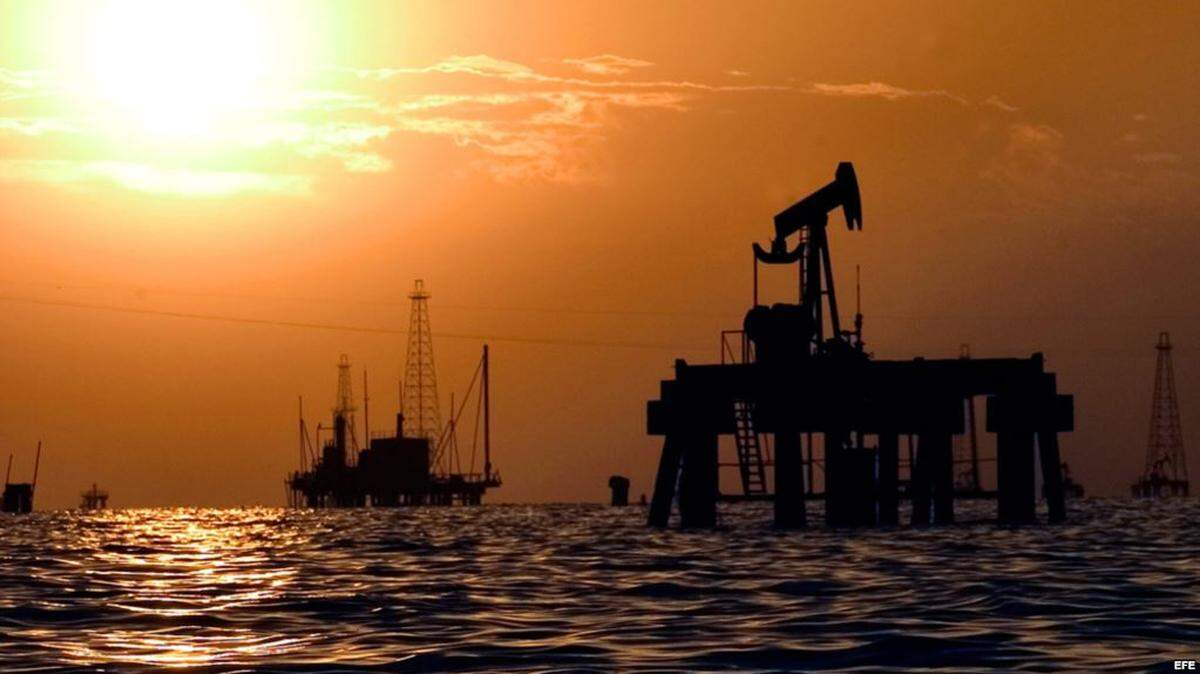
The rise in oil prices triggered by Russia’s invasion of Ukraine could create a big problem for the Biden administration in Latin America: It may create havoc for Central American and Caribbean oil-importing countries, and could prompt Venezuela to try to resume its oil diplomacy in the region.
Oil prices neared $100 a barrel on Feb. 22, following Russia’s ruler Vladimir Putin’s decision to recognize the independence of two separatist regions in Eastern Ukraine and to send Russian troops there. Economists say that oil prices could go up further if Putin carries out a full-scale invasion of Ukraine.
That’s already creating a big financial problem for Caribbean and Central American countries, most of which are oil importers. And it’s hurting Caribbean nations at a time when they are still reeling from a steep decline in tourism because of the COVID-19 pandemic.
“It’s a serious problem,” says Juan José Daboub, a former finance minister of El Salvador who served as managing director of the World Bank. “Most Caribbean countries had planned their budgets under the assumption that oil prices would be at about $50 a barrel this year.”
With oil prices at nearly twice that, most Caribbean and some Central American countries will have to increase their national budgets by at least 20% this year, Daboub estimates. They may have to buy oil with funds that they had earmarked for health, education or public works, he added.
To a lesser degree, it would also hurt South America’s oil importers, such as Chile, Uruguay and Paraguay. Chile imports about 95% of its oil and gasoline, although it will benefit from a rise in world prices for its copper exports.
Rising oil prices will also have important indirect effects on Latin America’s oil-importing countries, because it will drive up production prices of many of their exports. Central American and Caribbean exports of textiles, shoes and metal components will become more expensive.
“It will affect us brutally,” Roberto Alvarez, the Dominican Republic’s foreign minister, told me in a telephone interview, adding that since his country’s government took office, world oil prices have doubled. “It will be catastrophic for our budget.”
Roger Noriega, a former head of the State Department’s Western Hemisphere bureau, and who now advises the Dominican government, says that, “Russia, China, Venezuela, Iran and other U.S. rivals may take advantage of the scarcity of energy supplies to gain influence in the Americas.”
He added, “U.S. policymakers should get ahead of this predictable problem today, before it’s too late.”
Venezuela, which used to be a big oil exporter to Caribbean and Central American countries, has seen its oil production fall dramatically in recent years because of mismanagement and corruption.
But, with rising oil prices, Venezuela could divert some of its current oil exports to China toward Central America and the Caribbean, oil experts say.
Francisco J. Monaldi, head of the Latin American Energy Program at Rice University, told me that Venezuela could offer Central American and Caribbean countries a discount equivalent to its costs of transporting oil to China. In addition, Russia may try to evade U.S. sanctions and export oil to the region through third parties, economists say.
To make things worse, many Caribbean Basin oil importers don’t qualify for World Bank or International Monetary Fund emergency loans for poverty-ridden countries, because they are middle-income countries. Among them are the Dominican Republic, Costa Rica and Panama, which have recently formed an Alliance for Development in Democracy to promote investments and free-market policies in the region.
If the Biden administration doesn’t pay attention to the looming oil crisis in Central America and Caribbean, helping the countries get emergency loans from international financial institutions, Venezuelan dictator Nicolás Maduro will try to fill that void. It wouldn’t be the first time Venezuela does so — or that financially crippled oil importers in the region are driven to its arms.
Don’t miss the “Oppenheimer Presenta” TV show on Sundays at 7 pm E.T. on CNN en Español. Twitter: @oppenheimera; Blog: www.andresoppenheimer.com

This story was originally published February 23, 2022 at 7:18 PM.