Argentina has a deal with the International Monetary Fund. Too bad it’s just a Band-aid | Opinion
At last, after a long tug-of-war, Argentina has reached a preliminary agreement with the International Monetary Fund — the lender of last resort for debt-ridden countries — aimed at preventing the country from defaulting on its foreign debt for the 10th time in history.
But the deal is a Band-aid. It won’t get Argentina out of its periodic financial crises.
The Jan. 28 preliminary agreement calls for short-term economic measures, the most painful of which will not go into effect until 2024, once the next government is in power. It includes vague promises that Argentina will reduce public spending, cut some energy subsidies and clamp down on tax evasion.
But it doesn’t address the structural problems that have made Argentina an economic basket case for many decades.
It doesn’t address the country’s anti-business laws and foreign-exchange controls that scare away investments; or its lack of free-trade agreements with some of the world’s biggest economies; or its ridiculously stringent labor regulations that prevent companies from hiring more workers.
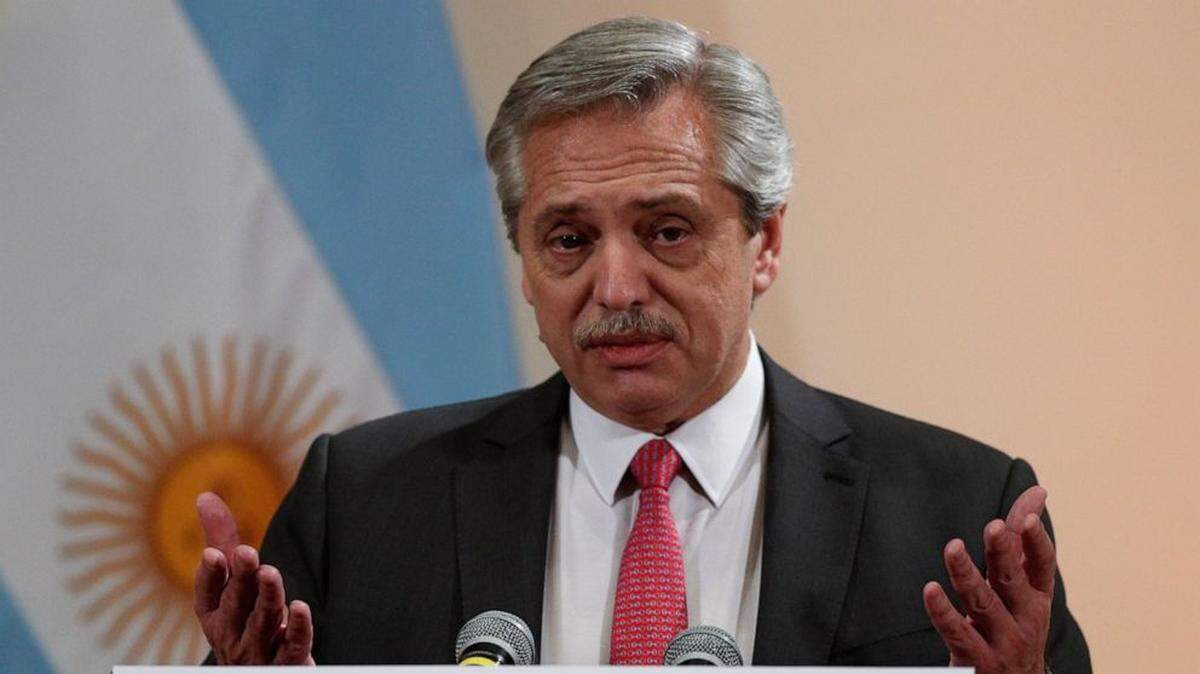
And even its short-term economic goals are in doubt, since the powerful left wing of populist President Alberto Fernandez’s Peronist party openly opposes the deal.
Alejandro Werner, who until last year was the IMF’s top official in charge of Western Hemisphere countries, told me that the preliminary agreement is “weak.”
“The announcements that have been made so far portray an economic program that is meager,” Werner said. “From a structural standpoint, it doesn’t contain a package of measures that could increase Argentina’s economic competitiveness and pave the way for long-term growth.”
The preliminary deal — in fact, a memo of understanding between the IMF staff and Fernandez’s government that has yet to be approved by the IMF’s top authorities — allows Argentina to avoid an imminent crisis, if only by postponing it.
Argentina faced a $700 million payment on its $44.5 billion debt to the IMF, due Jan. 18.
In the short term, the deal lets both sides save face. Fernandez managed to steer clear of major free-market reforms that are anathema to his left-of-center base, while preventing an imminent default. The IMF saved face by avoiding a default by its biggest debtor, which would have made a big hole in its balance sheet.
“The IMF faced the dilemma of supporting an economic program which it really didn’t fully believe in, or to insist on a program that Argentina would never implement,” Werner told me. “It opted for the best possible program this government would agree to sign.”
As Washington Post correspondent Anthony Faiola rightly put it in a Jan. 31 story, “Argentina is a debt addict and the IMF its dealer.” He added, “But if Argentina is a victim, it’s from self-inflicted wounds.”
Indeed, Argentina was once one of the world’s richest countries, but it has been living beyond its means since late President Juan Domingo Peron rose to power in 1946. Many Europeans, including my parents, moved to Argentina in the past century because — much like the United States or Australia — it was widely seen at the time as the country of the future.
But Argentina has been on a spending spree ever since — and going downhill.
When world-commodity prices go up and Argentina’s grain exports soar, the country fools itself into believing that the good times will last forever. And when world-commodity prices collapse and no commercial bank will lend it money, Argentina takes huge loans from the IMF, which it later, absurdly, blames for its economic woes.
Fernandez’s Peronist party has long claimed that the IMF loans are a key cause of Argentina’s problems. In reality, it’s the other way around: Argentina’s IMF loans are a result of its economic troubles.
Meantime, Argentina continues to depend on commodity prices, instead of using its human talent to create new knowledge-based industries that are much more lucrative today.
The latest Argentina-IMF deal is good news in the sense that it will prevent an immediate default, hyperinflation and a greater increase of poverty. But will it push Argentina to start doing the structural reforms it needs to attract investors, grow and reduce poverty? Definitely not.
Don’t miss the “Oppenheimer Presenta” TV show on Sundays at 7 pm E.T. on CNN en Español. Twitter: @oppenheimera; Blog: www.andresoppenheimer.com