
There’s a free, effective remedy for students falling behind while schools are closed | Opinion
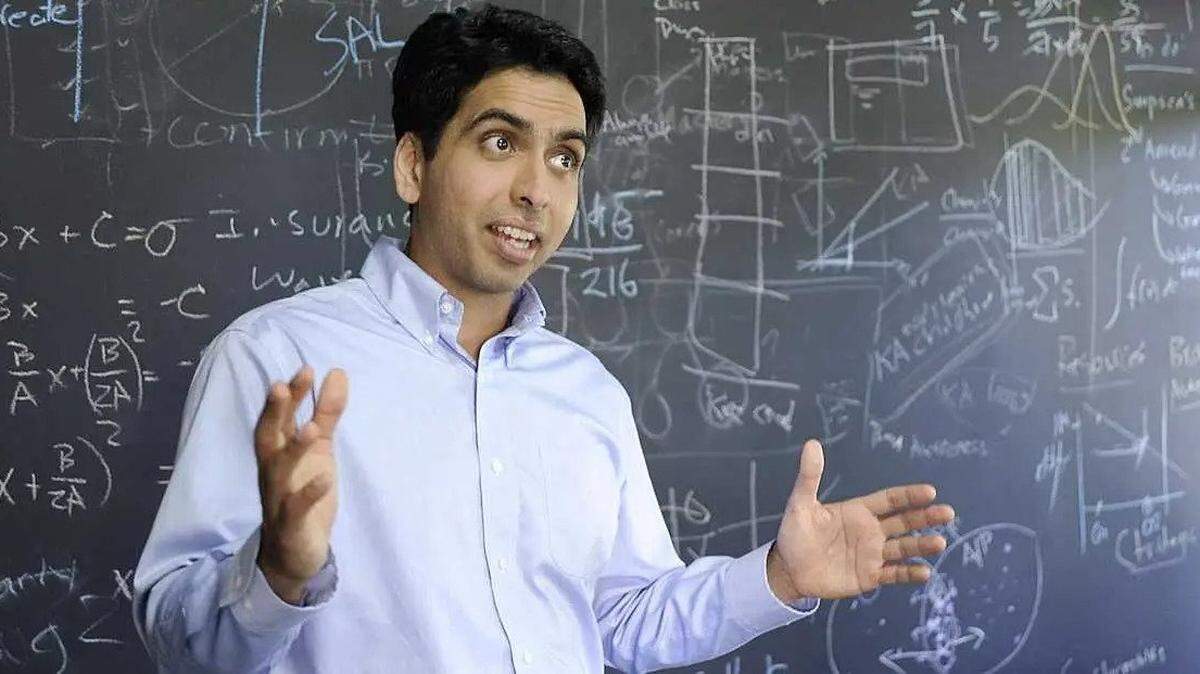
With schools closed around the world and millions of children doing online learning because of the COVID-19 pandemic, the educational gap between students from wealthier families and those from poorer one is about to widen dramatically.
But there’s a good solution, and it’s free.
To state the obvious, as education has shifted to online learning since the start of the pandemic, children from families that can afford a private tutor, or have computers and high-speed internet connections at home, are doing much better than those that don’t. That may lead to massive school defections of children from low-income households.
While about two-thirds of 15-year-old students have a computer and good internet connection at their home in the United States and other rich countries, in Latin America only one-third of students age 15 have those tools at home, says a study by the Organization for Economic Cooperation and Development (OECD).
The growing educational disparity accelerated by the pandemic may haunt developing nations for decades to come. As we plunge fully into the Zoom economy, with more people working from home, more e-commerce and more robots doing manual work in factories, education is going to be more important than ever.
That’s why the remarkable work done by the nonprofit Khan Academy, a free online-learning platform that helps millions of students keep up with their math and science courses deserves greater attention. It does so mainly through short interactive videos in English, Spanish, Portuguese and other languages.
The academy was created in 2008 by Salman Khan, a well-known Silicon Valley social innovator. With a staff of 200, the company relies exclusively on its estimated 200,000 individual and corporate donors. Its motto? “Free world class education for anyone and anywhere.”
Since the start of the coronavirus pandemic in February, the Khan Academy saw the number of registered students soar from 90 million to 107 million around the world. Tens of millions more use the platform just to learn one or more specific math lessons without registering as regular students.
I have been a long-time fan of Khan, and wrote about him as one of the world’s great social innovators in my 2014 book “Innovate or Die.”
Unlike Mark Zuckerberg and other Silicon Valley innovators who created massive free online platforms and later monetized them and became billionaires, Khan has never allowed advertising or data sharing on his website. He considers himself “one of the luckiest people on the planet,” because he is helping tens of millions of people.
In a June 25 interview, Khan told me he has deep concerns about the long-term impact of the COVID-19 pandemic on student learning. Studies of what happens to students during the three-month summer vacations give us a good idea of what will happen after school shutdowns end, he said.
“It’s well documented that those three months of summer vacation are not only a time when students aren’t learning, but it’s also a time when students forget,” Khan told me. “Now, with COVID-19, students will have been out of school for five or six months.”
He added that, “There’s good evidence that this might lead not only to six months of lost learning, but an entire year of lost learning. So whatever inequities were already in place before COVID-19, it’s very possible that they’re going to become much larger.”
In addition to the company being an effective alternative for students falling behind in online learning, more U.S. school districts and foreign countries should invite the Khan Academy to synchronize its videos with their school courses. School districts in Detroit, Las Vegas and Long Beach, among others, already are doing so.
Summing up, the COVID-19 school closures are likely to widen the learning gap — and perhaps bring about an educational debacle — in the United States, and around the world.
Instead of sitting idly or waiting for magical solutions, schools and students should take advantage of this online learning tool. It’s already there, it has helped millions of student and it’s free.
Don’t miss the “Oppenheimer Presenta” TV show at 8 p.m. E.T. Sunday on CNN en Español. Twitter: @oppenheimera
This story was originally published June 26, 2020 at 7:23 PM.