
Undocumented students may no longer be welcome in Florida colleges, adult education
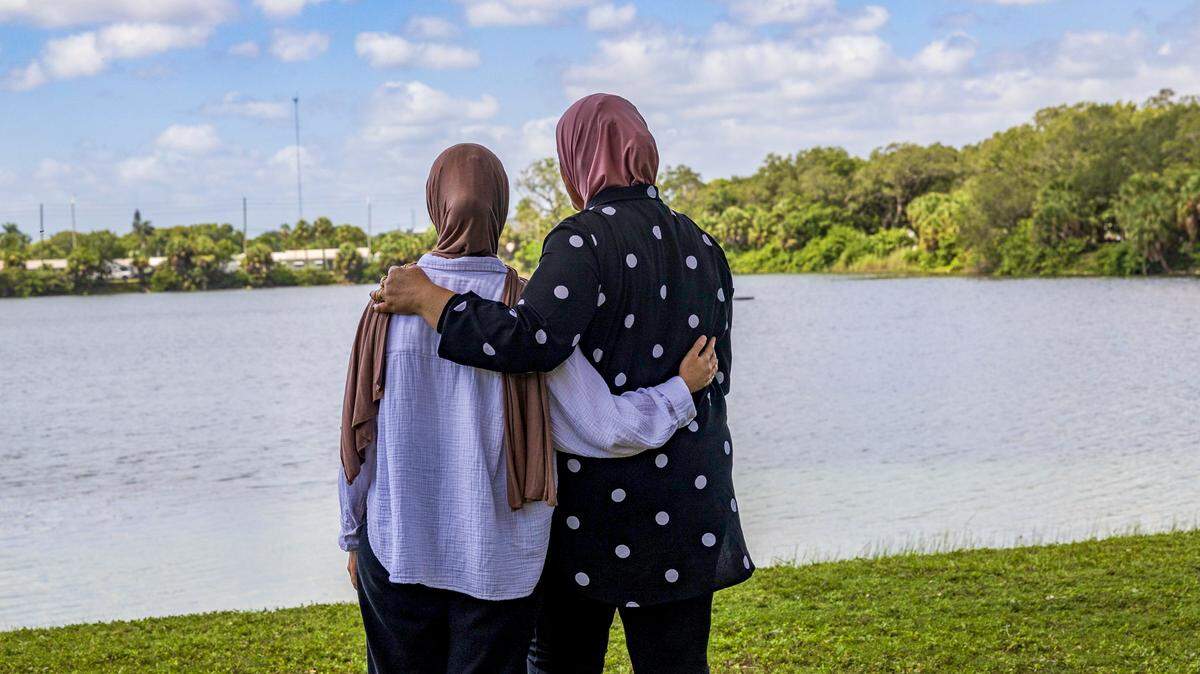
For undocumented immigrants trying to learn English, earn a high school-equivalency diploma or take the first step toward college, Florida is proposing changes to its education rules that critics say will turn classrooms into another immigration checkpoint
The Florida Department of Education wants students to prove they are U.S. citizens or lawfully present in the country before enrolling in Adult General Education programs or being admitted to any of the state’s 28 public colleges.
The proposals have drawn opposition from immigrant-rights and policy groups, who say the rules would force schools to screen students’ immigration status and restrict access to an education.
“What it’s doing is really just turning these colleges and these general ed programs into something they’re not, which is immigration enforcement entities,” said Norín Dollard, a senior policy analyst and Kids Count director at the Florida Policy Institute.
Among the estimated 1.6 million people living in Florida without legal status, about 49,000 are undocumented students enrolled in public or private higher education in Florida, according to Higher Ed Immigration Portal. About 8,000 undocumented students graduate from Florida high schools each year.
The Florida Board of Education was expected to vote on the proposals on May 15. The board is now expected to consider the changes June 30.
In-state tuition repeal
The proposals come after Florida last year repealed in-state tuition eligibility for undocumented students, reversing a 2014 law that allowed some undocumented students to pay in-state rates.
While the in-state tuition repeal made college more expensive, the new rules could prevent undocumented students from enrolling in Florida College System institutions and adult education programs altogether.
Maria Gabriela Pacheco, president of TheDream.US, which helps undocumented students access and pay for college, said the proposed rules raise broader questions about how far Florida is willing to go in making immigration status a condition for education. The rules, she said, could move the state from making college harder to afford for the undocumented to blocking some students from entering classrooms altogether.
“They want to shut people out from higher education,” Pacheco said. “It’s very unfortunate, because this is not a good strategic vision for the state of Florida.”
One proposed rule would require adult education providers to create written policies to verify status and apply them consistently and in a nondiscriminatory manner for those applying for Adult General Education programs.
The second proposed rule would require each college’s board of trustees to adopt policies ensuring that all admitted students are have legal immigration status. Applicants would have to provide “clear and convincing documentation” before admission, defined in the rule as documentation that is “credible, precise, and compelling enough” to show citizenship or lawful presence. This rule would apply to the Florida College System — which includes Miami-Dade College and Broward College. It would not affect state university system schools like Florida International University or the University of Florida.
The state Department of Education didn’t respond to the Miami Herald’s questions about why the May 15 vote was postponed, how many students could be affected or whether the rules would apply to current students.
Neither rule lists the documents students would have to provide, how schools should evaluate them or whether the state would create one uniform process for all institutions.
The Dreamers
Pacheco said the rule changes would heavily affect access to community colleges, which remain one of the few affordable routes left for undocumented students.
“This is where the Dreamers get to go,” Pacheco said, referring to the estimated 2.6 million undocumented immigrants in the U.S. who were brought to the country as children. A half million of them are enrolled in the Deferred Action for Childhood Arrivals program, DACA, an Obama-era program that’s supposed to offer protections from deportations and other benefits.
Pacheco said the rules would send a message that some students are less deserving of opportunity because of their immigration status.
“We’re not necessarily talking about free education,” Pacheco said. “We’re talking about students who are paying for their classes, who are enriching our colleges and universities, who are getting an education, and it’s going to allow them to be stronger taxpayers, stronger contributors to our community.”
The lack of guidance in the proposed rules drew concern from the state Legislature’s Joint Administrative Procedures Committee, which reviews whether agency rules comply with Florida’s rulemaking laws.
Committee coordinator Kenneth Plante said the group isn’t weighing in on whether undocumented students should be allowed to enroll in adult education programs or Florida colleges. Its concern is narrower: The proposed rules give too much decision-making power to individual schools and providers.
‘No criteria’
“Every school, every provider, there’s no guidance, there are no criteria,” Plante said. “It just gives each school unbridled discretion to come up with whatever they want.”
That same language was used in the two comments the committee filed on May 15 and 19. “It appears to vest providers with unbridled discretion in making the citizenship determination,” Jowanna Oates, chief attorney for the committee, wrote. The Florida Department of Education hasn’t responded to either letter.
Plante said verification procedures should be uniform across the state. A student should not be able to qualify at one institution but be denied at another because each school has a different process, he said.
If the Florida Department of Education establishes clear statewide guidelines for how institutions should verify citizenship or lawful presence, Plante said, the committee could accept the rules depending on what the department proposes.
Dollard said the department is trying to use rulemaking to create a policy that should be decided by lawmakers.
“It is not the job of the Department of Education, the Board of Education, in writing these rules to do the Legislature’s job,” Dollard said.