Trump revives strict rule that could block green cards and visas — key things to know
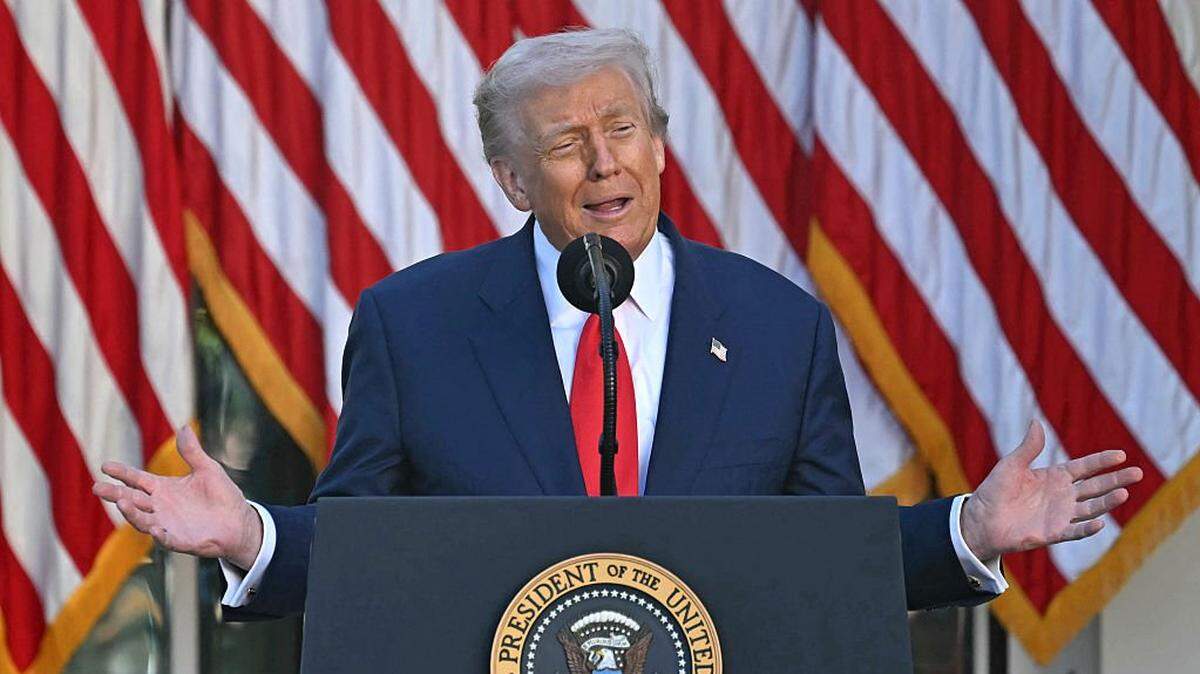
The Trump administration is once again targeting immigrants who apply for key benefits to live in the United States, such as permanent residence or green cards.
The president has decided to reinstate a controversial policy that broadens the criteria used by the U.S. Citizenship and Immigration Services (USCIS) to reject applications for adjustments of status by foreigners.
This policy on permanent residency had been applied similarly during Trump’s first term, but the Biden administration later rolled back the rules.
How the rule could affect visas and green cards
The Trump administration has proposed expanding the criteria for immigration officials to deny green cards and visas to foreigners they consider likely to become a public charge in the United States.
The proposal was announced Wednesday in the Federal Register, where it states that the Department of Homeland Security (DHS) intends to repeal the 2022 rules issued under the Biden administration that govern adjustments to the public charge inadmissibility rule.
“The 2022 regulations are not the best implementation of the statute, inconsistent with congressional intent, unduly restrictive, and hamper DHS’s ability to make accurate, precise, and reliable determinations of whether certain aliens are likely at any time to become a public charge”, the document states.
With the rescission of previous limits during the Biden era, the Trump administration “would restore broader discretion to evaluate all pertinent facts and align with long-standing policy that aliens in the United States should be self-reliant and government benefits should not incentivize immigration”.
The measure would affect not only green card applications, but also legal entry into the U.S. through visa programs if USCIS determines that the foreign national could become a public charge.
Trump expanded the rule in 2019 to bar immigrants who had previously relied on certain public benefits for food, housing, or health care — including Medicaid or the Children’s Health Insurance Program (CHIP) used for their U.S-born children — leaving many unable to apply for permanent residence and causing families to forgo assistance for fear of USCIS denials.
Why the Trump proposal is sparking backlash
USCIS spokesperson Matthew J. Tragesser told Newsweek that the proposal upholds the “long-standing policy that aliens in the United States should be self-reliant.”
The rules imposed by Trump in 2019 threatened applications for vital assistance programs for immigrants, such as public housing, the Supplemental Nutrition Assistance Program (SNAP), and most of Medicaid.
Several pro-immigration voices have rejected the Republican administration’s new measure, saying it could affect foreigners living legally in the U.S.
According to Newsweek, Kica Matos, president of the National Immigration Law Center, said in a press release that the new public charge policy “is yet another attack designed to sow fear and confusion in immigrant communities.”
“Trump’s obsession with public charge is horribly consistent with his vision to remake the U.S. into a country where only the white and wealthy belong and can get ahead”, said Matos.
“Immigrants don’t live in isolation. Many of them live in mixed-status families,” said Adriana Cadena, executive director of the advocacy group Protecting Immigrant Families, according to Politico.
The proposal comes on top of a recent measure imposed by the Trump administration to deny visas to foreigners with chronic illnesses, such as diabetes, cancer, or obesity, on the grounds that they could subsequently become dependent on the U.S. public health system.
This story was originally published November 20, 2025 at 9:44 AM.