‘The nightmare is over’: Venezuelans celebrate release of men held in El Salvador
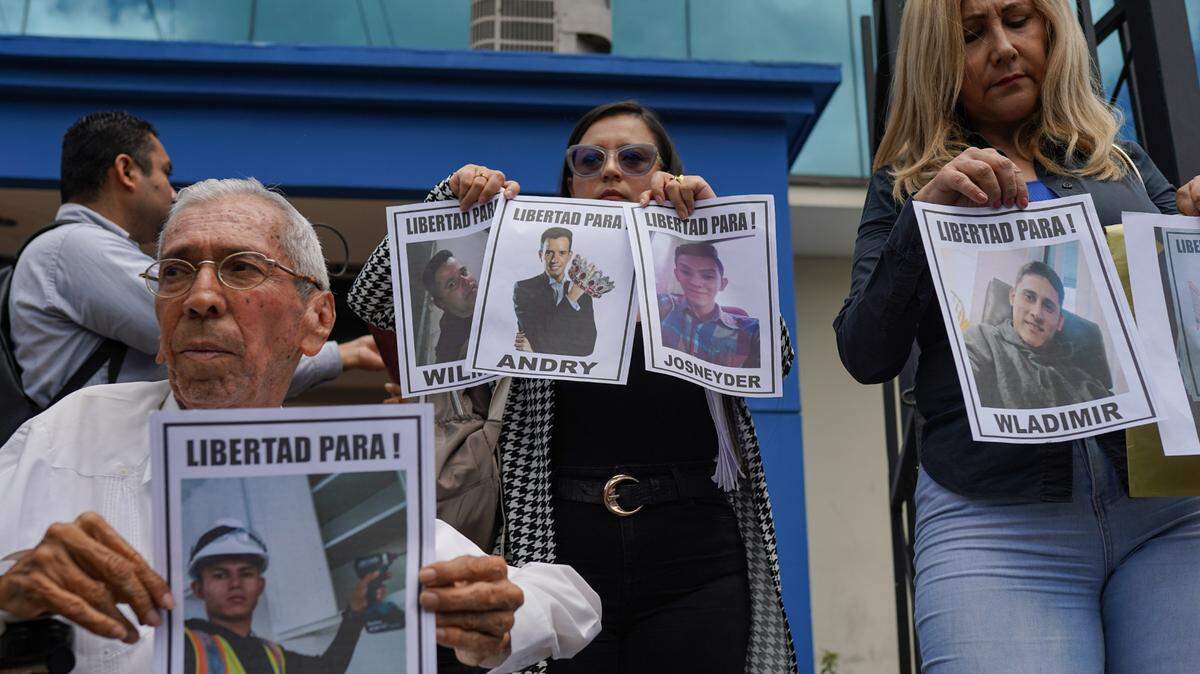
Two families who say their loved ones were wrongly accused of being violent gang members and held for more than four months in El Salvador’s megaprison are celebrating after the men were among 252 people swapped by the U.S. government on Friday in exchange for political prisoners and Americans held in Venezuela.
Tears streamed down Daniela Palma’s face as she learned that her boyfriend—who had been granted refugee status by the U.S. government in Colombia alongside her in 2023—was finally free after months of what she calls “unjust detention.” For his safety, the Miami Herald is identifying him only by his initials, E.M., due to the risk of retaliation by Venezuelan authorities.
“The nightmare is over,” she said to the Herald.
Many of the Venezuelans sent to El Salvador’s Terrorism Confinement Center, or CECOT, had pending asylum cases. But their relatives and attorneys told the Herald they were never given the opportunity to present their claims in court before being deported to El Salvador. Now, their future in Venezuela remains uncertain.
“I knew that only God could work this miracle, and He did,” she told the Herald.
Palma, 30, and her partner, 29, arrived at George Bush Intercontinental Airport in Houston on Jan. 8 after spending two years in Bogotá. Fleeing the Maduro regime, they were granted refugee status by U.S. officials in Colombia in 2023, hoping to rebuild their lives in safety. In Bogotá, they scraped by through informal work—selling food in the streets, making deliveries—doing whatever was necessary to survive.
But upon arriving in Texas, their hopes unraveled in moments.
An immigration officer asked E.M. a seemingly routine question: “Do you have any tattoos?” It was the same question he had answered in Colombia during a rigorous screening process. He responded honestly, lifting his shirt and pant legs to show tattoos on his chest, arms, and legs—a crown, a soccer ball and a palm tree.
READ MORE: ‘Crime of tattooing’: Why experts say body ink is no way to ID Venezuelan gang members
That moment changed everything.
Despite having no criminal record and legal refugee status, E.M. was detained and transferred through three immigration detention centers in Texas. U.S. immigration officials flagged his tattoos as potential gang affiliations—specifically with Tren de Aragua, a violent Venezuelan prison gang operating across Latin America. Ultimately he was sent to El Salvador’s CECOT prison as part of a crackdown targeting alleged gang members.
READ MORE: Despite refugee status in the U.S., young Venezuelan was deported to Salvadoran prison
Palma, facing threats of prolonged detention herself, agreed to be deported back to Colombia. They have been separated since January. She received the news from Bogotá, where she returned brokenhearted without him.
‘No more tears’
E.M. and the majority of Venezuelans sent to El Salvador were deported by the Trump administration through extraordinary wartime powers based on a 1798 law called the Alien Enemies Act. The administration sent them to the Terrorism Confinement Center in El Salvador, claiming they were members of the notorious Venezuelan gang Tren de Aragua.
Friday’s swap also included seven unaccompanied children—ranging in age from one to 12—who had been separated from their Venezuelan parents during earlier deportations, according to high-ranking Venezuelan official Diosdado Cabello, speaking as the children arrived at the international airport in Maiquetía. Since President Donald Trump took office, Venezuela has received more than 7,000 deportees.
Another family celebrating is that of Frengel Reyes Mota, a Venezuelan asylum seeker who was supposed to be pursuing his ongoing case to stay in the United States but instead found himself locked up thousands of miles away in the megaprison.
The 25-year-old father has no criminal record in Venezuela. His U.S. immigration detention records contain multiple errors, raising serious questions about their reliability. He has no tattoos, and his family denies any gang affiliations.
The U.S. government claimed on Reyes Mota’s I-213 form — a document the Department of Homeland Security uses to support an assertion that someone is deportable — that he “may be a Tren de Aragua associate.” But in those same documents, the government says he has no criminal records or immigration history in the United States. The government also uses someone else’s last name in several parts of the document, identifies him with female pronouns, and uses two different unique identification numbers that immigration authorities use to keep track of individuals, raising questions about the reliability of Trump officials’ accusations against him.
In federal court documents, the Trump administration acknowledged that “many” Venezuelans it accused of being dangerous gang members—and subsequently deported under presidential wartime powers—have no criminal records in the United States. However, the administration argued this was because those individuals had only been in the country for a short time.
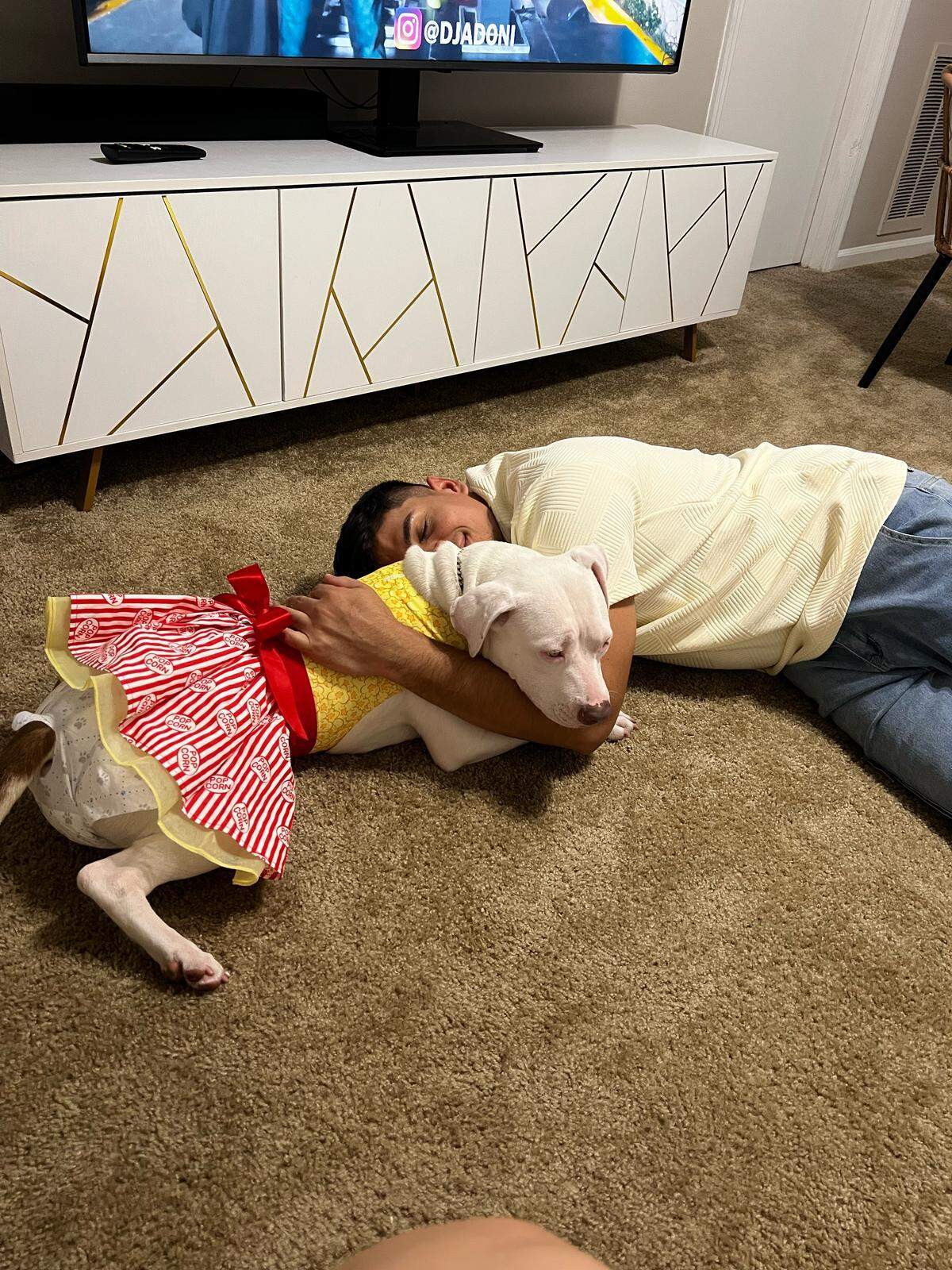
At a young age, Reyes Mota chose to build a life with Liyanara Sánchez, who was already a mother. To her son Daniel, now 10, Reyes Mota wasn’t just a stepfather, he was a true dad.
When news of his release broke, Daniel sent a video message to the Herald, his voice filled with emotion: “They won’t have to suffer anymore—no more tears,” he said. “I miss him so much. I just want to tell him to stay strong.”
Sánchez, too, expressed her joy and anticipation. “I long to hear his voice and hold him in my arms,” she said.
This story was originally published July 18, 2025 at 7:11 PM.