‘Alligator Alcatraz’: What you need to know about the Everglades detention camp
Florida’s decision to build a massive detention facility for undocumented immigrants in the middle of the Everglades is fast becoming one of the most controversial symbols of the Trump administration’s immigration crackdown. It pits environmental protection and Indigenous rights against political ambitions and border enforcement priorities. And with the facility expected to open soon, the fight over the swamp-bound detention center seems far from over.
Dubbed “Alligator Alcatraz” by its backers, the project reflects Governor Ron DeSantis and President Donald Trump’s aggressive approach to immigration enforcement.
Here’s what we know so far:
Q: What exactly is being built in the Everglades?
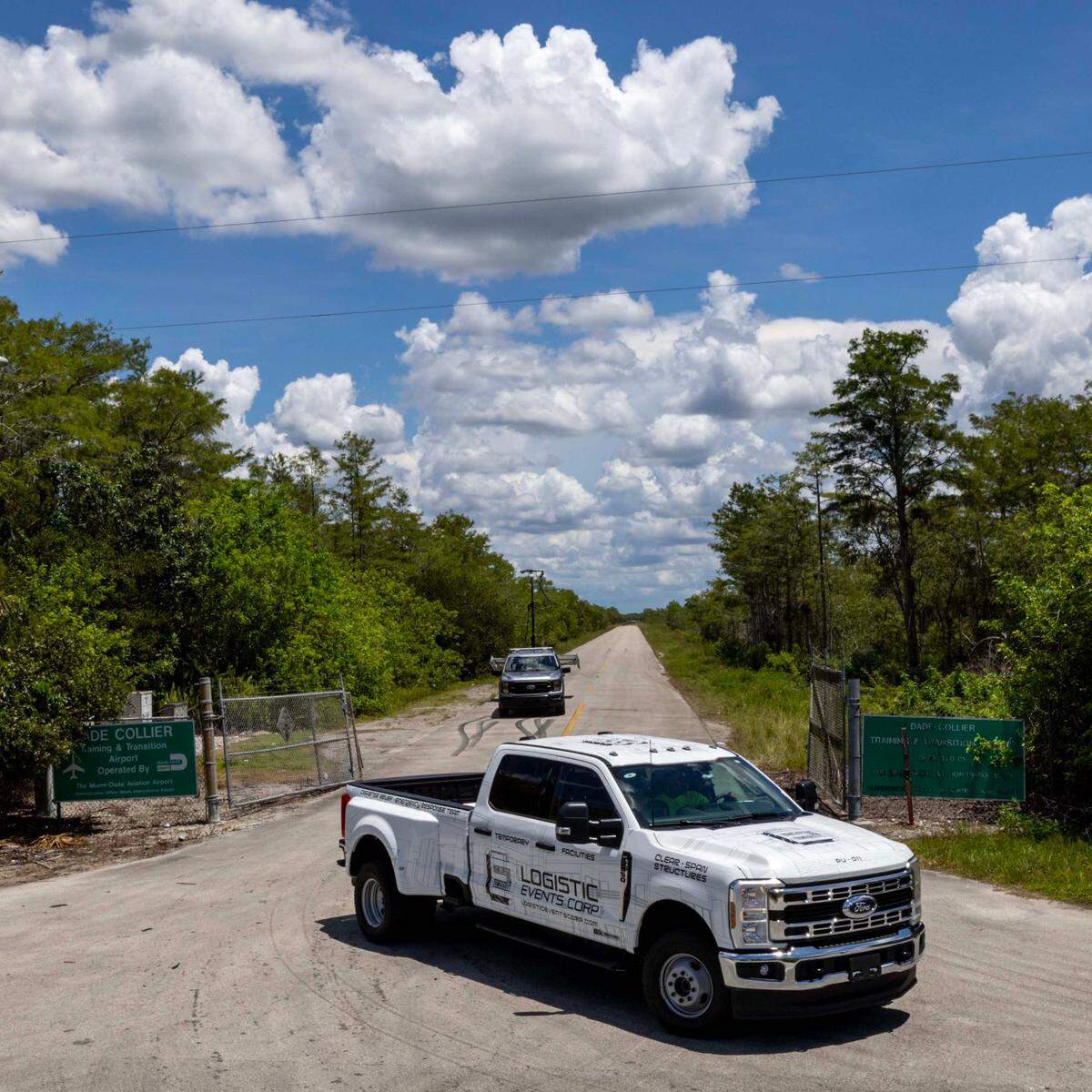
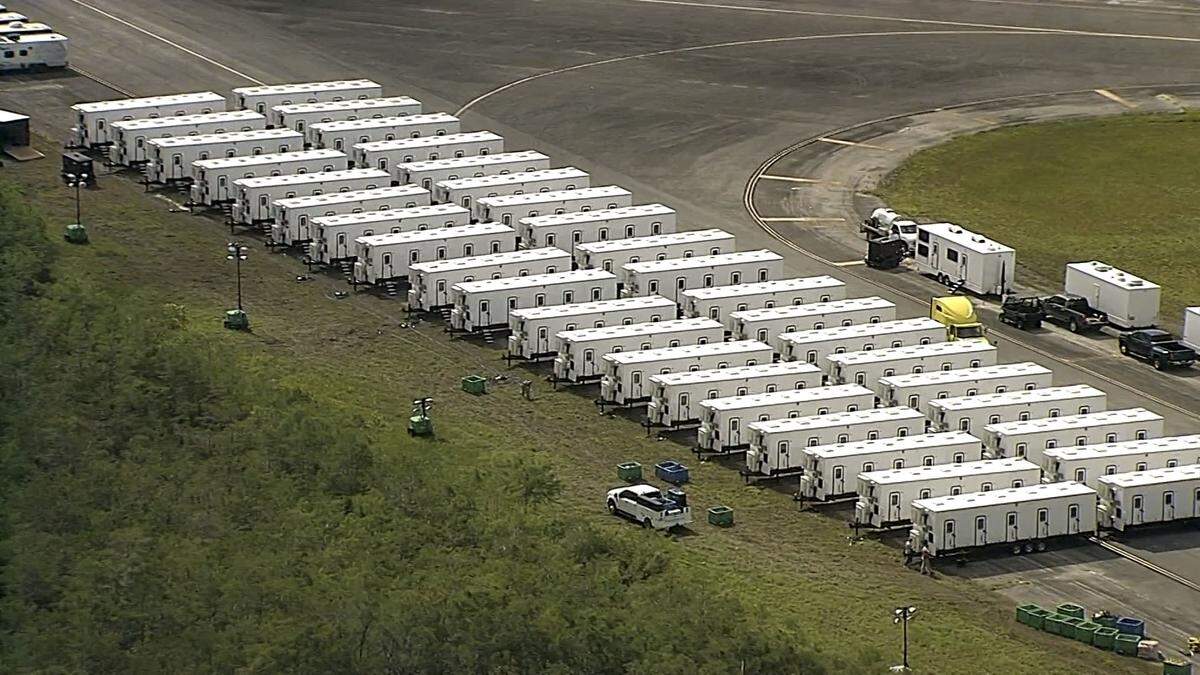
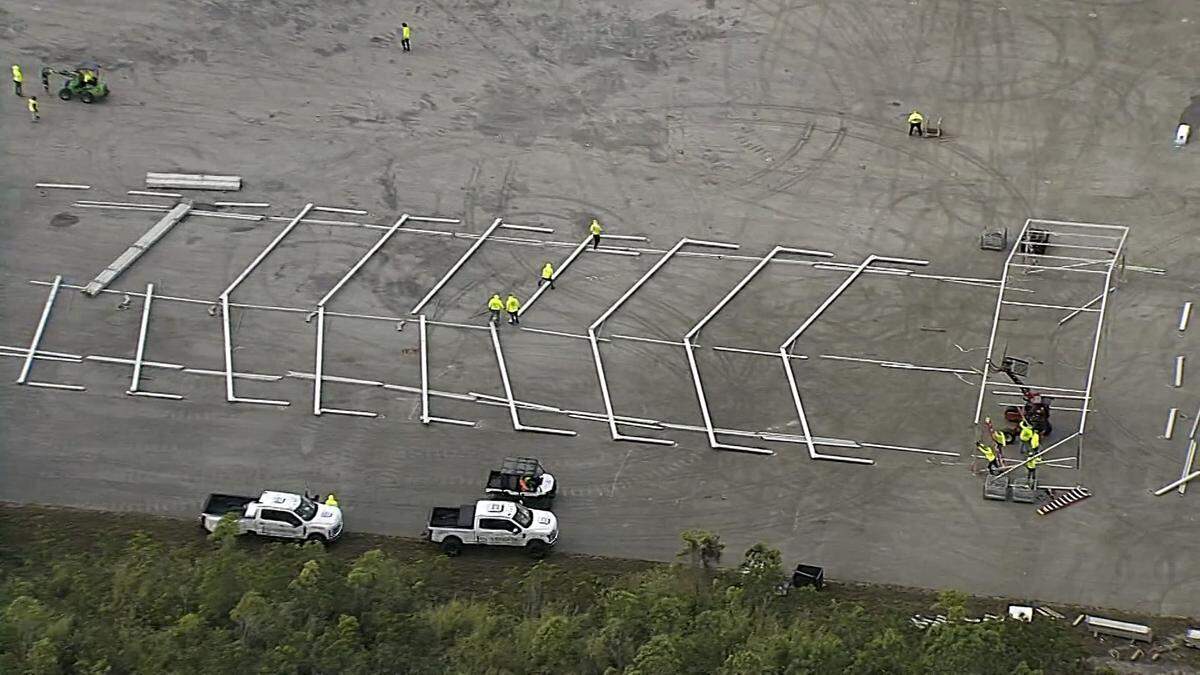
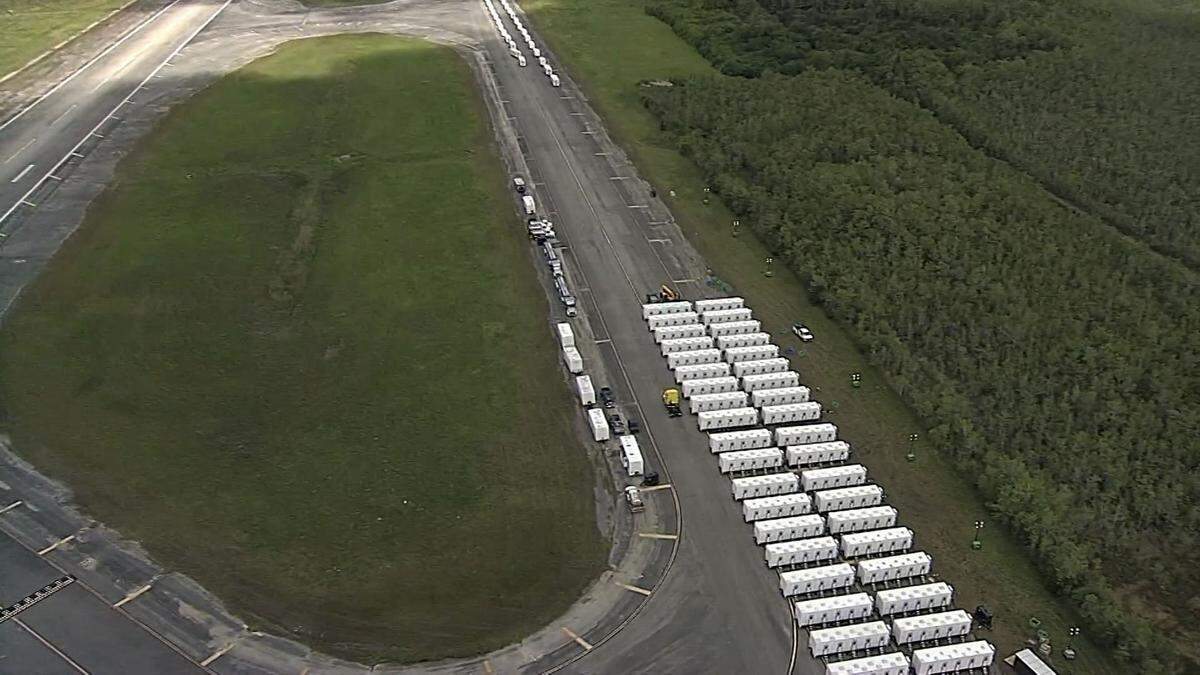
A: Florida has begun construction on a 1,000-bed migrant detention center on an old airstrip in the Big Cypress National Preserve, a protected part of the Everglades. The facility, which officials describe as “temporary,” will consist primarily of large tents and trailers and is expected to house undocumented immigrants detained both within and outside Florida.
With support from the federal government, administration of Gov. Ron DeSantis began moving in trucks this week loaded with portable toilets, industrial generators and supplies to establish what state officials are calling “Alligator Alcatraz.” A private emergency management company was also spotted on site assisting with the rapid setup.
Q: Why is it being called ‘Alligator Alcatraz’?
A: The nickname came from Florida Attorney General James Uthmeier, a Trump ally who touted the site in a video posted on social media. He emphasized the remote and hazardous nature of the swamp, saying, “There’s not much waiting for [detainees] other than alligators and pythons. Nowhere to go, nowhere to hide.”
The term underscores how the isolation and natural dangers of the area are being used as a deterrent — and potentially a substitute for traditional security infrastructure.
Q: Why is the location controversial?
A: The Everglades is one of the most important and fragile ecosystems in the United States. Environmentalists and local officials argue that placing a detention center there will damage critical wetlands, disrupt wildlife habitats, and undermine decades of restoration work. Over the past 35 years, more than $10 billion has been spent to restore the Everglades’ natural water flow.
The site is also historically significant. In the 1960s, there was a failed plan to build a massive international airport in the same area. That project was ultimately scrapped by President Richard Nixon, who called the cancellation “an outstanding victory for conservation.”
Q: How much will it cost, and who is footing the bill?
A: The migrant detention facility is among several facilities planned by the state that together will cost around $450 million annually to operate, according to federal estimates. This includes the cost of setting up and running the facility on the site of the Dade-Collier Training and Transition Airport. While the state is responsible for the initial construction and setup, it can seek reimbursement for some of these costs from the Federal Emergency Management Agency.
Q: Who owns that land?
A: The site falls within Miami-Dade County, and the state has offered $20 million to purchase the land. But two recent appraisals pegged the value at nearly $195 million. Despite the lack of a finalized purchase, the state has already invoked emergency powers from a 2023 executive order to take control of the property and begin development.
Q: Can the state take over the property without the county’s approval?
A: Yes. Under executive orders signed by DeSantis during the Biden administration, he declared a statewide immigration emergency. That gives the state the authority to seize county-owned property like this airfield for emergency purposes. Miami Dade Mayor Daniella Levine Cava said Tuesday that the county is reviewing its legal options, but that the state of Florida is exercising powers granted to them under those orders.
Q: What’s the federal government’s role in the project?
A: The Department of Homeland Security supports the construction of new detention centers in Florida, calling them “cost-effective and innovative.” Florida will run the facility, with the possibility of reimbursement through FEMA’s Shelter and Services Program, which has allocated $625 million for the effort.
DHS Secretary Kristi Noem has defended the move, saying the previous administration used the program as a “piggy bank” to support sanctuary cities and migrant services. The current plan redirects those funds to state-run detention infrastructure.
Q: What will the facility look like when it’s up?
A: Picture a remote, temporary “tent city” with minimal permanent infrastructure, nestled deep in swamplands teeming with dangerous wildlife. It’s built within fenced perimeter zones — if fences are added — relying largely on Mother Nature as the security cordon. The stark visuals: rows of white-tan tents, trailers, and utility pods sitting on a cleared airfield, surrounded by dense wetlands, clouds of mosquitoes and lurking reptiles.
Q: How many people will the facility hold?
A: It is initially designed to hold from 500 to 1,000 detainees when it opens, but there are plans to expand it.
Q: When will it open?
A: Experts believe that the facility could become operational within 30 to 60 days of the start of construction, but given that housing will consist mainly of tents, it is possible that migrants might begin to be transferred there in a matter of days. “They’re working very quickly,” Levine Cava said Tuesday, adding that she expects the temporary detainment camp to be up and running in a matter of days, with the first beds occupied as early as July 1.
Q: Is the airport currently in use?
A: Yes. The Dade–Collier Training and Transition Airport is operational, but it’s primarily used for general aviation and flight training. While it was initially planned to be a major airport, environmental concerns and the development of flight simulators led to its current role.
Q: What are critics saying?
A: The plan has triggered widespread outrage:
Environmentalists warn that the facility could pollute wetlands and threaten endangered species such as manatees, wood storks, and American crocodiles. Eve Samples, director of Friends of the Everglades, called the risks to water, waste, and ancillary development “devastating.”
Native American leaders, like Betty Osceola of the Miccosukee Tribe, say they were not consulted. Osceola, who lives just three miles from the site, said the gates to the airstrip were locked for the first time she can remember during a Sunday protest. “The speed at which things are happening—and the secretiveness with which things are happening—is deeply concerning,” she said.
Immigrant rights advocates say the use of tents in a remote swamp during peak summer heat shows a callous disregard for the health and dignity of detainees. Mark Fleming of the National Immigrant Justice Center called it “an independent, unaccountable detention system” that “shocks the conscience.”
Alex Howard, a former DHS spokesperson under the Biden administration, was even more blunt: “You don’t solve immigration by disappearing people into tents guarded by gators. You solve it with lawful processing, humane infrastructure, and actual policy—not by staging a $450 million stunt in the middle of hurricane season.”
Q: What’s the position of local government?
A: Miami-Dade County owns the airfield land. Levine Cava has raised objections over the state’s aggressive tactics and environmental risks. In a letter to Florida’s emergency management chief, she warned that “the impacts to the Everglades ecosystem could be devastating” and said the state has not given the county enough time to evaluate the plans. “We asked for a very thorough review of what would be the impacts on our environment. We have not heard a response to that,” she said.
Q: Has construction actually started?
A: Yes. Trucks and contractors began arriving Sunday, and construction officially began Monday. Attorney General Uthmeier said the facility is scheduled to be operational by the first week of July. The setup includes heavy-duty tents, trailers, solar panels, and large generators. No brick-and-mortar construction is planned, according to state officials.
Q: Is this part of a larger immigration crackdown?
A: Absolutely. The Everglades project is a symbol of Trump’s revived mass deportation efforts. In addition to Florida’s new detention site, the administration has also sent migrants to Guantánamo Bay and a megaprison in El Salvador.
Trump officials say the number of available detention beds nationally will determine how many people they can deport. They’ve asked Congress for more funding to expand capacity beyond the current 56,000 detainees—a sharp increase from the Biden administration’s final months.
Florida, under DeSantis, has passed laws criminalizing the presence of undocumented immigrants in the state and has carried out joint operations with federal agents, arresting over 1,100 migrants in a single week this spring.
Q: Will the detention center be permanent?
A: Officials insist the facility is temporary, but critics remain skeptical. With emergency powers invoked, federal dollars flowing, and infrastructure rapidly expanding, many worry the tents could outlast their stated purpose. As environmentalist Eve Samples put it: “Once something’s built in the Everglades, it rarely goes away.”
Miami Herald staff writer Douglas Hanks contributed to this story.
This story was originally published June 24, 2025 at 4:07 PM.