
‘Confusion and frustration’: Trump travel ban is unclear on who can visit the U.S.
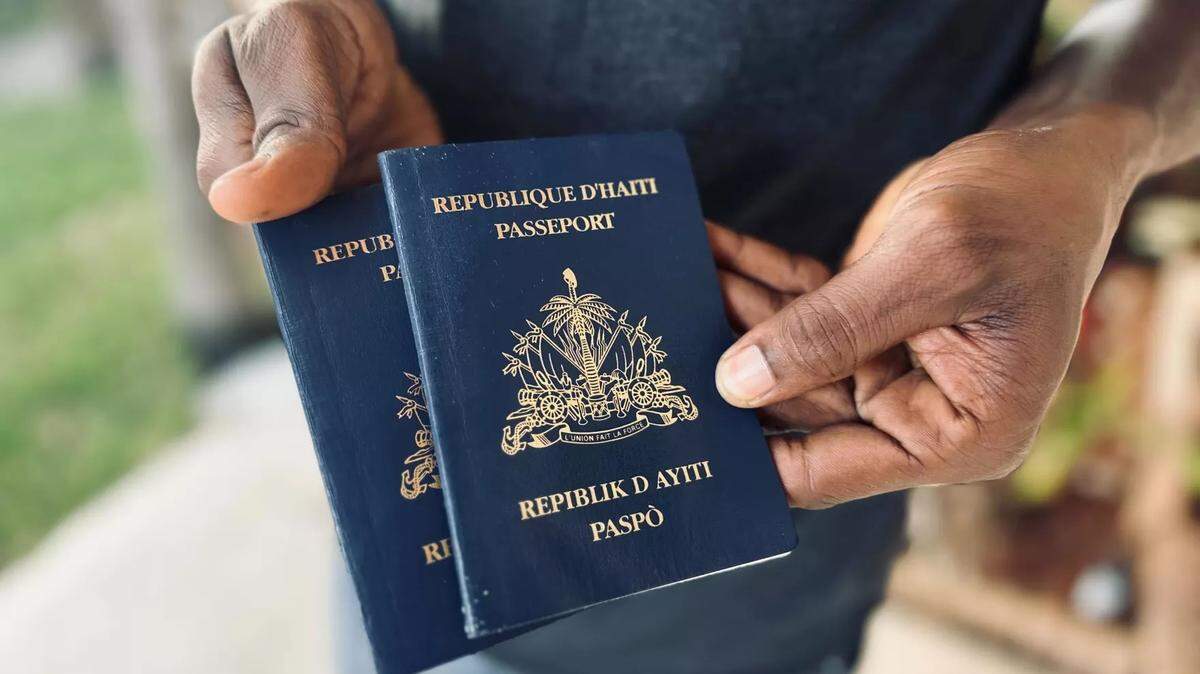
A day after President Donald Trump proclaimed full or partial travel restrictions for Haiti, Cuba, Venezuela and 16 other countries, U.S. tourist-visa holders from the targeted nations lacked clarity about whether they will be allowed into the United States when the ban is in force Monday.
The confusion stems from language the White House used in the directive that will totally or partially suspend entry into the United States and the issuance of immigrant and non-immigrant visas to nationals of the 19 countries.
“The entry into the United States of nationals of Haiti as immigrants and non-immigrants is hereby fully suspended,” the directive says, adding that the entry of nationals from Cuba and Venezuela “as immigrants, and as non-immigrants” on several temporary visa categories, including for tourism, study and business, “is hereby suspended.”
The directive lists several exceptions, for green-card holders, dual nationals, holders of other immigrant visas for immediate relatives of U.S. citizens and visas for diplomats and other officials. The Secretary of State and the Attorney General can also authorize the entry of nationals from the banned countries, citing national interests.
Several immigration lawyers have interpreted a section explaining the scope of the directive, and who could be subject to it, to mean that foreign nationals from the banned countries who hold current visas in the suspended categories will be allowed to enter the United States when the directive takes effect. That section states that the foreign nationals from those countries subject to the restrictions are those outside the United States who do not hold “a valid visa.”
The American Immigration Council said in a statement on Wednesday that the presidential proclamation does not apply to holders of valid current visas or permanent U.S. residents. The Migration Policy Institute also made a similar analysis.
However, experts are urging caution for those traveling to the U.S. after the ban kicks in.
“Anybody who’s holding a valid visa is supposed not to be affected,” said Julia Gelatt, associate director of the U.S. immigration policy program at the Migration Policy Institute told the Miami Herald. “But I have to say, if I was holding one of those visas, I would still feel concerned when I showed up at a U.S. port of entry or airport if [Customs and Border Protection] would let me in.”
Still, the administration has not clarified how U.S. border agents will interpret the “valid visa” provision at airports and other ports of entry. As of late Thursday some airlines flying into the region were still awaiting guidance from Homeland Security.
The State Department did not answer Herald questions about whether nationals from Cuba, Haiti and Venezuela with currently valid B1 and B2 visas — issued to foreign nationals for brief visits to the U.S. — will be able to enter the country after June 9. At a press briefing Thursday, a State Department spokesman avoided clarifying the issue.
However, during an interview with a Venezuelan journalist, State Department spokesperson Natalia Molano raised the possibility that travelers from Venezuela with current B1/B2 visas may not be allowed to enter the U.S. after June 9. Along with Cuba, the South American nation was placed on a partial ban.
“We understand that valid visa holders will not be able to present themselves at the ports of entry if they are from these countries. But we will wait for the Department of Homeland Security to publish something official with these details. They are the authority that handles entry or exit of the United States,” Molano told Venezuelan journalist Carla Angola.
A State Department spokesperson told the Herald that the State Department would not revoke valid visas. However, the directive also called on the agency to “limit the validity for any other non-immigrant visa issued” to Cubans and Venezuelans “to the extent permitted by law.”
Homeland Security officials also declined to provide clarity on who falls under the restrictions. The agency instead reiterated the president’s rationale for the travel ban.
“President Trump’s action to limit the entry of foreign nationals from countries who have a significant terrorist presence, inadequate screening and vetting processes, and high visa overstay rates will help secure the American homeland and make our communities safer,” DHS Assistant Secretary Tricia McLaughlin told the Herald in a statement.
McLaughlin called it a “necessary step” to get foreign governments to take back their own citizens in deportation flights and protect national security.
At a gathering in Boston of funders to programs in Haiti, participants who live in the Caribbean nation were left equally confused and wondering what the ban means for their ability not just to visit the U.S. for future conferences but also to transit to other countries.
Patricia Elizee, a Haitian-American immigration attorney based in Miami, said that many of her clients felt like the Trump administration was using “psychological warfare” towards immigrants.
“There’s just a lot of confusion and frustration,” Elizee said. “This is just one more attack, the psychological warfare that the Trump administration is having against immigrants, one other way to scare you and to make things harder.”
This story was originally published June 5, 2025 at 7:04 PM.