
Immigrants choose to leave the U.S. amid fear and discrimination
.jpg "Jessika Cifuentes packed her bags, left her home state of Utah, and returned to Antigua, Guatemala, in April 2025.")
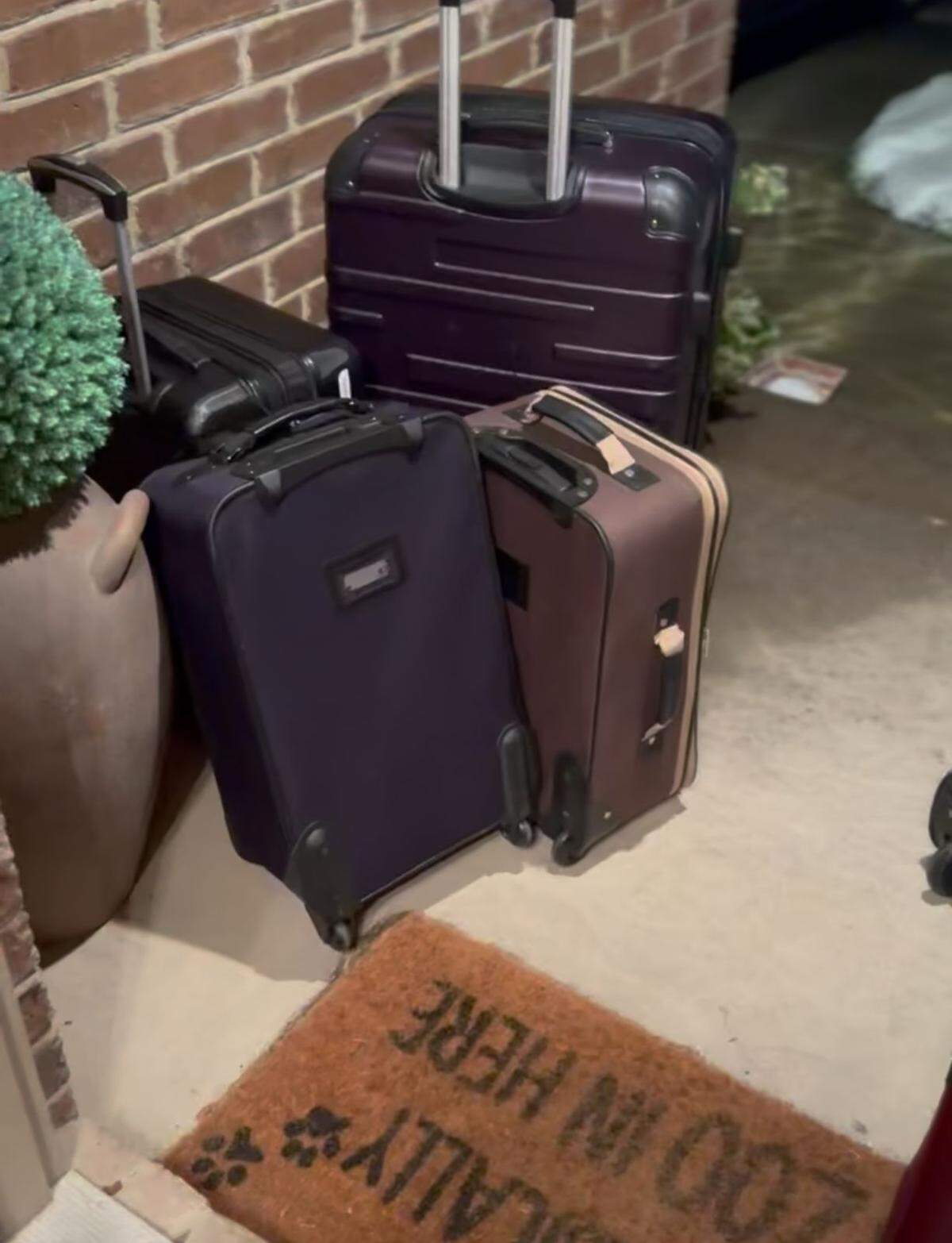
For 14 years, Jessika Cifuentes built a stable life in the United States. She ran her own business, forged strong community ties, and even became a U.S. citizen. But the increasingly hostile climate toward immigrants — fueled by harsher policies and deepening economic hardship — led her to make an unthinkable decision: return to Guatemala.
Cifuentes, a 51-year-old professional, packed her bags, left her home in Utah and relocated with her two daughters to Antigua, a city ringed by volcanoes in southern Guatemala, where she has only a few friends. There, she hopes to launch a food business with her eldest daughter.
After months of anxiety over shifting immigration policies under the Trump administration, a period of unemployment following layoffs at her company and a lack of support to sustain her food business, she made the difficult choice to go back home last April.
“Now, from what I’ve seen, being a citizen is no longer enough; just being Latino is enough,” she told el Nuevo Herald in an interview from Guatemala. “I didn’t want to expose myself to that. I couldn’t keep living in a place where I’m discriminated against without people even knowing who I am — just because I have a Latino last name.”

Her story is not unique. A growing number of immigrants are returning to their countries voluntarily in the wake of expanded detentions and deportations, the termination of Temporary Protected Status (TPS) for several nations, the end of humanitarian parole programs for Cuba, Haiti, Nicaragua and Venezuela, and the suspension of new DACA applications.
Many of them had built full lives in the United States — with families, jobs, property and deep roots in their communities. But faced with the threat of detention, family separation and no path to legal status, they have chosen to return — often to countries they haven’t called home in decades.
Not everyone is using “CBP Home,” the app launched in March by the Department of Homeland Security (DHS) that allows undocumented immigrants —or those with revoked permits— to voluntarily self-deport and apply for $1,000 in financial assistance.
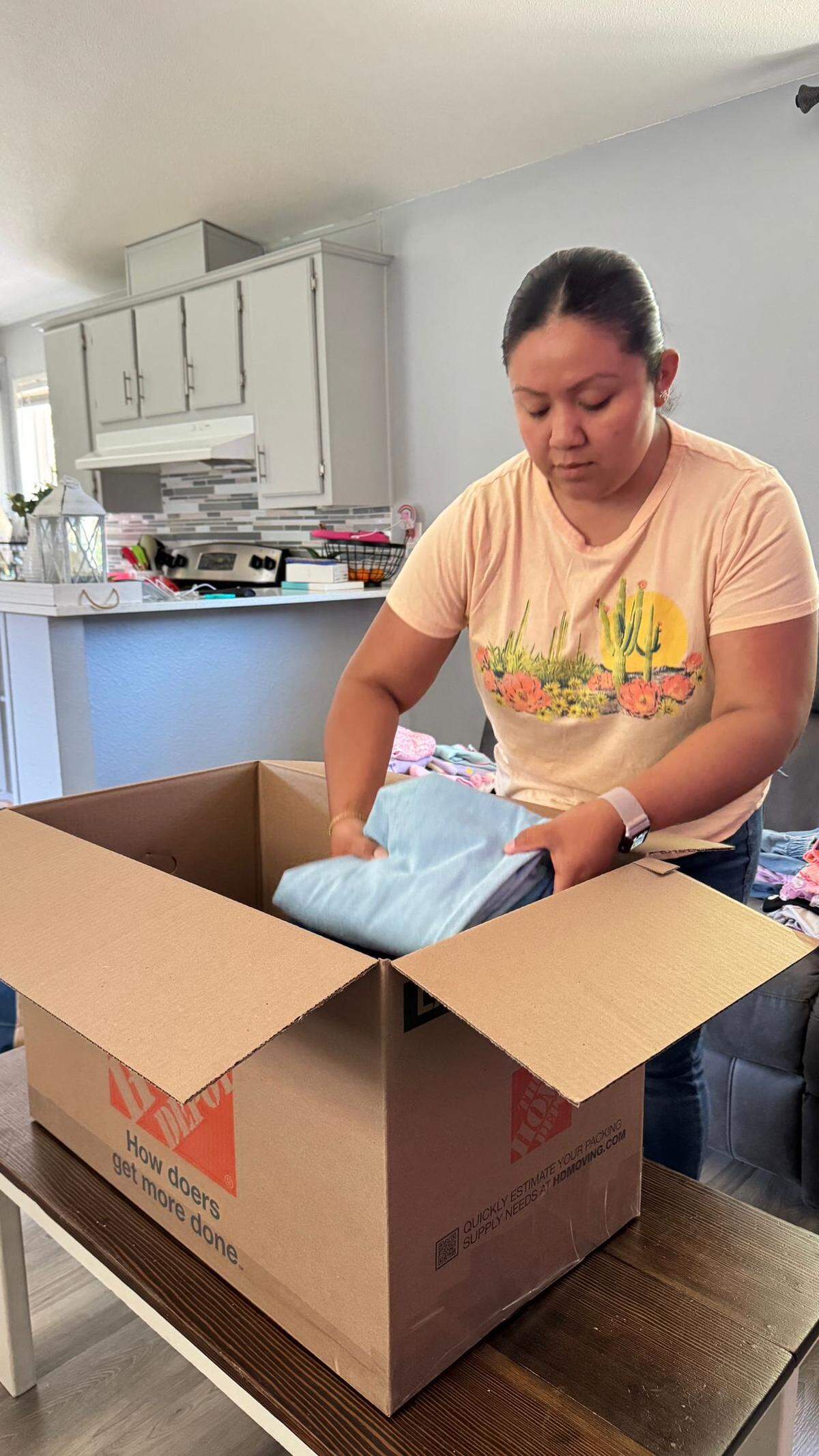
Juana Iris Estrada, originally from Mexico, is preparing to leave the United States this summer. She’s packing up most of her belongings to move to Puebla, a city in east-central Mexico known for its colonial architecture and cuisine. There, she plans to start over with her husband and their two young daughters, ages 9 and 5.
Estrada arrived in the U.S. at the age of 10 and is currently protected under the Deferred Action for Childhood Arrivals (DACA) program, as is her husband. But now, she fears that protection could vanish at any moment.
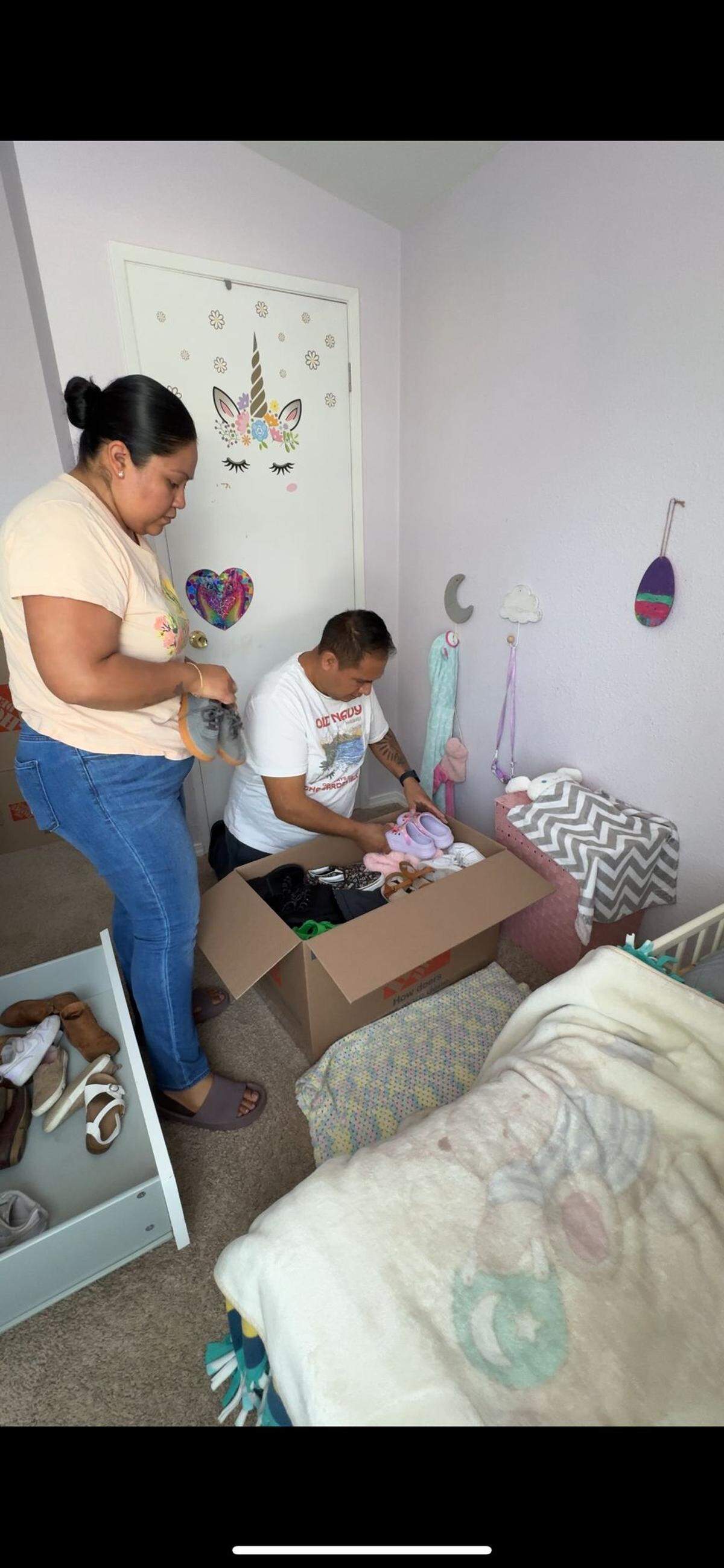
“One of the reasons we’re leaving is because of everything that’s happening under this president’s administration,” she told el Nuevo Herald from Washington state. “Honestly, the emotional toll is heavy. I’m a mother. My husband and I both have DACA, and it could be revoked at any moment, leaving us completely unprotected.”
Confronted with that uncertainty, Estrada made the decision to leave. “It’s no longer up for debate —we’re not going to sit around and wait to see what happens.”
Still, the decision brings considerable stress: gathering documents required for resettlement in Mexico, coping with the emotional weight of leaving the country where she grew up, handling the paperwork to sell her house —all while headlines about raids and deportations dominate the news cycle.
President Donald Trump, upon taking office, announced mass deportations with a focus on immigrants with criminal records. But human rights organizations have criticized the removal of non-criminal immigrants without due process, warning that such deportations can expose people to persecution.
The DHS reported that in the first 100 days of the Trump administration, more than 142,000 deportations were carried out.
In May alone, Immigration and Customs Enforcement (ICE) conducted 190 deportation flights —up from 125 in April— bringing the total to 1,083 for the year, including returns and domestic transfers, according to data compiled by immigration activist Thomas H. Cartwright.
Cartwright noted on X (formerly Twitter) that May’s total marked the highest number of flights since he began tracking them in January 2020.
Immigrants on alert: fear, raids and discrimination in the U.S.
Immigration attorney Richard Hein says that fear is now a defining feature of life for many immigrants in the United States. Some are avoiding going outside altogether; others are choosing to leave the country voluntarily.
He describes a climate of “terror and fear” being cultivated —raids carried out by agents without visible name tags, only patches indicating the federal agency they represent, arresting people with little to no transparency.
He mentioned the lack of due process, which he asserted is fundamental to a civilized society and that there are “attempts to overthrow it.”
“We truly have an administration that is outside the law and is ignoring a Supreme Court ruling, in the specific case of Kilmar Abrego García, to facilitate his return to the United States. And not a finger has been lifted to respect that Supreme Court ruling,” argued the attorney from Hein Law Firm in St. Louis, Missouri.
In immigration hearings, Hein says, people are being treated with a level of disrespect he hasn’t witnessed in “15 or 20 years.”
Estrada, too, has noticed a shift. “It doesn’t matter what country you’re from, whether you’re a citizen, a resident, or undocumented —we’re all treated the same now,” she said. “It feels like there are no laws left to protect us. Everything you do, every move you make, is used against you.”
She recalled an incident in which her husband was crossing the street when someone, unprovoked, began shouting at him, “Go back to your country,” simply because he looked Hispanic. “We had never experienced discrimination like this before,” she said.
One of her daughters, she added, has been deeply shaken by recent remarks from DHS Secretary Kristi Noem, who stated that anyone entering the U.S. illegally would be caught, deported and permanently barred from reentering.
Changes speed up the departure
Mireya Valladares arrived in the United States at age 20, crossing the border. She never intended to stay permanently. She and her husband set a goal for themselves: to return to their home country before turning 40. With that plan in mind, they worked hard for years to make it happen.
They initially postponed their return after Valladares became pregnant. But as sweeping immigration changes unfolded —marked by raids and deportations— they decided to accelerate their timeline.
“Because of the immigration situation and everything that’s happening, we moved up our trip and said, ‘We’re not going to wait any longer. Let’s leave now, because we can’t live here anymore,’” she said in an interview from Tampa, Florida.
Read more: The Supreme Court allows Trump to revoke TPS for thousands of Venezuelans.
Neither Valladares nor her 38-year-old husband has legal status, although they had tried for years to obtain it. Valladares said she was issued a deportation order “years ago.”
She expressed frustration that families like hers —who own registered businesses in Florida, pay taxes, create jobs and have no criminal records— still have no viable path to legalize their status.
“We’re making a very risky decision, which is to leave and not be able to return, leaving practically everything we have and our businesses that are operating,” she said.
But her greatest concern, she added, is that her 10-year-old son and baby might grow up in an environment of “racism and discrimination.”
“Honestly, I’m not willing to expose them to that. Besides, I want to live in peace, to wake up and have no one knocking on my door to get me out of here and leave my children alone. No, I’m not willing to have that,” she said.
Valladares plans to restart her life in the Department of Olancho, in northeastern Honduras.
Other Honduran immigrants are also preparing to return. Consular authorities in Florida told el Nuevo Herald they have registered an increase in citizenship applications for U.S.-born children of Honduran parents.
Deysi Suyapa Tosta, Consul General of Honduras in Miami, said that both in Miami and Tampa —where the country maintains consular offices— they are receiving more requests for documents, particularly citizenship certificates.
“We are addressing these cases. Because of this situation, many Hondurans are applying for dual citizenship and registering their newborn children —something they used to delay until it was time to enroll them in school. Now we’re seeing many more people requesting these documents,” she said.
The diplomat noted that the consulate is assisting Hondurans even without appointments and has opened on Saturdays to meet demand.
Valladares was among those who visited her consulate to obtain the paperwork needed to return to Honduras.
“Yes, we’re going to go back. I’d rather try than stay here with these policies, these laws they’re trying to change every day,” she said.