U.S. deports another 17 alleged gang members to El Salvador prison amid legal firestorm
In a high-profile deportation operation over the weekend, the Trump administration deported 17 people to El Salvador that it claims were foreign criminals, including alleged members of the Venezuela-based gang Tren de Aragua and the infamous MS-13, according to the State Department, claiming the group included rapists and murderers.
The move, which follows the March 15 deportation of 238 Venezuelans to the Central American country, appears to contravene a number of federal court orders halting the practice, including a decision by Washington, D.C., judge blocking the implementation of the Alien Enemies Act. The Trump administration has invoked the law, which allows the deportation of foreigners without prior notice, arguing that the Tren de Aragua gang was invading U.S. territory.
“Last night, in a successful counter-terrorism operation with our allies in El Salvador, the United States military transferred a group of 17 violent criminals from the Tren de Aragua and MS-13 organizations, including murderers and rapists,” Secretary of State Marco Rubio stated Monday on his X account. “These criminals will no longer terrorize our communities and citizens.”
A State Department press release said the deportations were done as part of an executive order from President Donald Trump designating the gangs as Foreign Terrorist Organizations.
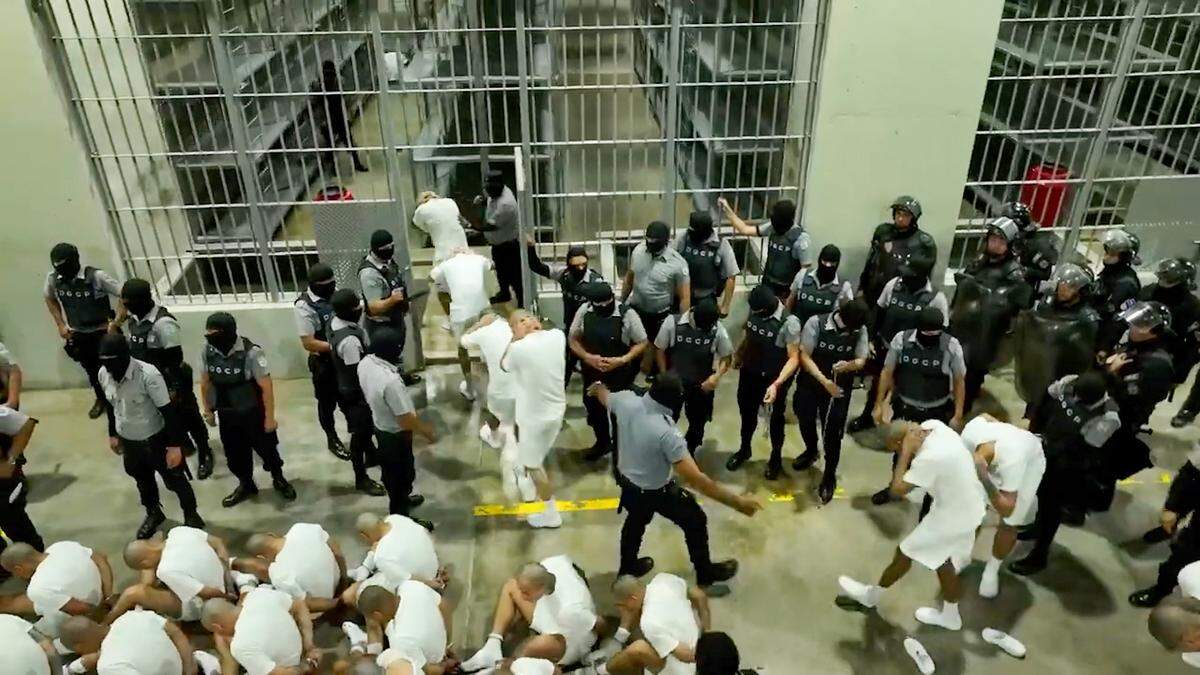
Following the State Department’s announcement, U.S. District Judge James Boasberg in Washington, who had issued a ruling blocking the implementation of the Alien Enemies Act to deport Venezuelans to El Salvador, called for a hearing to be held on Thursday to ask the administration to explain why the new deportations have not violated his temporary restraining order.
The administration had already asked the Supreme Court to step into a heated legal fight over its use of the Alien Enemies Act, a wartime law Trump invoked earlier this month to swiftly deport suspected members of the Venezuelan gang, arguing that the Washington judge is trying to strip away the president’s ability to defend the country.
“This case is about who gets to decide how to handle critical national security operations—the President, as the Constitution clearly states, or the courts,” Acting Solicitor General Sarah Harris told the justices. “The stakes couldn’t be higher. The nation cannot afford the wrong answer.”
Sunday’s deportations also appear to fly in the face another ruling by a federal judge in Boston on Friday halting the transfer of migrants to third countries to which they have no prior connection without being given first the opportunity to challenge their removal in court.
The administration’s deportations of Venezuelans to a maximum security prison in El Salvador has added fuel to an already heated debate over U.S. immigration policies, raising concerns about due process and the possible violations of the human rights of those affected.
On his X account, Salvadoran President Nayib Bukele spoke about the alleged dangerous nature of the migrants sent to his country.
“All individuals are confirmed murderers and high-profile offenders, including six child rapists,” he said. “This operation is another step in the fight against terrorism and organized crime.”
The Trump administration’s aggressive immigration strategy has ramped up deportations to third countries, mainly to Latin American nations including Mexico, Guatemala, Panamá and El Salvador, in an effort to ease pressure on detention centers.
However, human rights advocates argue that deported migrants face violence, exploitation and legal uncertainty, violating international laws and endangering lives, particularly of those sent to the mega prison in El Salvador.
According to the Caracas regime, most of the 17 migrants sent to El Salvador were Venezuelan, but none of them are among people appearing on Interpol’s red-notice list of wanted criminals.
Speaking at a press conference in Caracas, Venezuelan Attorney General Tarek Saab said that the total number of Venezuelans held in El Salvador now totals about 250, and claimed that they are all unjustly incarcerated in the Central American country.
“Today we learned about 15 more people who have been deported to El Salvador, bringing the total to around 250 kidnapped,” Saab said. “The big question is: What is the number of cases in which a Venezuelan has committed a crime, such as homicide, in the United States? It wouldn’t even reach 0.01%. Out of nowhere, they want to justify these aberrations and apply the Alien Enemies Act to them, even to minors.”
This story was originally published March 31, 2025 at 10:50 AM.