
ICE is using tech instead of detention to track more migrants in Miami. Not everyone likes it
Once a week since entering the United States last winter, Danny Sánchez Pabón snaps a photo of himself on a phone app to check in with U.S. Immigration and Customs Enforcement.
The Venezuelan lawyer fled the mountainous state of Táchira in 2017 after his involvement in opposition politics led authorities to search his home. He lived across South America, living in Colombia, Chile and Peru, where he worked as a legal counselor assisting other Venezuelan migrants. Fears over the political consequences of the presidential victory of a leftist teacher from rural Peru led Sánchez Pabón to come to the United States.
After traveling by plane to Mexico and walking from the city of Mexicali towards the American border, he surrendered himself to U.S. authorities in late December. He said he was in custody for nine days before being freed and ordered to check in every Tuesday at 11 a.m. through a mobile application. He always checks in on time, he says.
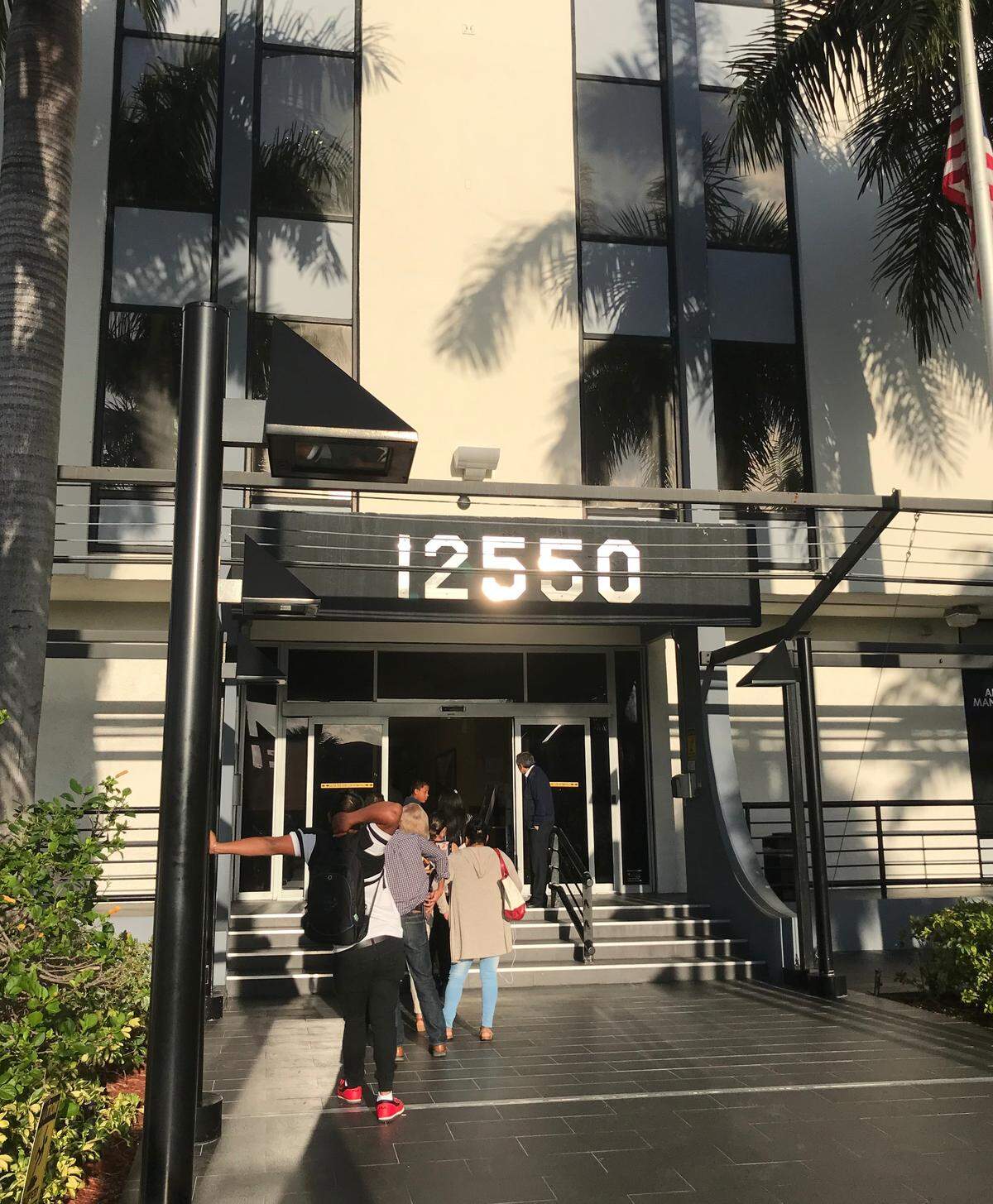
“Sometimes before, never after,” he said. And whenever he can, he travels to the ICE office in Miramar and takes a photo of himself at the site “to show that I have been going there.”
Sánchez Pabón is among the growing number of people in Miami monitored electronically through ICE’s Intensive Supervision Appearance Program, an initiative that, instead of detention, uses phones, mobile apps and ankle monitors to supervise immigrants waiting for court hearings or with final deportation orders.
A year before President Joe Biden arrived at the White House, ICE’s office in Miami — in charge of Florida, Puerto Rico, and the U.S. Virgin Islands — supervised 4,669 active participants in the program. That number had jumped to 9,283 in October 2021, according to ICE data. As of April 9, the number is 14,130 — about 1,000 higher than pre-pandemic, 2019 levels.
The program’s recent growth in Miami is part of a nationwide surge of detention alternatives under Biden. Across the United States, the number of active participants enrolled in alternatives to detention overall is 216,450 people — almost a 60% increase in six months. Though there was a dip in the nationwide average daily population of the program in fiscal year 2020 due to the pandemic, pre-pandemic rates have already been exceeded, according to President Biden’s DHS budget request for the 2023 fiscal year.
A Department of Homeland Security official characterized the nationwide expansion of the program as an intentional policy shift. The department could have 7,500 fewer beds in immigration detention centers in year 2023, according to the DHS budget proposal, putting the total at 25,000 beds. Meanwhile, the proposal includes an $87 million increase in budget for alternatives to detention.
“The program allows for closer monitoring of non-detained noncitizens at varying levels of supervision, using several different monitoring technologies,” said an ICE spokesperson, adding that it “helps the participants meet their basic needs and understand their immigration obligations.”
But some advocates and immigrants say the government is not doing enough to reduce the number of immigrants in detention and view the program as a government intrusion into the lives of undocumented people fighting their immigration cases.
“When people feel they are being watched and monitored 24/7, that has a huge chilling effect on people who are organizing to defend their human and civil rights,” said Jacinta González, senior campaign organizer leading the No Tech for ICE campaign for Mijente, a social justice organization.
Detention alternatives expand under Biden
Miami was among eight U.S. cities where the intensive supervision program was first rolled out in 2004. ICE’s Enforcement and Removal Operations, in charge of immigration enforcement and deportations, oversees the program. BI Inc. — a subsidiary of GEO Group, a private prison operator headquartered in Boca Raton that runs an ICE detention center in Broward County — administers the program through a contract with the agency.
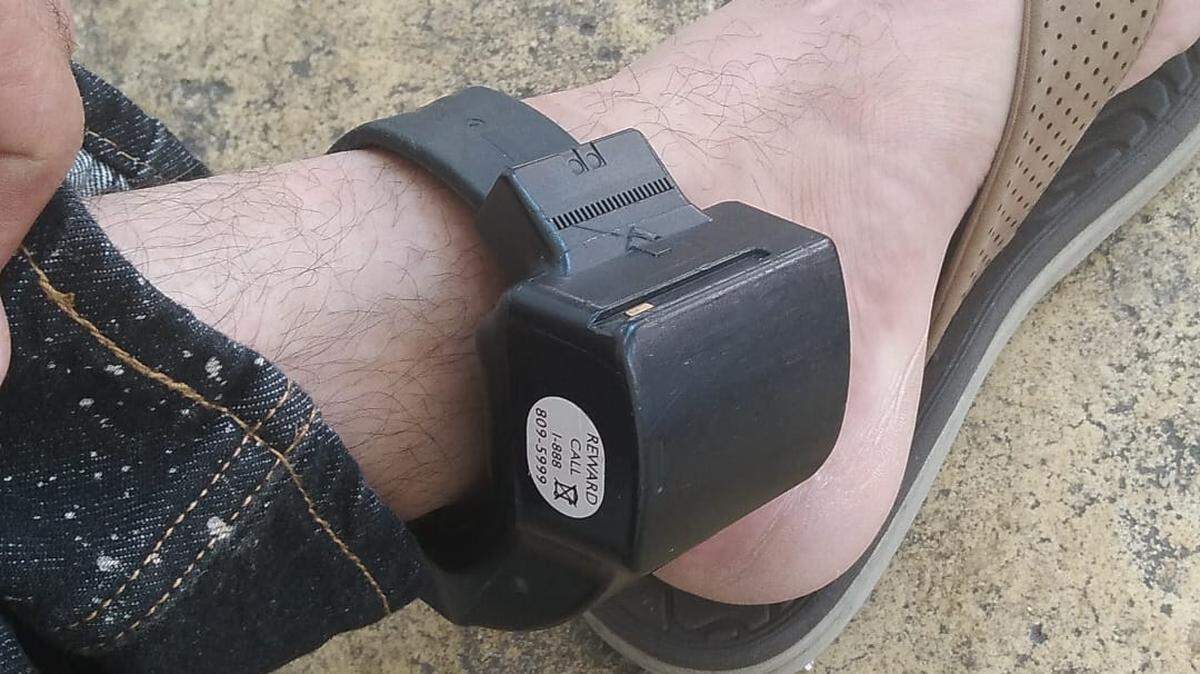
Approximately three-quarters of all alternative-to-detention participants are monitored through a phone app called SmartLINK, which has facial recognition technology. Others check in through phone calls with voice recognition, while others are tracked through GPS ankle monitors. ICE takes into consideration a migrant’s current immigration status and criminal history, as well as humanitarian or medical conditions, to decide whether someone will be monitored rather than detained.
ICE’s location in the Texas border town of Harlingen has the highest number of active people enrolled in alternatives to detention across 25 cities, according to the latest agency statistics. The Newark and San Francisco offices are handling a similar number of cases as the Miami office, which is in the sixth spot.
An increase in SmartLINK users is fueling the growth, according to researchers at Syracuse University’s Transactional Records Access Clearinghouse. The use of the app had “more than quadrupled” nationwide in the first year of the Biden administration, while GPS and telephone reporting had “remained largely stagnant,” according to the organization’s recent report.
Over the past six months, the number of participants using SmartLINK in Miami has surged from about 6,875 active participants in October 2021 to 11,998 active participants in April 2022. Meanwhile, telephone reporting barely increased, from 135 to 171 people. And the use of GPS ankle monitors in Miami has dropped by 300 users to a little under 2,000 since October — a number that has been decreasing over the past three years.
‘Nobody wants to be detained’
Immigrants in the program who spoke with the Miami Herald said that they preferred being in alternatives to detention than held in an ICE detention center — the most obvious benefit for program participants.
“Nobody wants to be detained in an immigration detention center, where you are somewhere strange, they may not speak the language, there are COVID concerns, health issues, due process concerns,” said Andrea Crumrine Jacoski, supervising attorney for the Immigration Unit at Legal Aid Service of Broward County, which offers free legal counsel to low-income county residents.
Katie Blankenship, deputy legal director of the American Civil Liberties Union of Florida, said there are “practical and economic” benefits to electronic monitoring. The daily estimate for an adult bed in detention centers is $142.44, per last year’s DHS budget, and includes facilities, guards and healthcare. The alternatives to detention cost the federal government $7.29 daily per participant.
When people are not held in detention, she added, they can be with friends and family and have more opportunities to seek a lawyer’s help in their immigration cases. A 2019 National Public Radio analysis found that over half of all ICE detainees are held in rural prisons, where legal representation and community support can be hard to come by.
“You have a community and support system and knowledge of resources and then you can actually work on building your case and hopefully finding counsel to represent you,” said Blankenship, adding that case success rates “are astronomically increased” with legal representation.
Blankenship also said data show that when people are not detained, they go to their immigration hearings. A University of Pennsylvania Law Review study found that 83% of all non-detained immigrants went to their court hearings between 2008 and 2018. And the criminal justice nonprofit Vera Institute of Justice found that 98% of clients released from detention who had representation through one of its free counsel programs showed up to scheduled court hearings.
Fears of privacy invasion
But immigrants and advocates have also voiced fears that the alternatives to detention violate the privacy of participants. On April 14, immigrant rights and legal organizations, including Mijente Support Committee, sued ICE requesting access to information on what kind of data the federal government obtains through the Intensive Supervision Appearance Program.
“It’s very unclear to us what information is being collected on people, and how that information is used or could be used,” said González, the senior campaign organizer with Mijente. “For us that lack of clarity raises a lot of alarm about people’s privacy, future uses of this data, and the creation of such a wide and vast surveillance net that is being cast in communities.”
González also emphasized that BI Inc, the company behind the SmartLINK app and other technologies, is a subsidiary of GEO Group, which operates private prisons and immigrant detention centers across the United States. She said the company was “shape-shifting to continue to get lucrative government contracts.”
The Geo Group directed questions about how its tracking technology works and the recent lawsuit to ICE’s Office of Public Affairs. It also referred the Miami Herald to a fact sheet on its web page.
“BI complies with all federal privacy laws. BI does not track individuals, collect background data, or conduct any ‘surveillance’ activities,” reads the company’s site. “All data collected through [electronic monitoring] is the property of ICE, not GEO or BI.”
NBC News reported in 2019 that ICE used GPS ankle monitor data in Mississippi to coordinate raids at food processing plants that led to almost 700 arrests.
‘I would like to be free’
The different technologies also pose different challenges for participants.
The British newspaper The Guardian reported in March that the SmartLINK app often malfunctions, leading to people not being able to check in — though BI called this a “myth” in its fact sheet, where it cites the publication’s findings word for word.
“I’ve heard from other advocates and generally within the community that some people have technology issues or that if something isn’t working they don’t exactly know where to go,” said Crumrine Jacoski, of Broward Legal Aid.
Two immigrants living in Miami who report to authorities through SmartLINK told the Herald that they have had problems sending the weekly photos. One of them is Marcel Aguilar, an aluminum business production head who fled Colombia’s capital a little over a month ago with his teenage children after organized crime extorted him and tried to enlist his sons. He said he was “extremely worried” because he has only been able to check in once through the application. Since then, he cannot access the app and the screen reads “connectivity issues.”
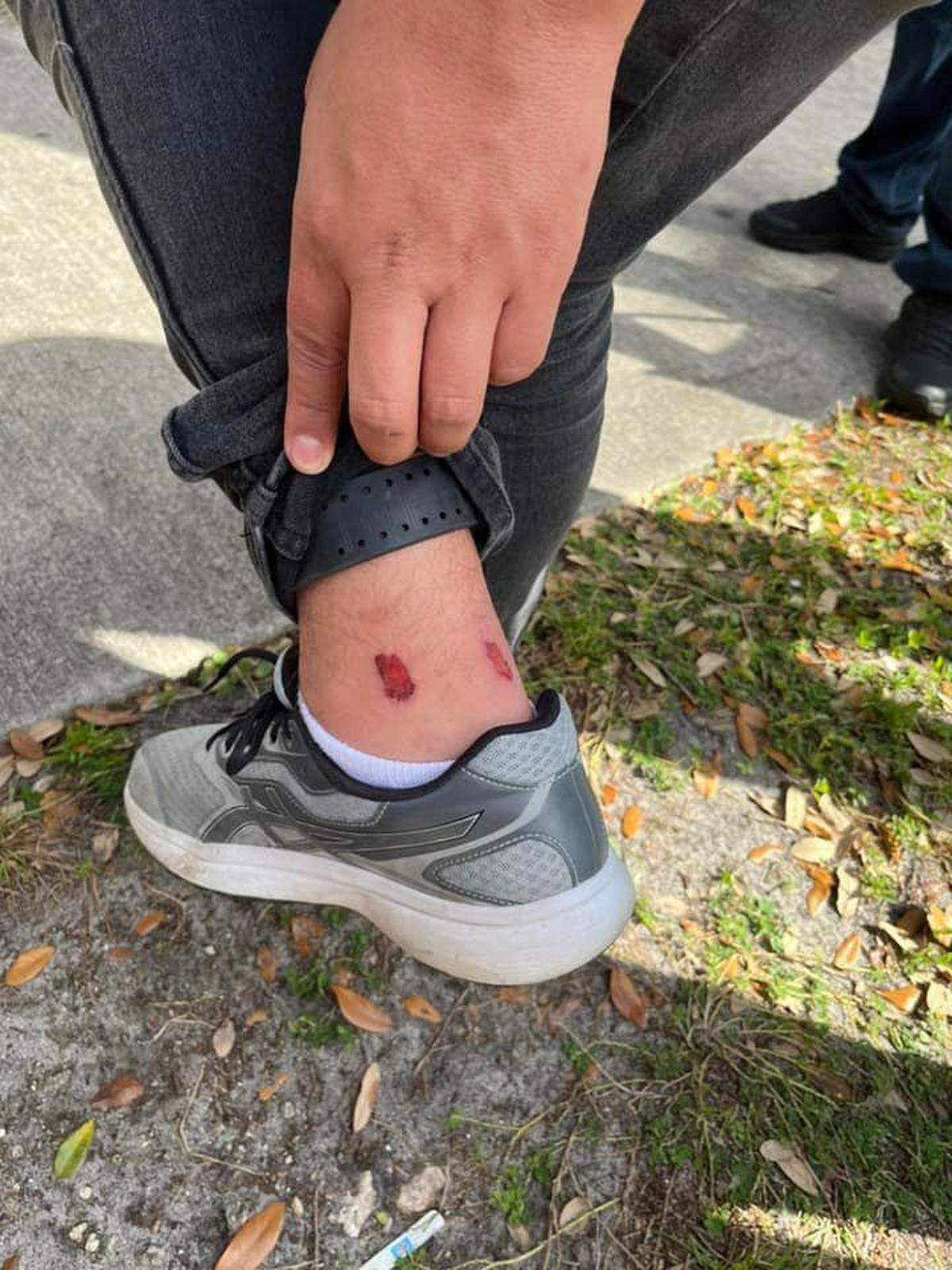
And immigrants who wear ankle monitors, along with their advocates, told the Herald that the device can cause physical injuries such as calluses, pain and irritation.
“It’s hard for the children to see their parents wearing ankle monitors. It’s hard for them to find a job. They feel dehumanized. It causes health problems and it doesn’t let them sleep. And it is a worry for them that they come [to the U.S.] and they aren’t told“ when the devices will be taken off, said Maria Bilbao, campaign coordinator for the American Friends Service Committee.
Bilbao regularly helps immigrants in the alternatives-to-detention program through her work with the Miramar Circle of Protection, which goes to the ICE office every Wednesday to support immigrants. In a photo Bilbao provided to the Miami Herald, an immigrant wearing tennis shoes outside the Miramar ICE office lifts his jeans to reveal open sores where the ankle monitor rubs against his skin.
Maria Fernanda García, a 36-year-old psychologist from the northern Colombian city of Bucamaranga, worked with rural women who were victims of armed conflict and violence. But a death threat from criminals led her to leave her homeland two months ago.
At the U.S.-Mexico border, a GPS monitor was placed on her ankle before she came to Miami. García never thought she would have to leave her homeland or that she would ever don such a device.
She wears a sock and a face mask to protect her skin from the contact burns, but that has generated an allergic reaction on her skin. She told the Herald the device provokes itchiness and electric jolts.
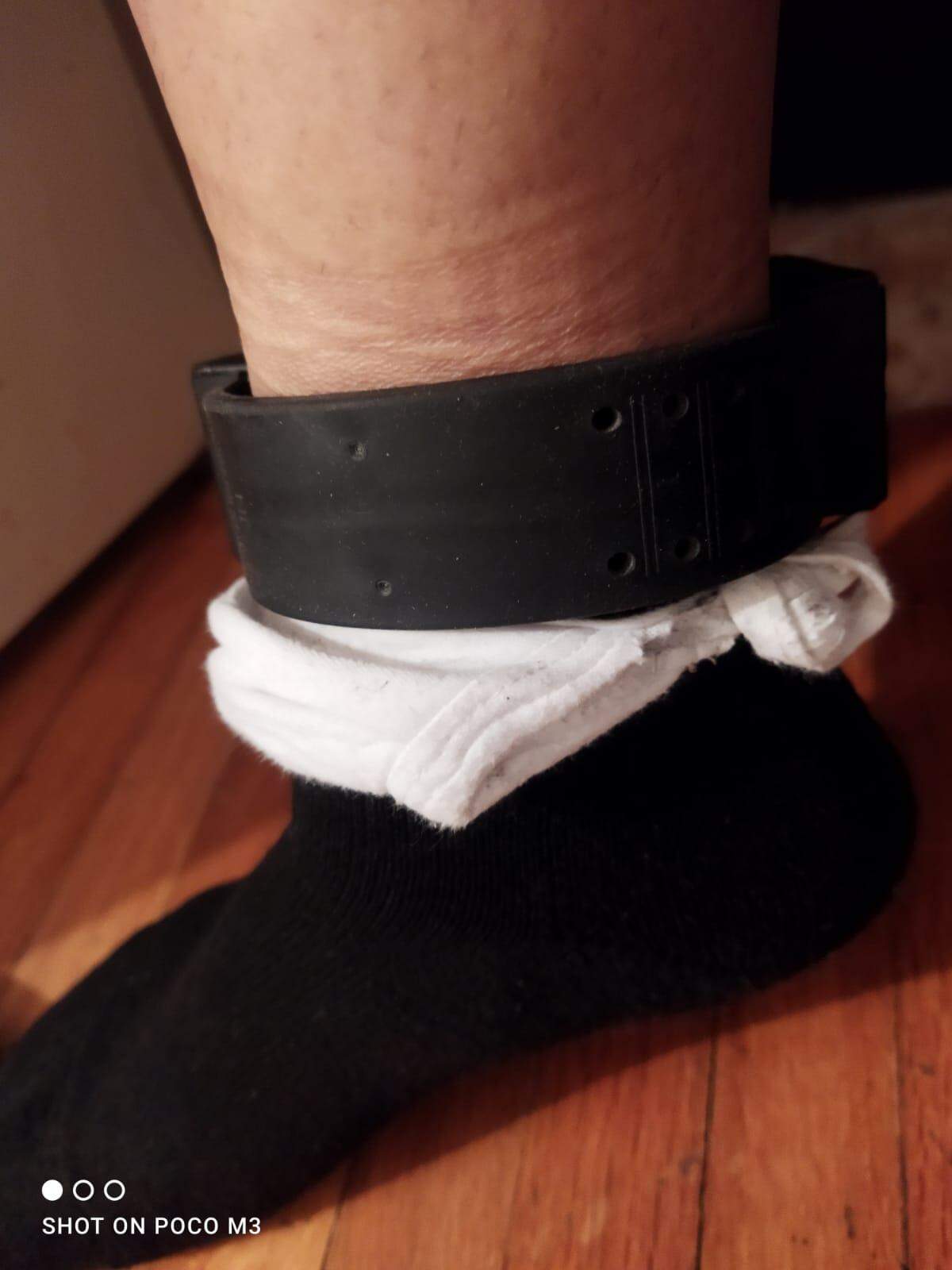
“It’s horrible,” she said, “I can’t sleep well, I’ve lost weight, psychologically I am not well. I have cried and cried. My leg hurts and I can’t settle to sleep.”
A July 2021 report from the immigrant rights’ organization Freedom for Immigrants found that 9 in 10 people with ankle monitors surveyed suffer health issues, and that 1 in 5 experienced electric shocks from the devices. In its fact sheet, BI Inc. denies that its devices physically harm people, calling it a “myth” and citing its own “extensive” studies as well as compliance with external safety standards.
“The stored energy, voltage and electrical current contained within an EM device is so low that the human body would not feel it or detect it,” the company says on its web page.
Darwin Montenegro, from the Nicaraguan state of Estelí, walked and bused for over a month to the U.S.-Mexico border with his teenage children, arriving in December. Authorities in Texas placed a GPS monitor on his ankle before the family came to the home of a friend in Miami. The tracker bothers Montenegro, especially when he walks a lot. But for the 38-year-old father, it has been the emotional impact of the device that has hurt him the most.
“I have gone out on the street a few times and I feel that people totally discriminate against me. People look at me strangely. ... Once a girl asked me if I was a criminal or what had happened. That left a mark,” he said.
Yuri Chavarria Rugama has been living with an ankle bracelet for four months, since he also arrived from Nicaragua at the U.S.-Mexico border with his wife and kids in December. The family settled in Miami, where his brother lives.
Chavarria Rugama, 37, wears only long pants in public because he is afraid of what people will think. He feels like he cannot yet have a social life in his new home. At the beach, he watches his 15-year-old son and 11-year-old daughter as he sits on the hot sand covered to his ankles.
“I try to not call attention to myself, but I always call it, because I’m the only person with long pants,” he said.
Living with the ankle monitor has meant adjusting his daily routine. He said that he now had cramping in his leg and calluses around the device. Every noon, he removes the battery to charge it, which can overheat the unit. In the shower, he minimizes wetting the ankle monitor. At night, the device makes sleep uncomfortable.
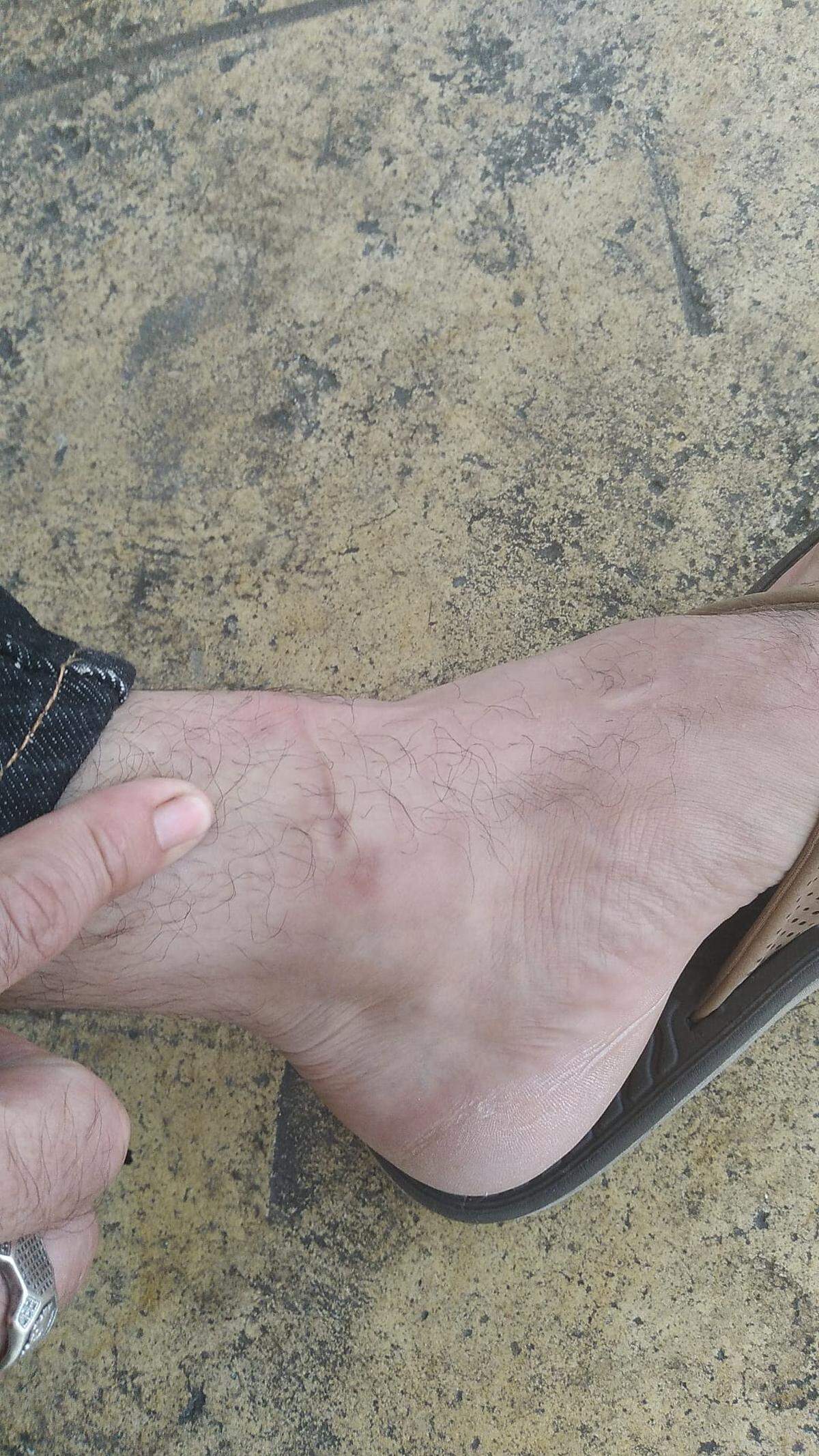
But Chavarria Rugama said that he prefers the ankle monitor to detention any day, though he’d like to transition into the SmartLINK program. He longs for the days where he could swim in the ocean and wear shorts.
“I would like to be free.”
Miami Herald data reporter Ana Claudia Chacin and McClatchy White House Correspondent Michael Wilner contributed to this story.
This story was originally published April 22, 2022 at 11:37 AM.