Trump’s silence continues on how many refugees can enter the U.S. this fiscal year
The Trump administration has yet to announce how many refugees will be admitted into the United States during the upcoming fiscal year, which starts Thursday.
Without a “presidential determination,” which dictates how many refugees can come to the United States each fiscal year, refugees cannot be resettled in the country, except for a few exceptions.
The silence from President Donald Trump’s administration about the 2020-2021 fiscal year refugee ceiling has parallels to last year’s announcement, which was made shortly before the fiscal year began on Oct. 1. Trump announced then that he would slash the Refugee Resettlement program cap from 30,000 to 18,000, making it the third consecutive year that the administration slashed the program. During President Barack Obama’s final year in office, the cap was at 85,000.
The current cap of 18,000 is a historic low for the program, which was launched in 1980.
The administration’s tight-lipped approach despite the Oct. 1 deadline has raised concerns among immigration legal experts, faith leaders and a former Trump administration national security official who held a roundtable discussion with reporters Tuesday. The fear: that refugee resettlement will be indefinitely delayed or that admissions could be eliminated altogether.
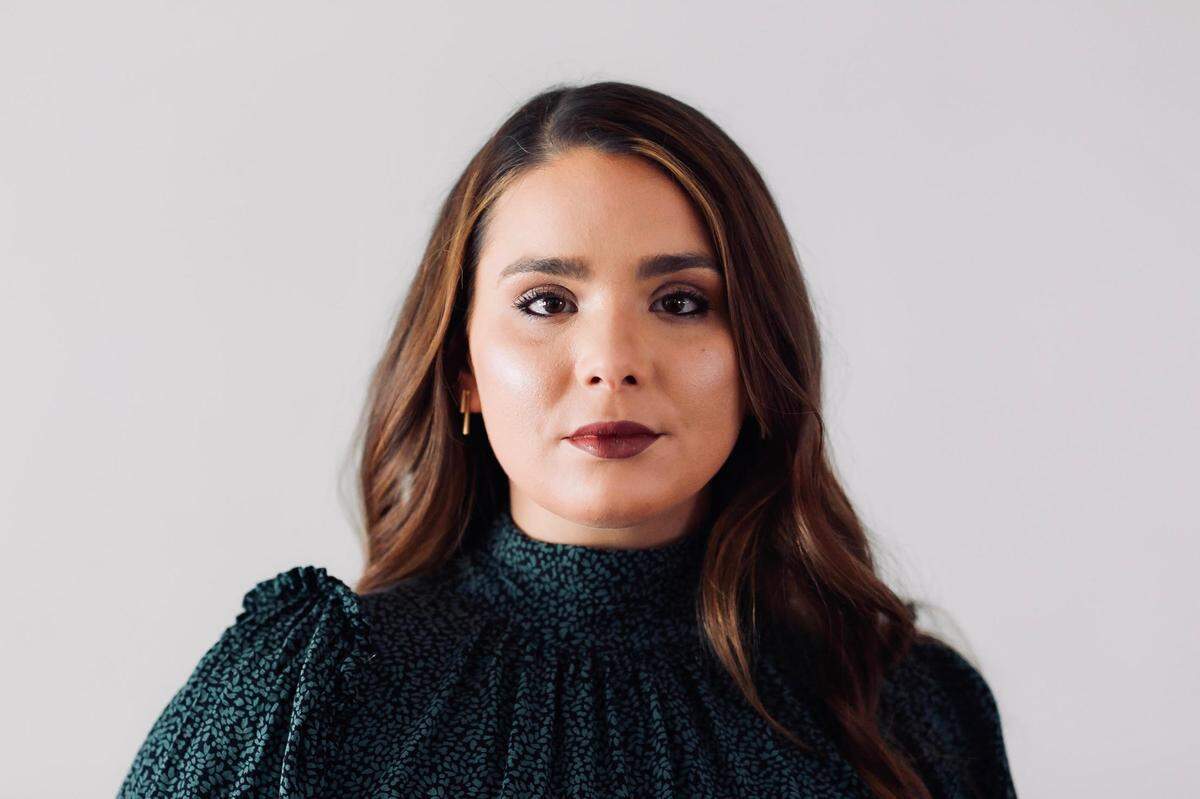
Elizabeth Neumann, former assistant secretary of counterterrorism and threat prevention at the Department of Homeland Security under the Trump administration, said “refugees are the most thoroughly vetted populations that are admitted to the United States...from a security standpoint.”
“The [Trump] administration’s approach to refugees was not based on security. In fact, it’s just a larger effort to keep others from around the globe from coming to the United States,” said Neumann, who was joined by four other immigration advocacy and religious leaders from the National Immigration Forum, the United States Conference of Catholic Bishops, Bethany Christian Services and Tent Partnership for Refugees.
“It’s a black eye on our history,” said Chris Palusky, president of Bethany Christian Services, a faith-based, national nonprofit organization that helps displaced refugees with financial, medical and emotional support when they arrive in the U.S.
He noted that if Trump continues to slash refugee caps, family separation will be inevitable for children or parents trying to unite with each other across borders.
“If the pipeline is cut, then that’s what we are really concerned about,” Palusky said.
Citing the COVID-19 pandemic, refugee admissions into the U.S. were temporarily suspended from March 18 until July 29 by the Trump administration.
During fiscal year 2019-2020, Texas, Washington, New York and California resettled roughly a quarter of all refugees, taking in nearly 8,100 refugees, according to the Pew Research Center.
Since fiscal 2002, California has resettled the most refugees (about 108,600), followed by Texas (88,300), New York (58,500) and Florida (48,700).
This story was originally published September 29, 2020 at 4:32 PM.