‘The nursery is like hell’: Here’s what it costs to grow your houseplants
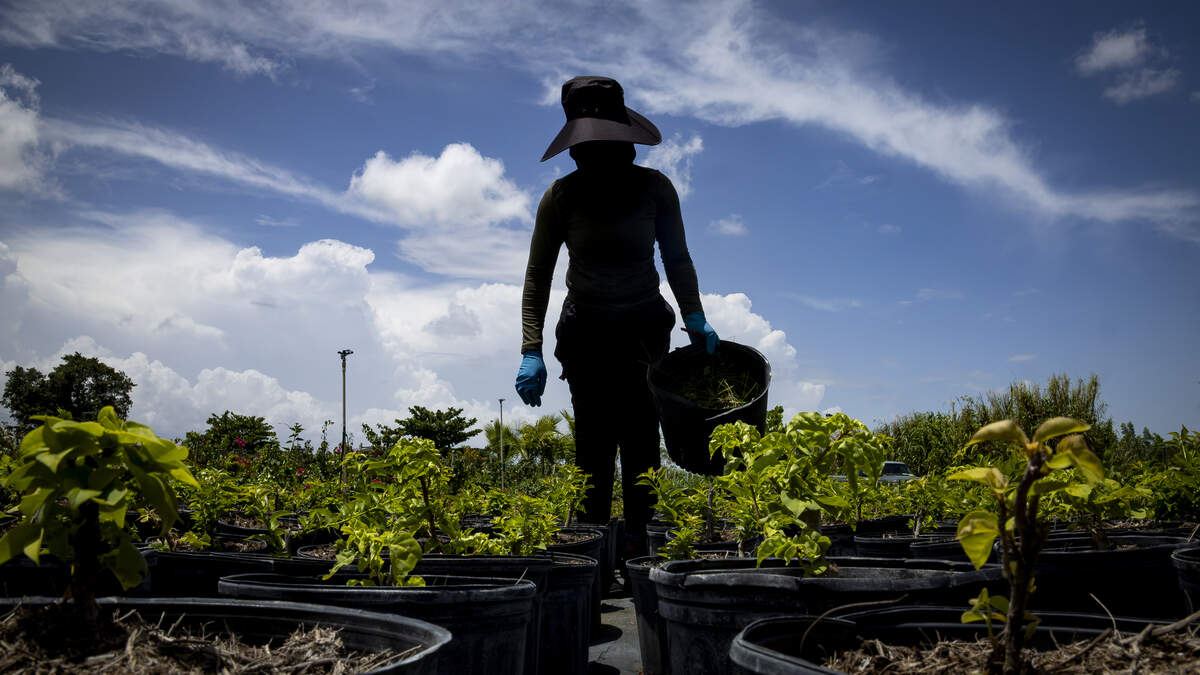
Dirt and sweat blotched Natividad Chaman’s blue jeans, as they had since 8:00 a.m., when she crouched over the first of hundreds of plantlets with the steak knife she uses as a shovel and got to weeding.
It was July 15, halfway through what would turn out to be the hottest July ever recorded in the United States, and the heat index had hit 108 degrees Fahrenheit for much of Miami-Dade County.
At the nursery where she earns her $14-an-hour living, Chaman schlepped a pink cooler, stocked with a dozen water bottles she brought from home, up and down the rows of efflorescent shrubs and emergent ferns. Every so often she’d sneak her hand under the cooler’s white top, fish out a bottle and start chugging, fanning herself as she caught her breath. Then she’d scan the field for her eagle-eyed bosses. A minute not spent on a plant is a minute of “break,” which means docked pay, she said.
She was sopping wet by midday. Her swigs of water had done little to replace her lost fluids and even less to cool her down. The cloudless sky gave no quarter, and the ground began to sway. Chaman dropped to her knees, surrounded by clippings and pulled weeds.
She sipped from a bottle, ignoring the calls from her bosses to return to her task. As she stood up, Chaman heaved, doubled over and vomited. Her hands trembled as she wiped her eyes and took another sip of water.
It was time to get back to work.
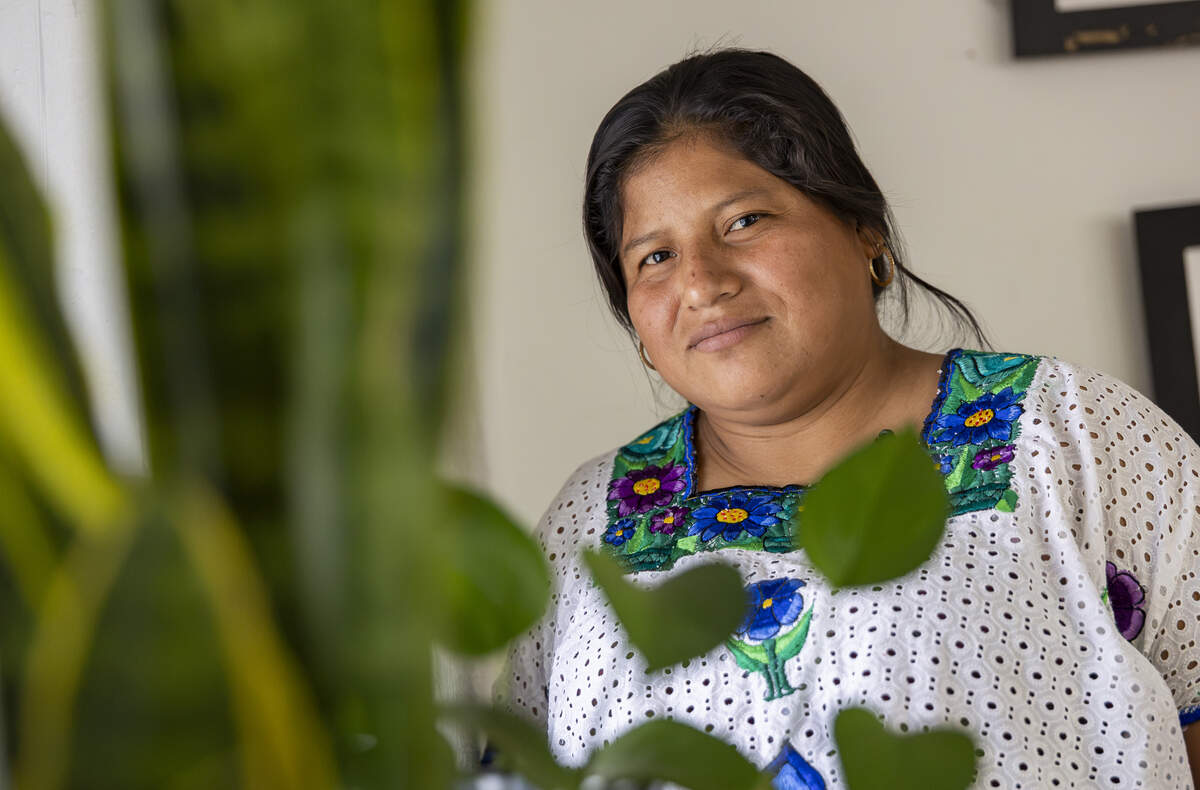
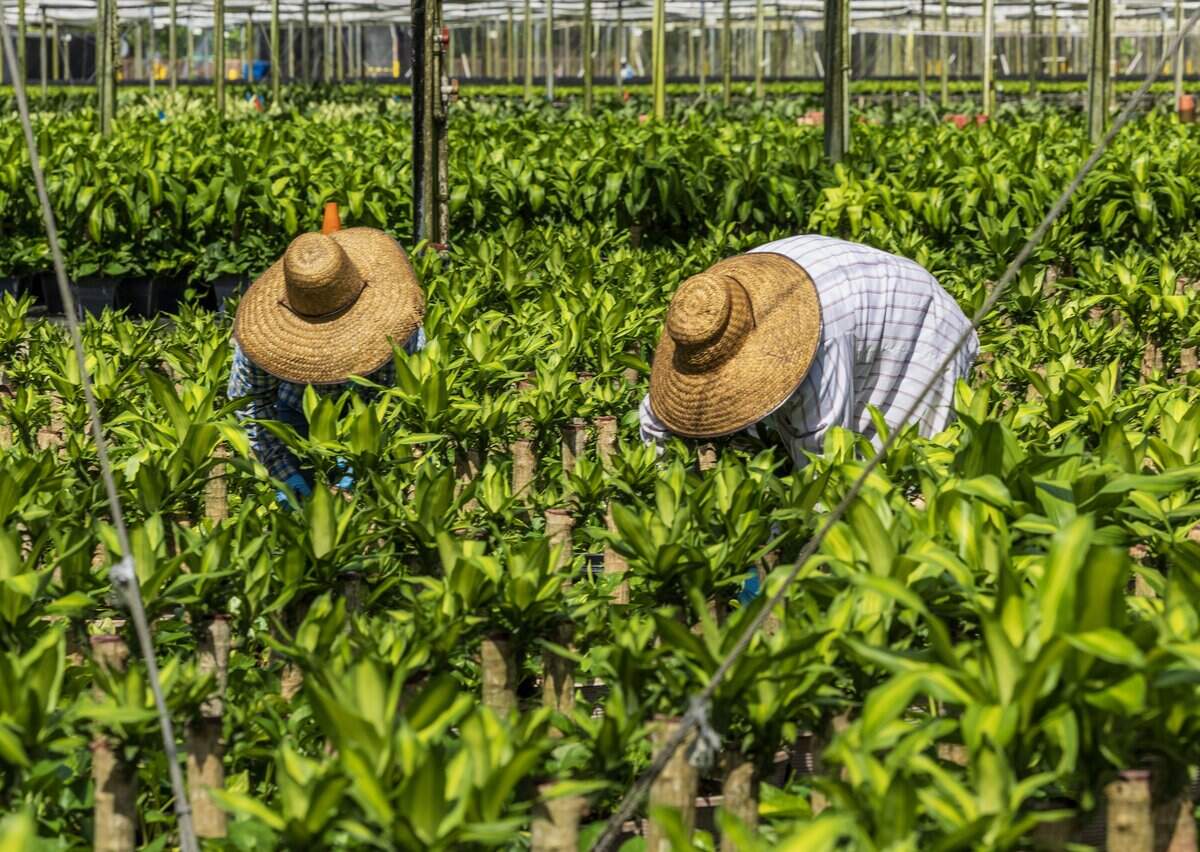
Chaman, 31, is one of the thousands of plant nursery workers who staff the 4,200-plus nurseries registered in Florida. Together, they produce roughly 60% of the nation’s domestically grown houseplants. But despite rising temperatures, these workers have few workplace protections from the merciless sun under which they toil day after day.
They asked Miami-Dade County for enforceable water mandates — so they wouldn’t have to bring their own in coolers — shaded breaks and heat safety education two years ago. Agricultural and construction lobbyists convinced politicians to scuttle it at the state level.
They went federal, and the Biden administration workshopped a similar heat standard. Trump shelved it after taking office. Now Congress is debating a bill that would bury the policy for good. Among its 60 sponsors, all Republicans, is Rep. Byron Donalds, the next governor of Florida.
No government help is coming.
So Chaman and other local houseplant workers have formed a movement called Planting Justice. Led by workers’ rights group WeCount, they’re calling on major plant sellers – like Target, IKEA, Home Depot and Trader Joes – to only stock houseplants from nurseries that comply with a code of conduct, providing workers with clean drinking water, shaded rest breaks, paid sick and vacation days and full wages for hours worked as well as agreeing to monitoring by an independent oversight body.
“This is really life or death,” said Oscar Londoño, co-executive director of WeCount. “This is a human rights crisis.”
‘Nobody helped her’
The work’s difficult, but Chaman’s quick to stress that isn’t itself the issue. She’s been doing it her entire life. Back home in Guatemala, Chaman grew beans, corn and cardamom in a rural plains town near the country’s northern border with Mexico.
“I love the fields,” she says. Feeling the fresh air and sun on her skin, handling plants and watching seeds turn into saplings appeals much more to her than working indoors.
But that love is withering, wilted by South Florida’s increasingly extreme heat and the scant safeguards for those laboring in it.
“They don’t want you to rest,” says Chaman of her nursery bosses. And she generally obliges them. Chaman avoids anything that will see her pay docked – or potentially get her fired. Unsanctioned bathroom, water and rest breaks outside of the three allotted (and unpaid) pauses per day all mean less money, and maybe, if the bosses are in a bad mood, fewer hours in the future. The day she vomited, Chaman stayed 30 minutes late so she could collect a full day’s paycheck. Sometimes she’s hesitant to drink water because she doesn’t want to have to pee.
That worries Dr. Cheryl Holder, an internist and executive director of Florida Clinicians for Climate Action. Working in South Florida’s plant nurseries – where the summer heat index regularly flirts with 100 degrees – is “like living in a hot water swimming pool.”
There have been 37 heat advisories so far this year in Miami-Dade, the first falling in June. As the climate changes, heat tends to arrive earlier and stay later.
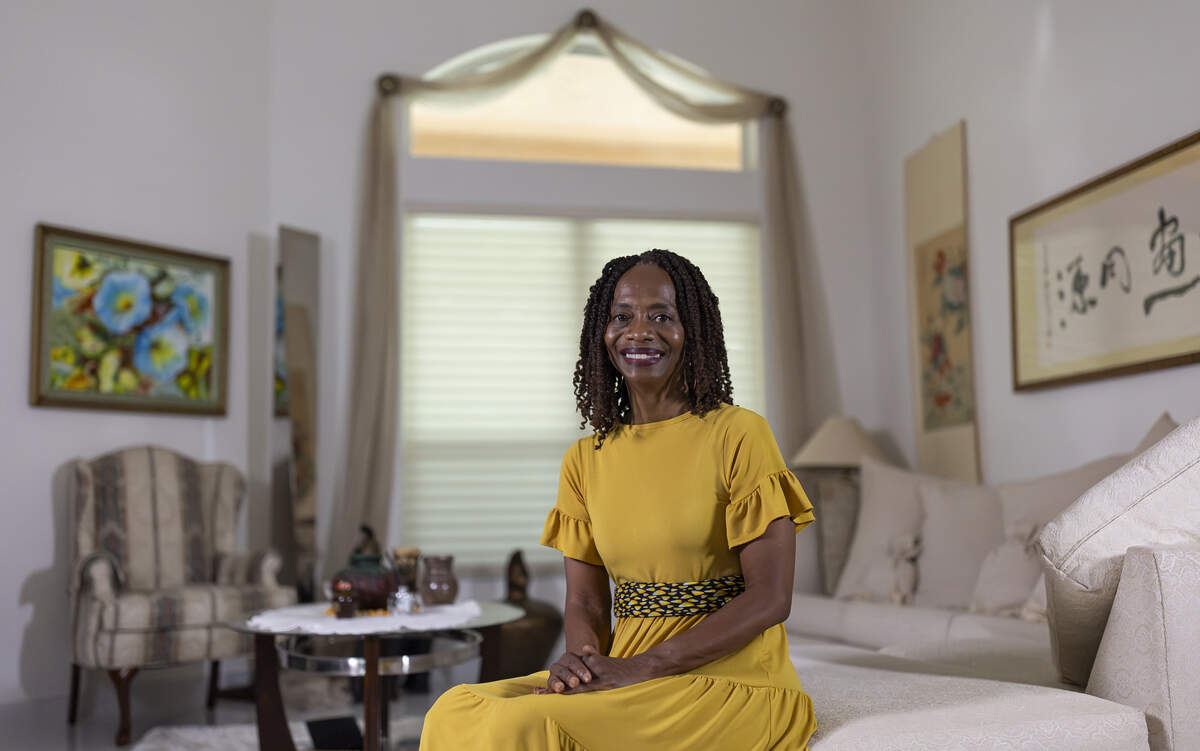
Workers like Chaman often sweat profusely, meaning they have to “drink around the clock,” at least every 15 minutes, to stave off dehydration, said Holder. They need a shaded place to rest – ideally one with a fan to whisk away sweat and aid the cooling process – otherwise it’s nearly impossible to cool down.
Experiencing dehydration for weeks on end takes its toll, especially on the kidneys, said Holder. Without enough water, kidneys might not properly filter blood – an affliction known as acute kidney injury.
More than half of Florida agricultural workers examined in a 2022 study showed up to the fields already dehydrated; a third of them developed acute kidney injury on at least one of the days measured. Without rest, those embattled kidneys can eventually land someone on dialysis or a transplant list.
Someone pushing their body past dehydration – past the point of cramping – might experience heatstroke. Their brain begins to malfunction. They might slur their words or stumble around, and if they don’t cool down quickly, they might have a seizure or lose consciousness – or die.
Determining how often this occurs is difficult. Records kept for 911 calls are vague (and rare) for the dozens of nurseries the Herald examined. Most plant nursery workers don’t have health insurance, and many are undocumented, making them less likely to call 911. More often than not, workers told the Herald, they’re offered a place to sit until they can drive themselves home.
Shelda Joseph, a 34-year-old worker at a large nursery in Homestead, says she’s seen it herself.
In the first week of August, when heat index peaks averaged 104 degrees in Homestead, Joseph witnessed three people collapse at her job site. Two people fainted, and one person fell over. Those who fainted were led to an air-conditioned room to cool down and meet with the staff nurse, while the dizzy one was told to sit for a few minutes before being ordered back to work, Joseph recalls. “They never call the ambulance.”
Heat killed 582 workers nationwide between 2011 and 2024, and the losses trend upward, according to the Bureau of Labor Statistics. From 2011 to 2017, an average year saw 36 heat-related worker deaths; between 2018 and 2024, heat killed an average of 47 workers annually, a 31% jump.
Chaman dreaded it might claim her unborn daughter, too. But she didn’t stop working while pregnant, against her doctor’s advice. “[The OB-GYN] told me not to carry heavy things, to not work so much, but I went to work all the same, out of necessity,” Chaman says.
She needed the money to send home to her older kids in Guatemala, but she was scared. She couldn’t shake the memory of what had happened to one of her pregnant coworkers. The woman doubled over while working in the field one day. She had miscarried her baby.
“She went to the hospital alone,” says Chaman. “Nobody helped her.”
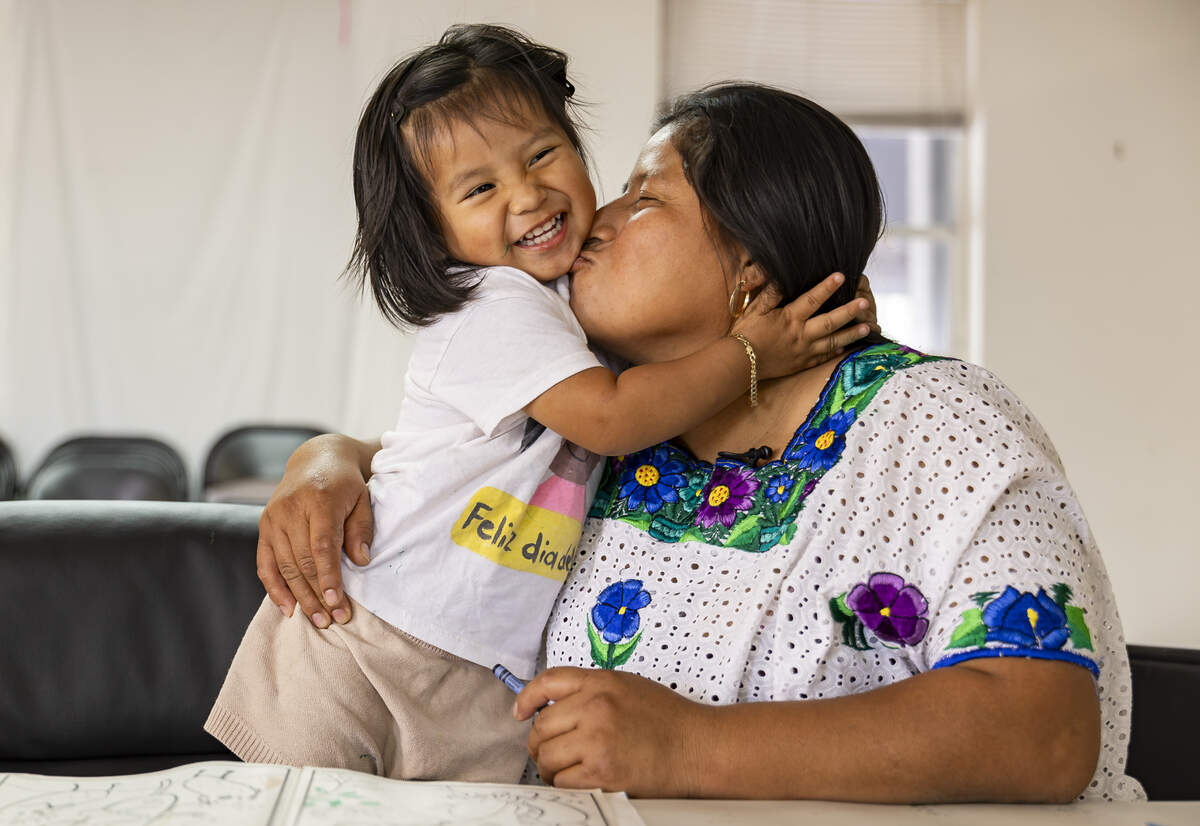
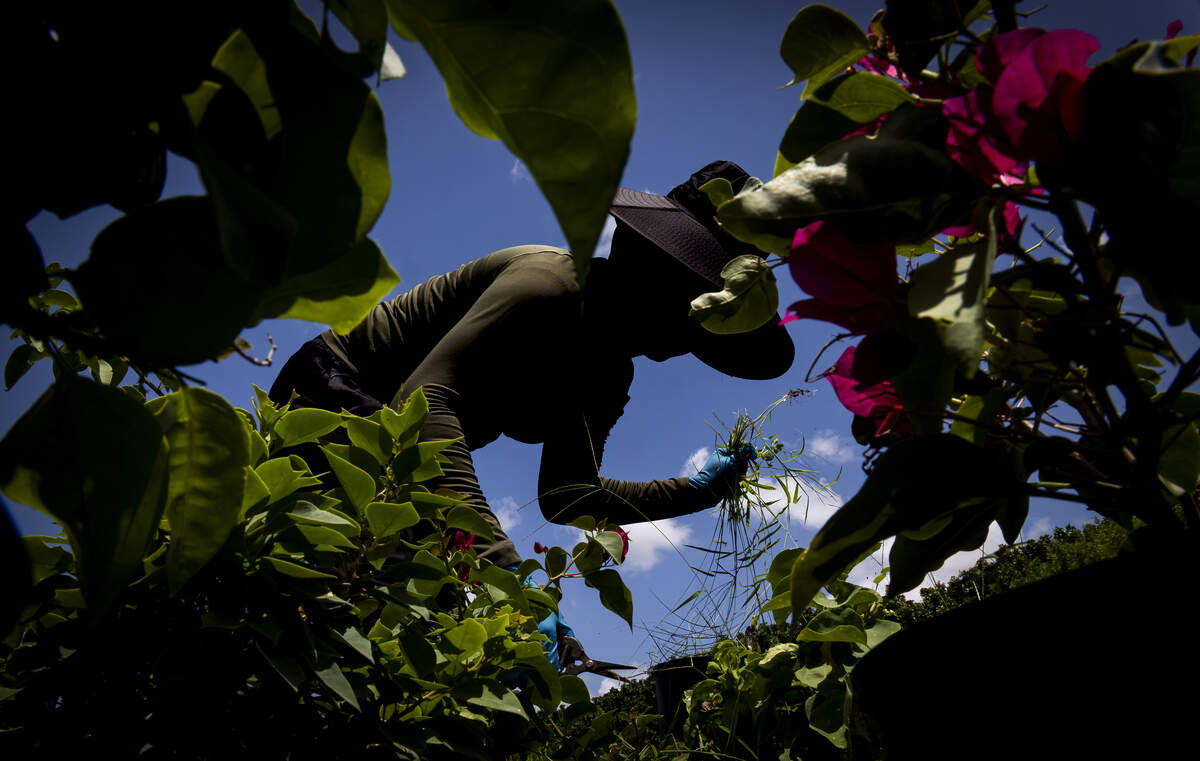
Joseph tells the Herald that she, too, witnessed a friend miscarry while at work. “It’s grueling work, and you’re, in a sense, working upside down, as in your head and feet are often very close to each other,” she says, describing the bent-over posture many nursery workers assume when weeding or pruning small plants. “You can lose the baby doing this type of work.”
But Chaman clocked in anyway, all through the summer of 2024, the final trimester of her pregnancy. “[My bosses] told me, ‘If you don’t come to work, there won’t be any more work for you.’”
The Herald has agreed not to publish the names of Chaman and Joseph’s places of work as both fear retaliation.
Closed doors
Just three years ago, Miami-Dade County was on the cusp of passing some of the country’s most comprehensive heat protections for outdoor workers.
The bill would’ve forced companies to provide clean water and shade breaks, as well as train workers to recognize and respond to symptoms of heat illness. Violators could’ve faced a $3,000 fine per infraction per day.
Then construction and agricultural lobbyists watered it down.
“Legislation is always a process involving compromise,” reflected Miami-Dade County Mayor Daniella Levine Cava. “Industry just wants to have minimal requirements and restrictions to how they do their business.”
Weeks later, the Florida Legislature ended the debate by outlawing local governments from passing worker heat protections, slamming shut the legislative door to changes sought by groups like WeCount.
Trump benched the similar federal effort underway under Biden, and elements of Congress want to bury it for good.
“It would’ve set uniformity across the country and given employers a way to know they’re meeting the standard,” said Julie Su, who served as acting secretary of labor under Biden. “Now there’s just a patchwork of protections across the nation, and some workers don’t really have any at all.”
But even if those protections had been put into place, someone would’ve had to enforce them. That job currently falls to the Department of Labor’s Occupational Safety and Health Administration (OSHA).
But OSHA told the Herald it has just 22 inspectors covering Miami-Dade, Broward, Monroe and Palm Beach counties, which have a combined 3.3 million employed workers, according to U.S. Census data. That means there’s roughly one OSHA inspector for every 151,810 South Florida workers.
“We don’t think OSHA is the solution,” said Londoño of WeCount. He described the organization as underfunded, understaffed and therefore unable to enforce provisions that already exist. For instance, OSHA requires nurseries to provide clean drinking water to workers.
But Joseph, like Chaman, still feels the need to take her own water to work. “The water they give us is not safe drinking water,” she said, adding that it tastes like cleaning chemicals. “And there isn’t enough of it.”

Joseph stumbled into the nursery business out of necessity and stays for the same reason. “Sometimes in life there are things you accept because you have children,” says Joseph, who fled violence in Haiti three years ago. “Because I have a daughter, I owe her an education. She didn’t ask to be born; I have to keep working.”
Back home, she was a journalist, and she owned a small grocery store on the side. Here, she needs money. “Everything I am, everything I do and every sacrifice I make is so that [my daughter] does not experience what I go through today.” Tears welled in her eyes as she spoke in her native Kreyol.
At work, Joseph sows, trims, weeds and carries plants, and she does so eight hours a day, five – sometimes six – days a week, for $14 an hour. It’s barely enough for her and her 10-year-old daughter, Shelsee, to get by. They have no savings. Any money Joseph has left over at the end of the month goes to support her ailing mother, who’s still in Haiti.
She’s typically home by 6:00 p.m., her clothes sodden and, more often than not, her head splitting despite popping ibuprofen all day.
“Sometimes you get home, and even after taking pain medication, the pain doesn’t go away, and the next day you have to come back and do the same thing again,” she says.
“Working in the nursery is like hell, especially in the summer.”
A pivot to public shaming
Without government help, Planting Justice’s approach is an end run around the state, taking their asks straight to the plants’ buyers: big box stores and, importantly, their customers.
The goal, as Londoño sees it, is to get a critical mass of those would-be plant parents to consider how the sausage is made.
It’s not a new model. The “worker-driven social responsibility model,” as it’s known, sprouted across South Florida’s tomato fields in the 90s and manifested as the Fair Food Program.
Through public pressure, the Fair Food Program’s proponents were able to convince major produce buyers – including Whole Foods, McDonald’s, Walmart and Taco Bell – to sign contracts saying they’d only source produce from farms that agreed to the Fair Food code of conduct. Workers were guaranteed access to water, rest, shade, know-your-rights classes and better pay, as well as independent reporting and oversight bodies.
Planting Justice is seeking many of the same provisions for its workers, and it’s begun asking buyers to consider signing on.
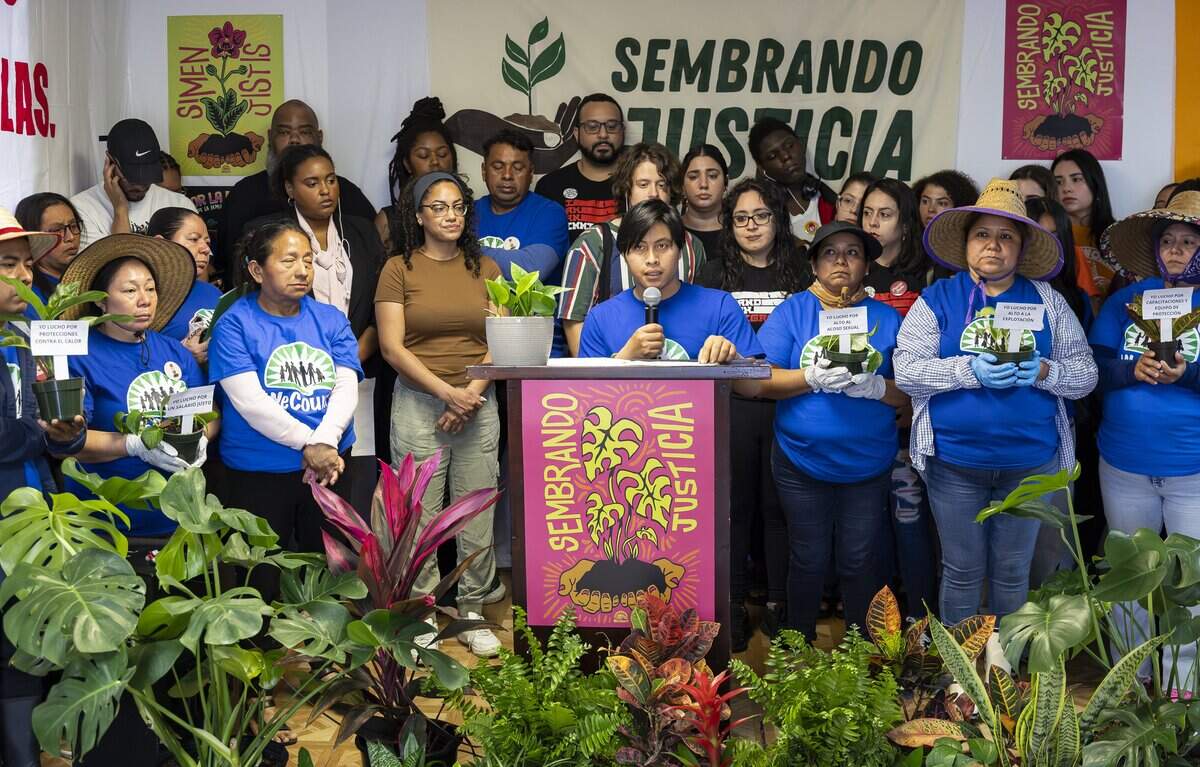
So far, they’ve sent certified letters to a number of major plant sellers, including Costco, IKEA, Home Depot, Lowes, Sprouts, Aldi, Target and Trader Joes. The idea is that consumers can more easily pressure a store they regularly shop at than a faraway nursery they’ve never heard of.
Most haven’t responded, and the few that have are in early exploratory talks. The Herald reached out to the 11 major stores WeCount said it had contacted. Only Whole Foods and IKEA responded, and each touted their own supplier codes of conduct.
But the theory is that, once signed on, those major buyers could only source from growers that demonstrably follow a code of conduct – something an independent monitoring body would confirm.
“If you don’t do something that’s financially enforceable, you’re sitting at the kiddie’s table,” said Susan Marquis, a professor at Princeton University focused on agricultural labor movements.
The benefits to Fair Food workers were obvious: Higher wages and safer conditions. But some produce growers, like Jon Esformes, CEO of Palmetto-based Pacific Tomato Growers, said signing onto the Fair Food Program has been good for their business, too.
“They are getting more work done in a shorter period of time because they’re rested,” said Esformes of his workers, who enjoy mandatory as well as discretionary breaks throughout the day – both paid and shaded – as well as on-hand electrolyte drinks. And with a more content workforce, turnover costs have gone down, he added.
A key to the Fair Food Program’s success was that it was able to capture a significant portion of the fresh tomato-buying market – roughly 20 to 30%, Marquis estimates – meaning farms needed to get on board if they hoped to sell produce to some of the country’s biggest buyers.
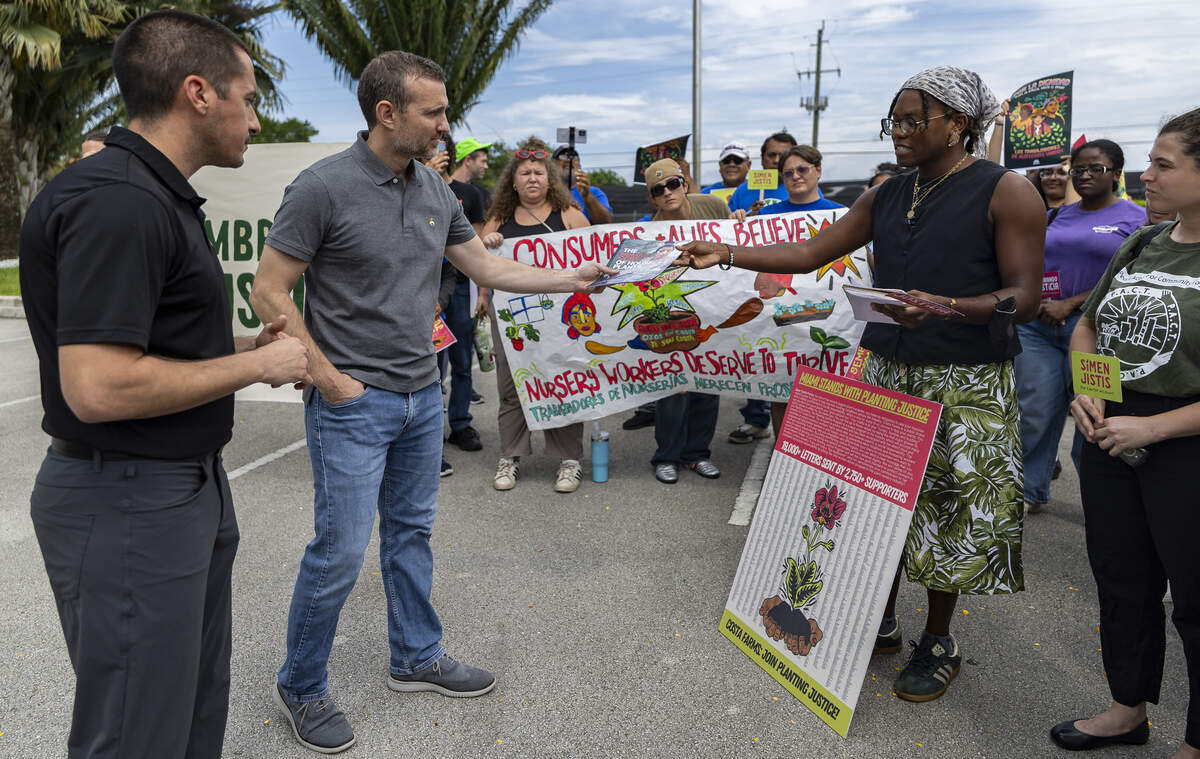
Which is why Costa Farms has become something of a white whale for Planting Justice.
The Homestead-based company is the United States’ – possibly the world’s – largest mover of indoor houseplants. With more than 2,000 acres of land in South Florida and 5,000 worldwide, they supply to big-box stores like Home Depot and IKEA.
If Costa signs on, “other growers will follow,” Londoño speculated.
It’s not just the size of Costa Farms that made the company a main target for WeCount. It’s the nursery’s influence, particularly its powerful voice against the Miami-Dade heat protections.
Jose Smith, the CEO of Costa Farms, wrote in a Herald Op-Ed in Oct. 2023 that oversight from the county would be an “existential crisis” for the agriculture industry and “a bottomless pit of red tape, lost time and money.”
The other flashing light that drew WeCount’s attention was the death of a Costa employee.
The company isn’t the only agricultural workplace to suffer a recent death. A 35-year-old farmworker died in April 2022 while harvesting strawberries in west central Florida; A 28-year-old farmworker collapsed and died in the heat while tending to bell peppers in 2023.
And a 44-year-old new hire collapsed in 2021 while sorting plants at Costa’s Homestead campus. OSHA originally categorized it as a heat-related death, but Costa Farms told the Miami Herald in 2024 that it was working with the agency to update the case files. By the following year, heat was no longer the worker’s official cause of death, at least as far as OSHA was concerned. But in the company’s own words, it catalyzed changes at Costa Farms.
“You’re totally right that an employee death that was originally thought to be heat-related should have been a wake-up call. And it was,” said Justin Hancock, director of research and development and horticultural content at Costa Farms, responding to a Reddit thread earlier this year.
Two years ago, anonymous Costa workers told the Herald that conditions at the Homestead nursery were trying. They said they’d never received heat training, that there was limited access to water and that laborers frequently fainted on the job. Company executives pushed back at what they considered unfair, uninformed criticism.
Costa did not agree to speak to the Herald for this story or provide answers to written questions, but it does seem the grower has taken steps to address those concerns. Speaking on the condition of anonymity, a current Costa worker said she’s allowed to take rest breaks when she needs them and that Costa doesn’t dock her pay for doing so.
She has access to water and electrolyte beverages, she noted, adding that workers are educated about how to deal with symptoms of heat illness. She also said that conditions at Costa are far superior to those at neighboring nurseries. At some, friends in the industry tell her, “they don’t even let you go to the bathroom.”
Neither Joseph nor Chaman works for Costa Farms.
Hancock has replied to dozens of Reddit users over the years, defending Costa Farms’ heat safety practices, often pointing to the company’s workplace awards, nurse on staff and investment in newer heat monitoring technology to “ensure they can give the employees more frequent breaks in the areas where they’re needed.”
“I get it that there’s a lot more written about how bad CF is perceived to be because there isn’t much being written out there about the good stuff CF is doing,” Hancock wrote last year.
The new protections are a positive step, says WeCount, but they’re not enough – not until Costa submits to external, independent monitoring.
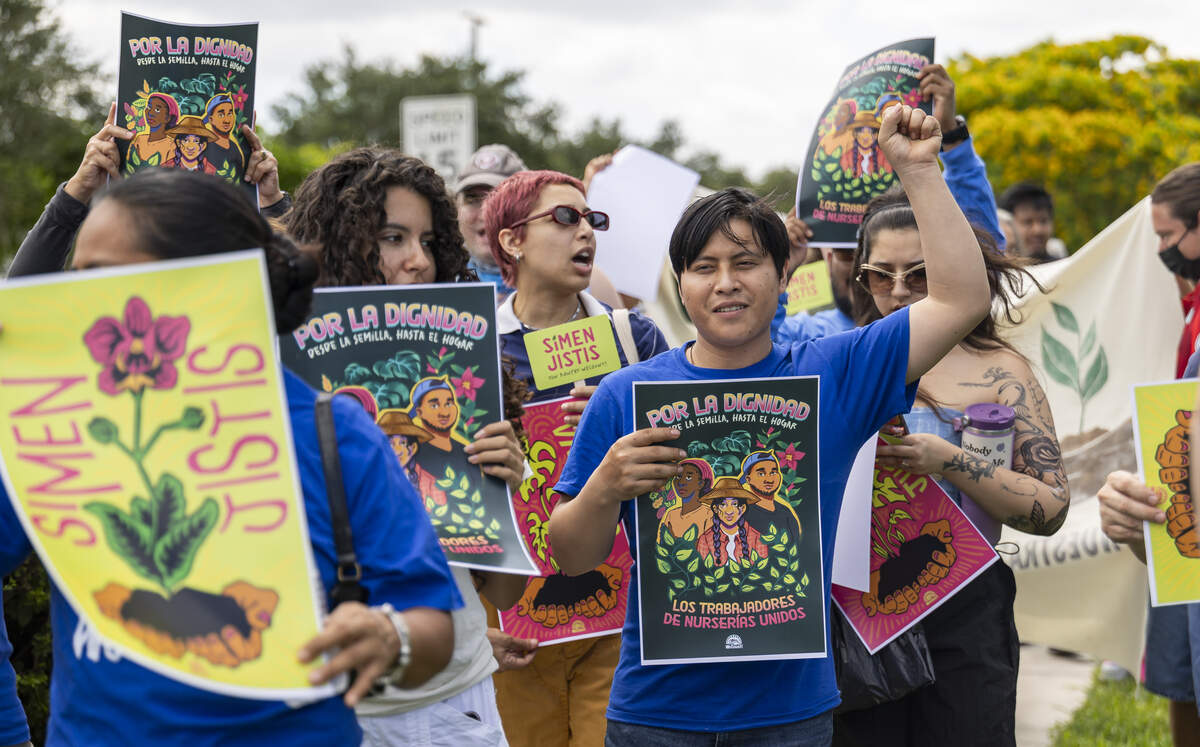
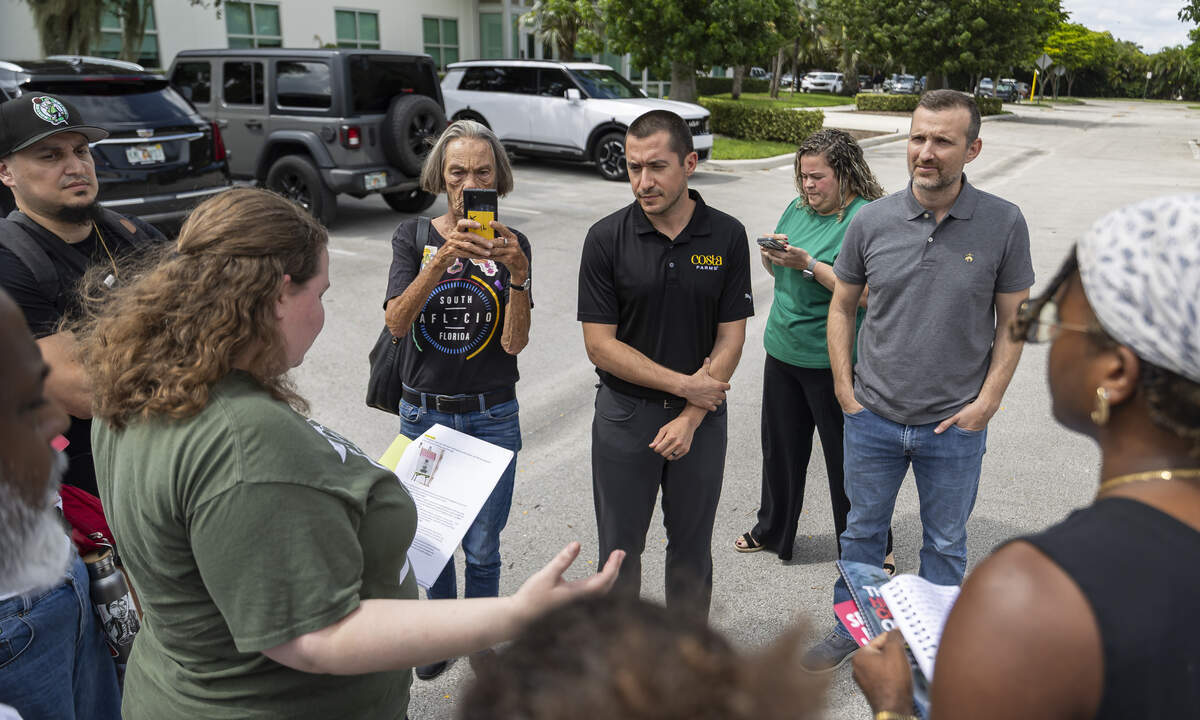
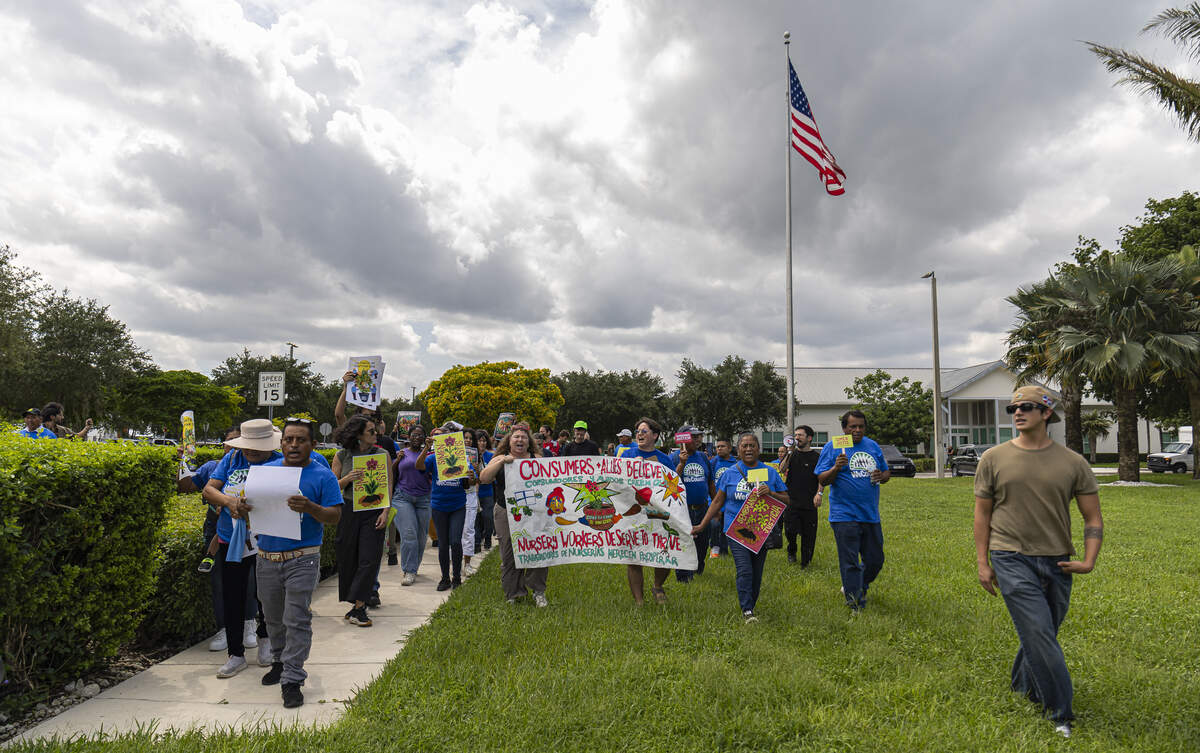
The company’s participation in Planting Justice has so far proved elusive. But on Sept. 9, WeCount marched on Costa anyway, sending letter-bearing advocates to the firm’s Homestead headquarters in a bid to encourage its participation in Planting Justice.
Before ordering WeCount demonstrators off the premises, a Costa representative reiterated the company’s stance on Planting Justice – that Costa has already implemented most of what the movement is asking for – and deflected calls to sign on.
What’s the problem?
This movement is useless if it can’t get any businesses to join. Though it’s only seven months old, the early signs are that neither big-box stores nor growers seem too keen on Planting Justice.
Mitch Rabin runs a small nursery in Homestead. He’s been in the business for 46 years, and he recognizes that South Florida’s climate isn’t what it used to be.
“I don’t recall ever lots of temperature days in the high 90s,” he said. In the South Florida of Rabin’s memory, clouds and brief, cooling showers were fixtures of summer afternoons. “Now it’s become the pattern of the extremes: Long periods of heat and a lot more sun.”
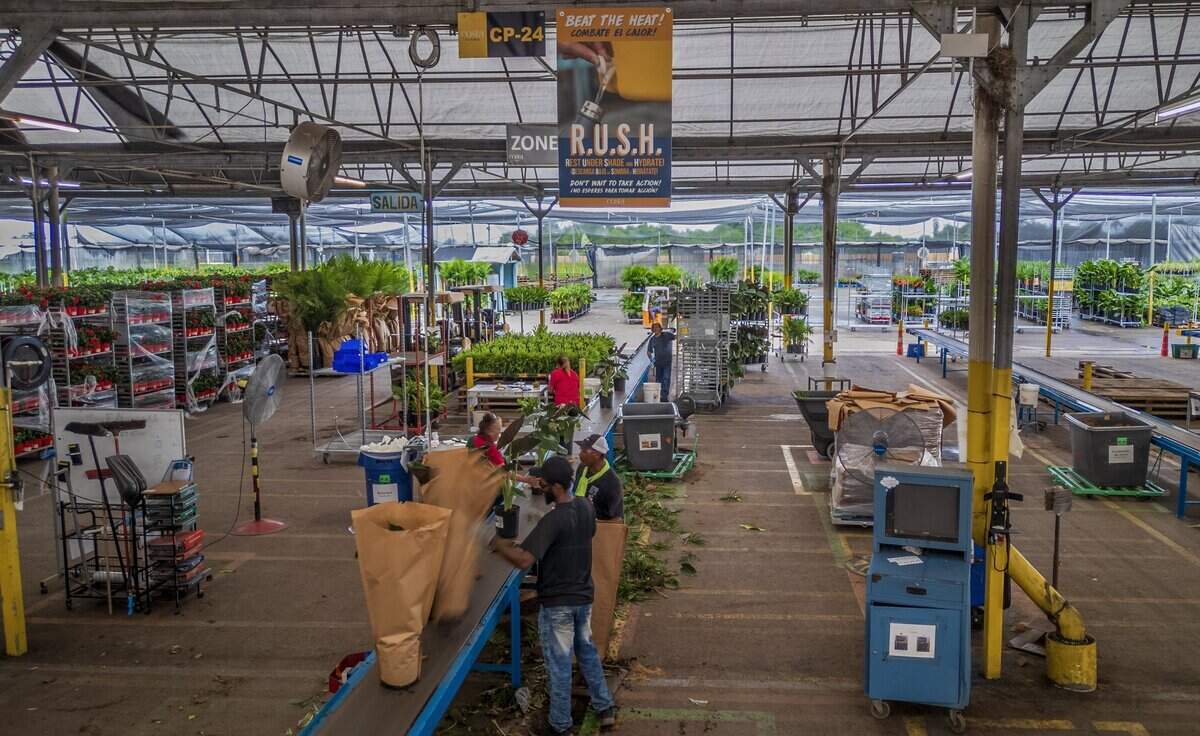
Still, Rabin feels he takes good care of his workers, one of whom had a heat stroke a few years back. He responded by adding more fans and chilled water to help workers cool down, and he says he sees to it that they have breaks throughout the day and access to air-conditioned bathrooms.
But Rabin thinks external monitoring – a key component of Planting Justice’s ability to enforce its code of conduct – could complicate the day-to-day of his business, and he doubts many local growers would be excited by the prospect.
“But…” he paused. “I mean, if everyone drove great we wouldn’t even have to have traffic lights.”
And though Esformes, the tomato farmer, is a Fair Food Program evangelist, he noted some of Planting Justice’s asks, like paid time off, are beyond what’s normal in the agricultural industry.
“Paid time off and sick leave are not common,” he said. Had that been one of the Fair Food Program’s requirements – and it wasn’t – “that would have been a real problem.”
Rabin was the only plant nursery owner who commented out of more than two dozen the Herald contacted for this piece.
A Hail Mary
If history’s any tell, Planting Justice might still be years out from success. The Fair Food Program only hit pay dirt after a years-long public pressure campaign against well-known stores. Planting Justice, meanwhile, hasn’t really begun to turn the screws beyond a few demonstrations. And while they’ve reached out to some big box stores, few have replied, and even fewer are engaging meaningfully with the movement.
But with state and federal authorities absent from the fields, Planting Justice is a Hail Mary for nursery workers like Chaman and Joseph, who toil in increasingly extreme heat to cultivate the nation’s houseplants.
“We know the science,” said Su, the former Labor secretary. “People have to be able to rest, to recover from heat. They have to be given water; they have to be given shade.”
“These things are not complicated,” she added. “It’s just a matter of if we care about workers’ lives more than we care about driving them into the ground to finish a job.”
But while lobbyists, advocates, businesses and lawmakers go round and round on the issue, Chaman returns home every day soaked with sweat, head throbbing and so exhausted she can barely lift her daughter.
Chaman never thought she’d be involved in a workers’ rights movement, but she feels nursery workers can’t afford for Planting Justice to fail. Sitting after having pruned some plants at a local nursery, Chaman points out a nascent bougainvillea.
“The plant looks nice,” she says. “But you don’t know what we suffered to grow it.”
This story was originally published November 5, 2026 at 5:00 AM with the headline "‘The nursery is like hell’: Here’s what it costs to grow your houseplants."