There are about 6,000 underground gasoline leaks in Florida. Are you near one?
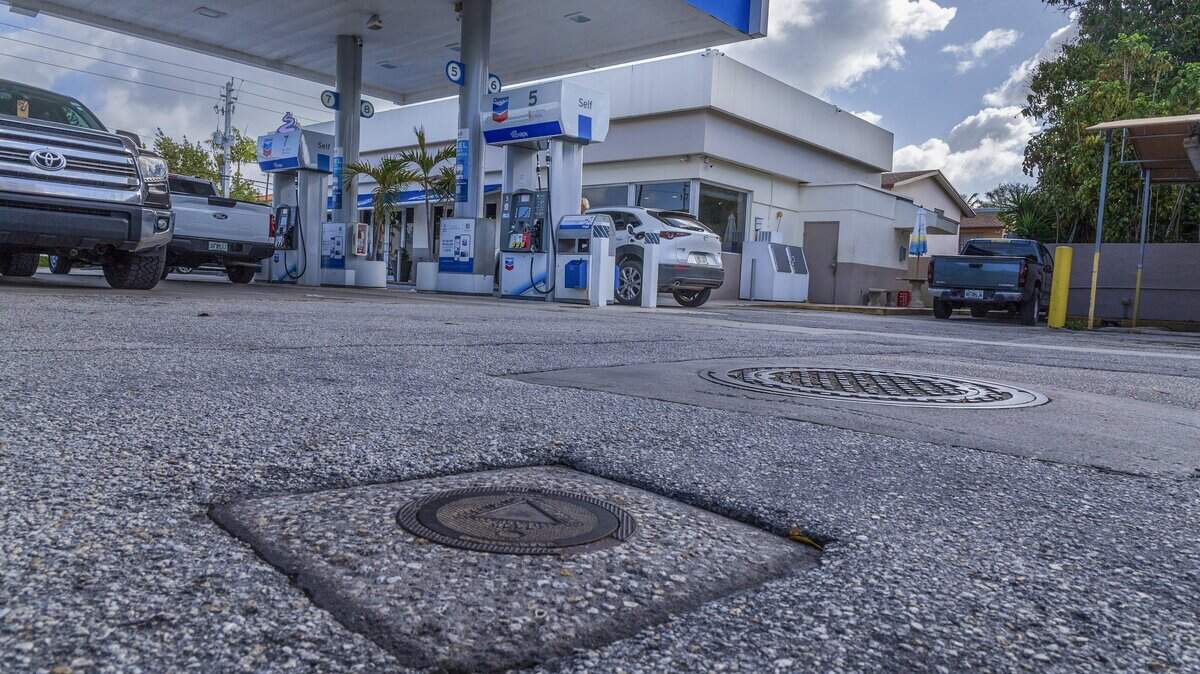
There are more than 1,000 corroding, rusty underground storage tanks leaking gasoline into Miami-Dade County’s groundwater, and 6,000 across the state of Florida.
If you are wondering if your home is close to a gas leak, the way to find out is through Florida Department of Environmental Protection data.
This map below shows gas leaks throughout Florida tracked by the Florida Department of Environmental Protection. The DEP Contamination Locator below it has all documents associated with each site. The “Scoring Checklist” and “Site Assessment” forms will indicate how close the leak is to wells, the Biscayne Bay, if it’s on a down-grade slope that could move, and more.

READ MORE: A nearby gas station leaked decades ago. This Miami home is still paying the price
One house the Miami Herald reported on in Miami’s Morningside area has been dealing with a gas leak for more than four decades. When the house went on the market, every potential buyer had to be told that a neighboring gas station leaked fuel 40 years ago, which spread to contaminate the groundwater beneath the home.
The state created the Early Detection Incentive Program in the 1980s — when gas leaks were rampant because underground storage tanks were typically made of single-walled steel that could easily corrode — that helped fund clean-ups at gas stations that self-reported leaks.
Over the past decade, the state has spent $54 million on 1237 cleanup efforts across the county, according to Miami-Dade Department of Environmental Resources Management. In the late 1980s, Miami-Dade had hundreds of reports of new gas and diesel leaks. Last year, there were just eight, the county’s environmental department reported.
Old Herald clippings from 1986 reported about homeowners’ toilets and sinks smelling like gas, a 3-year-old getting rashes and fevers from drinking the well water and fear of dryers exploding. Hundreds of residents all over the state were forced to use bottled water or hook up to city water supplies, when available.
Is a leak affecting you? Let us know climate@miamiherald.com
Ashley Miznazi is a climate change reporter for the Miami Herald funded by the Lynn and Louis Wolfson II Family Foundation and MSC Cruises in partnership with Journalism Funding Partners.
This story was originally published June 27, 2026 at 4:30 AM.