How snorkelers and divers can help researchers track coral bleaching this summer
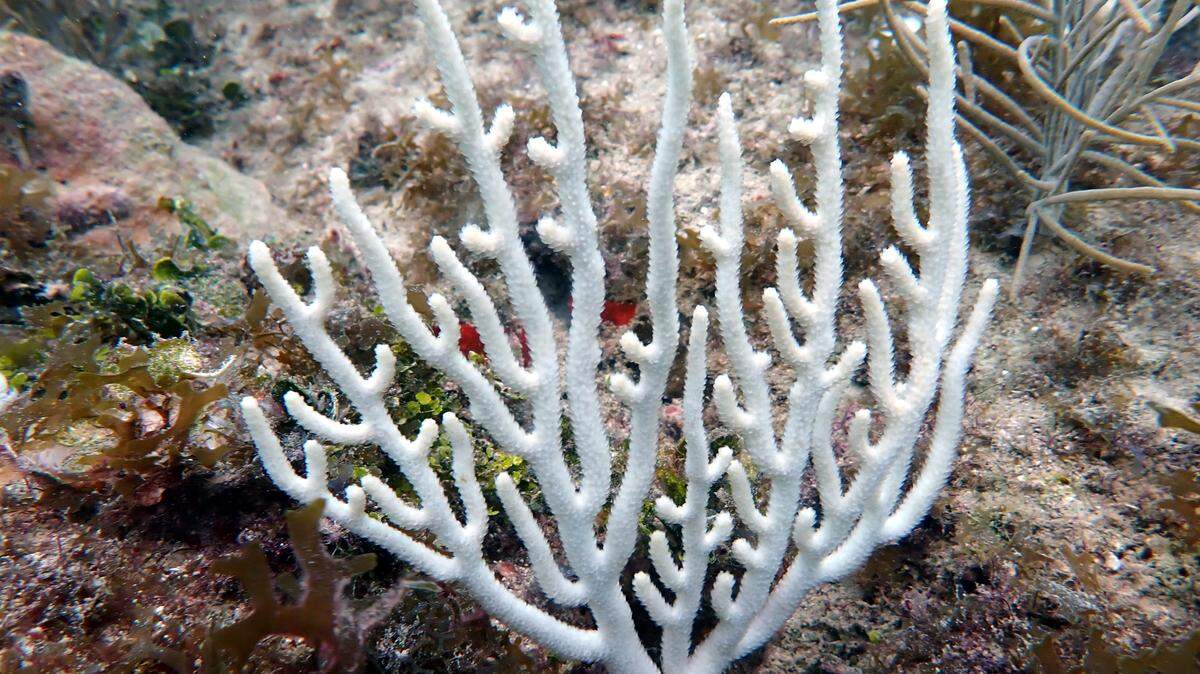
While Florida’s bathtub-warm water temperatures make for comfortable summer swims, it can push sealife over the edge. When water temperatures climb above 86 degrees and can sometimes spike into the mid- to upper 90s, corals become so stressed that they lose their color and turn a ghostly white.
Recreational snorkelers and divers are often the first to spot these changes. That’s why scientists in Miami-Dade and the Florida Keys are asking for their help in monitoring reefs for bleaching and disease.
Two programs are currently recruiting volunteer “citizen scientists.” The Mote Marine Laboratory and Aquarium trainings cover the region from Key Largo south, while the Southeast Florida Action Network (SEAFAN) operates north of Key Largo. In both programs, diver observations help researchers build a more complete picture of reef conditions over time.
“Any reporting is important. It’s very, very helpful to us,” said Eva Laxo, BleachWatch Upper Keys volunteer coordinator. “I don’t want people to think that they need to commit their entire dive to data collection. We want it to be very easy for them to do.”
The stakes are high. A National Oceanic and Atmospheric Administration-led study found that the record 2023 marine heat wave triggered a “functional extinction” or Staghorn and Elkhorn coral, which means the species have declined so rapidly that they no longer play a significant role in the environment. Corals all around Florida have experienced extreme levels of heat stress.
Interested citizen-scientists need to be trained on what to look for. That includes learning to identify common coral species and the main threats they face in South Florida — especially heat stress driven by climate change. Divers are also taught how to estimate the extent of bleaching, since not all pale or white coloration means damage. In some cases, it can be healthy new growth. Training also covers how to recognize signs of coral disease.
In both Miami and the Keys, training is available online at any time and takes about two hours to complete. In-person options are also available, with two sessions remaining in the Keys on May 23 and June 13. In Miami, interested participants can fill out a form and be contacted to schedule an upcoming classroom or in-water training.
Ashley Miznazi is a climate change reporter for the Miami Herald funded by the Lynn and Louis Wolfson II Family Foundation and MSC Cruises in partnership with Journalism Funding Partners.