Recycling bottles into sand show first signs of promise for coastal restoration
Sand is one of the most used resources in the world. It’s in our roads, buildings – and beer bottles.
For people living along the coast, sand also defends against intense storms and sea level rise fueled by climate change.
But there isn’t enough of it. Florida’s coastal counties spend millions trucking in sand to preserve the eroding beachfront.
One South Florida company posed a solution: if sand makes glass, why can’t we just crush it back into soft, precious sand?
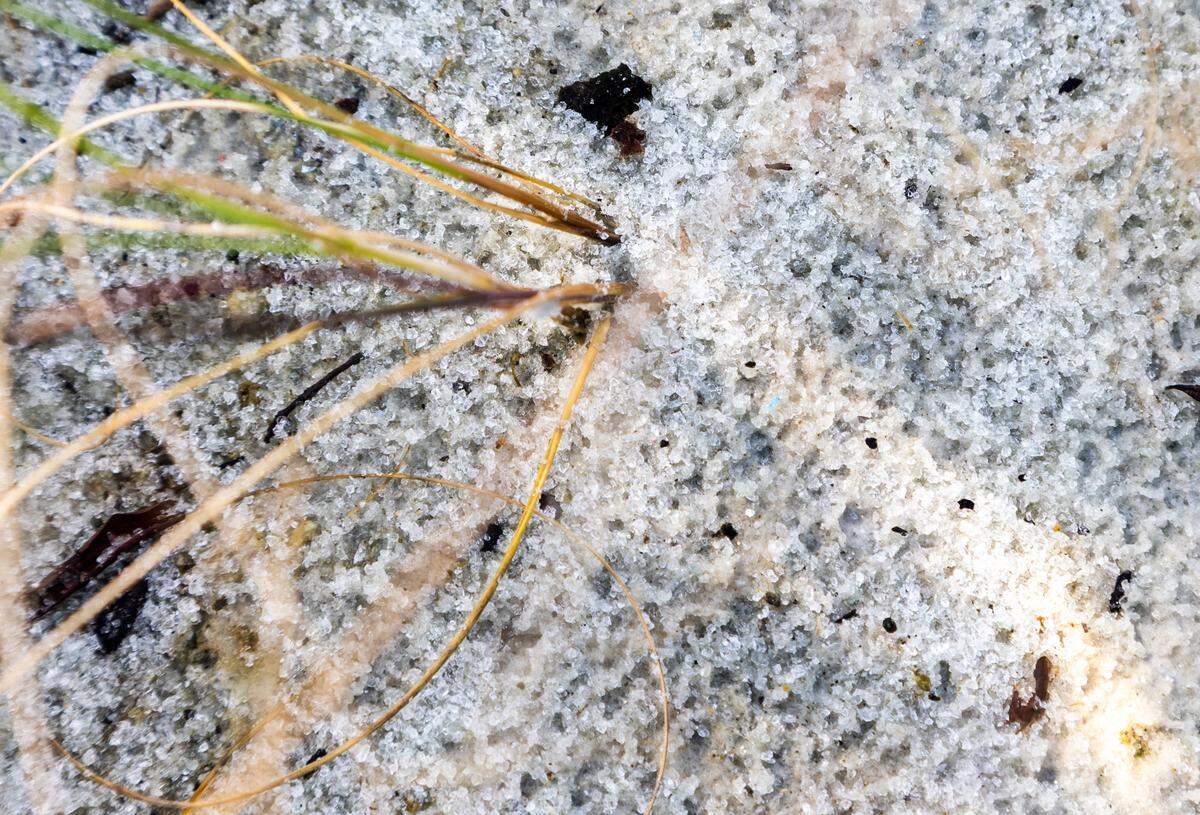
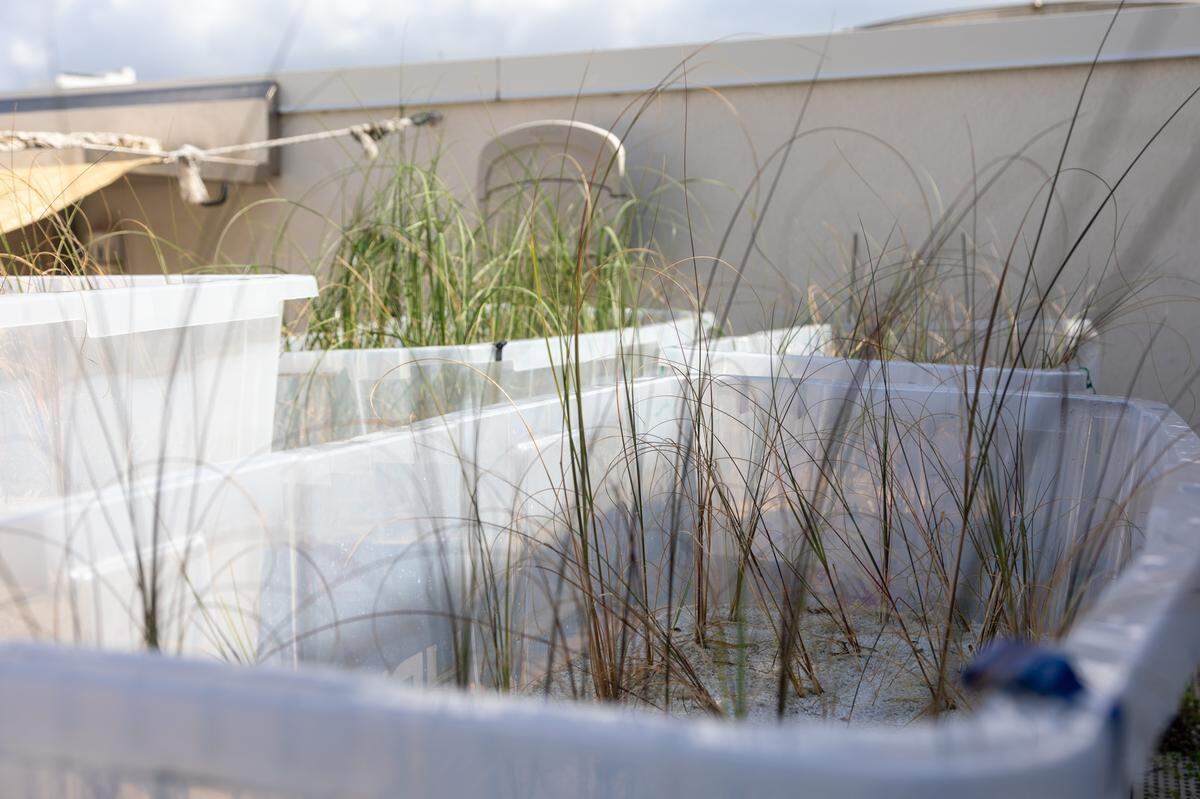
Early results suggest it could work. In a pilot experiment, sea oats grown in recycled glass sand from the startup Glass for Life performed just as well as those planted in natural beach sand.
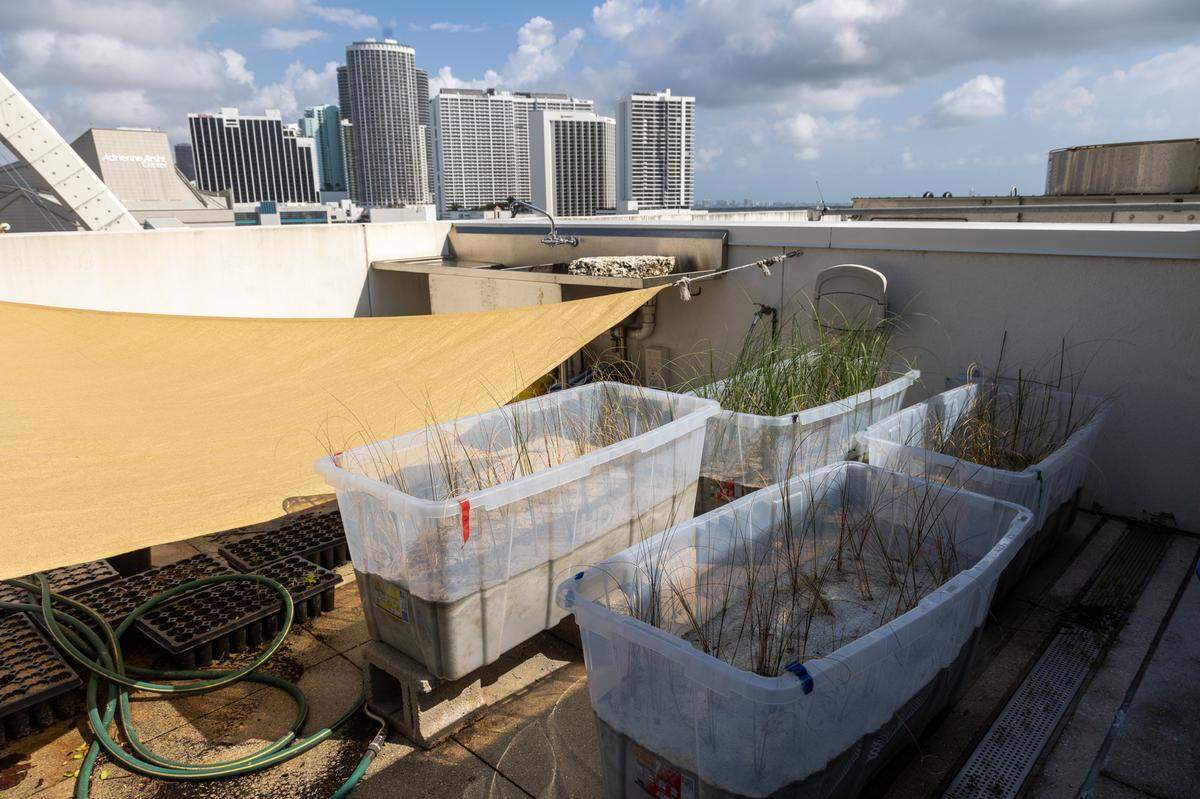
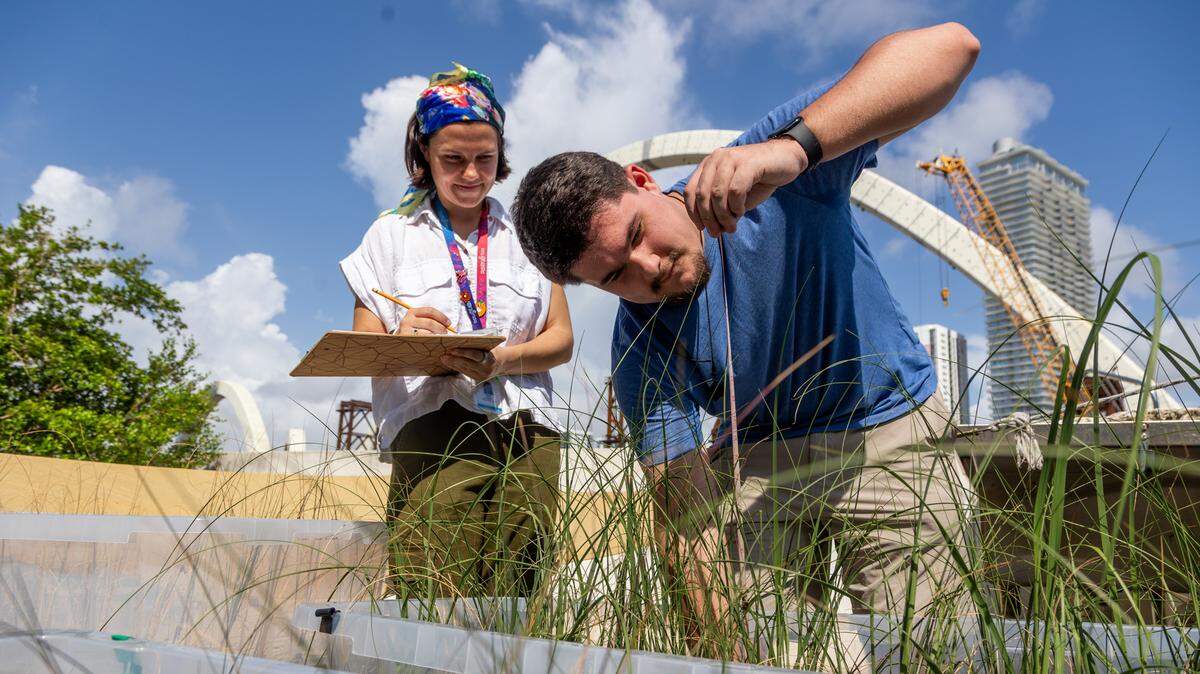
The test was set up on the roof of the Frost Science Museum. Juliana Grilo, the museum’s program manager and Nathan Rubin, a student at the University of Miami, carefully watched and measured the sea oats every week for 90 days.
Sea oats were selected because they are easy to move, cheap to grow and an essential part of coastal restoration.
“Most of their biomass is underground, so their roots are super intricate, and it keeps the sand in place, which helps protect our coastlines,” Grilo said.
Paola Barranco, the founder of Glass for Life, said the next step is figuring out how well it does in the recycled sand on an actual beach – likely a private marked off area first.
READ MORE: Florida has a beach sand shortage. Could your beer bottles be part of the solution?
They are presenting the results at Mr. C Miami hotel in Coconut Grove on April 14. Mr. C’s pays for Glass for Life’s bottle recycling service and funded the study. Barranco said their partnership with Mr. C demonstrates how the hospitality industry can actively contribute to local resilience.
“We know we can do this in theory now, but once you put it into the actual beach and you can see if it works or not, and then you can start using it to actually do coastal restoration,” Rubin said.
Ashley Miznazi is a climate change reporter for the Miami Herald funded by the Lynn and Louis Wolfson II Family Foundation and MSC Cruises in partnership with Journalism Funding Partners.