New site helps Miami-Dade residents answer the question ‘Can I recycle that?’
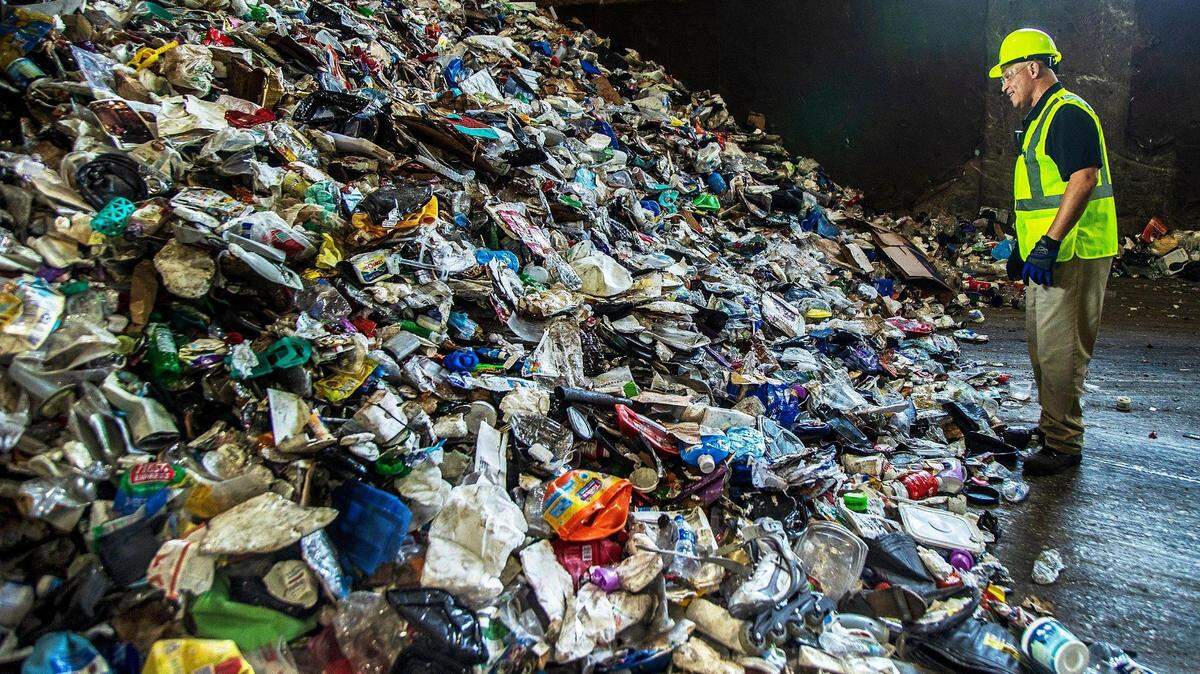
Should you recycle a yogurt container? A tin can? A greasy pizza box?
The answer depends on where you live and who picks up your trash. So that yogurt container is recyclable in Miami Beach – but not in Miami. A plastic cup won’t be recycled in Key Biscayne, but it will be in Sunny Isles.
The inconsistencies help explain why, even when residents try their best to recycle, much of Miami-Dade’s trash is contaminated and winds up in the landfill.
Now, a new website can help you figure it out. With Recyclepedia, you can filter by municipality to search whether or not an item should go in your curbside recycling bin.
“Most people do want to do the right thing. It’s just the confusion,” said Barbara Martinez-Guerrero, the executive director of Dream in Green, a non-profit that developed the online tool in partnership with Miami-Dade Solid Waste.
Glass and aluminum are typically recyclable, Martinez-Guerrero said. Plastic is where things go “haywire.”
Miami-Dade County’s Solid Waste Department serves only 20 of the county’s 34 municipalities. The remaining cities contract with private haulers, such as Waste Management, each with its own recycling rules.
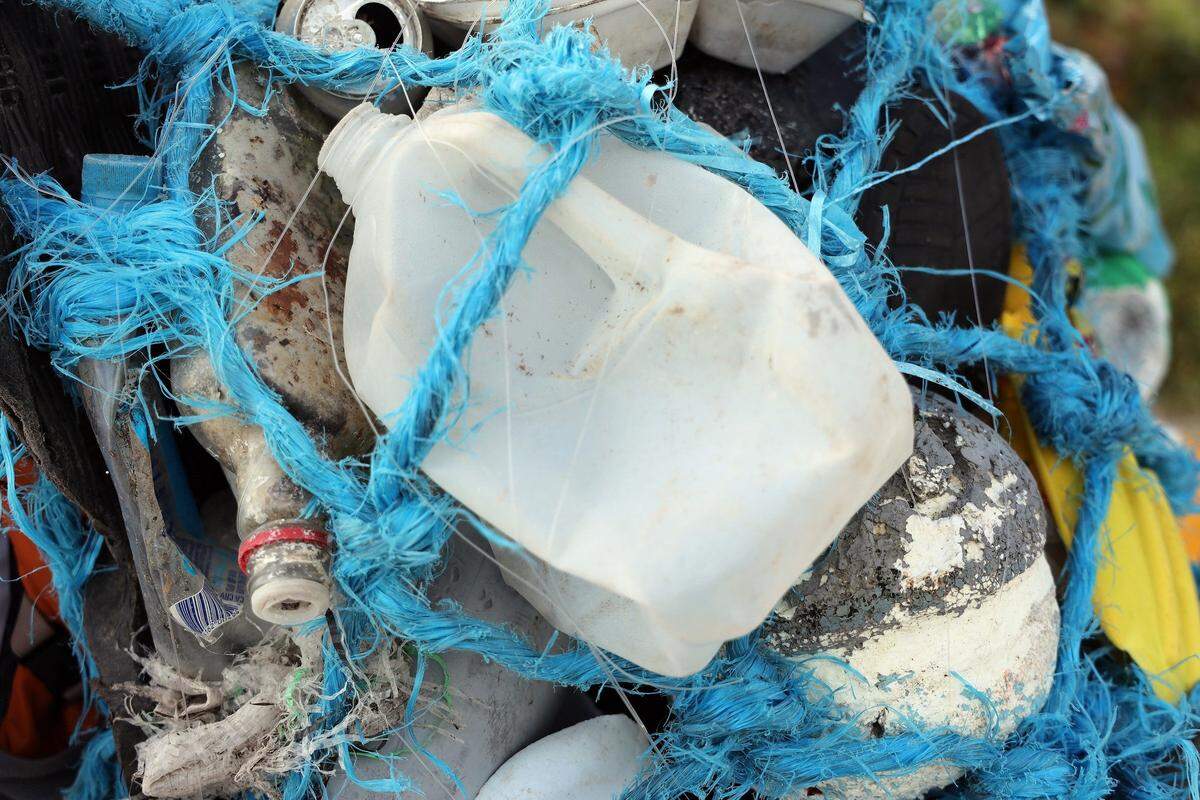
Those triangles printed on plastic with a small number inside are designed to tell you what type of plastic an item is made from, so you can determine whether it’s accepted for recycling. Those codes matter in places like California and New York, but in Miami-Dade County, “those triangles go out the window,” Martinez-Guerrero said.
In the 20 municipalities the county serves, the only plastics that the county recycles are bottles. Water bottles, shampoo bottles and detergent bottles are fine – but if the item doesn’t have a bottle shape, where the container is wider than the opening, it won’t be recycled.
“It goes back to supply and demand,” Martinez-Guerrero said. “The county and these private companies don’t recycle just because it’s good for the planet. They do it because they sell that material.”
Correcting residents’ recycling wrongs is more than a moral issue for Miami-Dade, it’s a financial one.
Currently, only 37% of the more than five million tons of trash generated in the county each year is recycled — and even that is hampered by a 40% contamination rate. With local landfills nearing capacity after the county’s main recycling hub — the incinerator — burned to the ground in 2023, about half of the county’s waste is now shipped by train to out-of-state facilities, increasing both environmental and financial costs.
Also, plastics are made from fossil fuels. Both their production and disposal release carbon emissions, and they can take hundreds of years to break down in the environment.
There are some items shouldn’t ever be put on the curb, no matter where you are in the county. Batteries. Old Christmas lights. Medicine. Cell phones. Martinez-Guerrero said she reached out to businesses to identify locations to drop off those materials. Medicine, which has the risk of leaching into the soil and groundwater, can be dropped off at a CVS Pharmacy, for example.
The website, which is available in English, Spanish and Creole, will be updated at least every six months and it’s also in development as a phone app, Martinez-Guerrero said.
“We all need to do our part, and we all need to be part of the solution,” Martinez-Guerrero said. “We all need to be using the tools, because our garbage doesn’t just disappear.”
Ashley Miznazi is a climate change reporter for the Miami Herald funded by the Lynn and Louis Wolfson II Family Foundation and MSC Cruises in partnership with Journalism Funding Partners.
This story was originally published January 7, 2026 at 9:50 AM.