
Florida’s risky barrier islands are packed with people. Here are 5 takeaways
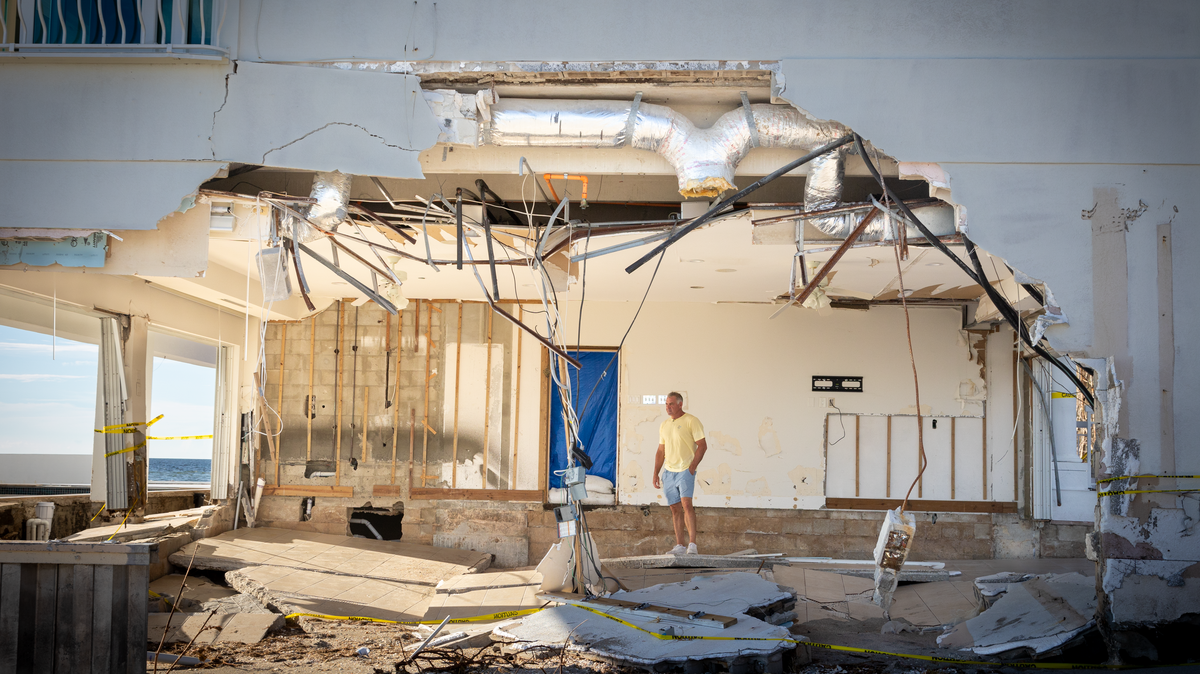
Florida’s barrier islands, while beautiful and popular, are highly vulnerable to hurricanes and climate change, posing significant risks to residents and infrastructure. Despite these dangers, development continues to surge, leading to increased insurance costs and potential economic repercussions for the state and beyond.
FULL STORY: Florida keeps packing people and buildings on barrier islands. It comes at a high cost

Here are the highlights:
▪ Florida’s barrier islands, such as Miami Beach and Marco Island, are picturesque yet precarious, serving as buffers against hurricanes and storm surges. Despite their inherent instability, these islands have seen a population increase, and Florida currently has the highest population on barrier islands in the nation, according to analysis by the Miami Herald.
▪ Development on these islands has surged, with a significant portion of housing now in high-rise buildings, exacerbating risks from climate change and natural disasters. Research has shown that some buildings are sinking more than expected, posing potential long-term maintenance challenges.
▪ Hurricanes pose a severe threat to these communities, with evacuation routes often clogged and some residents refusing to leave, leading to fatalities. The economic impact is substantial, with increased hurricane damage inflating property insurance rates and burdening taxpayers with the cost of coastal fortification.
▪ Florida has invested heavily in artificial beach restoration to combat erosion, spending over $2.3 billion to maintain its shifting shorelines. This investment signals to the market that taxpayer dollars will protect private properties, potentially encouraging further development.
▪ The barrier island boom significantly impacts Florida’s insurance market, with national firms exiting due to hurricane risks, leaving coverage to smaller, less stable companies. A major storm could lead to widespread insurance company failures, affecting mortgages and potentially impacting the national economy.
The summary points above were compiled with the help of AI tools and edited by journalists in the Miami Herald newsroom. The full story in the link at top was reported, written and edited entirely by Miami Herald journalists.