Rising Florida heat cutting into this exotic fruit’s already short and sweet season
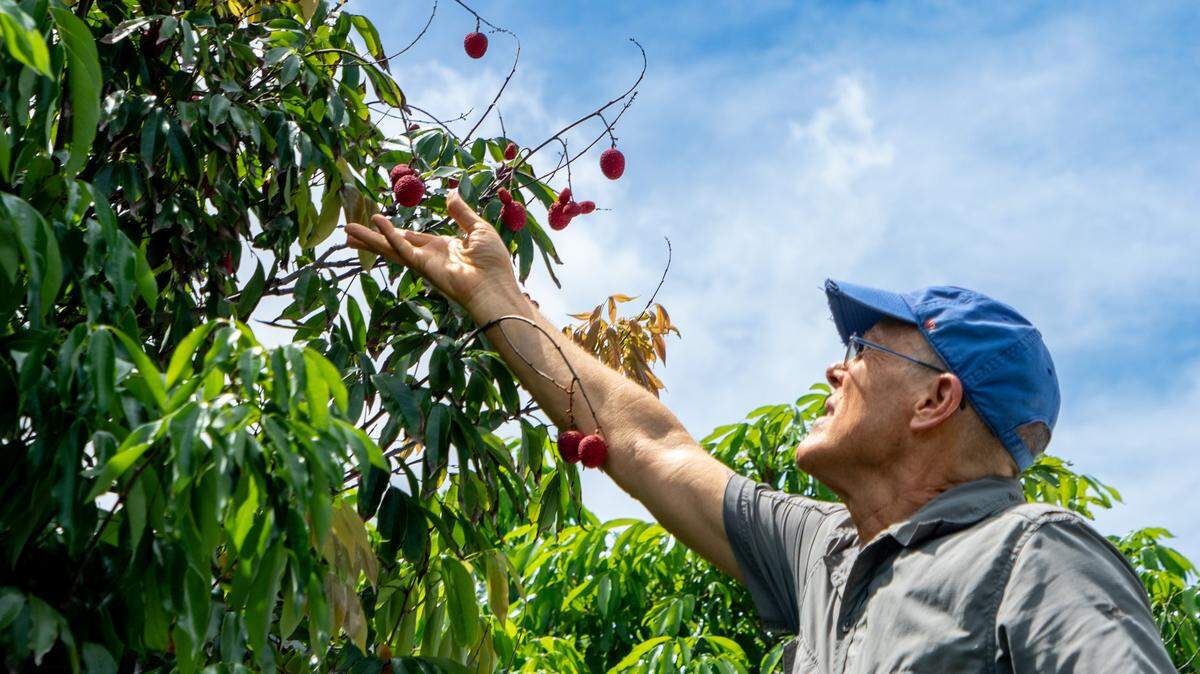
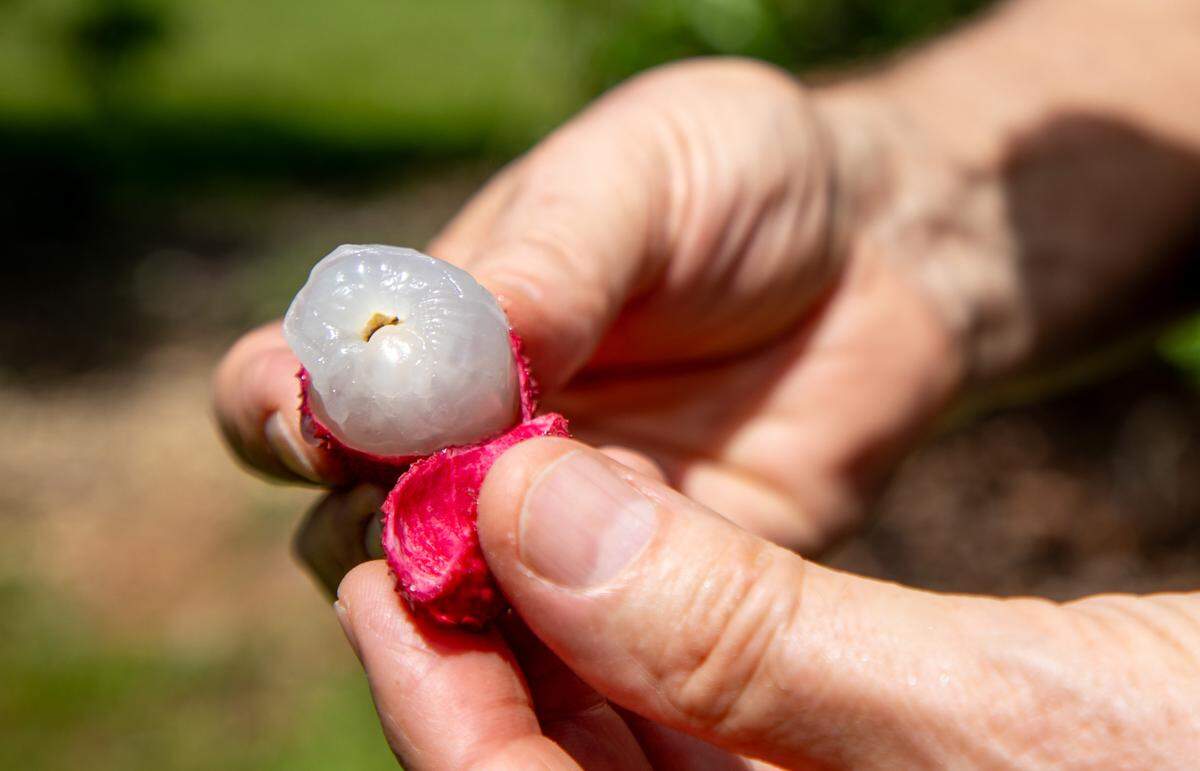
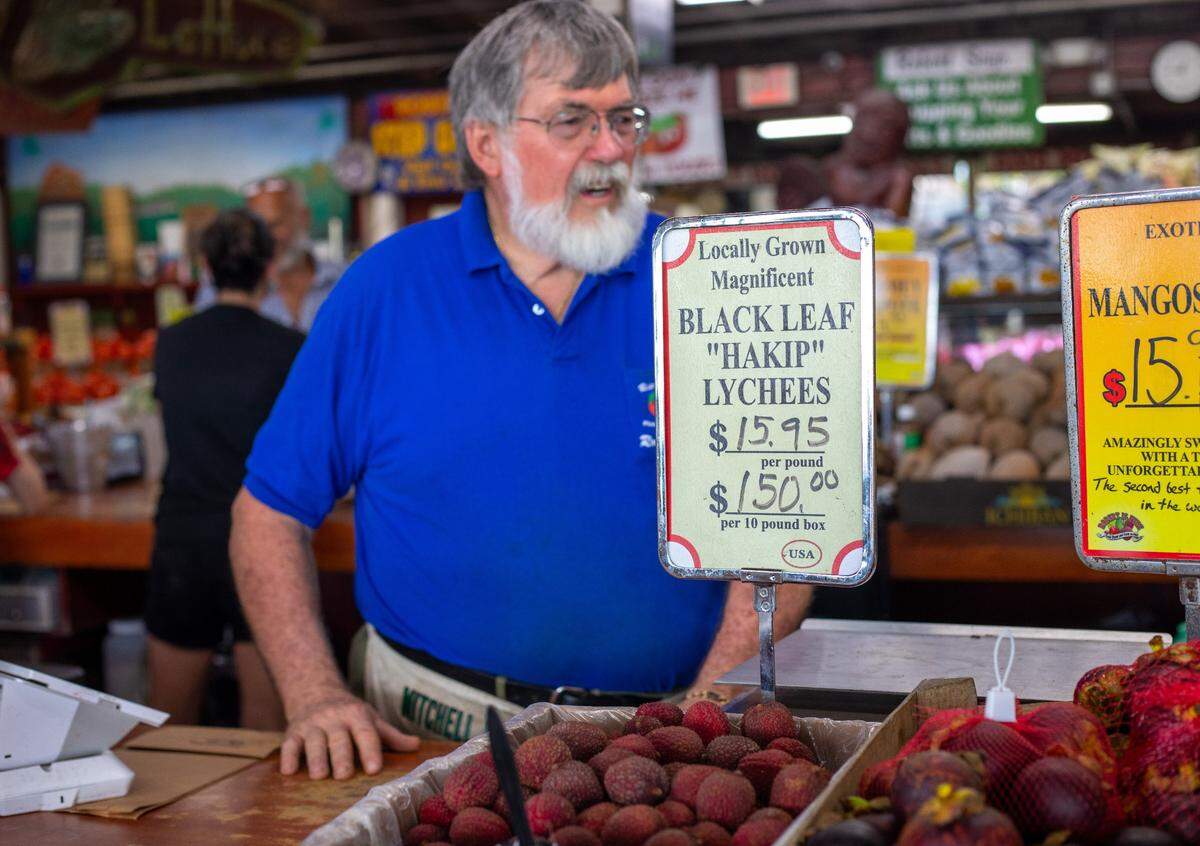
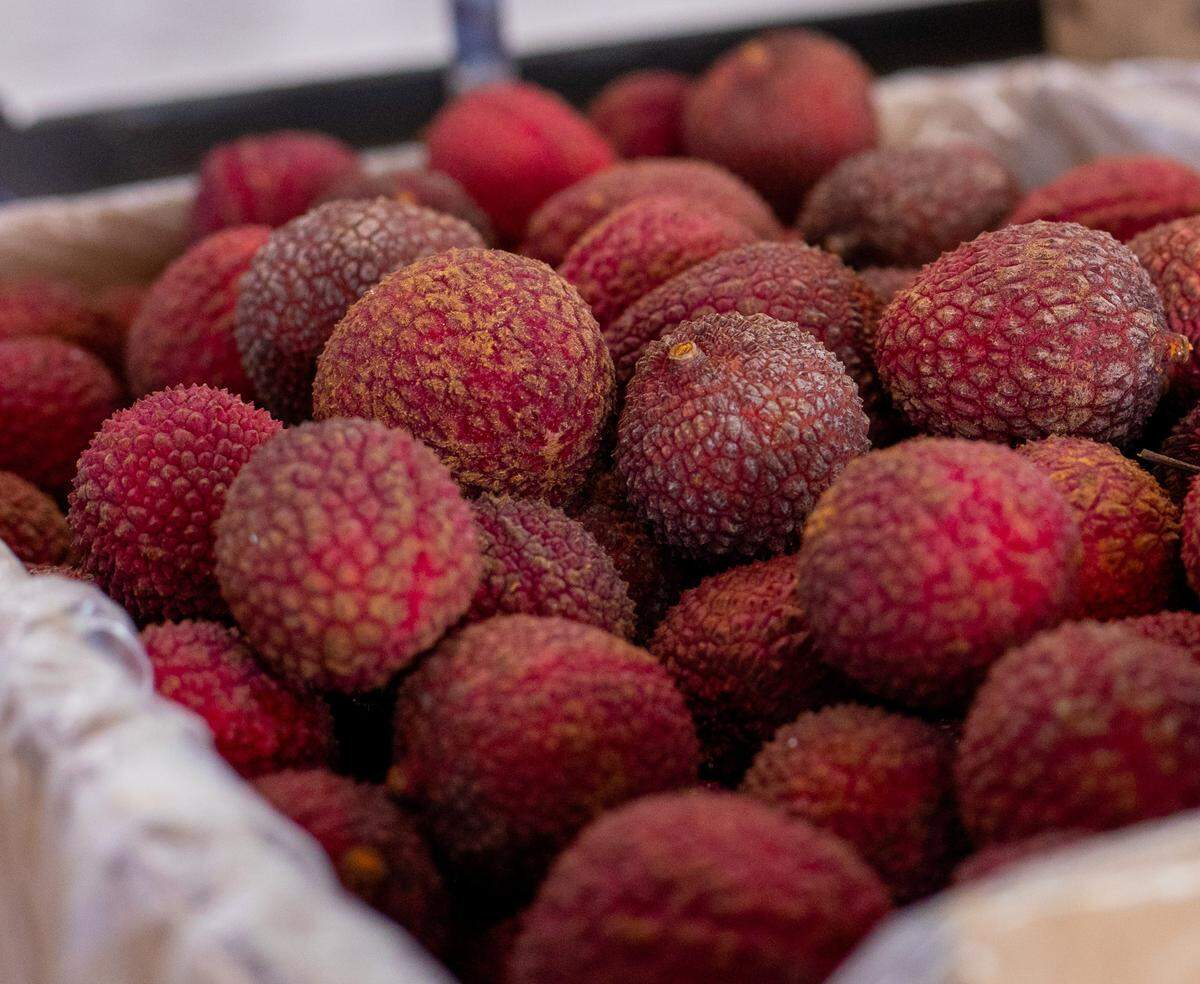
The lychee, a rough-skinned pinkish-red fruit that cracks open to reveal its fragrant, sweet and juicy jelly-like flesh, has a notoriously short season. It’s typically available for only a few weeks in summer so South Florida growers always see a rush on the exotic treat.
“My phone has been ringing off the hook with people asking for lychee from Texas to New York to right here down in Florida.” said Harry Holmbraker who has 30 trees on his family farm in Palm Beach Gardens. “We have a market for it, I just wish we could grow more.”
That’s going to be an increasingly difficult challenge for farmers like Holmbraker — in large part because increasing temperatures driven by climate change, particularly during the winter months, can reduce the production of flowers and fruit and make the short season even shorter.
Miami-Dade had a bountiful season this year but growers face a challenging future in South Florida — home to the largest number of lychee growers in the state.
“So the problem is, how do you stay in business if your trees are only producing a viable crop maybe every 3 to 5 years,” said Jonathan Crane, a tropical fruit crop specialist at University of Florida’s Tropical Research & Education Center in Homestead. “And it’s only getting worse.”
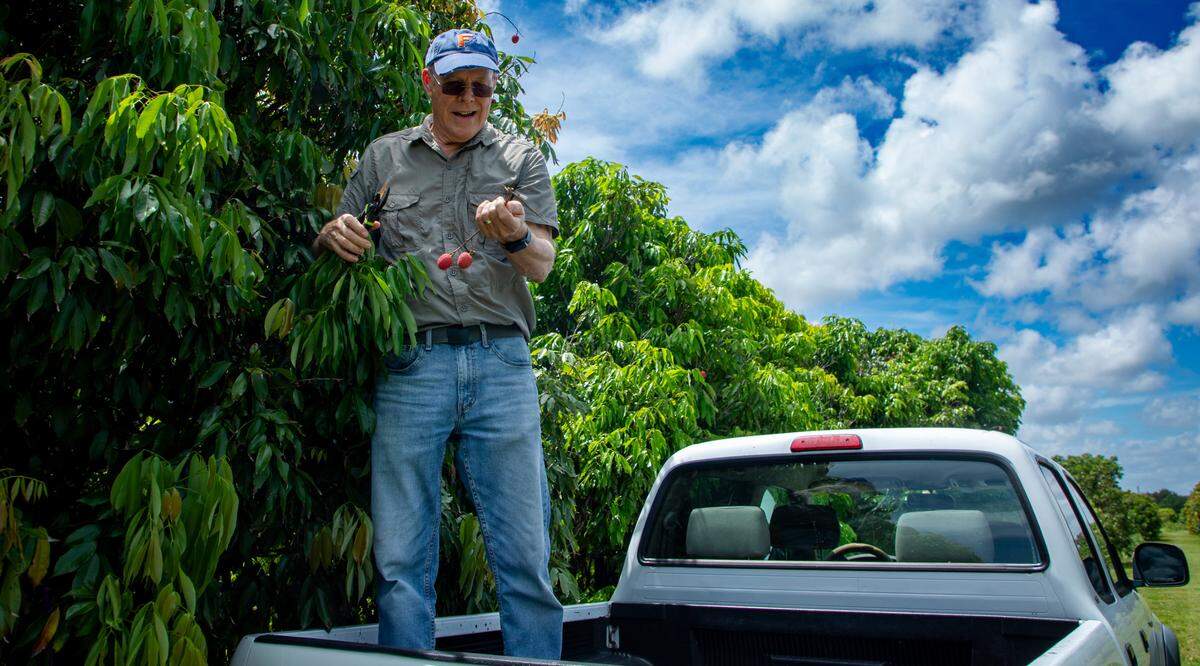
Walking through hundreds of manicured lychee trees in a grove UF oversees in the Redland, Crane pointed to a 15-footer towering above him.
“If you look at the average yield per tree over time, we’re only getting about 50 pounds per tree,” he said. “That tree should have between 100 to 200 pounds.”
The reason, he explained, is that lychee trees are supposed to stay dormant, meaning not grow, during the winter. Instead, South Florida’s lychee trees use up energy to grow more leaves throughout warm fall and winter seasons instead of waiting to put out blooms that will turn into fruit.
When the flowers get too hot, they can also lose moisture and fail to pollinate, he said. Then, increasing temperatures can ripen the fruit quickly which can make an already short growing season shorter and less predictable. Some years, there’s no fruit at all.
A good production year, but don’t get used to it
Miami and surrounding cities seem to set temperatures records year after year, and the trend lines usually points up. Summer 2023 shattered a string of extreme heat records. Last May was the hottest ever in Miami.
But lychee growers got a break this year. The National Weather Service reported that while the winter overall was warmer and drier than normal, it also was the coolest January in Miami-Dade since 2010. Temperatures averaged two to three degrees below average. That January cold spell did wonders for the trees, Crane said. But the year before the crop was moderate.
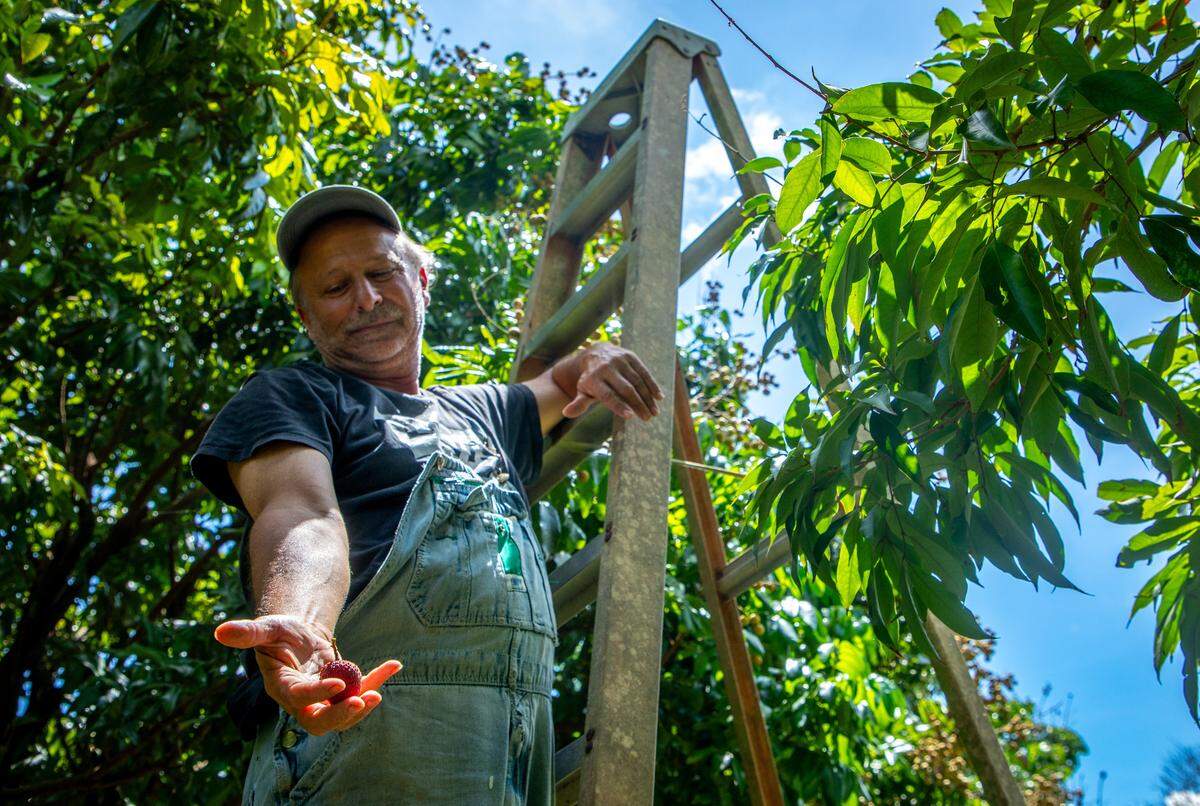
Robert Petrucci, who calls himself ‘Farmer Bob’, runs a U-Pick fruit operation in a backyard garden he’s cultivated in Homestead. He said he’s let “nature guide the process” and applied no fertilizer or pest control on the lychee trees that have been on his fence line since 1998.
“This was the the most lychee I’ve seen on the trees in almost 20 years,” Petrucci said. “This winter was cool like it used to be.”
Climate change isn’t the only threat to lychees. Farmers such as Petrucci and Holmbraker point to mites and birds as the most immediate problem. But Crane said from what he’s researched, the mites may cause some damage but long term, changing global weather is the real worry.
“I would say the most significant change in lychee is from climate change,” Crane said. “Because if you want to consistently produce a lychee crop, you need to be somewhere where it gets below 60 degrees in December and January if you want to have a chance.”
Rainfall patterns are also changing how lychee grows, research shows, disrupting bees that help pollinate the fruit.
There are already warning signs in foreign growing zones. Lychee harvesters in China, the largest producer and exporter, reported “the worst season ever” last year and a 50% drop in production. The reason? Hotter temperatures and heavy rainstorms. It was the hottest and rainiest year China had recorded in 2024 according to the World of Chinese. Bloomberg reported it devastated the $4 billion dollar industry.
Lychee growers aren’t the only ones who may be forced to seek more fruitful territory. The grapes in French vineyards have changed so much that French wineries are buying property in England and northern countries, the Telegraph and National Geographic reported.
Moving further north
Florida is one of the only places the subtropical fruit grows in the United States and groves cover more than 1000 acres across the state, most of them in the southern tip of the state. But that may change.
At the same time growing conditions are declining for lychee’s in South Florida, the opposite is happening up north, Crane said.
Historically, lychee wasn’t grown in the central part of the state because the trees can’t handle a freeze. But in Miami-Dade in the 80’s, growers never had to worry about it getting too cold and some replaced lime trees with lychee, seeking higher profits and less competition.
Now, in another sign of the state’s changing climate patterns, freezes are less common further north. Crane worked with a climatologist and scientists to look at how the weather has changed in Central Florida over the past 30 years and found there were less and less annual freezes over time, for example in Okeechobee County. The growers can tell too:
“I’ve been a Floridian all my life and I remember as a kid driving past orange trees that would be frozen,” Holmbraker, 73, said. “You don’t see that anymore.” Of course, you also see fewer orange groves overall as that industry has shrunk under pressure from development and foreign imports.
Meanwhile, night time temperatures are gradually increasing in South Florida, according to the National Oceanic and Atmospheric Administration. Research from the Extreme Heat Resilience Alliance, made up of heat scientists and county officials, found that a gradual increase in the number of days with lows of over 80 degrees Fahrenheit near Miami International Airport from 1939 to 2020.
Crane’s prediction is more groves will similarly make their way up north — moving to a swatch from Palm Beach County to St Lucie instead of the current region, which stretches from the Keys to Palm Beach County.
This climate report is funded by MSC Cruises USA and the Lynn and Louis Wolfson II Family Foundation in partnership with Journalism Funding Partners. The Miami Herald retains editorial control of all content.
This story was originally published June 26, 2025 at 5:30 AM.