South Florida military bases draft plan for climate risk. It’s a national security threat
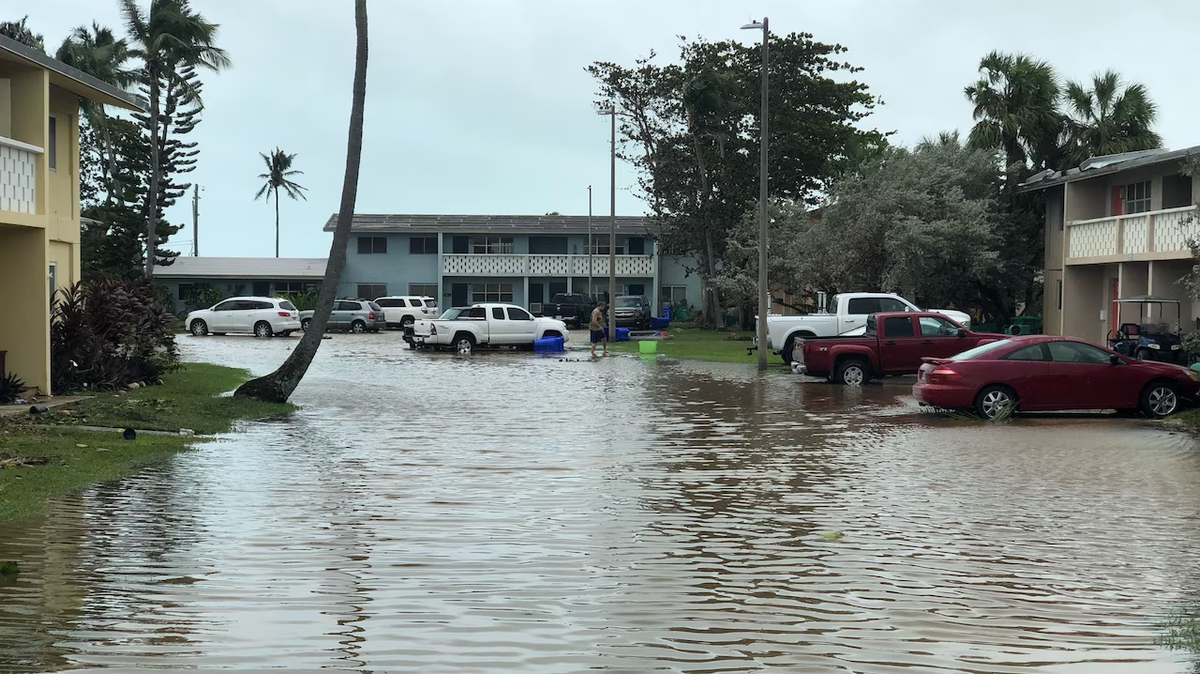
From Key West to Port Everglades, the military facilities across South Florida face the same risks from hurricanes and extreme weather as homes and businesses. But when they’re battered by winds, flooded out or lose power, it can also pose a national security risk.
Protecting them from the increasing threats of climate change will call for millions of dollars in projects and some key policy changes, according to a draft report released by the South Florida Regional Planning Council.
“There’s a national security imperative to ensure that our installations, our commands and our missions are resilient,” said Rick Miller, a retired U.S. Navy captain and executive director of South Florida Defense Alliance. “And the great thing about this program is it does it in collaboration with the communities.”
The report doesn’t provide a timeline for upgrades at the four bases and sites but underlines the realities that all of South Florida faces heightened threats in the coming decades – particularly from flooding caused by sea rise, hurricane storm surge and extreme rainfall like the rain bomb that drowned Fort Lauderdale neighborhoods in April.
READ MORE: Can hybrid super reefs defend the coasts? UM leading research for military project
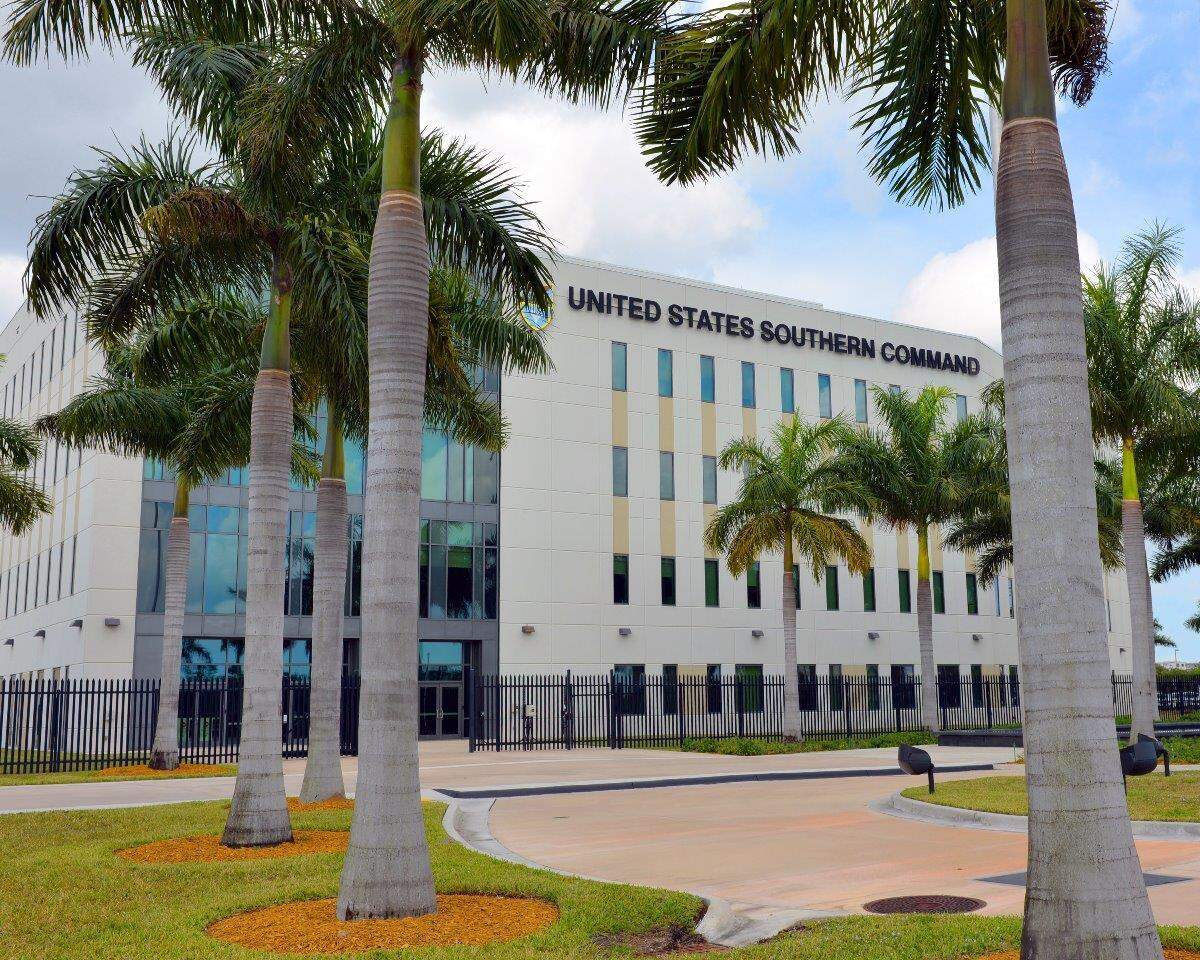
That’s why what tops the list of priorities involves keeping things high and dry at four facilities: the sprawling Southcom base in Doral, a critical command center that oversees operations in Central and South America and the Caribbean; the Naval Air Station in Key West; Homestead Air Reserve Base; and an ocean monitoring and communications facility at the mouth of Port Everglades – a vital link, via undersea cables, to the Guantanamo Bay detention center in Cuba.
The plan calls for that low-lying road to that ocean monitor site, located adjacent to Dr. Von D. Mizell-Eula Johnson State Park on a barrier island across from Port Everglades in Broward County, to be elevated. It also proposes raising ground transformers at each site and for beefing up satellite communications in case cellular and line options are damaged. Other ideas on the table include building a storm water pump station in Key West and a 36,000-sqft “resilience hub” in Miami Dade.
The planning council will also check that military facilities are prioritized by utility providers like Florida Power & Light so they, like hospitals and other key facilities, have power restored quickly after storms.
The plan, called the South Florida Military Installation Resilience Review (MIRR), echoes existing resilience plans from cities and organizations in South Florida – but also reflects that the nation’s military commanders take climate concerns seriously. Miller also hopes the military’s clout in Washington over national security concerns can help expedite funding for future work.
“As we did the study, we said all along, we don’t want to duplicate any work that’s been done. So a lot of the data was existing studies, existing resiliency work,” Miller said.
The projects also were prioritized based on how they might benefit the economy and environment of surrounding communities.
For example, the plan to elevate the road to the ocean monitoring center near Port Everglades also calls for adding a bike lane that would serve state park visitors. Plans for Homestead Air Reserve Base roadway include a transit stop that would be for easier for base workers and civilians to use mass transit.
The Key West Naval Air Station is more vulnerable to sea rise than any other military base and by 2050 it could become unusable with 35 to 70% projected by the Union of Concerned Scientists of land loss. And the plan for Key West underlines solutions already presented by Monroe County, like adding stormwater pumps to reduce flooding at the air station, which had to be evacuated most recently during Hurricane Ian last year.
Miller, who spent several years running operations at the SouthCom military installation in Doral, said he saw first hand the consequences of significant storms in the region.
“I saw property damage, people being displaced, disruption to civil society,” Miller said.
During high-wind storms South Florida’s military installations experience frequent outages in communications service and power lines and floods that impact local roads put intelligence centers, training grounds, airfields and research hubs at risk.
Miller hopes the resilience review will help give the military a seat at the table in addressing climate changes. Some coastal bases across the country are already planning projects to address sea-rise and surge risks.
MIRR represents a new and different approach, Miller said, with the military mission more integrated with the priorities in the surrounding community. He suspects the military has not been widely involved in climate conversations prior because of the general assumption that what lays behind the military fence line would be taken care of by the other branches of the federal government. But, he said, the days where the military installations functioned as their own independent islands with their own electric, water and sewer setup are long gone.
The South Florida Regional Planning Council contracted the South Florida Defense Alliance to engage with the military and Jacob’s Engineering to do the technical assessment. A few years ago Jacobs worked with the Tyndall Air Force Base in Panama City Beach to use natural solutions, like nourishment for beaches, dunes and marshes, after the base suffered a direct hit from Hurricane Michael.
South Florida is the first in the country to combine the plans for multiple installations in the region. Miller said this made the most sense because the bases already relied on each other.
Beyond climate concerns, the plan also looked at potential solutions to other related “vulnerabilities” to base operations - like job security and affordable housing.
This climate report is funded by the Lynn and Louis Wolfson II Family Foundation in partnership with Journalism Funding Partners. The Miami Herald retains editorial control of all content.
This story was originally published June 29, 2023 at 5:30 AM.