
Flood insurance, swales, sandbags. Know how to protect your South Florida home
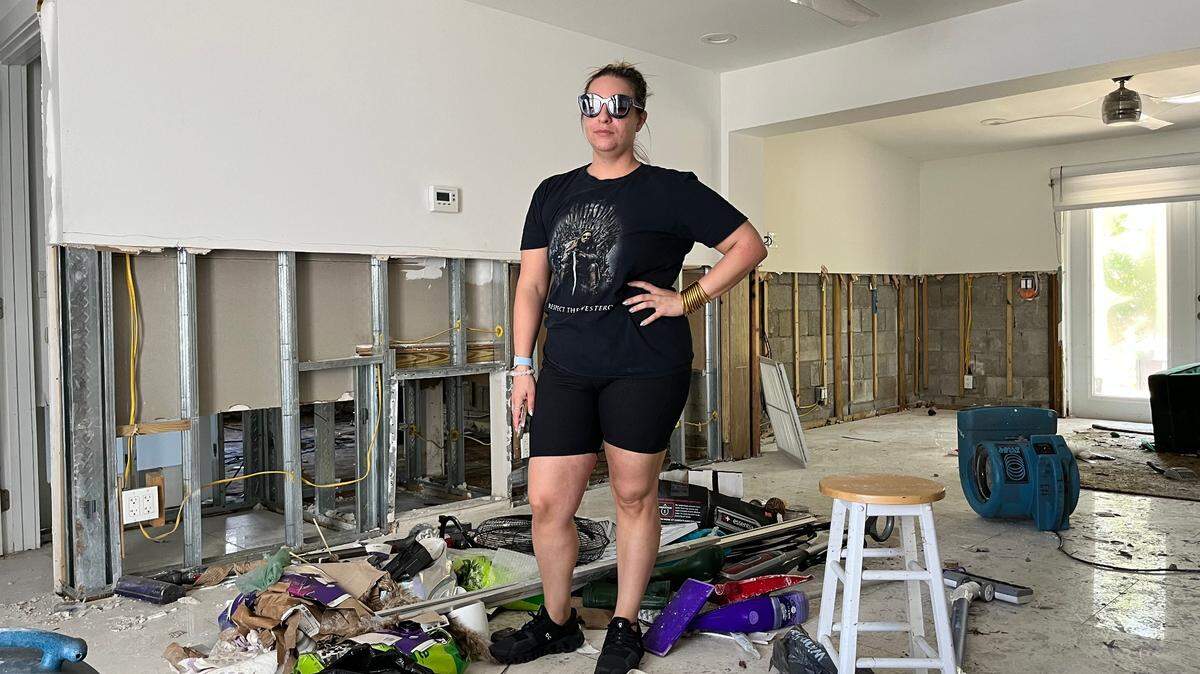
There is one surefire way to protect your home from flooding should nature lob another “rain bomb” like the one that last week swamped Fort Lauderdale toward your neighborhood.
Raise the whole place. It might cost you tens, perhaps hundreds of thousands of dollars, and possibly worsen flooding to surrounding neighbors who can’t afford to do the same.
But experts say there are far less expensive steps to take first to both reduce the risk of flooding and lower the cost of repairs if it happens.
“Where it rains, it can flood,” said Leslie Chapman-Henderson, CEO of the nonprofit Federal Alliance for Safe Homes, which published a “Buyer’s Guide to Resilient Homes” that lays out steps people can take to protect their homes from flooding. “We always try to help people with the really achievable, affordable do-it-yourself steps first before we tell you to go and elevate your home.”
A key first step she recommends is buying flood insurance, even if it isn’t required. “It’s really your only financial protection from rising flood water because flooding is excluded on your homeowners’ insurance policy,” she said.
But there are also other steps that can make a difference if you do them ahead of time and understand the risks to your particular property — whether it’s on the coast or miles inland. As climate change raises sea levels and makes rain bomb flooding more frequent, scientists believe the risk of flooding will rise for everyone in South Florida.
Know your home’s flood risk
To plan for flooding, you need to know what kind of risk your home faces. FEMA recommends looking up your home’s base flood elevation, which is a measure of how high the water is expected to rise in a storm that has a 1% chance of happening each year (also known as a 100-year storm). If your base flood elevation is 3 feet, there’s a 1% chance you’ll see 3 feet of flooding this year.
You can find flood maps for your home at the FEMA Flood Map Service Center website: https://msc.fema.gov/portal/home.
Chapman-Henderson cautions that flood maps may be out of date by the time you look at them, because they don’t take into account any new construction that may have changed the flow of water since the map was drawn. These maps also don’t take future sea level rise into account.
“We encourage people to understand that it’s not possible for flood maps to keep up with development,” said Chapman-Henderson. “They’re always playing catch-up.”
You can use FEMA flood maps as a starting point, but do some of your own investigation. Ask neighbors who have lived in the neighborhood a long time about the history of flooding on your street. After rainy days, look outside and pay attention to the places where water pools in your yard or on your street.
Sandbags and swales
If you have a yard, that’s your home’s first line of defense against flooding. You can use landscaping to divert the flow of water away from your house and important equipment like air conditioning units, electrical panels, water heaters or generators.
It helps if the ground slopes away from your house, but you can also dig shallow swales or pile up soil into berms to redirect water away from your home. You can also improve drainage by replacing concrete or asphalt driveways with gravel or brick, and by laying down absorbent mulch instead of paving over parts of your yard.
Make sure your gutters stay clear and that your downpipes point down a slope away from your home. If your house has flood vents, make sure they stay clear of debris so water can flow through them safely.
Ahead of a major storm, make sure you secure any furniture, tools and equipment you keep outside. Flood waters can carry them off or cause damage by banging them into the side of your home. It’s especially important to secure fuel tanks, which can spill and create a health and fire hazard.
Finally, you can use sandbags or inflatable barriers like Tiger Dams to divert water away from vulnerable points, like the lowest doorway in your home or places where you know water tends to pool against your house during storms. When stacking sandbags, make sure the base layer is wider than the top layer and that you offset each layer, so that each bag sits halfway in between the two bags below it.
Prepare for the worst inside
If your exterior defenses fail and water gets inside your home, you want to make sure your most valuable items and equipment are elevated. These are the same sort of steps you should take ahead of a hurricane.
If you know you live in an area with a high risk of flooding, you can call an electrician to raise electrical outlets and switches above your base flood elevation or go to a hardware store to buy raisers to lift appliances like washers and dryers up off the ground. You might also consider replacing carpets with tile flooring, which won’t have to be replaced after a flood.
Take photos of your valuables and shoot a video walkthrough of your home before it floods, in case you need to make an insurance claim. It’s a lot easier to catalog your possessions before they’re lost or damaged.
Store your most important documents in a waterproof container somewhere high up, and make copies of them that you’ll store online or in a different location just in case.
If you know a storm is coming, roll up any rugs you may have on the floor and store them somewhere safe. Move any valuable furniture or appliances that you can to a higher place.
This climate report is funded by Florida International University, the Knight Foundation and the David and Christina Martin Family Foundation in partnership with Journalism Funding Partners. The Miami Herald retains editorial control of all content.
This story was originally published April 30, 2023 at 5:30 AM.