
‘God Squad’ is sued over waiving endangered-species rules for drilling in Gulf
Environmentalists from around the country teamed up this week to stop the White House from invoking a committee known as the “God Squad” from lifting environmental protections to clear the way for expanded drilling in the Gulf of Mexico.
In a federal lawsuit filed Wednesday, the groups say the committee, made up of top administration officials, held a rushed meeting without proper notice.
“The Committee’s reckless decision threatens some of America’s most at-risk wildlife,” Bart Melton, wildlife-program director for the National Parks Conservation Association, said in a statement. “In a 15-minute meeting without appropriate public input, the administration exempted oil and gas drilling and related activities in the Gulf from Endangered Species Act compliance, risking extinction for the Kemp’s Ridley sea turtles, Rice’s whales and other threatened and endangered species.”
The legal action follows a suit filed just days after a rare decision by the committee to lift protections. In that case, four groups argued the decision was based “entirely on an arbitrary ‘National Security Finding’ ” issued by Secretary of Defense Pete Hegseth, a member of the committee, in mid-March. His finding claimed that ongoing or future litigation over drilling threatens national security.
Since its creation in 1978, the committee has met only three times. It earned the name God Squad because it had the power to waive protections under the Endangered Species Act to let wildlife go extinct, Pat Parenteau, an emeritus Vermont Law School professor told Inside Climate News.
The seven-member committee voted unanimously, invoking an authority intended to be used only as a last resort in “unusual cases where the public benefit from an action is determined to outweigh the harm to the species,” according to a 2017 report prepared by the Congressional Research Service. One of the exemptions allows rules to be lifted if the secretary of defense finds they threaten national security, the committee said in its decision.
At the March meeting, Hegseth said the war in Iran, where a major channel for the export of oil has been shut down, highlighted “yet again why robust domestic oil production is a national security imperative.”
The U.S. receives about 2.5% of its oil through the Strait of Hormuz. Drilling in the Gulf provides the U.S. with about 14%. In January, government forecasters said oil production in the Gulf was expected to reach record highs.
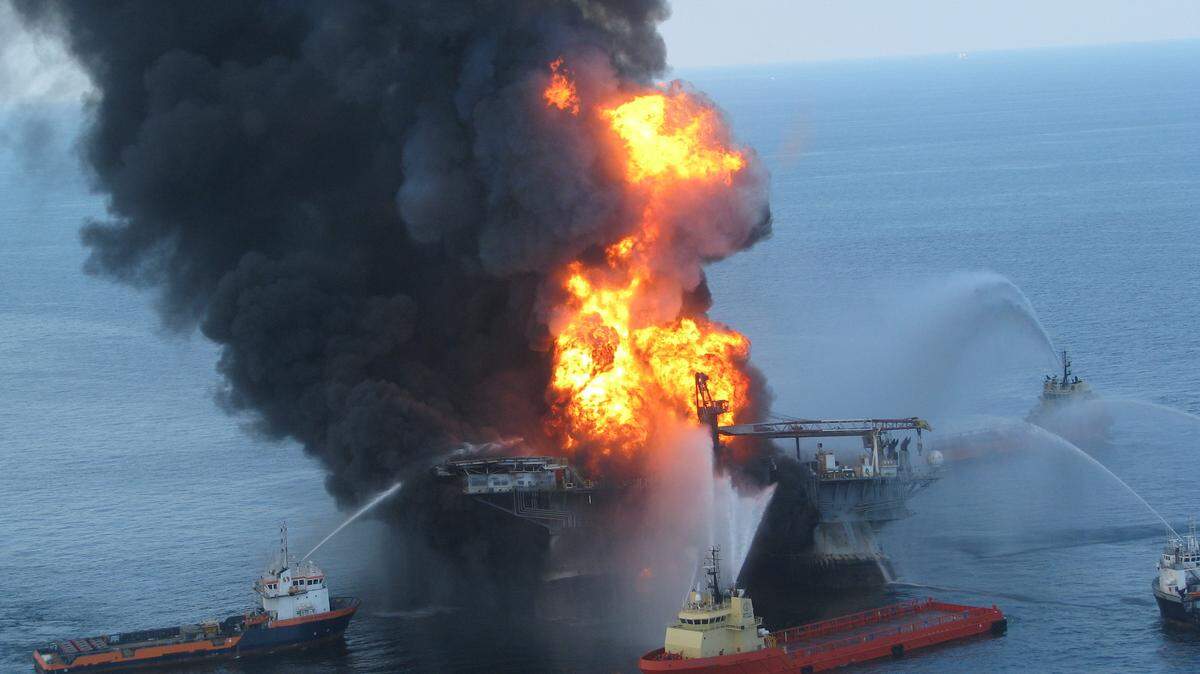
Drilling in the Gulf has been widely opposed across Florida, where the impacts of a 2010 oil spill persist.
“Our organization witnessed firsthand the devastation of the 2010 Deepwater Horizon oil spill, as we watched oil wash ashore on Florida beaches, saw fishing families lose their livelihoods overnight, and documented the toll on sea turtles, shorebirds, and marine life that took years to recover,” Sarah Gledhill, president of the Florida Wildlife Federation, said in a statement. “Exempting the entire oil and gas industry from ESA compliance, forever, is not a national security measure, it’s a giveaway.”
This report was produced by Miami Herald news partner WLRN Public Media.