
Florida wildlife officials release more data after state-sanctioned bear hunt
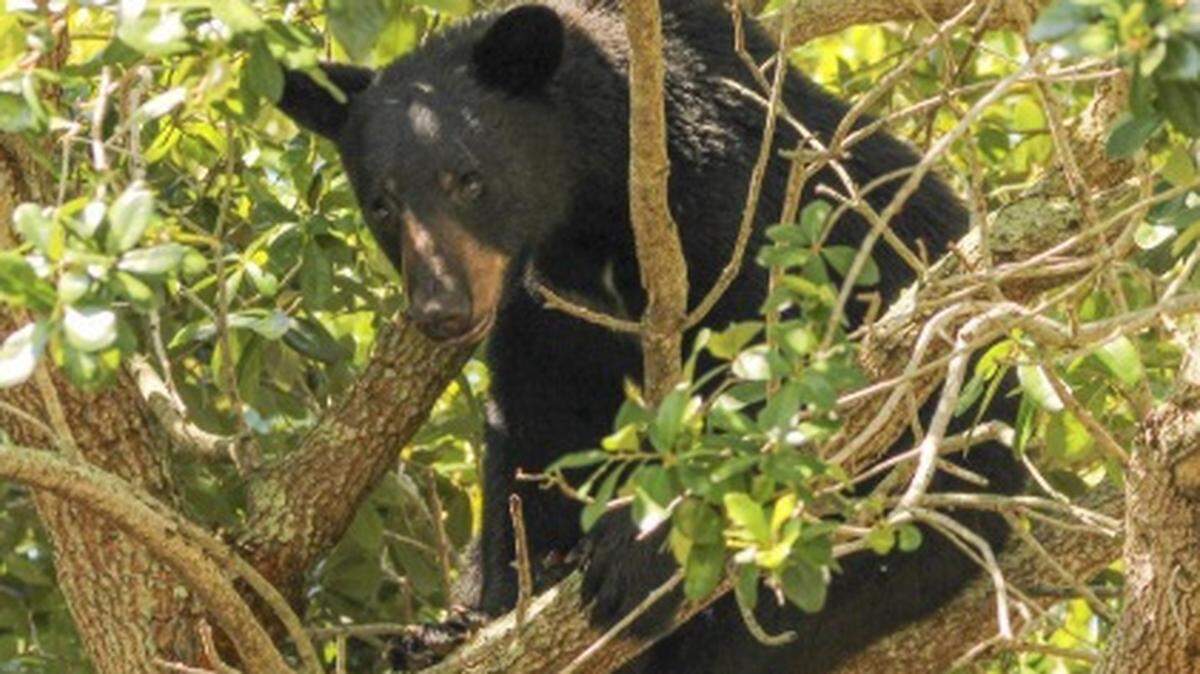
As the Florida Fish and Wildlife Conservation Commission continues to analyze the state’s first permitted bear hunt in a decade, the agency has started to release more data.
A fact sheet posted Friday showed that all but six of the 172 permits purchased were by Florida residents and nearly half of the 52 bears killed during the 23-day hunt that started Dec. 6 were female.
None of the 24 female bears were reported to be lactating, which is a sign a female bear recently gave birth.
The quota was said to be based on a formula that sought to reduce the number of females killed.
“All bears harvested met the size requirements of the hunt,” a release from the FWC stated. “No warnings or citations were issued for violations of bear hunting rules.”
The report states that a warning was issued for trespassing in a wildlife-management area.
And while the permits were said to be non-transferable, the report notes that one bear was killed by a “guest hunter.”
FWC Executive Director Roger Young said on Wednesday that “by all management measures, the hunt was a success.”
The hunt was held in four regions where an estimated 3,609 bears lived. Twenty-eight bears were killed in the Apalachicola area, mostly west of Tallahassee; four were killed west of Jacksonville; five north of Orlando; and 15 in Big Cypress, southwest of Lake Okeechobee.
A bear killed in Collier County weighed 697.4 pounds.
All but three of the bears were killed with a rifle. Two were killed with a shotgun. One death was attributed to a hunter with a bow.
The permits were awarded through a lottery-style draw that required $5 per entry. Animal-rights groups encouraged supporters to apply to limit the number of bears killed.
The fact sheet states that of the 163,459 applications received, they were submitted by 14,996 individuals.
Long a controversial issue in Florida, supporters say, in part, a hunt could help better manage bear populations as the animals interact with humans. They also point to a 2024 voter-approved ballot measure that enshrined hunting and fishing rights in the state Constitution.
Opponents question if hunting reduces human-bear interactions and say the state should use non-lethal options to address bear populations.
This report was produced by Miami Herald news partner CBS News Miami.