Miami hasn’t had half the rain it needs. Here’s what we need to do in a drought
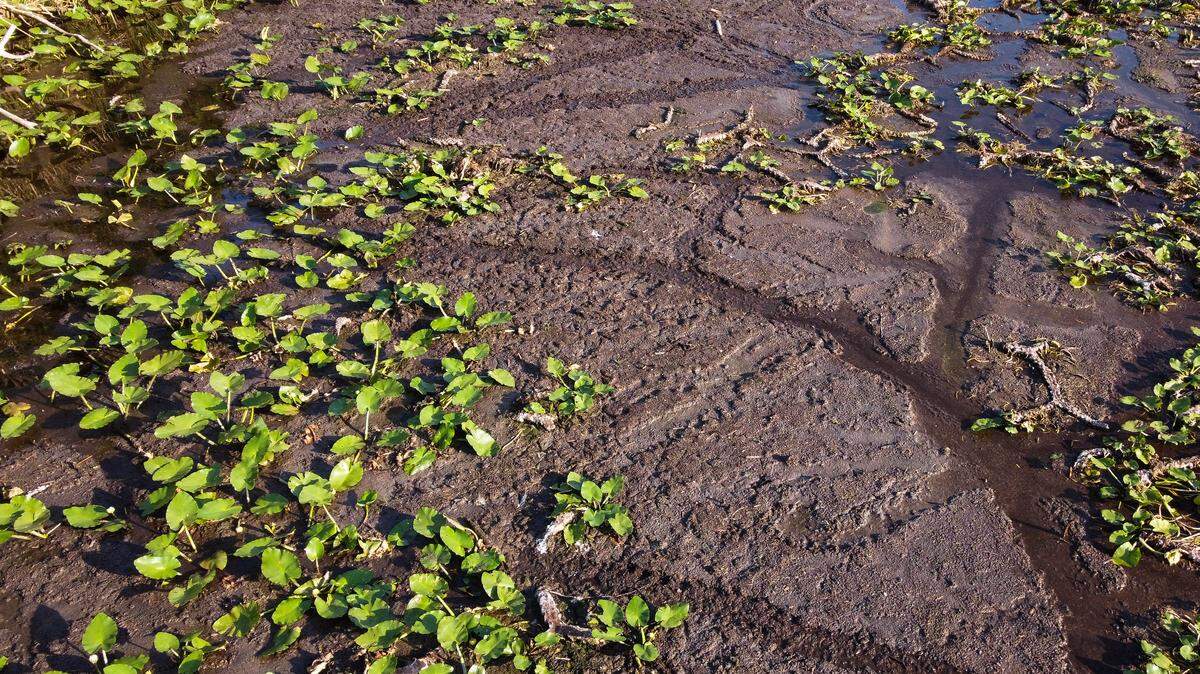
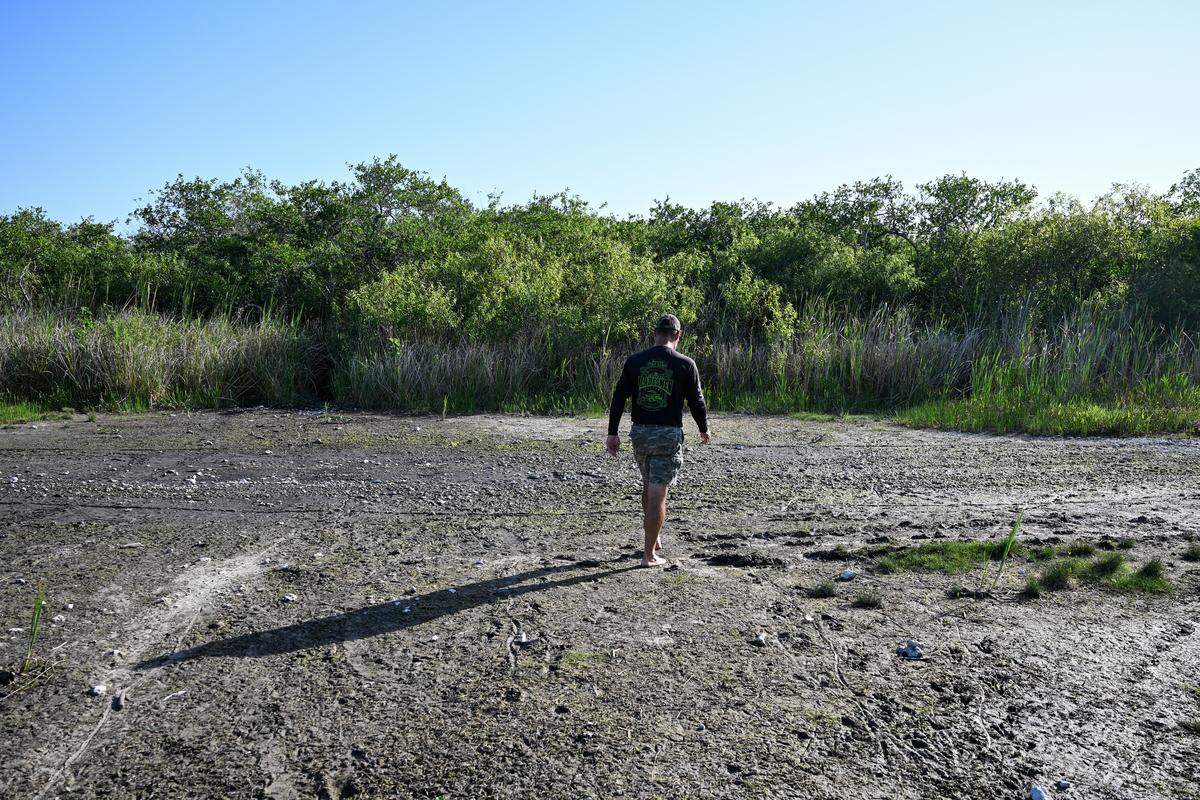
South Florida’s sapped of water. The kind of downpours we need to relieve the region’s dangerously dry conditions are not in the immediate forecast.
Miami-Dade has only seen 3.72 inches of rainfall since Nov. 1. That amount is just half of what should have fallen to keep groundwater levels at the Biscayne Aquifer healthy. The Aquifer, which is in the lower 10th percentile of historic levels, provides most of the drinking water for South Florida. When it gets too low, there’s a risk of salt water in the drinking supply.
As a result, the South Florida Water Management District issued a Water Shortage Warning for Miami-Dade and Monroe counties last week, along with Collier, Glades, Highlands and Lee counties.
Here’s what experts from the district and Miami-Dade County suggest we do now before stricter measures, like water restrictions, are mandated. These are tips that could, and should, become habits regardless of current or future droughts.
How you can help
Start by paying attention to how you consume water.
“Conserving water year-round is an integral part of managing and protecting South Florida’s water supplies for today and for our future generations,” the South Florida Water Management District posted on its Water Conservation page, along with tips on how to do so.
Carolina Maran, a division director, said the biggest ask of residents is to limit the lawn watering to once a week.
“Keep monitoring the rain. If water levels are low in lakes around your house, we want to emphasize conserving,” Maran said.
- Watering yards. During the cooler winter months, lawns don’t need to be watered as frequently as in the steamy summer months. Most of the time, one day of watering per week is sufficient to maintain a healthy landscape.
- Smarter timing: Water in the morning before 10 a.m. or late afternoon and evening after 4 p.m. when it’s cooler. That way the water has time to saturate the ground rather than evaporating or drying out quickly when peak daytime temperatures are in the 80s and 90s in Miami.
- Heed local water restrictions: Miami-Dade suggests an odd- and even-address watering schedule to help in conservation efforts, especially given that most of our water usage goes toward our lawns and grass doesn’t need daily water. We do.
- Install a rain barrel. Installing a rain barrel can be an affordable way to capture and store rain water that can be used to water your plants. Good for orchids, potted plants and landscaping you may have around your home. Miami-Dade County offers workshops and rebates to homeowners who purchase rain barrels.
- Repair broken pipes and damaged sprinkler heads.
- Use mulch, the University of Florida’s Institute of Food and Agricultural Sciences suggested as one of its landscaping tips. Mulch retains soil moisture and also helps curb pesky weed growth.
- Turn the automatic sprinklers off for now. Watch your lawn, instead, the water agency suggests. Here’s how you can tell when your lawn needs watering: Grass blades are folded in half. Grass blades are blue-gray. Your footprint remains on the lawn.
- Install a rain sensor. This device recognizes when nature brings the water that your lawn needs and shuts off automatic sprinklers.
- Plant native or drought-tolerant vegetation that thrive in the native soil and local weather conditions. “Go native, and resist the urge to water it and just let it go brown during the dry season. It will come back, as nature intended, when the rains come,” SFWMD says in its water-saving tips flyer.
- Golf courses use tons of water. Many of these tips, including mulching around trees and shrubbery and repairing leaks and using moisture sensors and rain sensors, can also help golf course operators do their part in a water shortage crisis. So can cutting back on roughs and non-playing areas.
There are plenty of other water gobblers and wasteful usage practices around the house and outdoors. More tips:
- Avoid washing cars and boats at this time. If you don’t use your pool often, consider holding off on filling it to the brim. Check with your pool maintenance service if you have questions on proper filling.
- When using the dishwasher or washing machine, run full loads to maximize usage of the water. You’ll also save money on those dishwasher detergent packets you slip into the dishwasher door’s feeder and laundry detergents since they won’t run out so often.
- Fix leaky toilets as leaks are a big waste of water. Also, fix leaky faucets. Detect a leaking toilet by adding a few drops of food coloring to the tank. If the tank is leaking, color will appear in the bowl within 30 minutes.
- Brushing your teeth — a must. Do you need a soundtrack of running water to get the chore done? Shut the faucet while brushing and turn it back on when you need to rinse. Same goes for shaving. Shut the water while trimming the unwanted hair.
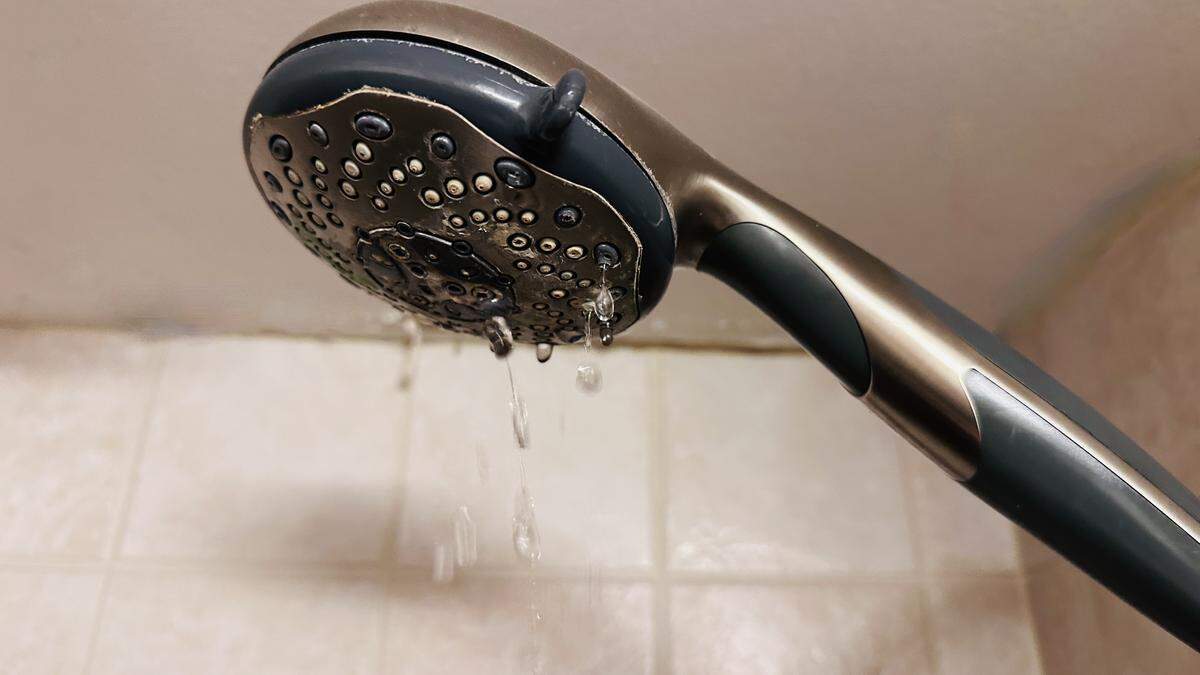
- Shorten your shower. Doesn’t take forever to get clean. You can probably get the task done in less time it takes you to sing Taylor Swift’s “Opalite” in the shower. The U.S. Environmental Protection Agency’s Water Sense conservation program recommends keeping your showers to five minutes or less. “Opalite” is just under four minutes. Also, consider the “navy shower” where you shut the water off while shampooing and soaping.
- Home water meter. Check it to detect leaking pipes. Read your meter before and after a two-hour period when no water is being used. If the readings are different, you have a leak, the SFWMD says.
Ashley Miznazi, a climate change reporter for the Miami Herald funded by the Lynn and Louis Wolfson II Family Foundation and MSC Cruises in partnership with Journalism Funding Partners, contributed to this story.