
Pine Rocklands Conservation Team honored for tireless work to save ‘treasure trove’ of plants and animals
If you happen to visit a forested area around South Florida, chances are you are in pine rocklands.
These peaceful places are home to many of the rarest creatures found nowhere else on Earth.
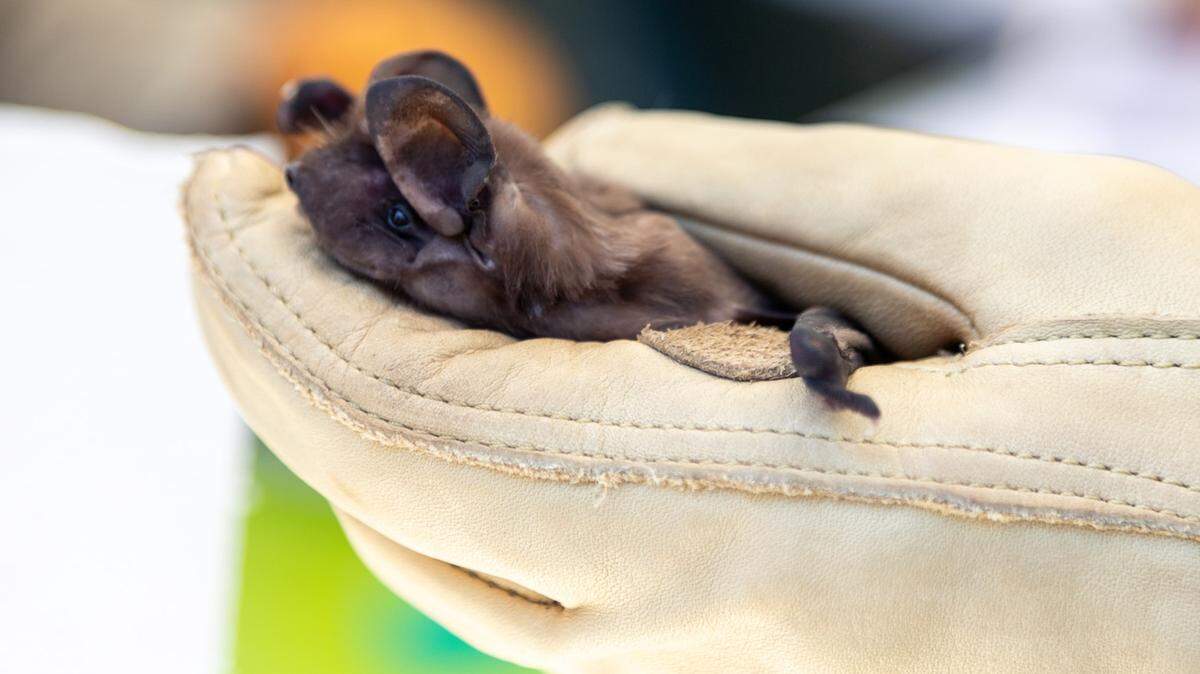
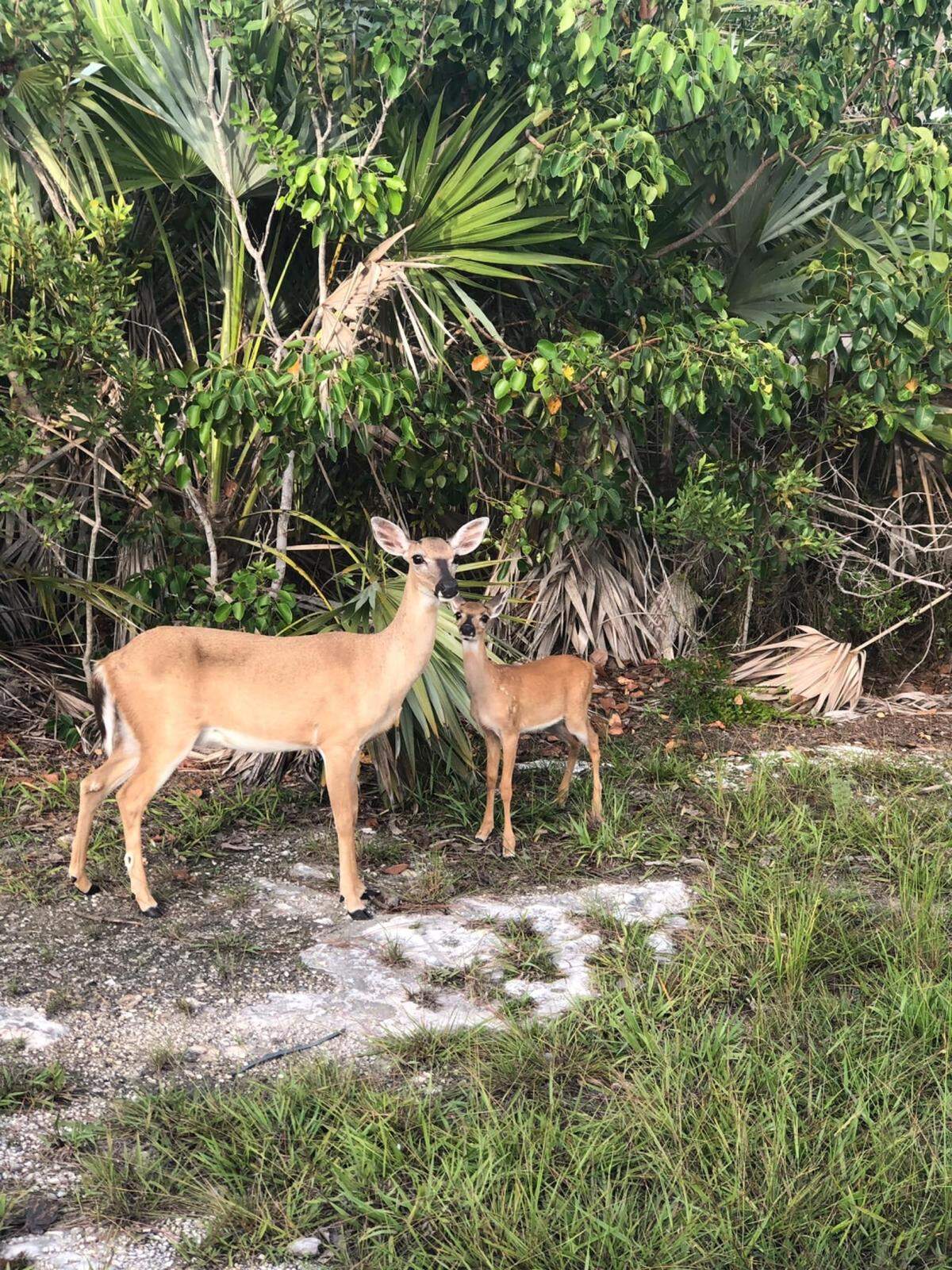
More than 20 species listed under the federal Endangered Species Act and dozens more imperiled mammals, reptiles, insects and plants are trying to survive here. They include the endangered Key deer, Florida bonneted bat, Miami tiger beetle, Florida leafwing butterfly, Deltoid spurge (a small herb, and Carter’s flax.
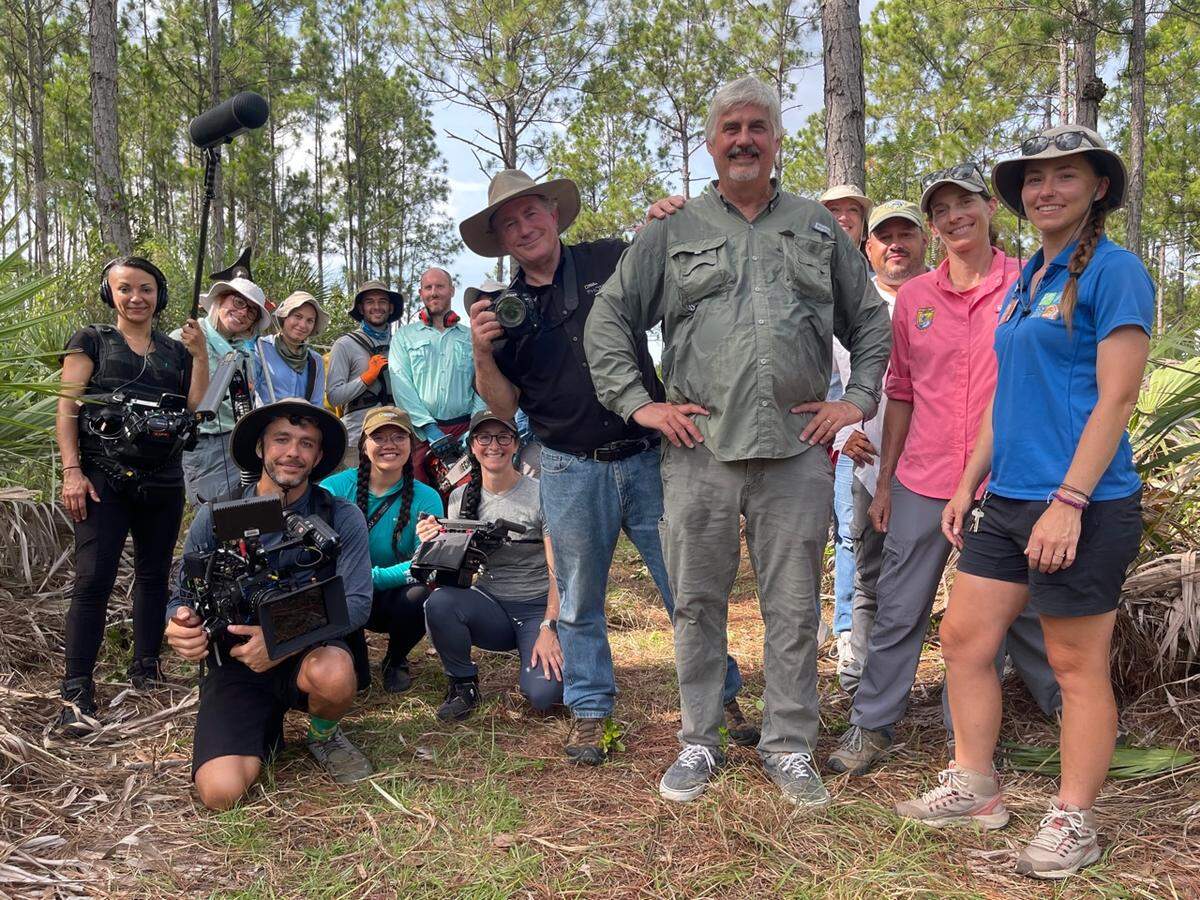
Now, the decade-long, tireless efforts of a team of protectors called the Pine Rocklands Conservation Team have been recognized by the U.S. Fish and Wildlife Service.
The group was recently honored with the 2024 Regional Recovery Champion Award for the southeastern United States.
This dedicated team, a public-private partnership, is on a mission to save and restore South Florida’s critically endangered pine rocklands ecosystem.
Public partners include the Miami-Dade County Environmentally Endangered Lands Program, Zoo Miami and Fish and Wildlife’s Florida Ecological Services Field Office Pine Rockland Recovery Team.
The nonprofit partners are Bat Conservation International, the Center for Biological Diversity, Fairchild Tropical Botanic Garden, the Institute for Regional Conservation, the Nature Conservancy and the Tropical Audubon Society.
“This award recognizes not only the persistence of this dedicated team, but also the extraordinary value of the pine rocklands and the species that depend on them, like the Florida bonneted bat,” said Mylea Bayless, chief of strategic partnerships at Bat Conservation International. “Through partnerships and science-based action, we’re proving that even the most fragmented ecosystems can be brought back from the brink.”
The Fish and Wildlife Service acknowledged that the Pine Rocklands Conservation Team’s “tireless efforts to collaboratively work to recover this significantly important ecosystem in a challenging, highly fragmented urban landscape has changed the trajectory of this ecosystem and its rare species.”
Frank Ridgley, department head of conservation and research at Zoo Miami, said the zoo “is honored to be working as part of a dedicated, imaginative, collaborative and resourceful team to be making a difference for so many imperiled species that exist in the critically endangered pine rockland.
“Working together towards the recovery of these species not only helps us fulfill our mission, but it simultaneously helps the citizens of Miami-Dade County by conserving our natural resources, reducing human-wildlife conflict and making progress towards delisting,” Ridgley said.
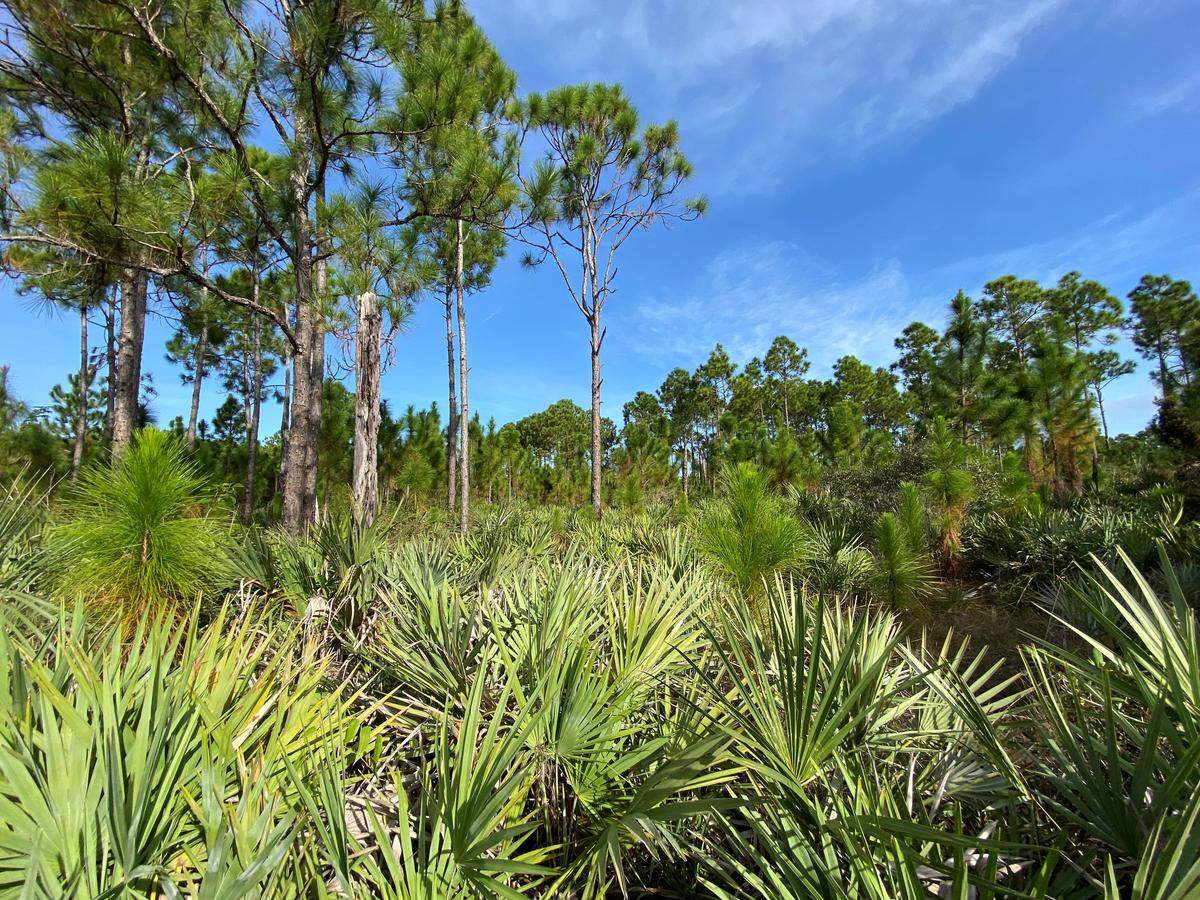
Florida’s pine rocklands are defined as “forests with a tall canopy of South Florida slash pines growing in sandy soils and limestone, with a low-growing understory of tropical and temperate flowers, herbs and shrubs.”
The forests are adapted to periodic natural fire that supports the more than 400 native plants and dozens of species.
Before urban development, pine rocklands were historically found across the Miami Rock Ridge, extending from north of downtown Miami west into Everglades National Park and south into the Florida Keys.
Currently, less than 2 percent of pine rocklands remain in urban Miami-Dade County outside Everglades National Park.
There are also some in the Keys, on Big Pine Key, and in small patches in Big Cypress National Preserve.
“All plants and animals, from Miami tiger beetles to Florida brickell-bush, deserve to exist here, and they’re part of Florida’s unique natural heritage. We’re so proud to play a role in their recovery,” said Elise Bennett, Florida and Caribbean director at the Center for Biological Diversity. “We’re especially honored to help build upon the longstanding work of the many people involved in this huge team effort.”
Jennifer Possley, director of regional conservation at Fairchild Tropical Botanic Garden, said the team is protecting a “biodiversity treasure trove.”
“The few remaining tracts of pine rocklands in the Miami area are incredibly fragmented, which makes recovery challenging. But due to this ecosystem’s incredibly high species richness, each ‘island’ in the urban sea is completely unique, with its own suite of species,” Possley said.
Countless hours have gone into helping the pine rocklands. Measures include controlling invasive species, applying prescribed fire in challenging locations, expanding populations of endangered plants, enlarging the spatial extent of pinelands, developing restoration protocols and guidance, submitting data on petitioned and listed species, reviewing recovery documents, organizing and facilitating meetings and increasing the visibility and awareness of pine rocklands locally, nationally and globally.
“The near obliteration of pine rocklands over the last 100 years can only be countered by a coalition of willing collaborators with deep ties to the local community,” said George Gann of the Institute for Regional Conservation.
Chris Bergh, field program manager for The Nature Conservancy, said the approaches used by the team are remarkable.
“Protecting the remaining pine rocklands from development, applying controlled burns to safely mimic the effects of wildfire in these fire-dependent forests and keeping invasive species in check are crucial for the conservation of the native plants, wildlife, and public uses in these extremely rare natural areas,” Bergh said.
Learn more at saveourpinerocklands.org/ or on the websites of the honored organizations.
Lauren Jonaitis, the new executive director of Tropical Audubon Society, said “saving the pine rocklands goes beyond preserving trees and plants.
“It’s about protecting a whole community of rare wildlife found nowhere else on Earth. This recognition highlights the power of collaboration,” Jonaitis said.
Write to ChristinaMMayo@gmail.com with news for this column.
This story was originally published October 14, 2025 at 2:06 PM.