FEMA changes promise faster help — and more up-front cash — for hurricane survivors
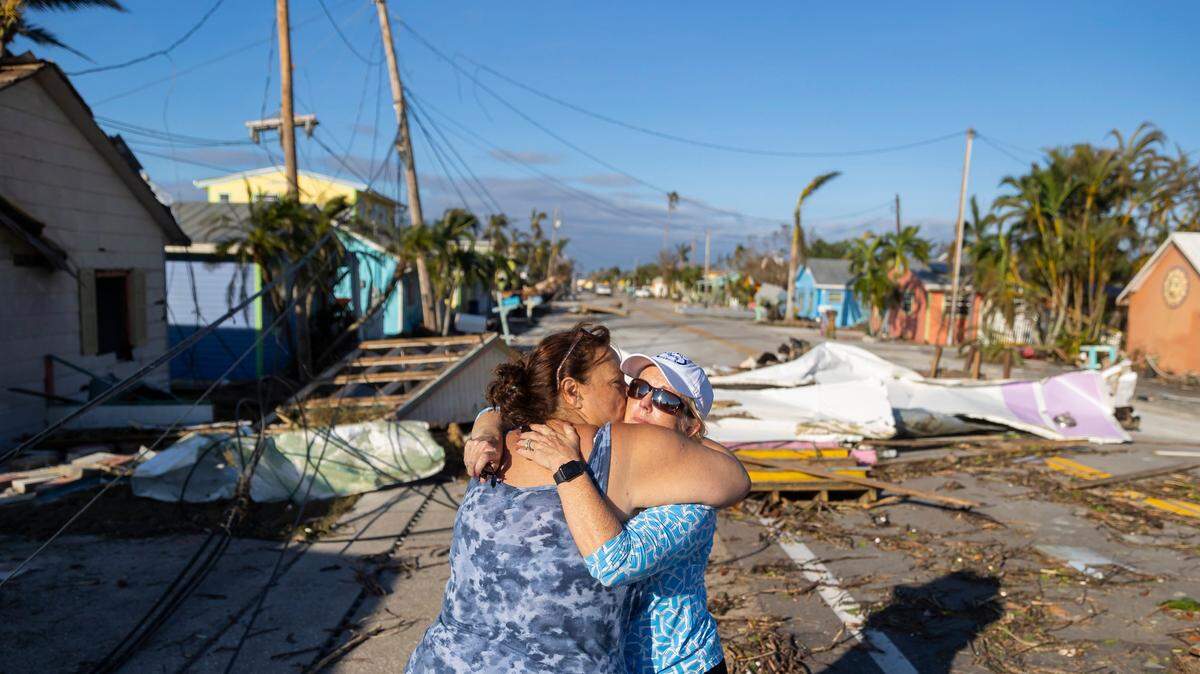
The next time a hurricane rakes across Florida, storm victims will likely get more help, faster.
The Federal Emergency Management Agency announced Friday that it’s slashing red tape and speeding up the post-disaster aid process starting on March 22.
The biggest changes include making it easier for all survivors to access the $750 cash payment that FEMA doles out after every disaster, plus a new, flexible cash payment to help people find housing in the two weeks after a storm hits. FEMA also plans to offer more cash to survivors who are underpaid by their insurance companies.
“We are taking critical steps to remove the barriers and make it easier for survivors to apply for and receive the benefits they are entitled to,” FEMA Administrator Deanne Criswell said during a Thursday press conference. “We can do better. Survivors deserve better.”
Tangling with FEMA after a hurricane is a long-standing frustration for many storm survivors. Victims report complicated paperwork and a labyrinthine bureaucracy.
Housing is always a major issue, whether the storm hits an urban area like southwest Florida or a rural spot like the Panhandle. It’s not uncommon for survivors to sleep outside their ruined homes in tents while they wait for help finding a more permanent place to stay.
“For too long and in the face of many natural disasters, survivors have had to overcome many barriers to access the help they need,” Secretary of Homeland Security Alejandro Mayorkas said. “The Biden administration is determined to change that.”
“It is incumbent upon us to assure federal assistance is easy to navigate and all who need our support can get it,” he said.
More cash up-front
Criswell said she spent the last few years speaking with survivors all over the country, from Florida to Maui, about their frustrations with getting help from the agency.
She said she heard loud and clear that immediately after a storm people need cash to spend however they need.
Starting in March, survivors won’t have to wait until their state officially declares a disaster before they can start receiving FEMA’s $750 critical needs assessment payment. Eligible survivors can now get that money, rebranded as serious needs assistance, days after a disaster.
FEMA also will add a new benefit called displacement assistance. The amount varies by state, so exact numbers aren’t available yet. It would be an up-front cash payment to help people find housing in the first two weeks after a disaster. That money can go beyond hotel rooms: It can cover extra high utility costs from bunking with friends or family or other unique costs.
“We know that in those early days after a disaster people have a variety of different needs, and this allows people to bridge those needs while they determine their long-term needs,” Criswell said.
Another change would allow survivors to get more money from FEMA if their insurance companies don’t pay up. The current rule says that anyone who received at least $42,500 from their insurance company couldn’t get a penny from FEMA, even if their total damage was much higher than their insurance company payout.
Now, FEMA will help fill that gap between total damage and insurance payout — up to $42,500.
This change could prove popular in Florida, where insurance premiums are rising higher than anywhere in the country and the legislature made suing underperforming insurance companies more difficult and costlier.
Help, faster
Some of FEMA’s changes also will reduce the amount of paperwork and steps survivors need to navigate to get help.
For instance, applying for a U.S. Small Business Administration loan and getting rejected will no longer be a necessary first step for financial assistance. Late applications also will be accepted without a formal excuse for their tardiness, and the appeals process to argue with FEMA over someone’s eligibility for help will require less paperwork.
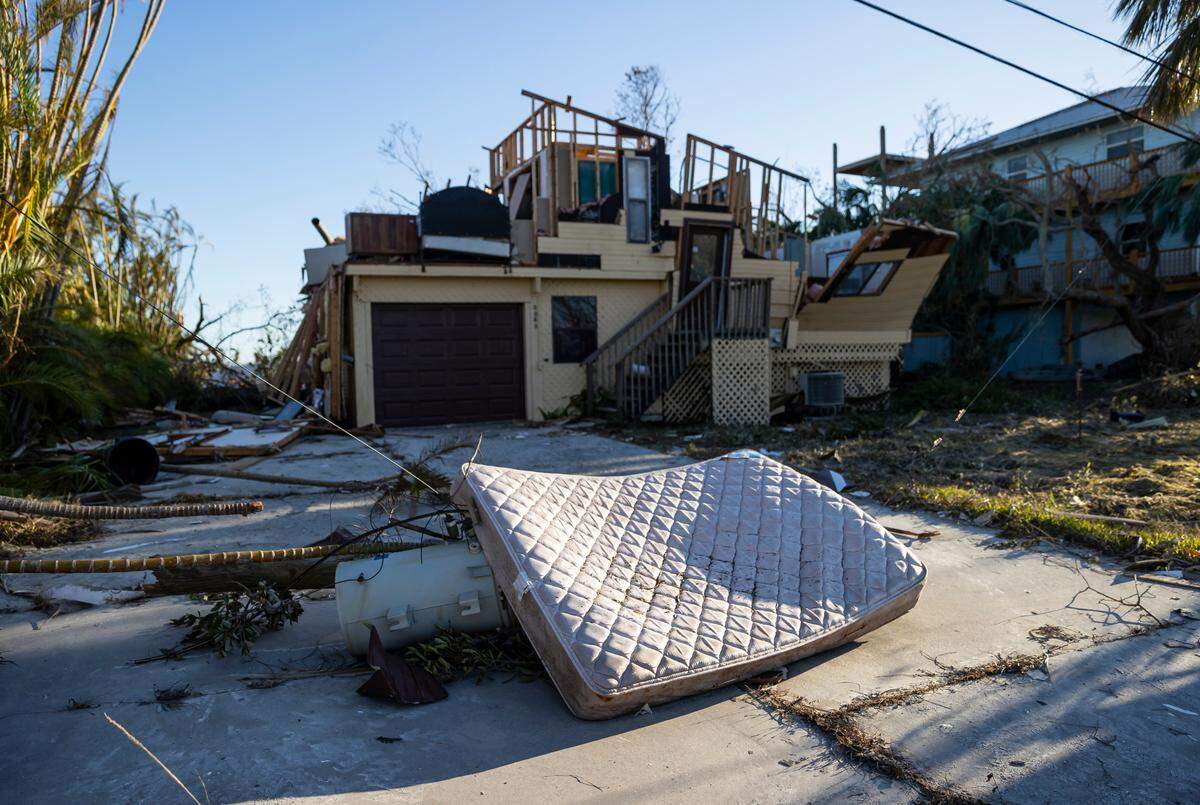
And survivors looking for temporary housing assistance in the weeks and months after a disaster no longer need to provide an up-front plan documenting how they plan to return to stable housing.
Altogether, FEMA said the changes will cost the agency an estimated $671 million a year.
“By making it easier for people to apply for and receive assistance, we are going to help them become more prepared and more resilient for the next threat to come their way,” Criswell said.
This story was originally published January 19, 2024 at 7:00 AM.