There’s a new rule to keep these cuties away from crab traps in Florida. Here’s what to know
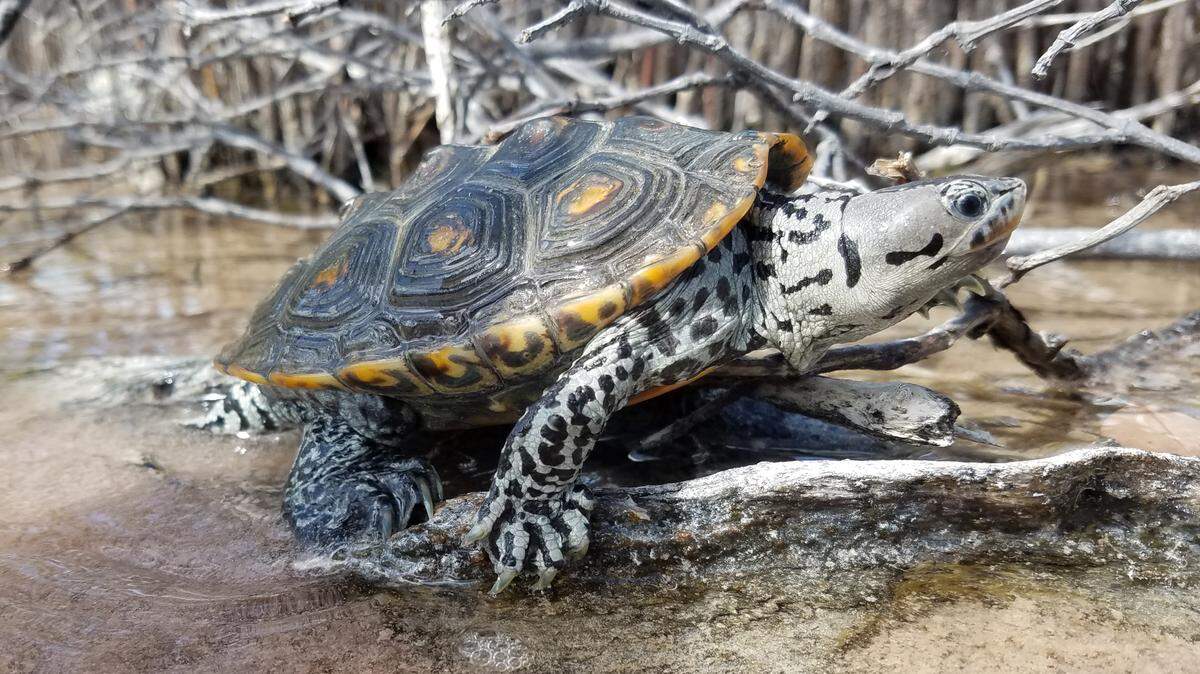
A new rule that aims to prevent certain turtles from accidentally getting pinned down inside crab traps will soon be in effect in Florida, authorities announced Monday.
These traps, experts say, have been a significant threat to the diamondback terrapins, medium-sized turtles that can be found in brackish water habitats throughout the state.
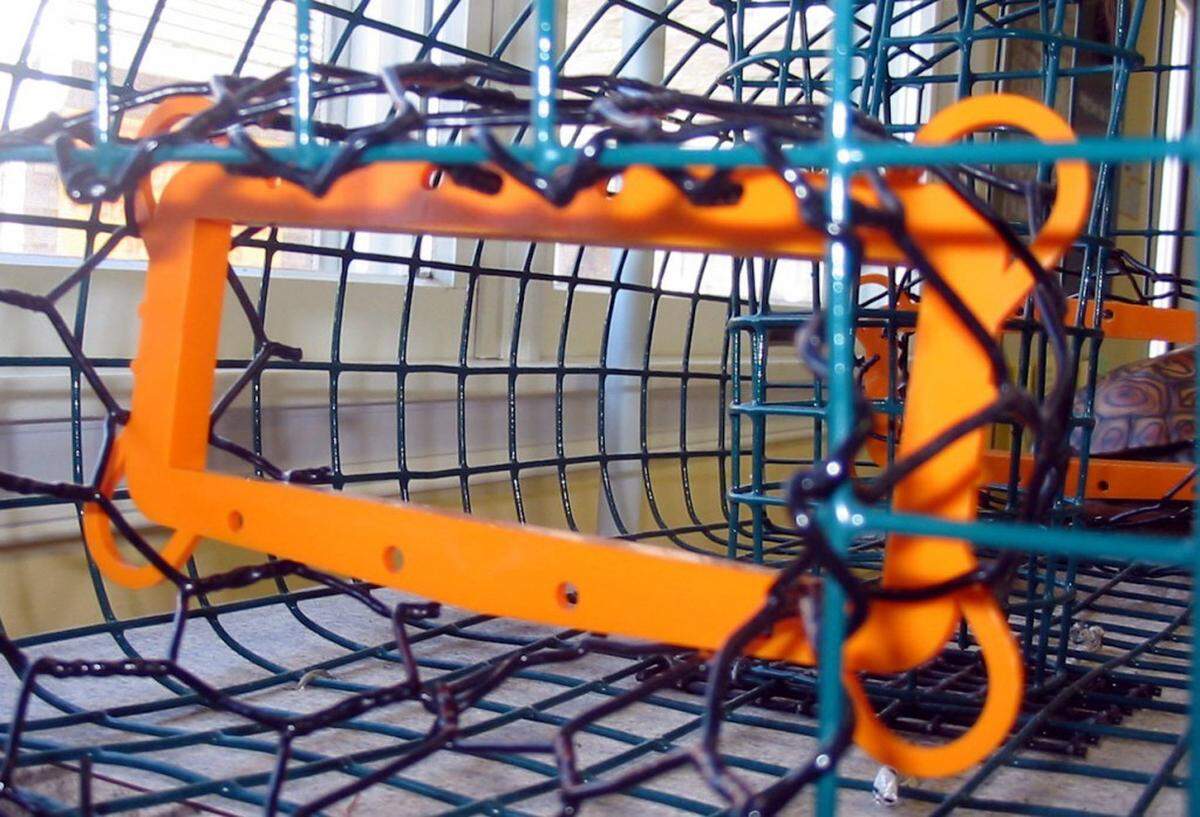
Starting March 1, recreational crab traps will be required to have rigid funnel openings no larger than 2 x 6 inches at the narrowest point or 2 x 6-inch bycatch reduction devices installed to reduce accidental trappings, according to the Florida Fish and Wildlife Conservation Commission. These devices can be installed on existing crab traps, and a limited supply is available for free to Florida’s recreational crabbers.
“Studies have shown that [these devices] can greatly decrease incidental terrapin mortality by preventing them from entering crab traps, while still allowing blue crab catch,” the agency said. “With this requirement, the FWC hopes to ensure the continued survival and recovery of terrapin populations in Florida.”
Want to know more about these turtles?
Diamondback terrapins live in salt marshes, barrier islands, mangrove swamps, tidal creeks and rivers, and they eat a variety of foods including snails, crabs, clams, mussels, worms, fish and plants, according to the FWC.
Five of its seven subspecies occur in Florida, three of which can be found nowhere else in the world.
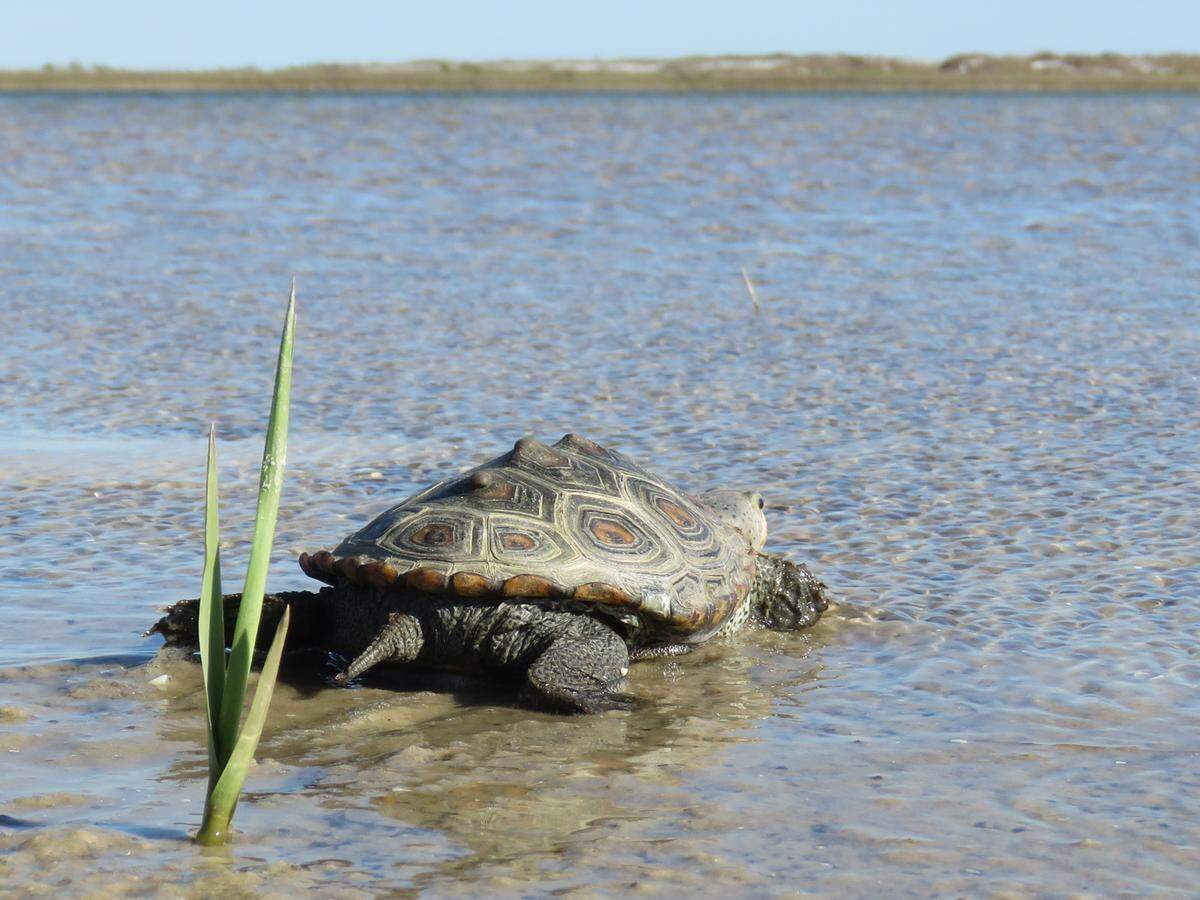
They can usually be distinguished by the pattern on their shell, which consists of concentric rings and a “diamond-like” pattern with knobs along their backs. The shell is often multi-colored, with outer rings being lighter than inner rings. In some cases, the shell is completely dark, the FWC says.
How can I get free bycatch reduction devices?
Bycatch reduction devices are available for free to Florida’s recreational crabbers.
To get yours, contact FWC’s Division of Marine Fisheries Management by phone at 850-487-0554 or by email at Marine@MyFWC.com.
Both commercial and recreational stone crab harvest season begins on Oct. 15 and lasts until May 15 each year, according to the University of Florida. For recreational blue crab trap regulations, visit myfwc.com.