
A guide to biggest environmental vote yet for Miami-Dade Mayor Daniella Levine Cava
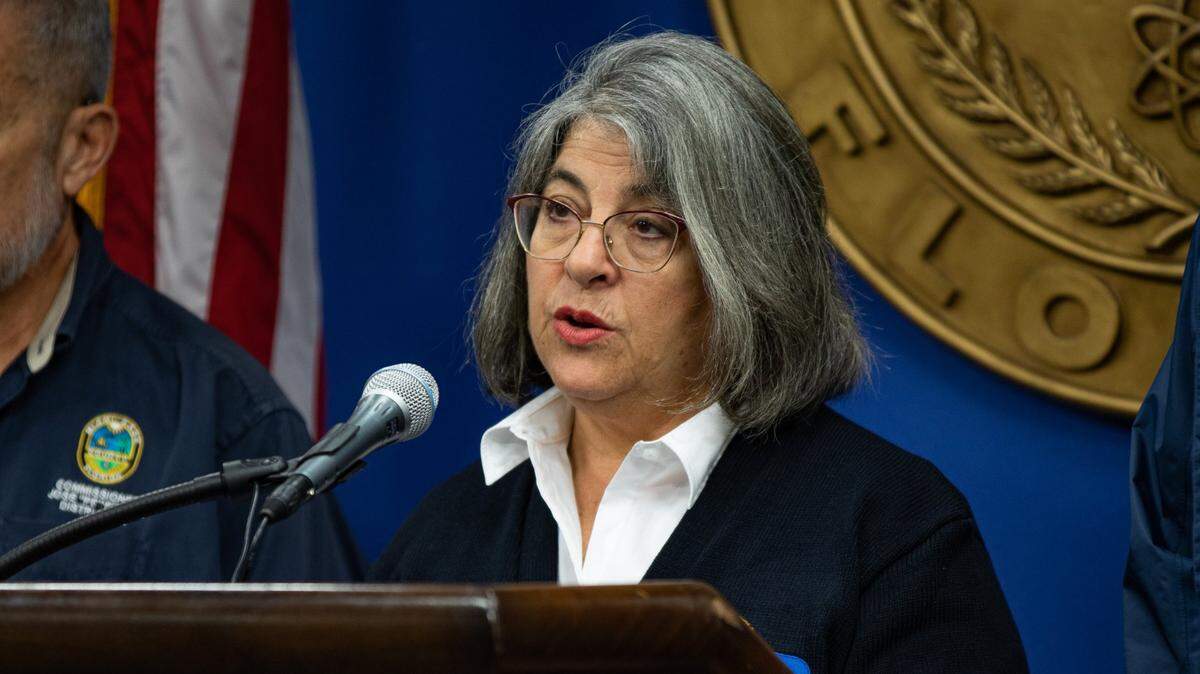
A fight over jobs, the environment and expanding development into areas most at risk from climate change is coming to a head on Tuesday, as Miami-Dade County Mayor Daniella Levine Cava tries to sustain her veto of a nearly 400-acre warehouse project several miles west of Biscayne Bay near Homestead.
By the numbers, Levine Cava has an uphill task ahead.
Two weeks ago eight commissioners approved the project outside the county’s existing Urban Development Boundary, and eight votes are what’s needed for the full board to override the mayor’s veto. If the override happens, it would mean expanding the UDB for the first time since 2013, a setback for a mayor who ran as an environmental champion in 2020.
“This is the most consequential vote of my two-year tenure as mayor,” Levine Cava said at an environmental meeting on Monday.
READ MORE: Miami-Dade commission OKs project that critics say threatens Everglades restoration
How did Levine Cava end up in this showdown with a majority of the commission and the developers behind the proposed South Dade Logistics and Technology District project? Here are some questions and answers about what’s happened so far, and what might be coming.
Is this the same UDB fight that’s been going on for months?
Yes. Members of the public packed the County Commission chambers on May 19 for what was supposed to be the final vote on the project, then a proposed 800-acre mix of warehouses, office space, a hotel and other commercial buildings on farmland that sits southeast of Florida’s Turnpike and north of Moody Drive.
Developers didn’t have the two-thirds vote the County Charter requires to expand the UDB but secured enough support to win the first of four delays, re-votes and extensions. After six months, two commissioners, Jean Monestime and Raquel Regalado, switched their original votes and gave developers the two-thirds approval on Nov. 1.
Why did two commissioners switch their votes?
On Sept. 22, Monestime said he lost confidence in the Levine Cava administration’s assertion there was enough industrial land available inside the UDB to accommodate the more than 7,000 jobs developers say they’ll bring to the South Dade region.
Regalado became the swing vote on Nov. 1 when she announced plans to support the project in exchange for developers promising to donate more than 600 acres of wetlands outside the UDB to a county preservation program.
How did this development proposal become controversial?
There’s a familiar divide in this fight, with developers and their supporters saying Miami-Dade needs the project for decent-paying jobs in an area known for long commutes. Environmental groups and the administration warn of long-term consequences in exchange for warehouse jobs that would have been created elsewhere in the county.
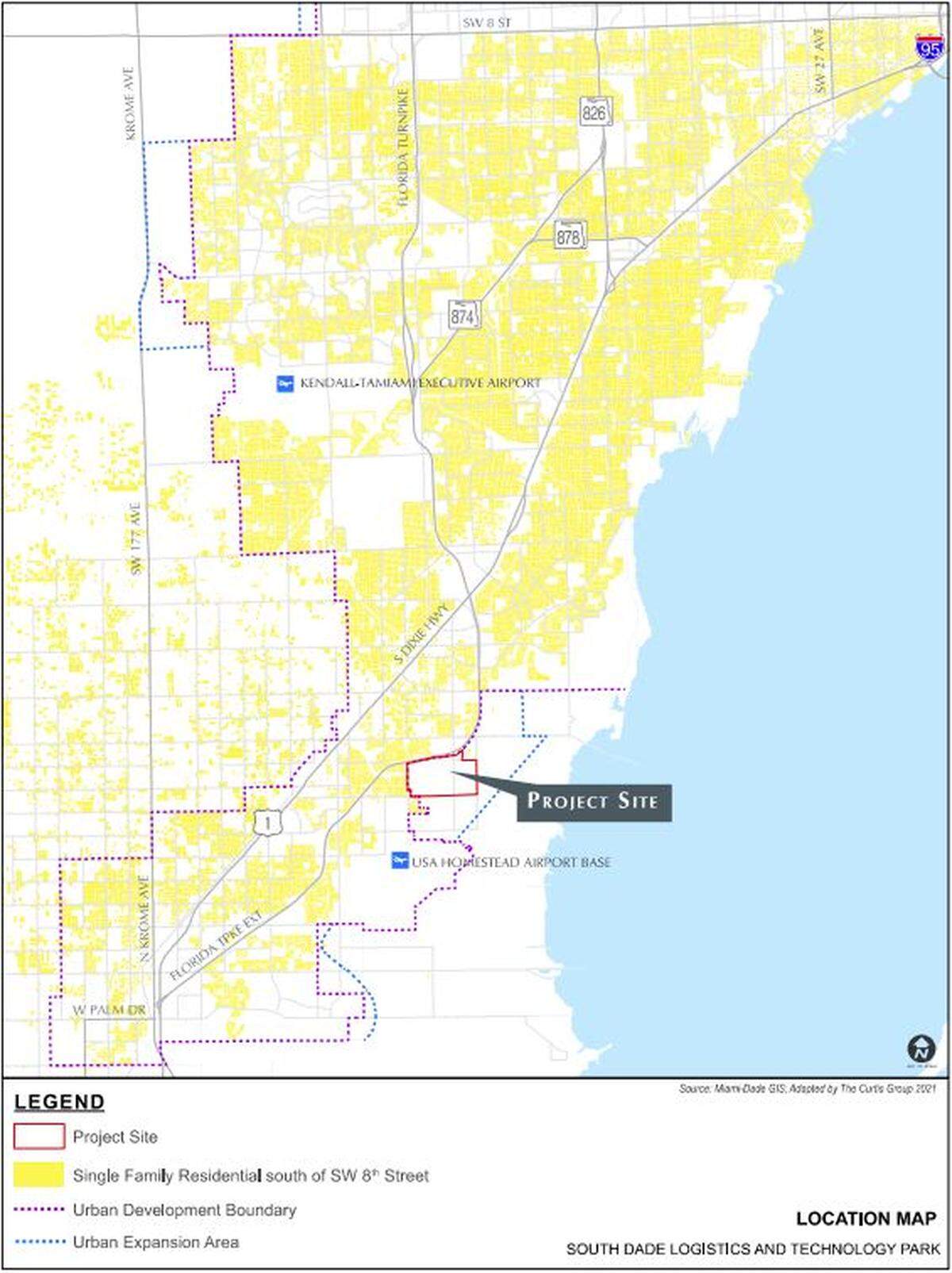
The UDB is unique to Miami-Dade, a growth barrier to limit sprawl and protect farms and the Everglades from suburban construction. But it’s also designed to move once Miami-Dade runs out of land for new homes and businesses inside the UDB.
Backers of the South Dade project point out the site sits in land already designated to be moved into the development zone once Miami-Dade needs more land. The county planning staff says Miami-Dade is at least 18 years away from that moment for industrial space, and that it’s better to preserve the existing agricultural land and make developers look inside the UDB for new construction sites.
Developers say they’ve addressed concerns, reduced the project’s footprint by nearly half from its original size, and come up with a model for how to build in flood-prone areas with elevated structures and roadways.
What’s the connection with the Everglades?
The project site sits on land that a federal Everglades restoration project might want to purchase in the future. The project’s goal is to create wetlands in an effort to replenish polluted Biscayne Bay with clean freshwater that’s filtered through marshes when it rains.
Potential interference with the U.S. Army Corps of Engineers’ effort — formally known as the Biscayne Bay Southeastern Everglades Ecosystem Restoration Project — drew criticism of the project from Florida’s Department of Environmental Protection and U.S. Sen. Marco Rubio, a Republican from West Miami.
Monday evening, Levine Cava’s office released a new letter from the federal Office of Everglades Restoration Initiatives saying planners behind the Biscayne Bay effort recently picked three options for work in the South Miami-Dade area and that each includes the project site. “The most challenging aspect of achieving restoration benefits,” Director Adam Gelber wrote, “is maintaining available land at the proper elevation to convey, store and clean freshwater.”
In backing the project, Regalado said she’d rather have Miami-Dade be assured of getting new land from developers for environmental preservation than wait to see if the federal government opts to include the site in a future restoration effort.
How does land swap work for environmental lands?
In approving the UDB expansion and the project, commissioners accepted a commitment by developers Stephen Blumenthal, David Brown and Jose Hevia to tie construction on the site to a donation of 622 acres to the county’s Environmentally Endangered Lands programs.
That’s a collection of about 27,000 acres of mostly wetlands and forests that the county has acquired since the 1990s to protect from development. The developers would acquire land from a “wish list” of about 8,000 acres the county maintains for future acquisitions in the Homestead area.
Is the land swap OK with opponents of the project?
It is not. In her veto message to commissioners, Levine Cava said expanding the county’s existing portfolio of environmental lands won’t compensate for the poor planning brought on by the project’s approval. That includes changing county rules to allow new construction in an area vulnerable enough to storm surge that it’s part of Miami-Dade’s “Coastal High Hazard Zone.”
Laura Reynolds, a leader of the Hold the Line Coalition, said linking land donations to UDB expansion will drive up the cost of existing wetlands and make it costlier for Miami-Dade to purchase them in the future once the South Dade developers have shown trades are possible.
“It is a terrible idea,” she said. Instead of a rural wetland having little value, “now it’s a bargaining chip in let’s make a deal with the County Commission for any kind of development you might want.”
With more than 30,000 acres on Miami-Dade’s acquisition list countywide, Hevia said it’s unlikely the South Dade agreement would set off much of a speculative buying spree to lock up parcels for the next UDB vote. “I don’t see the logic in it,” he said.
If there are enough votes to override, why a veto?
Levine Cava and environmental groups are trying to find a commissioner on the yes side to switch votes. Some of that effort focuses on warnings about the more recent elements of the proposal, such as the land donation promoted by Regalado and the future of an 84-acre parcel in the development plan owned by Florida Power and Light but which Hevia said this week the developers expect to purchase.
There’s also a chance developers could create a cushion on the override and flip a vote from the four commissioners who voted against them: René Garcia, Sally Heyman, Danielle Cohen Higgins and Eileen Higgins. On Monday, Hevia said he’s “optimistic” the the project will get the final go-ahead from the county Tuesday, barring a future legal challenge.
“We think we’re going to do a lot of good,” he said.
Miami Herald staff writer Alex Harris contributed to this report.
This story was originally published November 14, 2022 at 6:48 PM.