
Florida company applies to drill for oil near the Everglades. Drinking water is a concern.
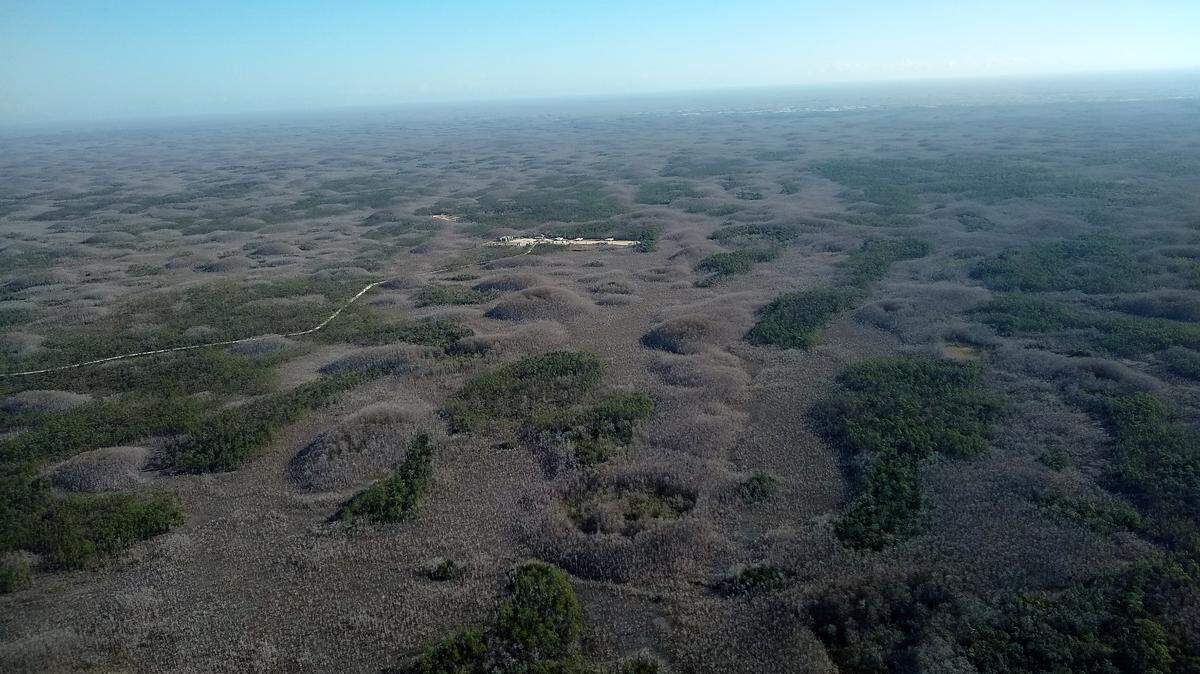
A Florida-based oil company has applied for a state permit to drill an exploratory oil well north of Immokalee in Collier County, a project that water managers and the local water and sewer district said may threaten drinking water supplies in the region.
Environmentalists have also voiced their concerns, saying that oil exploration in the area — part of the Big Cypress watershed and the greater Everglades — could harm protected species like the Florida panther, the eastern indigo snake and the mysterious ghost orchid, which are found in the region’s unique cypress swamps, marl prairies, hardwood hammocks and mangrove forests.
The Coalition of Immokalee Workers also said it’s “deeply concerned” about the impact that oil drilling could have on the water used by more than 27,000 agriculture workers in the farming community, a major tomato-growing region that relies on temporary workers from Mexico, Central America and Haiti.
Trend Exploration from North Fort Myers applied for a permit to drill a directional well almost 12,000 feet down, or more than two miles, northwest of the Immokalee Regional Airport, according to documents submitted to the Florida Department of Environmental Protection earlier this year.
The company said it plans to build a well pad measuring 250 feet by 300 feet near wetlands and agricultural lands. Drilling would take place 24 hours a day for 60 to 80 days, with a crew of 12 to 18 people on site, the application says. The company proposed using about 10.5 million gallons of water from the lower Tamiami aquifer in its operations, to lubricate and cool the drill, and to remove mud and debris.
The South Florida Water Management District had a problem with that and asked Trend to draw water from the deeper Floridan Aquifer, according to a letter sent to the DEP about the permit application in August. The district also raised concerns about the casing of the well, a protection made of cement to keep the sides from caving in on themselves and to isolate surrounding fresh water reservoirs from the oil being produced. If the well receives the DEP permit, the company will cut through 12,000 feet of different rock formations and water reservoirs to reach the oil below.
Trend first proposed casing of about 1,000 feet, but the district said that wasn’t deep enough to adequately protect the Floridan Aquifer System and other sources that provide water supply for the region. The district asked the company to nearly double the depth of the casing to 1,950 feet to isolate two different water reservoirs and protect water supplies from the risk of contamination.
“Many of the aquifers, which are critical to the lower west coast water supply, would be encountered within the first 1/3 of the surface casing under this plan,” Hope Barton, a lead hydrogeologist at the district, wrote in a letter, which listed multiple zones of the surface, mid and lower aquifers as well as the upper portion of the Floridan aquifer, which contains saltwater.
“Therefore, additional information is needed to ensure the protection of the aquifers.”
The Immokalee Water and Sewer District also had several concerns about the application, saying in an Oct. 26 letter to the DEP and to the Water Management District that it’s concerned about the depletion of its water supply and the potential contamination of reservoirs earmarked for future use.
Sarah Catala, executive director of the water and sewer district, said Immokalee’s potable water well fields are located just 1.5 miles from the proposed oil drilling location. The water and sewer district, which serves 6,140 customers, has 16 existing water wells drilled into the Lower Tamiami aquifer at depths between 100 feet and 250 feet, as well as permits from the Water Management District for four future wells in the Upper Floridan Aquifer at depths of 788 feet. Catala requested a detailed explanation from the DEP about what it will require from Trend Exploration to guarantee that wells and drinking water in the area are not impacted.
Environmentalists are worried about the impact of increased traffic of heavy trucks and machinery on local wildlife as well as potential oil spills and pollution leaching into surrounding wetlands.
“This is an area that’s right next to intact habitats in the Big Cypress region; it’s ground zero for the Florida panther and dozens of other protected species. And it sits right on the drinking water supply for agriculture communities and thousands of people in Southwest Florida,” said Matthew Schwartz, executive director of the South Florida Wildlands Association, which is rallying advocates to ask the DEP to deny the permit. “This is an area that is simply incompatible with oil drilling operations.”
The Department of Environmental Protection accepted public comments on the application through Oct. 29. A decision is expected by the end of the year.
Once the DEP indicates it will grant Trend Exploration the drilling permit, the company will seek a Consumptive Water Use permit from the Water Management District, said John Cheeseman, a manager at the company.
“The District will tell us where to get the water and we will comply with all the rules and regulations,” Cheeseman said. He added the company will also move gopher tortoises from the drilling area if they are found to live there, as some environmental groups have indicated.
Gopher tortoises share their burrows with more than 350 other species, and are considered a keystone species by wildlife managers. In Florida, the gopher tortoise is listed as threatened. Both the tortoise and its burrow are protected under state law and must be relocated before any land clearing or development takes place, according to the Florida Fish and Wildlife Conservation Commission.
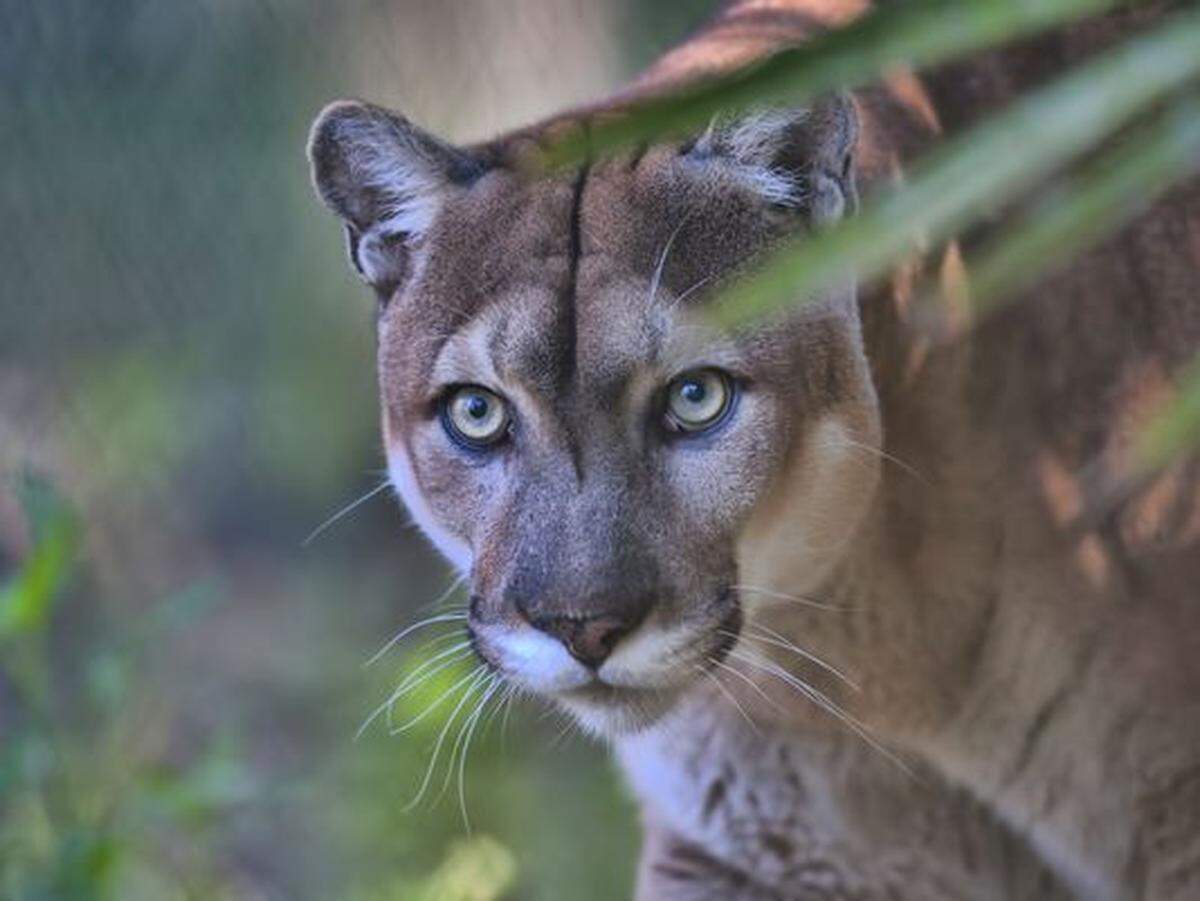
Earlier this year, Burnett Oil Co. applied to build infrastructure that could allow for future oil drilling at two sites in Big Cypress National Preserve, primary Florida panther habitat that sprawls across both sides of Alligator Alley. Although oil drilling has taken place there on a modest scale since the 1970s, the potential expansion has generated intense opposition from environmentalists who have joined forces to oppose drilling plans.
The National Parks Conservation Association, the Conservancy of Southwest Florida, the Natural Resources Defense Council and the Center for Biological Diversity launched the website savebigcypress.org last month to concentrate resources for the campaign against drilling in the reserve.
Oil exploration in the Big Cypress area has been going on since the 1940s. When the preserve was created in 1974, the National Park Service, which manages the area, allowed the Collier family, which owned part of the land, to continue to drill for oil in areas north of Alligator Alley and east of what is now the Florida Panther National Wildlife Refuge. A few years later, oil was discovered in an area southwest of the Miccosukee reservation, and new wells were drilled.
The Collier family also owns the mineral rights to the proposed drilling area in Immokalee, according to the application by Trend Exploration, which is leasing the land.
This story was originally published October 29, 2021 at 9:57 AM.
.jpg)