
Dolphin fights, rotting food. Fired vet, new federal report detail problems at Seaquarium
A longtime veterinarian at the Miami Seaquarium — which has suffered an unusual string of dolphin and marine mammal deaths in recent years — said she had warned management about poor water quality, bad food and a host of other issues she feared were sickening some marine mammals.
Magdalena Rodriguez, who was in-house veterinarian since 1997, said she was fired in June — a decision she believes was based on concerns she raised for several years and that coincided with a new and critical federal inspection of the iconic but aging tourist attraction on Virginia Key, which has long been the target of animal activists.
In an exclusive interview with the Miami Herald, Rodriguez ran down a list of concerns: Staff shortages left dolphins, manatees and even the park’s star attraction, Lolita the killer whale, with inadequate care. Broken pumps and malfunctioning filters choked water with so much algae it sometimes wasn’t possible to see the bottom of the whale tank. Records on water quality were inaccurate and managers didn’t keep track of where animals were placed in the park’s different pools, a critical part of safely maintaining captive animals. Some dolphins, she said, were placed with incompatible animals, leading to violent fights.
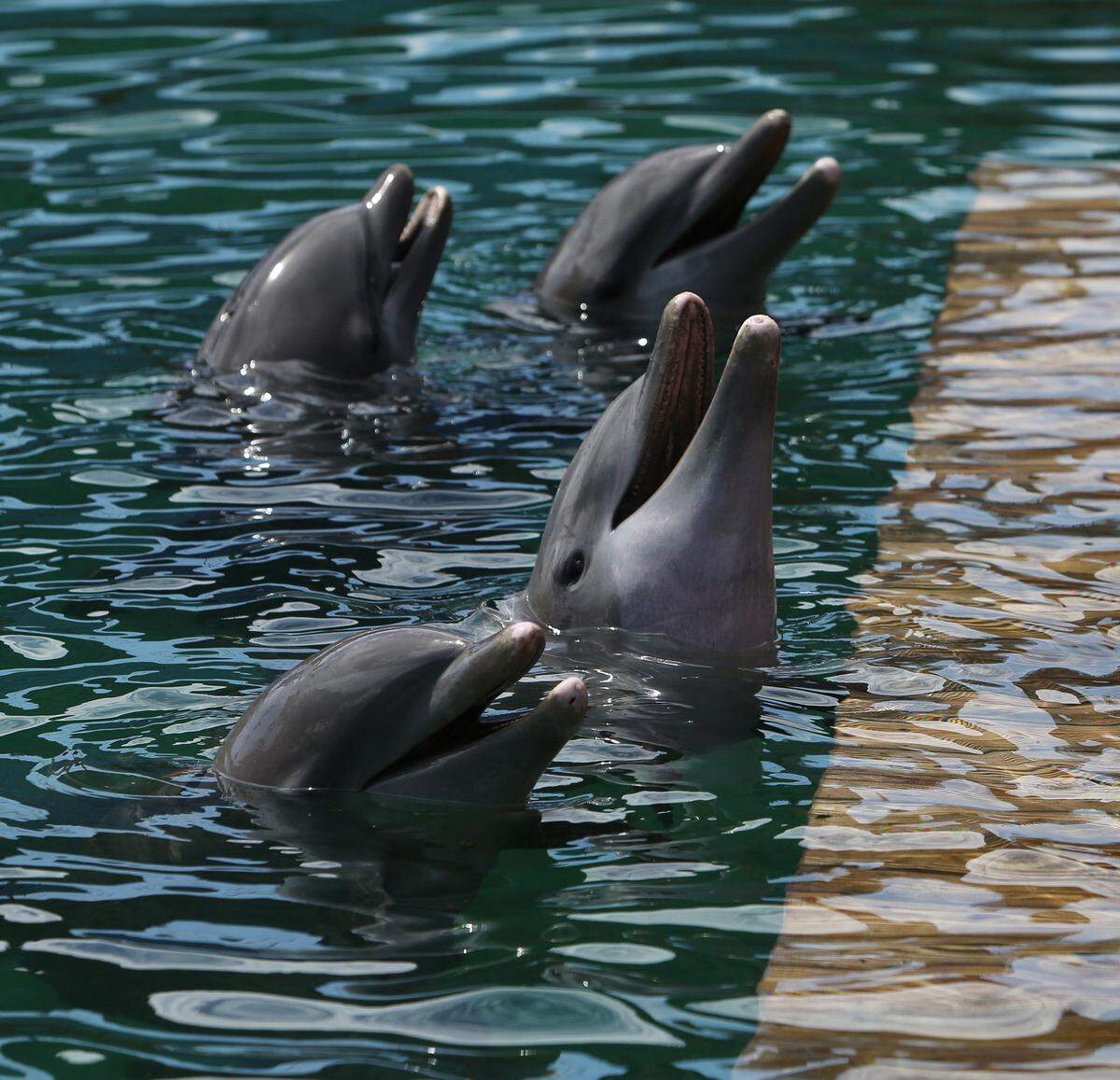
“If you walked around and looked at those dolphins, they were not just raking themselves. They were ramming each other,“ said Rodriguez. Both behaviors — “raking” with teeth and ramming — are considered telltale signs of aggression among captive dolphin and she believes it may have worsened because the animals were sick and weren’t treated promptly.
Many of her concerns were echoed in the facility’s most recent annual inspection by the United States Department of Agriculture, which oversees zoos and parks with marine animals. The unusually lengthy 17-page report, posted on the agency’s website this week, includes dozens of examples of “events of particular concern” and “critical” infrastructure and health issues. Among them: cutbacks on the amount of food for the attraction’s performing marine mammals and, at one point, the diet included rotting fish.
Rodriquez said problems worsened in 2015 and 2016, when a number of experienced trainers left after the Seaquarium was acquired by Palace Entertainment, a unit of Madrid-based Parques Reunidos, in 2014.
Seaquarium management didn’t reply to questions about the report. Bill Lentz, the park’s general manager, said in an emailed statement on Thursday that the Seaquarium is working with the USDA on integrating and implementing improvements, but he didn’t provide any detail.
The marine attraction, which first opened in 1954, found itself in the spotlight earlier this month for an atypical string of deaths between March 2019 and April 2020, when five bottlenose dolphins and a baby California sea lion died — a high number for a park with just 25 dolphins before the deaths occurred. The deaths, previously unpublicized, were revealed in federal records obtained by People for the Ethical Treatment of Animals.
Chris Plante, the Seaquarium’s curator, told the Miami Herald Editorial Board last week, before the USDA report was released, that the facility’s record was clean, and that the six animal deaths were a sad coincidence. He also said some of the dolphins that died had underlying conditions — a statement not supported by the USDA report.
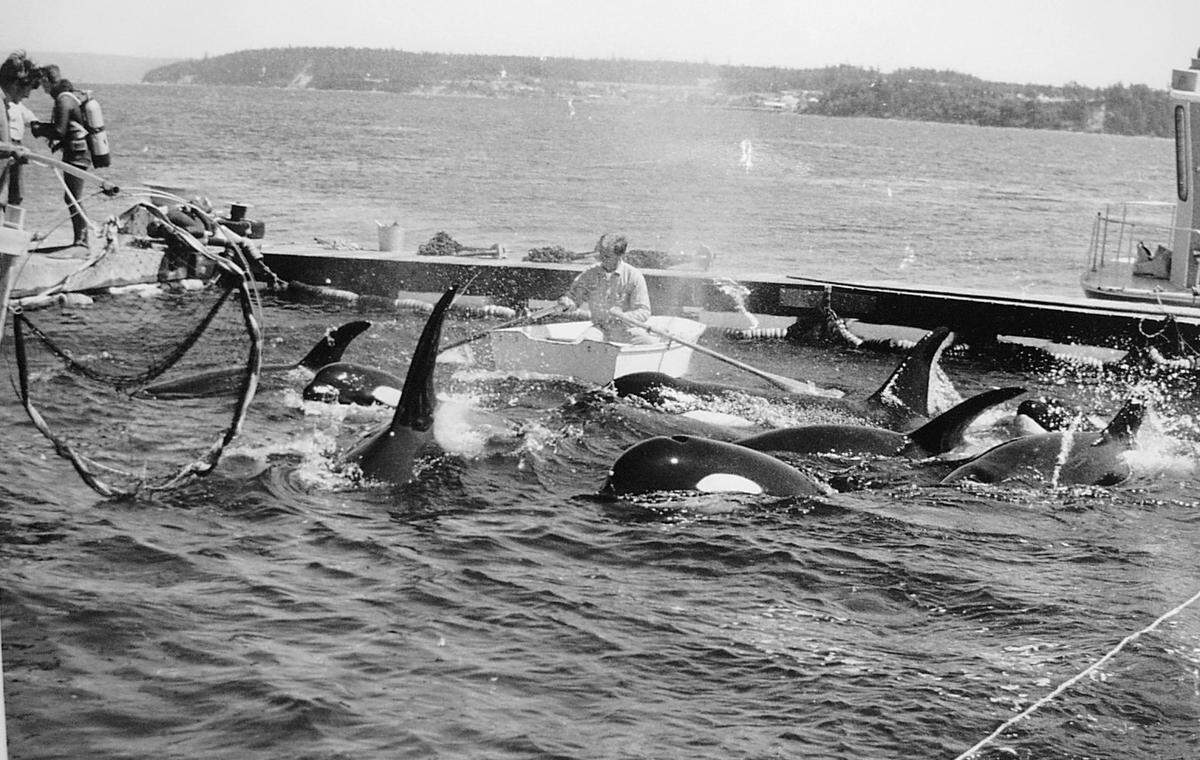
PETA organized a protest on Friday at Miami-Dade State Attorney’s Office to demand that the county’s State Attorney Katherine Fernandez Rundle investigate and charge the Seaquarium with cruelty, something the organization has been urging her to do since submitting evidence of what the advocates describe as abusive conditions in which Lolita is held. Animal activists have long argued that the tank for Lolita, an orca held in captivity for 51 years, is far too small.
Even before the USDA report came out, Rundle’s office told the Herald there was an “ongoing investigation” of issues related to the Miami Seaquarium, including the recent deaths.
The USDA report and criticism from a longtime veterinarian will almost certainly add to the mounting public relations mess for Seaquarium, just as it’s about to be taken over by a new operator. Mexico-based The Dolphin Company announced last month its intention to buy the park from Palace Entertainment, the subsidiary of Spanish theme park operator Parques Reunidos. The sale, which must be approved by the Miami-Dade Board of County Commissioners, is expected to be finalized by the end of the year.
Records show that federal concerns about operations in recent years were first raised by a NOAA scientist who was alarmed at the spike in deaths and flagged the events to the USDA. NOAA manages the National Inventory of Marine Mammals, a database of animals that are kept in captivity in the U.S. Two dolphins and a sea lion died from trauma to the head and neck, while a third dolphin drowned after getting caught in a net that divides two pools. A fourth dolphin died from an unexplained gas embolism and another one was reported as having developmental abnormalities, according to the documents.
Rodriguez, the fired veterinarian, told the Miami Herald the trauma-related deaths may have been a result of inexperienced staff not spotting unusual animal behavior and placing incompatible animals together.
“Animals are just like people. When they feel bad, when they are sick, they may have unusual or aggressive reactions; animals get agitated, they are not going to behave normally,” Rodriguez said.
The latest USDA inspection report, which, unlike others conducted by the agency in recent years, described problems in detail, echoing some of the issues Rodriguez said she raised with park management. The document cites the veterinarian as well as the general manager Lentz, curator Plante and a training curator several times when documenting critical issues.
About the report, PETA said “the Miami Seaquarium ignored its own veterinarians’ instructions so that it could feed Lolita bad fish and force her to perform tricks that likely caused her injury among other horrors,” according to Executive Vice President Tracy Reiman. “PETA is calling on state authorities to act now to protect Lolita and the other animals and to hold the Seaquarium accountable for its culture of cruelty at long last.”
Among some of the highlights were questions about water quality, food and how staff handled the highly intelligent and sensitive dolphins and Lolita, long the park’s main attraction:
▪ Water quality: In a lengthy section about water issues and impacts on animal health, the report notes that poor water flow led to a sharp increase in bacteria and algae in several tanks and pools. The Seaquarium pumps water from Biscayne Bay and is supposed to treat it to prevent the overgrowth of algae, which can potentially harbor bacteria and parasites.
The bay water wasn’t properly treated in pools that house Lolita, 20 dolphins, 14 sea lions and and other animals, according to the report. Inaccurate chlorine records going back to Sept. 2018 also showed that park managers didn’t consistently assess conditions in the pools. Staff often added too much or too little chlorine, a chemical used to kill pathogens. When too much was added, signs of injury on the animal’s eyes were reported. The report pointed out that the Seaquarium uses an outdated “manual method of adjusting the chlorine pump.”
In April this year, a pump broke under the whale stadium. Cloudy water and foam bubbles accumulated at the surface of the pool. Water in Lolita’s pool turned so murky the bottom could not be seen. Algae and “heavy particulate matter” was observed in the water column.
In the “Flipper pool,” where segments of the popular 1960s TV series were originally filmed, a lack of proper water treatment during March 2020 led to a “rise of clinical signs in the animals related to an increased algae and parasite load in the water.”
“Trainers began reporting increased twitching, chuffing and self-mutilation exhibited by the dolphins in the pool as well as other species throughout the park.” Several species of parasites were present in the water.
▪ Food: Earlier this year, poor-quality “fragile soft-bellied capelin (a type of baitfish) that smelled bad” was fed to the marine mammals despite concerns from trainers and Rodriguez. Lolita and the dolphins were fed the rotting fish for 8 days, while seals ate it for 4 days.
Abnormal fecal samples were observed in some of the animals and Lolita developed an inflammation. Dolphins had to be treated with antibiotics and developed skin lesions from a bacterial infection.
“During the inspection, the Facility Curator acknowledged that poor-quality capelin was fed to the animals. Feeding poor-quality fish or partially decomposed fish is detrimental to the health of the animals and can result in illness, compromised immune systems and even death,“ the report said.
The Seaquarium’s curator and the training curator cut food rations by half for many animals, reduced Lolita’s portion of salmon and started to feed her fish guts. The whale’s total ration was cut to 130 pounds of fish from 160 pounds, which worried Rodriguez because marine mammals extract water from fish for hydration.
▪ Lolita injury: In April this year, Rodriguez directed the staff to not request head-in entry jumps from Lolita, also known as Tokitae, because of an injury in the whale’s jaw first spotted in February. Still, the training manager incorporated extra head-in jumps to its routine, the report said.
“The Training Curator, who has been working at this facility for 6 months, disregarded the instructions for Toki to restart bow jumps only and re-instituted head-in entry jumps including speed runs and multiple high energy jumps.”
▪ Dolphin aggression: The USDA report noted serious concerns about a haphazard system for managing the movements of the park’s 58 captive marine mammals between pools. The report said there have been a number of serious injuries over the last several years, some involving death, from certain dolphins being placed together in pools.
“When inspectors asked how the facility keeps track of which dolphin is with whom and which pools the animals are placed at any given time, the Facility Curator indicated that they do not have a way of tracking which animals are housed together on a particular day and said that animals are often rotated in and out of interactive sessions,” the report said.
The Dolphin Harbor pool had fencing that was held together with plastic zip ties. In April this year, two male dolphins broke into a pool with a female dolphin. The female was later found with four broken ribs.
The report also said that several marine mammal pools lacked sufficient shelter to protect the animals from direct sunlight.
USDA inspectors returned to the Seaquarium on July 12 to follow up on citations included in the annual inspection. In a two-page report they said a new attending veterinarian’s program was being implemented.
“The facility’s water quality staff and veterinary staff communicated long term goals for improving water quality for the animals. At the time of inspection, the facility had implemented a daily schedule of recording total chlorine and adopted a newer method of weekly coliform testing,” the report said.
Though Rodriguez said many of her concerns were not addressed by previous management, she said the possibility of a change in command at the Seaquarium gives her hope the animals will receive better care going forward.
“Me and the trainers always put our blood, sweat and tears into that place to try to do something because it was always about the animals for us,” she said.
This story was originally published October 1, 2021 at 8:02 AM.
.jpg)