Miami-Dade commissioner’s push to move Urban Development Boundary meets resistance
Miami-Dade County Commissioner Kionne McGhee’s fellow commissioners love his novel proposal: a sweeping industrial redevelopment and employment zone in his South Dade district, which desperately needs the jobs.
But his method — asking county staff to move the invisible line guiding development (for free) to incorporate currently protected areas — wasn’t as popular.
McGhee’s resolution to begin the process of including hundreds of acres of agricultural land within the Urban Development Boundary was poised for defeat in a Thursday committee meeting before the commissioner deferred it to the committee’s May 13 meeting.
The unprecedented ask was met with criticism from environmentalists who worry that edging into protected wetlands could hurt the region, as well as fellow commissioners who questioned why McGhee was willing to do the work of developers, who are traditionally behind applications to move the line.
They also pointed out that by county staff’s own accounting there are more than 400 acres of vacant land in South Dade zoned for industrial use, and a March draft report from county staff found there was no need to move the UDB until 2040.
“The need is very simple. I don’t think anyone on this commission would debate that the south has been left out of the conversation about jobs and industry,” McGhee said. “I am looking for jobs for my district. I don’t go to anyone else’s district and tell them how to find jobs for their district.”
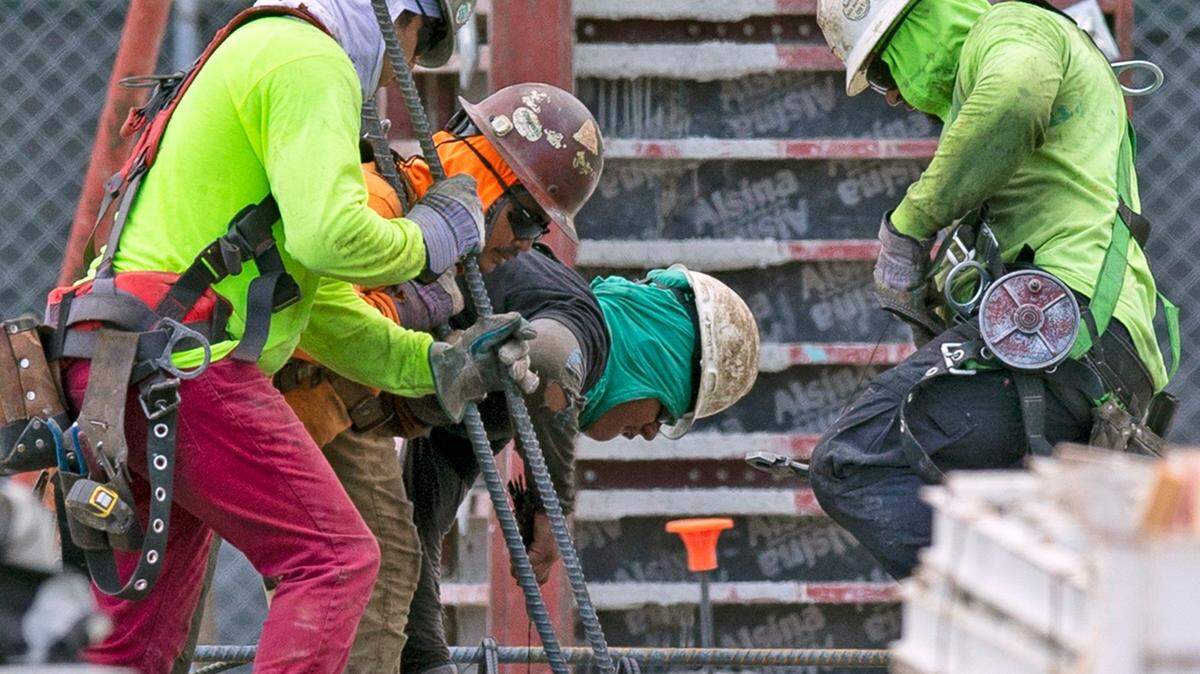
McGhee envisions rezoning 700 acres of agricultural land located between the Homestead Air Reserve Base and Florida’s Turnpike to industrial use and renaming it the South Dade Industrial and Employment Zone. The region, running along Southwest 112th Avenue, is part of a 3,000-acre area designated by county administrations as Urban Expansion Area No. 3, one of the first places the county should turn when it runs out of developable land.
In the committee meeting, McGhee said the “billion-dollar solution” would bring in 20,000 to 30,000 jobs. There is no development plan or business commitments for the region.
The 700 acres in question are sparsely inhabited by a handful of agricultural outfits, largely growers of ornamental plants. One of those farmers, Nick Diaz, told the committee his family owned the land before the UDB was even designated.
Diaz, who previously represented farmers and landowners on the mayor’s task force for UDB expansion, told the committee the landowners in the area wanted to see the boundary expanded.
“They all want to see growth,” he said.
The three dozen public comments came mostly from agricultural workers and South Dade residents who spoke nearly unanimously in favor of the expansion because they wanted jobs closer to home.
“As a licensed South Florida Realtor, much of the conversation I have with my clients is looking for homes south where they’re more affordable but commuting to more jobs north,” said Summer Davis. “That’s something we’ve had to accept for far too long.”
In response to environmental concerns, McGhee offered amendments that hacked 637 acres off the initial proposal to account for sensitive wetlands and a buffer around the air reserve base. McGhee said those acres were all within a coastal high hazard zone, one of the riskiest places for hurricanes and flooding.
But the concern over the unprecedented nature of his request lingered.
Multiple commissioners brought up a similar request happening in District 8, where private developers are asking to move the line to create an 800-acre commercial complex called the South Dade Logistics and Technology District. They’re paying north of $350,000 in fees for staff time to consider the proposal, and the developers have to provide the county with a laundry list of studies and assessments on everything from the roads they’d need to the police and fire services new development would require.
McGhee’s proposal would skip that and simply ask the county to make its own determination that the zone should be included, forgoing the fees and the county’s power to compel future developers to include certain concessions or environmental mitigation, Lourdes Gomez, director of the county’s Department of Regulatory and Economic Resources, told the commission.
“He is basically asking the county staff and county administration to not only apply for this but to scrutinize the same application. It is very difficult to wear two hats,” said Laura Reynolds, a representative of the Hold the Line Coalition that fights against the expansion of the UDB.
The other members of the committee appeared to agree. District 7 Commissioner Raquel Regalado, who chairs the committee, suggested there could be legal implications if the commission agreed to change a process that’s been in place for 40 years.
“Normally we’re very respectful of other people’s districts, but at the same time when we’re talking about lands that impact our environment, I think we go beyond the general ‘we’re going to be understanding of geographic desires,’ ” she said. “Setting the precedent that any county commissioner can come before this board and just move the line goes much further than any of us want to go.”
This story was originally published April 15, 2021 at 5:19 PM.