
FWC’s Rodney Barreto sells Lake Worth Lagoon land after pressure from environmentalists
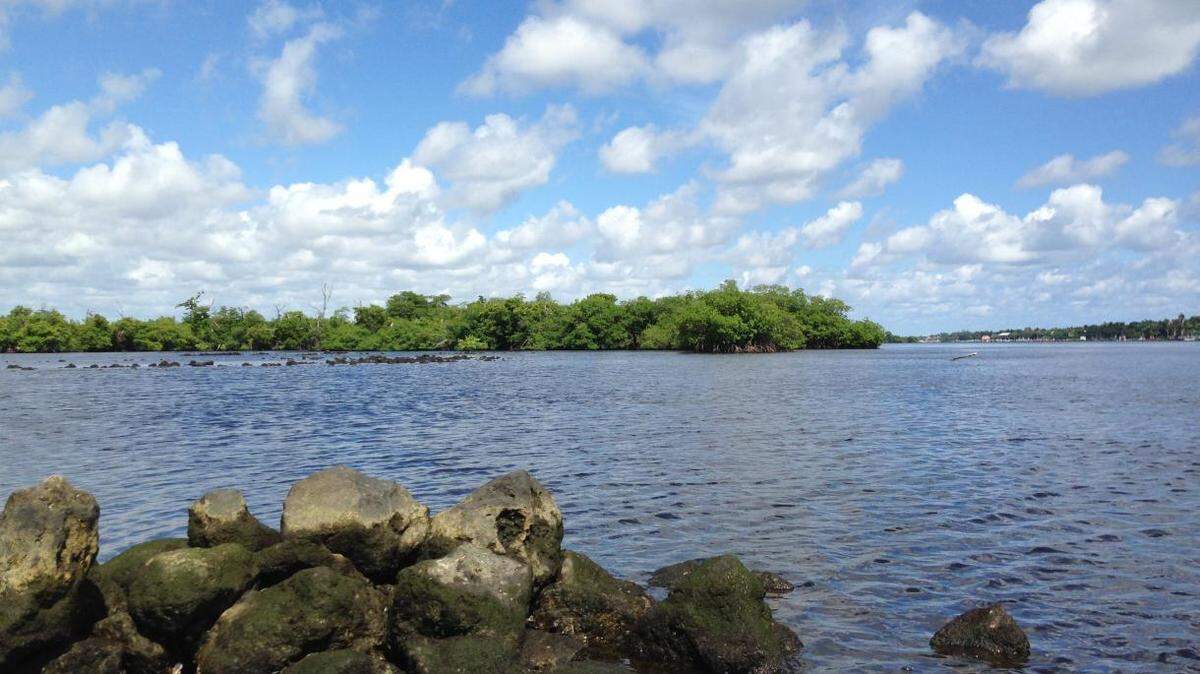
Rodney Barreto, a prominent Miami businessman who chairs the state’s wildlife commission, is selling a property along the Lake Worth Lagoon after environmentalists mounted a campaign against his company’s plans to fill more than 10 acres of submerged land to build more than 300 condos and a marina.
“I’ve instructed my lawyers to sell the property,” Barreto told the Miami Herald on Thursday. “It’s under contract. I’m getting out of it and the property will no longer be a part of my portfolio.”
Barreto, who was elected chairman of the Florida Fish and Wildlife Conservation Commission in December, came under fire last week after one of his companies filed a motion to be allowed to dredge and fill part of a 19-acre property just south of the John D. MacArthur Beach State Park in Riviera Beach. The plan, court documents show, was to develop three buildings with 110 units each, 15 single-family lots with docks and a marina.
Lake Worth Waterkeeper and other advocates said the property, part of the last stretch of shoreline that remains undeveloped along the Lake Worth Lagoon, is environmentally significant because its extensive seagrass beds provide a healthy nursery for green sea turtles, manatees, horseshoe crabs and other marine life. Advocates represented by the Everglades Law Center moved to intervene in the case last month, asking the court to block the project, as first reported by the Palm Beach Post last week.
The Center’s Lisa Interlandi, Lake Worth Waterkeeper’s Reinaldo Diaz and at least a dozen environmentalists flooded the last FWC Commission meeting on Feb. 26 with harsh criticism of the project during a two-hour public comment period. They said that as FWC chairman, Barreto should be protecting that area instead of planning to build on it.
“I can’t believe we have to fight you guys, you are the ones who are supposed to protect this ecosystem,” said Matt Lynch, a Singer Island resident. “This is a nursery, this is where life begins.”
Barreto — a well-connected Republican developer and founder of an influential Miami lobbying firm who is serving his second stint on the commission — initially defended his right to develop the property in comments to the Palm Beach Post. And he responded during the FWC meeting by defending his track record of conservation work at the FWC, including the setup of statewide manatee speed zones and sanctuaries in the early 2000s. He also said there were no “shovel-ready plans” to build anything at the property.
The controversy led the developer, an avid outdoorsman who loves to hunt and spends most of his free time fishing in the Keys and in the Everglades, to give up on the project.
“It goes with the territory,” Barreto said. He said he could not reveal any details of the land sale because the deal hasn’t closed yet.
The Miami-born developer had bought the property at North Ocean Drive in December 2016 for $425,000 using the name of Government Lot 1, a limited liability corporation. Under a 1990 circuit court order, the previous owners had been granted the right to fill the site without asking the Florida Department of Environmental Protection for permits.
In April 2018, records show Government Lot 1 sought permits from the South Florida Water Management District and the U.S. Army Corps of Engineers to dredge, bulkhead and fill about 12 acres of the property. According to the application, the plan was to build three multifamily apartment buildings with 110 units each, 15 single-family lots with two docks each and a 50-slip marina, as well as a community center and a restaurant, and also install 1,200 linear feet of mangroves.
The district said it had “considerable concerns” about potential impacts of the proposed project on mangrove and seagrass habitats, and did not recommend approval of the project. The district also said “the project is located in proximity to Outstanding Florida Waters and has the potential to significantly degrade OFW, requiring additional measures to render the project clearly in the public interest.”
So Government Lot 1 withdrew its plans that year. But in August 2020, Barreto’s firm sued to reopen the 1990 circuit court case, stating that it didn’t need the district’s opinion and that the DEP did not need to exercise its permitting authority to allow the company to fill and dredge the lagoon, and that only permits from the Corps would be necessary.
Environmentalists had argued that a positive response from the court to the company’s request would set a dangerous precedent for other submerged properties in the state that should be protected.
“The times have changed and we can’t allow people in Florida to do business as if we were living in the past century, when turning water into land was widely accepted,” Interlandi said.
This story was originally published March 4, 2021 at 2:27 PM.
.jpg)