
Las Palmas, a ‘constraint’ in Everglades restoration, will get a $20 million seepage wall
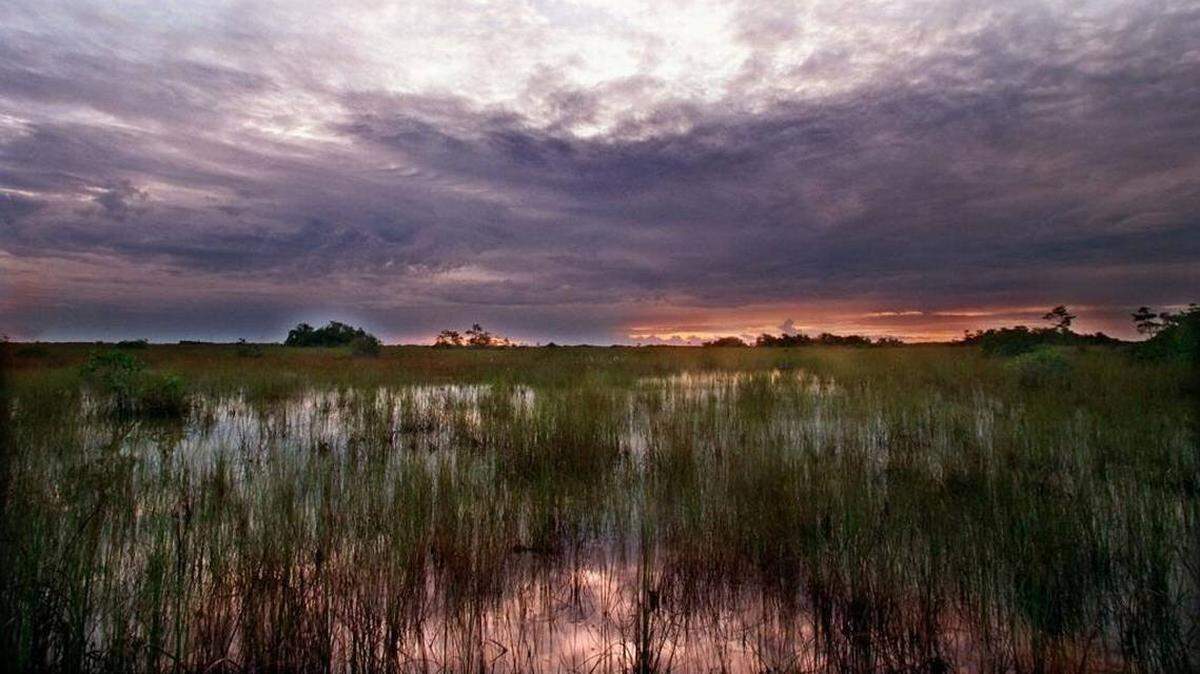
South Florida water mangers proposed building a $20 million curtain wall to protect properties in the Las Palmas, a small community that runs an increased risk of flooding as more water starts to flow to Everglades National Park as a result of two new bridges over Tamiami Trail and other restoration work.
“We want water to flow south out of the central Everglades, underneath the bridges through Shark River Slough south into Everglades National Park and through Shark River Slough so that it ultimately gets to Florida Bay,” Jennifer Reynolds, director of Ecosystem Restoration and Capital Projects at the South Florida Water Management District, said during the district’s monthly board meeting. “We need to eliminate this constraint, so we need to protect the area from flooding with a curtain wall.”
A strategy to buy out willing sellers is still considered a simultaneous strategy as water managers try to find a solution for Las Palmas, a collection of ranches and nurseries that has been characterized as a thorn in the side of Everglades restoration advocates. For decades, it was known as the 8.5 Square Mile Area.
Water managers and Everglades experts say that billions worth of projects that have now been completed won’t achieve their full potential until water can flow unconstrained to replenish the park and revive Florida Bay. And Las Palmas is in the way.
Since only a small percentage of property owners have expressed interest in selling their land after the district launched an outreach campaign in December, the plan now is to move quickly with construction of the seepage wall. It would be around 60 and 65 feet deep and 2.3 miles long, running between a portion of the community and Everglades National Park, and it would take between 12 and 18 months to be completed, Reynolds said.
The new structure would protect Las Palmas even in high water events like what residents experienced last year after Tropical Storm Eta drenched the area after a record-breaking rainy season, she said. The district used Oct. 2017 water levels to simulate seepage and model how well the structure would hold the water.
It would also reduce the need for water managers to store water in conservation areas like Water Conservation Area 3, which reached record levels last year and forced native wildlife as deer and marsh rabbits to crowd onto levees and tree islands to survive.
“When we have a lot of rainfall we end up stacking water where that water doesn’t belong,” Reynolds said.
The wall received overwhelming support from board members. Pedro Ramos, Everglades National Park superintendent, called into the meeting to support the move, saying the project was “music to his ears” as the wall would also prevent water from bleeding out of the park.
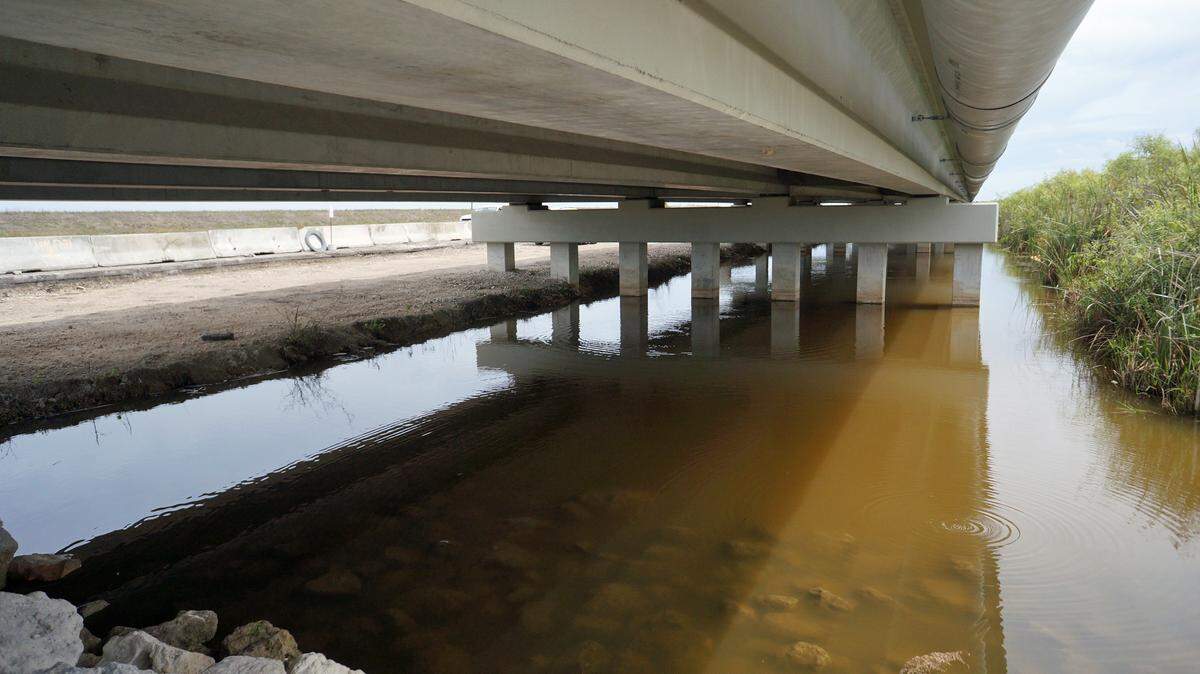
Nearly three miles of Tamiami Trail that have been raised and other projects such as the S-333 and S-333N water control structures about 35 miles west of Miami double the amount of water that can be moved south through that area out of conservation areas in the Central Everglades and into Everglades National Park.
The 8.5 square mile area significantly limits operations of these structures, and Tropical Storm Eta was used as an example. If it weren’t for Las Palmas, water managers would have been able to make more releases from Water Conservation Area 3A during those high water conditions, Reynolds said.
Some board members said the district should move more aggressively in its strategy to remove home owners from the area as that’s the only long-term solution that wouldn’t require more flood protection projects in the future.
“We don’t want to condemn property, but it seems to me like you’ve got 9 million people in South Florida being affected by all the restoration work we’ve been doing and this is a major obstacle,“ said board member Ron Bergeron.
The district said that it has sent letters to 119 properties in the area inquiring about their interest in selling the land for market value. Out of about 60% of property owners who responded, a third indicated an interest in selling, Reynolds said. Fifteen percent said no and 14% said maybe. The estimated cost of the acquisition of those properties would be about $25 million if owners are wiling to sell. A strategy involving eminent domain would be much higher, Reynolds said.
.jpg)