
Florida now ‘in the driver’s seat’ of wetlands regulation. Environmentalists don’t like that.
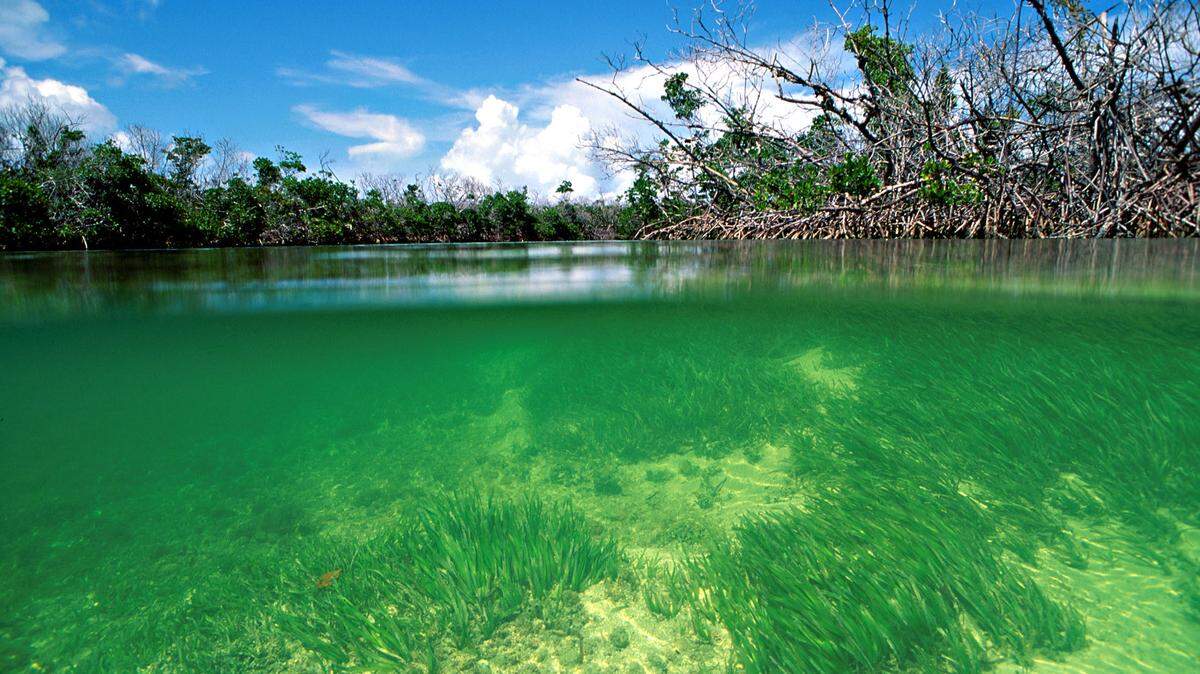
The U.S. Environmental Protection Agency is giving Florida authority to control wetlands permitting, allowing the state to approve or deny permits for developers to build on marshes, cypress forests, ponds and other wetlands that are protected under the Clean Water Act.
Florida Department of Environmental Protection’s Secretary Noah Valenstein called the decision a ‘milestone’ that will streamline the permitting process and help speed up Everglades restoration and other key water quality programs.
“Florida is now in the driver’s seat,” Valenstein said.
But the move, which environmentalists have fought for years, could also pave the way for more development in a state that’s already under pressure from population growth, worsening hurricanes and increased flooding.
The conservation community and Florida’s native American tribes argue that handing over federal permitting to the state will lead to a review process that’s not tough enough to protect wetlands. They say the DEP’s authority has been weakened by legislative and administrative actions over the years and that the agency is easily influenced by powerful developers.
“Delegating the power to grant wetland dredge and fill permits to the State of Florida is a dream come true for the developers, miners, and road builders who spend lavishly to elect, influence, and control Florida politicians,” said Frank Jackalone, Sierra Club Florida Chapter Director.
“The developers will get more permits to build massive housing developments over wetlands, the rock miners will get more permits to extract limestone under Florida’s natural landscape, and the road builders will get more permits to pave over the ponds, lakes, rivers, and swamps in Florida’s paradise.”
Florida’s wetlands, including the sprawling Everglades, help support ecosystems and wildlife that draw millions of tourists to the state. Mangrove wetlands are key to maintaining healthy fisheries, another huge revenue-generating activity for the state, and act as natural protection against hurricanes. Wetlands also purify and filter water that flows into Florida’s aquifers, providing an essential service for improving drinking water quality across the state.
Florida applied in August to assume the permitting program that is usually done under review from a host of federal agencies — the U.S. Army Corps of Engineers, Fish and Wildlife Service, Marine Fisheries Service and Environmental Protection Agency. Only two states, New Jersey and Michigan, have been granted the same authority.
Government officials said the change will speed up Everglades restoration projects such as the $1.6 billion reservoir south of Lake Okeechobee meant to clean up water before it heads south to partly restore historic flows through the River of Grass. But advocates are concerned about the loss of federal protections in key areas and uncertainty over how other federal laws will be complied with, including the National Environmental Policy Act and National Historic Preservation Act, among others.
It’s also unclear how the state of Florida, home to dozens of protected species, will address Endangered Species Act compliance under the new permitting process, the Everglades Coalition, made up of more than 60 advocacy and conservation organizations, said in a resolution opposing the move.
“Handing federal oversight of Florida’s wetlands and waterways to the state’s pro-development regulators will speed the bulldozing of the special places that are home to 130 of our most endangered plants and animals,” said Jason Totoiu, a senior attorney at the Center for Biological Diversity.
The Miccosukee Tribe said its members did not have government-to-government consultation with the EPA in regards to the change, and is concerned about what state control of wetlands permitting will mean for tribal lands and way of life in the Everglades.
“The Tribe is deeply appalled about the loss of culturally sensitive sites and the potential destruction of the Miccosukee way of life. This way of life is integrally entwined within the Florida Everglades,” the Tribe said in a statement. “We remind our federal partners of their responsibility to tribal nations and encourage them to come to return to the table and continue consultation with all affected tribes on this critical change in the Florida landscape.”
This story was originally published December 17, 2020 at 12:23 PM.
.jpg)