
Can manatees get West Nile? Mosquitoes that carry the virus bite them, too, study finds
Mosquitoes that transmit the West Nile virus and other diseases don’t just bite birds, horses and humans. They also attack slow-moving manatees — a previously unknown potential risk to this threatened South Florida species.
West Nile virus is spread by the southern house mosquito and other Culex species, and is now considered an endemic disease in the southern United States. More than 40 cases of human infections have been registered this year in Miami-Dade.
While it’s known that birds are commonly infected, a University of Florida study published last month showed that manatees at Everglades National Park also are vulnerable to bites by Culex mosquitoes and could potentially be infected by the viruses they carry.
“We know that the mosquitoes bite manatees and that they inject saliva that could carry viruses,” said Lawrence Reeves, an entomologist at the Florida Medical Entomology Laboratory of UF/IFAS in Vero Beach and lead author of the study published in Scientific Reports.
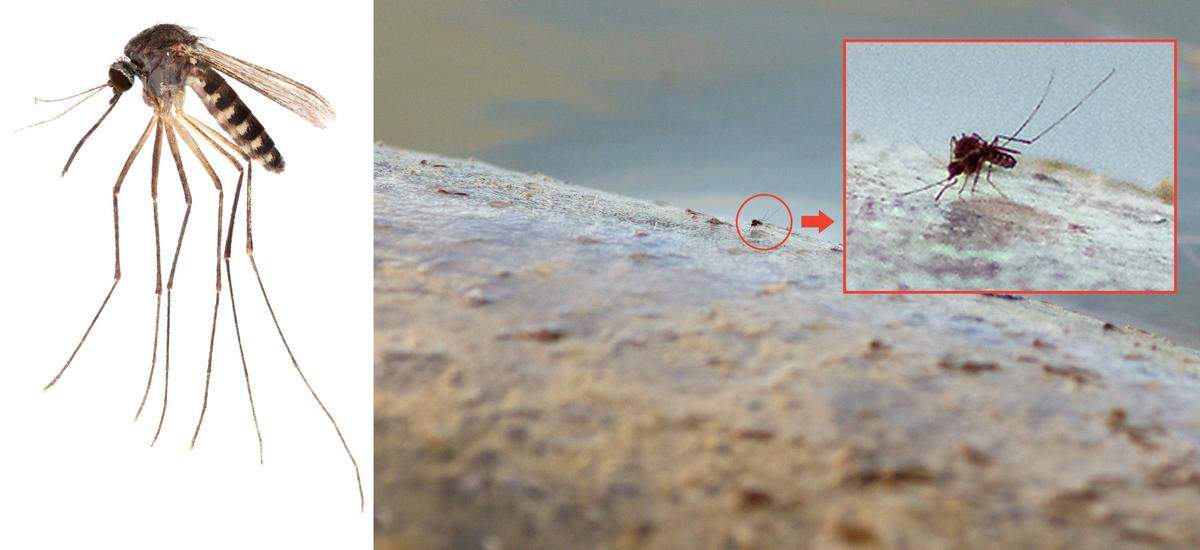
The study does not document any manatee infections from the virus. However, other marine mammals like captive killer whales and Atlantic bottlenose dolphins have become infected and died from mosquito-borne viruses, raising questions about the threats to the gentle giants that live along South Florida’s coasts and waterways.
The West Indian manatee was classified as endangered until 2017, when evidence of a recovery in most populations led to a downlisting to threatened status. Still, these mammals remain under state and federal protection because of the risk of habitat loss and boat strikes.
“From a conservation perspective, it’s important to learn more about how virus-infected mosquitoes interact with these animals,” Reeves said. “These arboviruses could potentially be a health threat to marine mammals.”
Between 2015 and 2018 Reeves conducted research at Everglades National Park, watching mosquitoes interact with local wildlife from the Flamingo Marina. Using a telephoto lens, he looked for mosquitoes flying around manatees and was able to record at least three kinds of mosquitoes landing on and biting the mammals when they were swimming on the surface. He saw Aedes, Anopheles, and Culex mosquitoes interacting with the manatees. In addition to West Nile, these species are known to carry Eastern equine encephalitis virus, St. Louis encephalitis virus and Venezuelan equine encephalitis virus, which are more rare and can lead to serious illnesses and death in horses and humans.
Reeves documented the insects probing the thick and wrinkled manatee skin, which means that saliva, which carries the viruses, was likely injected into the animals.
Manatees live in shallow, slow-moving waters of rivers, estuaries, saltwater bays and canals, and frequently come up to the surface for air, making them an easy target for mosquitoes. Like humans and other mammals, manatees emit a plume of carbon dioxide when they breathe, which attracts mosquitoes up to 50 feet away, Reeves said. The insects also use other cues like warmth and humidity to locate their targets.
At least two captive orcas at SeaWorld marine parks in Florida and Texas died from West Nile and St. Louis encephalitis viruses carried by mosquitoes. Research showed that killer whales that are kept inside small tanks in marine parks tend to exhibit a behavior called “logging,” or staying at rest on the surface, looking like logs, with the dorsal fin or parts of the backs exposed.
Exposure to West Nile virus has also been detected in wild Atlantic bottlenose dolphins, according to a 2017 study by Florida Atlantic University that tested the animals for antibodies.
Reeves said manatees could potentially be tested to reveal what happens after they are bitten by virus-carrying mosquitoes.
This story was originally published August 25, 2020 at 6:00 AM.
.jpg)