‘What’s going on here?’ Outrage over Miami’s euthanized coyote sparks policy review
How far would you drive to talk about a coyote?
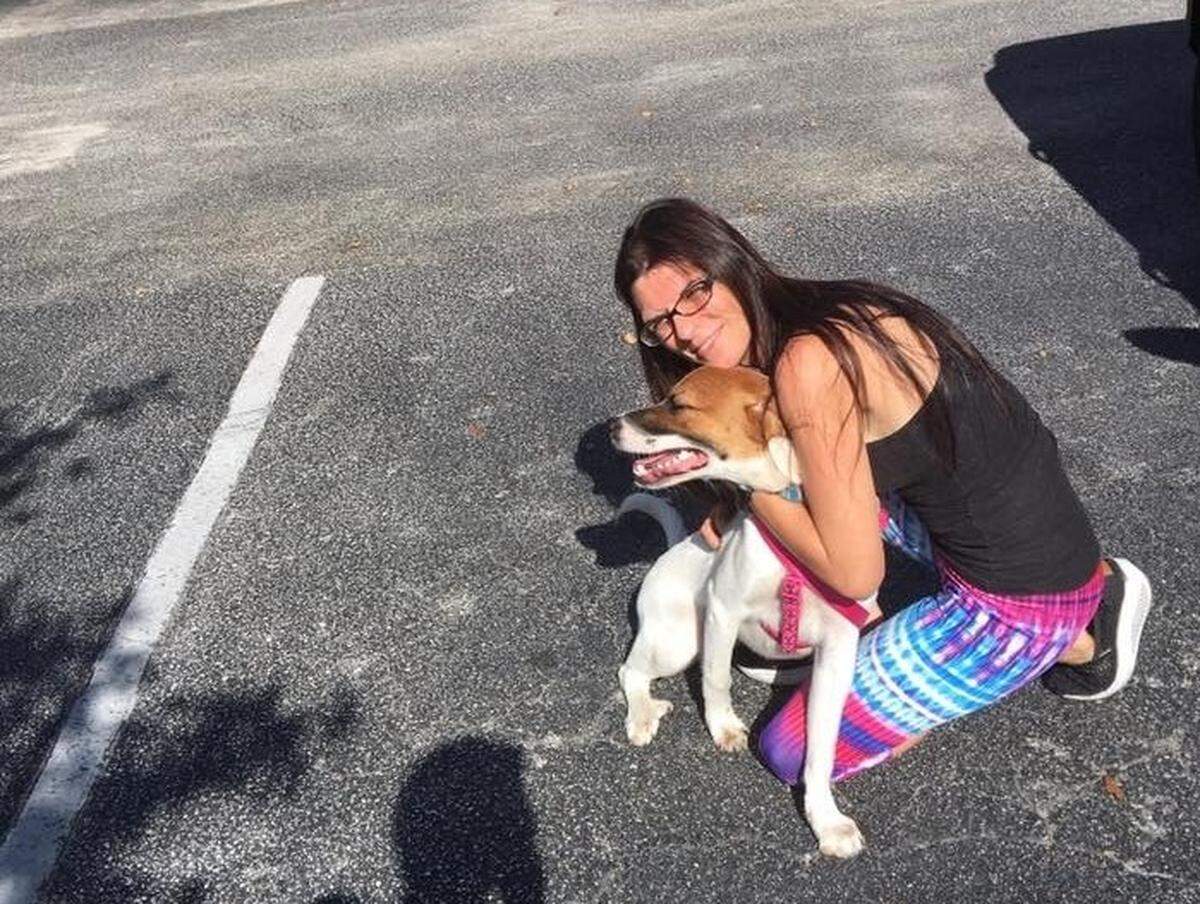
Heidi Havelka left her Palm Bay home at 3 a.m. for a five-hour trip to Tallahassee to speak at a Florida Fish and Wildlife Conservation Commission meeting about the rescued coyote she believes was unjustly euthanized in Miami earlier this month.
A wildlife rehabilitation center in Homestead had agreed to take the animal in, but then someone at FWC instead ordered the coyote to be euthanized.
“I’m here to ask the commissioners that you provide prompt and honest answers to the public on how this happened and how the individuals responsible will be held accountable,” Havelka said at the meeting. “I’m here to ask that the commissioners direct the agency to work with the public, wildlife sanctuaries and internal subject matter experts to ensure this never occurs again.”
Havelka, a technical writer, considers herself an animal advocate. The former South Florida resident was a dog rescue volunteer for about a decade before she moved to Brevard County last year. She says she’s not an official member of any animal rights group but is thinking about volunteering at a wildlife rehabilitation center. She’s also vegan.
“Animal issues are close to my heart,” she said during a phone interview with the Miami Herald after the meeting.
But speaking to FWC commissioners was never in her plans. She says it was the lack of answers that pushed her to Tallahassee, even though the thought of speaking at the meeting had her in “absolute terror for hours.”
FWC officials: Policies under review after coyote death
On Wednesday, about 16 minutes into the commission meeting and hours before the public would take the floor, FWC’s Executive Director Eric Sutton brought up the “pretty high-profile situation” in Miami.
“While at this time it appears no policies were broken, we recognize in hindsight that we should have spent more time assessing other options regarding a decision on how to manage this individual animal, especially given the potential rehabilitation option,” said Sutton. “We have spoken to the team involved in this instance about the need to improve our communications and deliberation when dealing with any similar situation in the future.”
Sutton said the agency will also be reviewing its policies to make sure it allows “flexibilities in deciding what option to go with.”
His statement comes a day after FWC Commissioner Rodney Barreto said he was concerned with how the rescue coyote was handled. Barreto is one of the seven commissioners appointed by the governor to make and oversee policies for the wildlife agency.
“There’s obviously a miscommunication gap. I did call and asked ‘What’s going on here?’ and they are well aware that there were some missteps here,” Barreto told Local 10. “Our mission is not to euthanize animals, our mission is to protect — and we move them if we have an issue.”
Rescued coyote’s euthanization sparks outrage
The coyote was rescued off the waters near PortMiami by Miami-Dade Fire Rescue on live television. FWC officials contacted the Wildlife Rescue of Dade County in Homestead and asked if it could take the coyote in for a check-up and rehabilitate it. The center agreed.
But the coyote never arrived.
The FWC officer who picked up the coyote from Miami-Dade Fire was told by FWC’s command staff to euthanize it, according to an incident report the Miami Herald obtained through a public records request. The report says the coyote was “humanely euthanized” in the Everglades Rocky Glades, a small 5,143-acre game area in Miami-Dade County that is near Homestead’s General Aviation Airport.
Questions, anger and confusion over the FWC’s decision began to spread through social media. Call logs show the agency received a string of inquiries about the coyote. An online petition demanding transparency and accountability soon popped up a few days later. It has nearly 12,000 signatures.
Everyone is still asking the same questions: Why did the plans change? Why was the coyote euthanized? Who authorized it?
The FWC says it’s all under investigation.
This story was originally published February 21, 2020 at 1:15 PM.