Can this scent lure and kill the dreaded mosquito? These Miami researchers say it can
Swat! Sting! Ouch! Missed again.
A familiar feeling in South Florida as mosquitoes swarm in, lured by our subtropical climate, bite us and cause all sorts of public health problems — like dengue fever, which is mounting in South Florida, Zika and malaria.
But a team of Florida International University researchers, led by biologists Matthew DeGennaro and Andre Luis da Costa de Silva, along with scientists from Lund University in Sweden and the University of Washington, have discovered a means to attract and kill breeding mosquitoes, according to FIU.
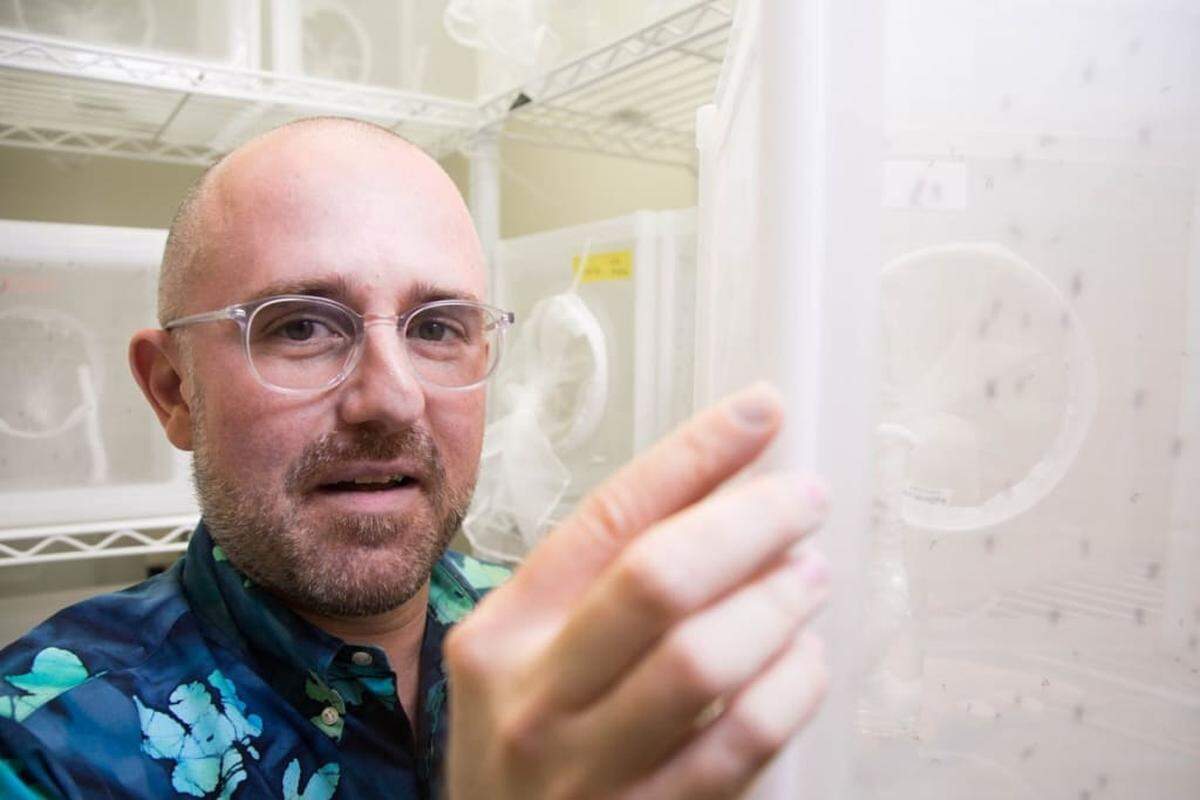
Miami as a mosquito-study lab
“Our work shows that Miami is a natural laboratory to study mosquito behavior,” DeGennaro said. “The work we do here may not only help us reduce mosquito populations in our city, but in other tropical and subtropical regions across the world.”
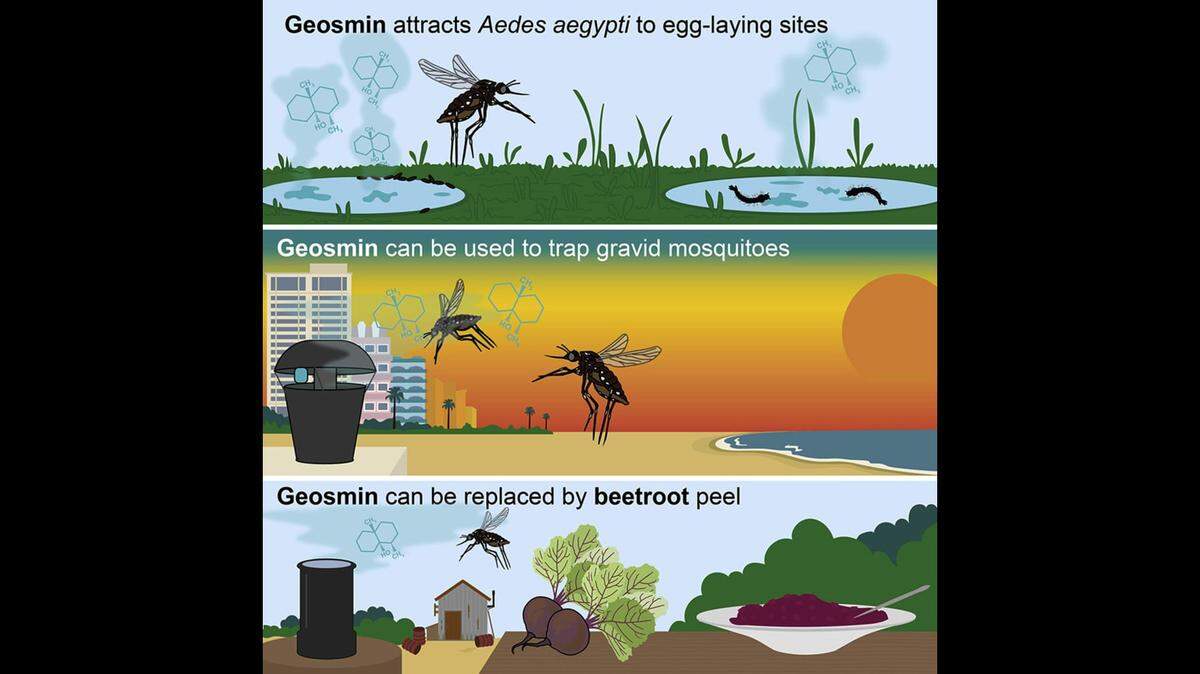
The scientists discovered that geosmin, an organic compound with a distinct earthy flavor, has one of the most “recognizable and common microbial smells on the planet.” This compound attracts mosquitoes — especially as they breed and look for a favorable spot to lay their eggs.
“Mosquitoes require microbial-rich environments for their progeny,” the study said.
“We found a new odor to lure mosquitoes into traps,” DeGennaro explained.
That familiar scent in the air of newly wet soil? That’s the geosmin effect.
Geosmin study’s results
“Geosmin ... increases female mosquito attraction to water. Female mosquitoes lay their eggs on or near water. We compared traps that contained water and geosmin or just water alone. More eggs were laid in the traps with geosmin,” DeGennaro said.
“In Brazil, similar studies were conducted with beet root peel versus its pulp. The peel is rich in geosmin. More eggs were found in the traps containing beet root peel than the traps containing pulp,” he said.
“This discovery can be used to reduce mosquito populations by causing females to lay eggs in traps that will kill the larvae. The more eggs we trap and remove from the environment, the less mosquitoes we will have,” DeGennaro said.
Geosmin is why beetroots taste earthy. But geosmin as a compound is expensive and hard to obtain. The scientists discovered that beetroot peel extract can substitute for the geosmin compound and function as a cost-effective attractant.
The researchers conducted field tests led by da Costa da Silva in Miami at 21 sites over a period of seven months from August 2017 to March 31, 2018.
In Brazil, another team did the work over six week in June and July this year.
Mosquito responsible for dengue, Zika
The biologists went after the Aedis aegypti mosquito, commonly referred to as the “yellow fever mosquito” and the variety largely responsible for the spread of dengue fever, Zika, chikungunya and other yellow fever viruses and diseases that kills millions every year around the world, according to the World Health Organization. Dengue has risen 30-fold over the last three decades, WHO reports.
To bait and kill the mosquitoes, the team designed a simple container system using geosmin-scented water. Once the mosquitoes laid their eggs the container system trapped and killed the larvae.
“If we can get mosquitoes to lay eggs in traps, we can break the breeding cycle and suppress mosquito populations,” FIU biologist da Costa da Silva said in a statement.
It’s not just the egg-laying females who love the geosmin scent, according to Nadia Melo, lead author of the study and a biologist from Lund University who first discovered how geosmin attracts female mosquitoes, FIU News reported.
“In the laboratory, not only did females prefer to lay eggs near geosmin-scented water, but mosquito larvae loved it too,” she said.
Future FIU studies
So what’s next for the FIU team?
“Dr. Andre Luis da Costa da Silva and I now want to understand which olfactory receptor the female mosquito uses to sense geosmin,” DeGennaro said. “We are also looking for additional odors that can lure mosquitoes into traps.”
The geosmin study was posted in Current Biology on Dec. 12.