Corps looking to lower Lake O this rainy season to avoid fouling Florida coasts
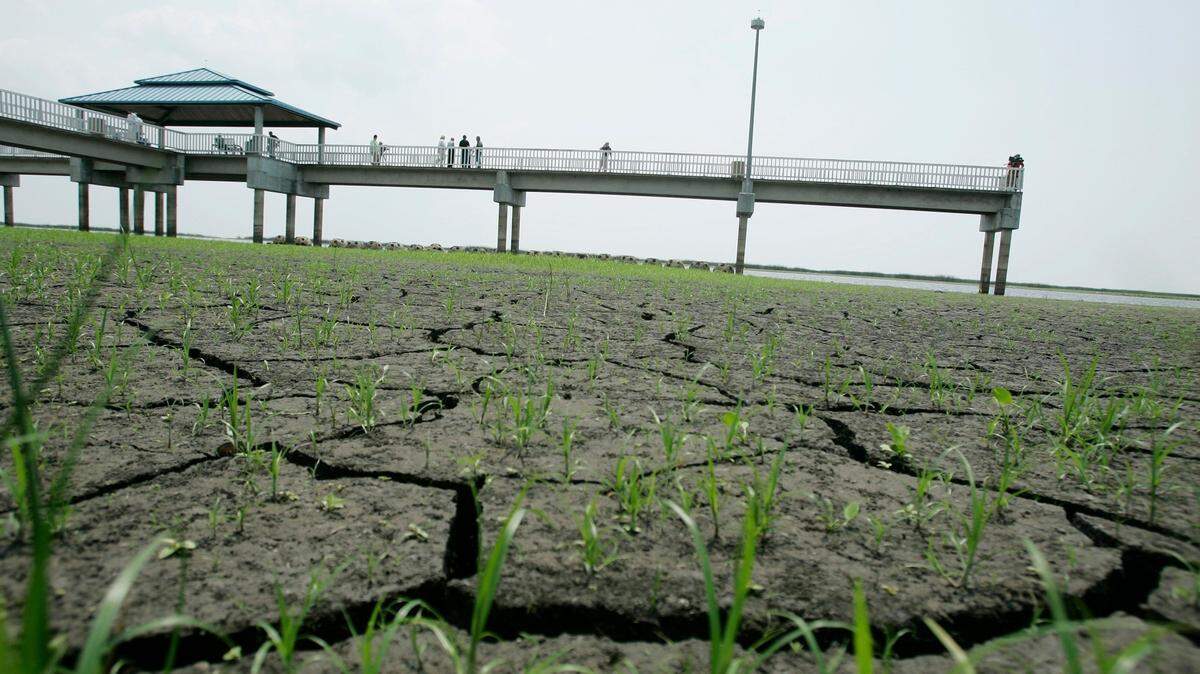
To avoid another summer of slime, the U.S. Army Corps of Engineers may drain the lake blamed for polluting Florida coasts even lower than usual as the start of the wet season draws near.
After a meeting to discuss operations Thursday, Lt. Col. Jennifer Reynolds, the deputy district commander for South Florida, said Gov. Ron DeSantis had asked the agency to consider lowering Lake Okeechobee this coming June, a move setting up a standoff with farmers and some utilities over water supplies.
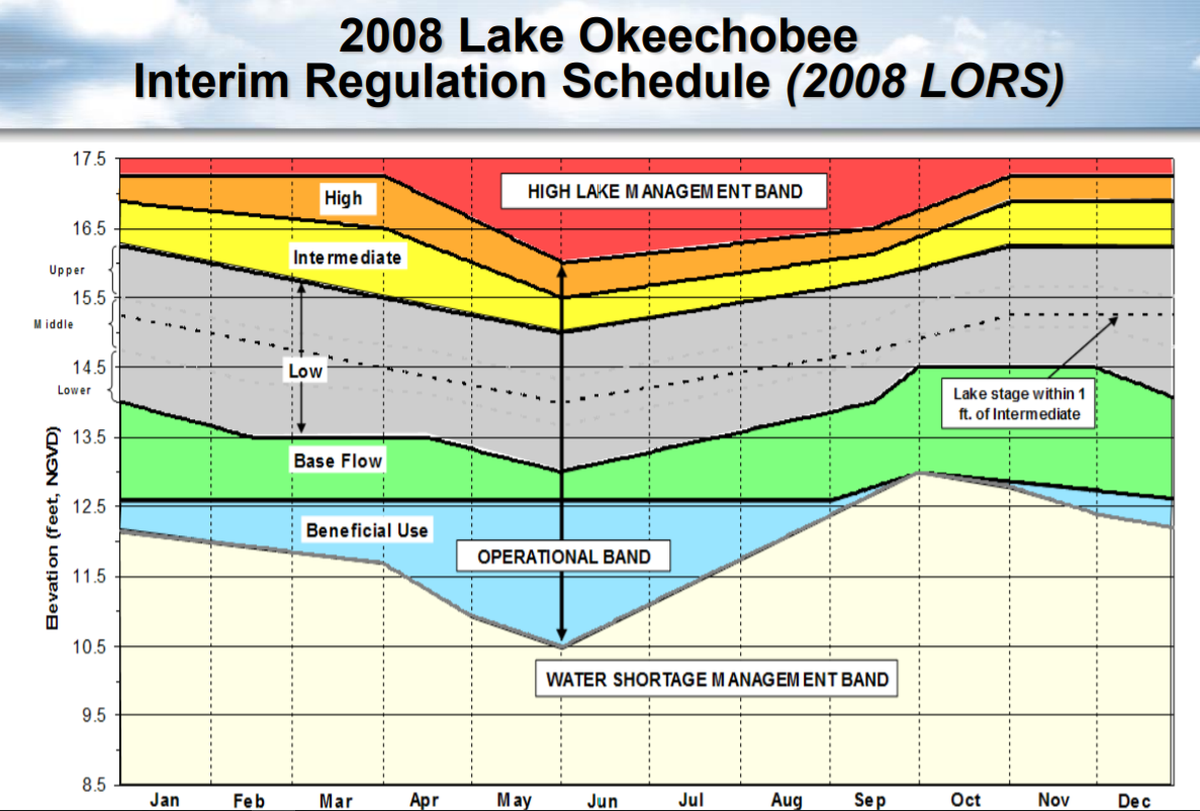
The change is allowed to give engineers flexibility in managing a lake half the size of Rhode Island. The Corps generally tries to keep the lake around 12.5 feet deep at the start of the wet season, leaving plenty of room to accommodate rain. But the limit dips as low as 10.5 feet on the first day of the season June 1.
Given forecasts for a wetter start with a lingering El Niño weather pattern expected to continue through spring, Reynolds said the Corps upped releases and could drop the lake even closer to 10.5 feet. On Friday, the levels had crept back up to 12.77 feet.
“What the governor as well as our headquarters have asked us to look at is how do we lower the lake ... as we go into the wet season in order to mitigate the risk of having high volume releases during the hottest, wettest months of the summer because we know the estuaries just can’t handle another catastrophic year,” she said.
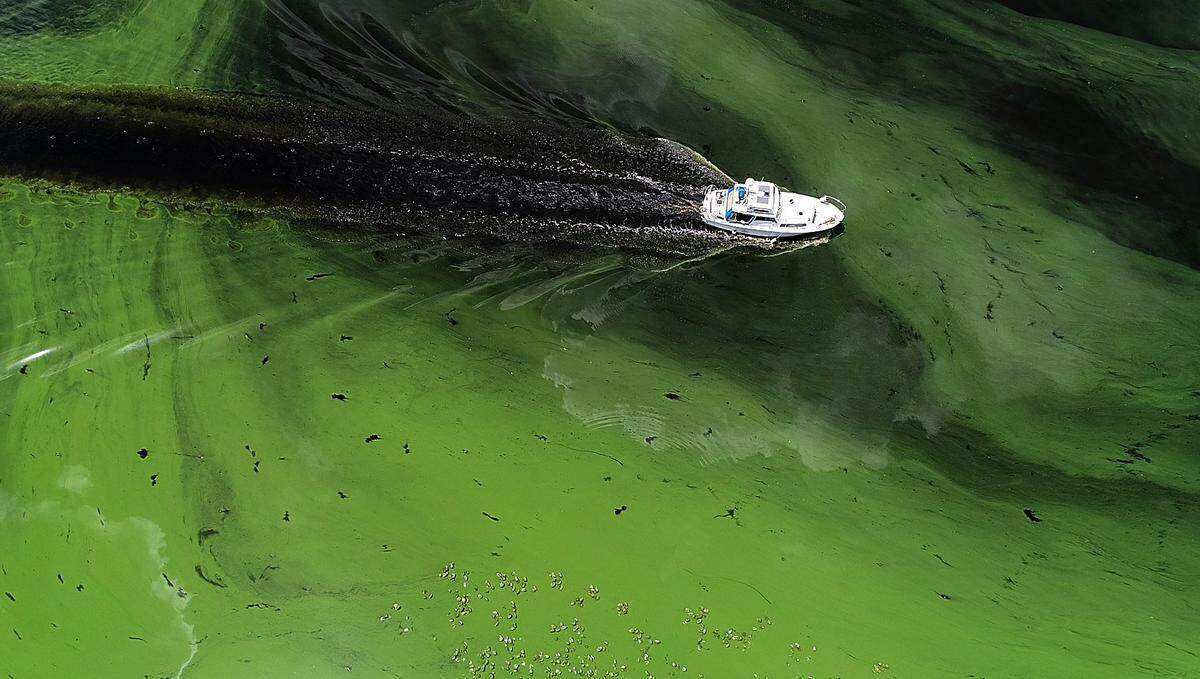
In January, DeSantis raised eyebrows when he announced at a press conference on environmental goals that he’d written the president and asked for the lake to be lowered to 10.5 feet. The move follows a brutal year in which high water triggered releases to protect the aging Herbert Hoover Dike, which is now in the midst of $1.7 billion in repairs. The polluted lake water, filled with phosphorus from farm and urban runoff, regularly fouls rivers with algae, angering coastal communities.
Last year, the releases coincided with a red tide that swept up and down the Gulf Coast for more than a year and littered beaches with dead sea life. Scientists say the polluted lake water flushed down the Caloosahatchee likely exacerbated it.
The Corps is also in the midst of revising lake operations timed to coincide with the completion of the dike repairs in 2022. During February public meetings to review those plans, critics and supporters faced off from Okeechobee to Stuart. As a measure of the building feud, both sides have hired public relations firms to advance their positions. The next meeting is expected to be held in Marathon later this month.
“They don’t fix the dike so they can impose lower stages. Why are you spending a billion dollars so you can lower the lake?” said engineer Tom MacVicar, a consultant for the ag industry. “Going to 10.5 feet is not good for anybody.”
That level is generally when water restrictions kick in. The last time levels fell below 10 feet, in 2011, the longest drought in 123 years of records, golf courses and farms were put on tight restrictions. Earlier this year, parts of the state slipped into a drought following an unusually dry December, but those conditions have now eased despite high temperatures.
At Thursday’s public meeting, Jorge Abreu, executive director of the Dade County Farm Bureau, also worried that lowering the lake would raise the water table in South Dade and damage crops.
“A little over a year ago, the Corps came to Miami-Dade County to inquire about lowering the water table,” he said.
But Reynolds said water supply is as much a Corps concern as flood control and reducing damaging releases. Existing rules only allow for the lake to drop to 10.5 feet at the start of the rainy season, for a single day, and the Corps generally operates within a range in response to conditions.
The timing for lowering the lake this year is also good, she said, following higher than normal water levels for five of the last six years. Consistently high water can damage marshy western fringe that provides habitat for bass and draws anglers from around the world.
“Back in October we looked at that and said we need to do something different this year. So what do we do to build resiliency and give the lake a chance to recover?” she said.
Other options for storage also exist. In a pointed letter to water managers Friday, U.S. Rep. Brian Mast, a Treasure Coast Republican who headed DeSantis’ environmental transition team, demanded to know why the district wasn’t using more land set aside for water farming.
“The South Florida Water Management District acknowledged that there are several dispersed water management projects that are currently using just a fraction of their total storage capacity,” he wrote.
Brad Stewart, his deputy chief of staff, said critics were intentionally trying to confuse the public by misstating Mast’s demands.
“Some of these interests are setting up a straw man argument against what the congressman is advocating for and that he’s arguing for permanently holding the lake at 10.5 feet or into the drought band, neither of which is true,” he said. “A lot of people are trying to make the case this is ecologically damaging and the science actually indicates the opposite.”
This story was originally published March 2, 2019 at 7:00 AM.